In-Circuit Test for Production-Ready PCB Assembly
ICT Testing Service
Fixture-based in-circuit test helps electronics teams catch shorts, opens, polarity mistakes, and wrong-value components before faults escape into functional test, box build, or field use. We write this service for buyers who need electrical screening that is repeatable, scalable, and tied to real manufacturing decisions.
Fixture-Based
Repeatable Coverage
Shorts + Opens
Core Fault Detection
Prototype to Volume
Program Fit
Fast Isolation
Debug Support
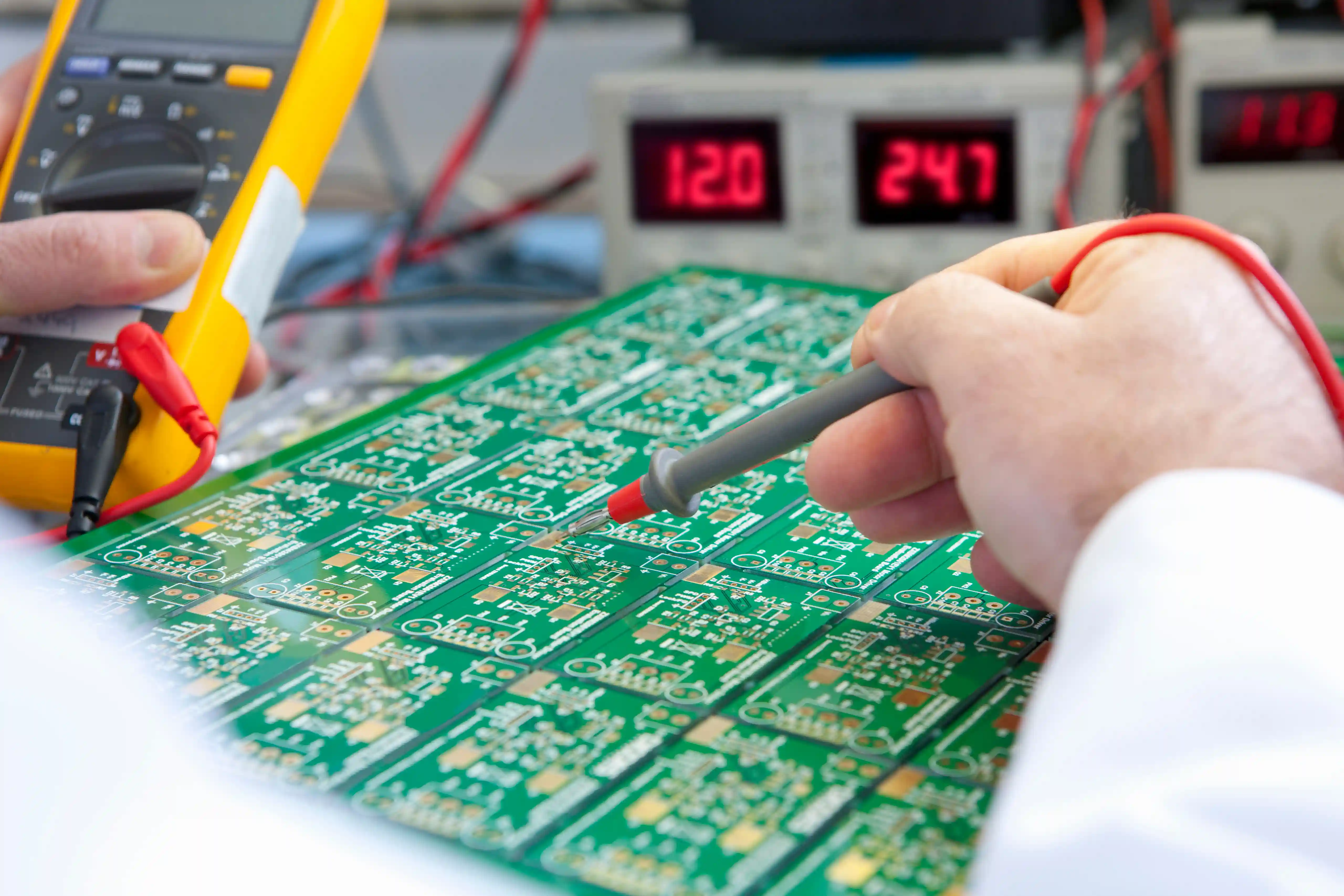
What buyers should expect from a real ICT testing service
In-circuit test is not just a checkbox after assembly. It is a production control method that depends on test access, fixture planning, practical coverage targets, and clean revision control.
Electrical Screening at the Assembly Level
ICT is built for populated PCB assemblies that need more than visual inspection.
Fixture and Testpoint Planning Review
A useful ICT program starts before the board reaches the fixture.
Fault Isolation That Speeds Root Cause Work
When a board fails, the value of ICT is not just red or green status.
Works with AOI, Flying Probe, and Functional Test
ICT is strongest when used as part of a layered quality plan.
Scalable for Recurring Production
Fixture cost only makes sense when the program benefits from repeatability, throughput, and consistent coverage over time.
Aligned with Production Documentation
Test limits, approved deviations, alternates, and revision control have to match the released assembly package.
ICT service scope at a glance
Service focus
In-circuit testing for assembled PCB and mixed-technology PCBA programs
Typical faults
Shorts, opens, wrong-value components, polarity errors, missing parts, and selected analog or digital faults
Best fit
Boards with intentional test access, recurring builds, and a need for fast repeatable electrical screening
Test hardware
Dedicated fixture or bed-of-nails approach depending on board access and program economics
Companion controls
AOI, flying probe, functional test, first-article review, and debug feedback
Data required
Gerber or ODB++, BOM, schematic, testpoint map, assembly drawing, revision notes, and quantity targets
Commercial value
Faster fault isolation, lower escape risk, and better control of production variation
Downstream path
Can feed rework, debug, functional verification, box build, or direct shipment
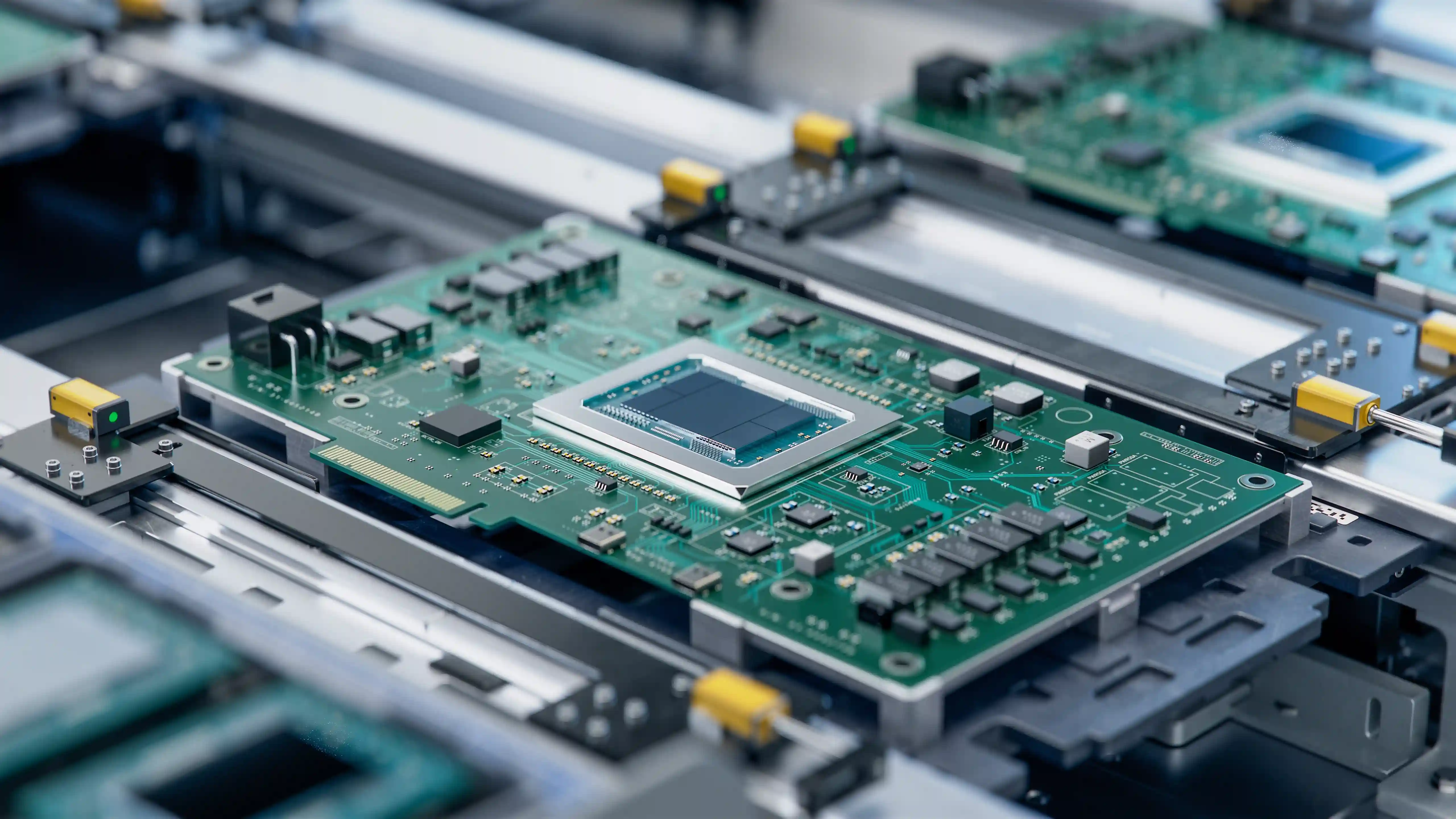
Common buyer questions before fixture-based testing is approved
The right answer usually sits at the intersection of design access, expected volume, and the cost of downstream escapes.
Will ICT actually cover the faults that matter?
Coverage depends on access, fixture quality, net architecture, and the released design.
Is the design ready for fixture-based test?
Boards without adequate testpoints or with difficult mechanical access can make ICT expensive or incomplete.
How quickly can failures be diagnosed and corrected?
A useful ICT line does not just quarantine failures. It provides actionable isolation data so engineering can distinguish a feeder issue, solder bridge.
Does ICT fit the total manufacturing plan?
Some programs only need flexible flying probe coverage for low volume, while others justify a dedicated fixture because the board will repeat.
How the ICT workflow should run
Good test results come from structured preparation, not from dropping finished boards onto an undefined fixture.
Step 1
Review design access and released data
We start with the schematic, layout data, BOM, assembly drawing, and revision notes to judge testpoint access, fixture feasibility, and the realistic ICT.
Step 2
Define test coverage and fixture strategy
Coverage targets, component checks, power-off measurements, powered checks where applicable, and fixture constraints are set before hardware and limits are.
Step 3
Program limits and validate the first article
Golden units, approved alternates, and tolerance windows are used to validate the ICT program so the test is sensitive enough to catch defects without.
Step 4
Screen production boards and isolate faults
Boards are tested through the fixture, suspect units are contained, and failure signatures are classified quickly enough to support rework decisions.
Step 5
Feed results into yield improvement
The real value comes when recurring defects are tied back to stencil setup, placement drift, incorrect parts, documentation issues, or operator handling so.
Public references worth checking
These references help explain the test concepts behind ICT, fixture access, and design-for-test planning without sending readers to blocked standards domains.
Wikipedia: In-circuit test
Background on fixture-based electrical screening and the purpose of ICT in electronics manufacturing.
Wikipedia: Bed of nails tester
Overview of the contact-fixture approach commonly used to access PCB testpoints in production test.
Wikipedia: Design for testing
Context on why test access and design decisions directly affect ICT coverage and fixture practicality.
Related services
ICT works best when it fits the full assembly and inspection path rather than standing alone.
Test Fixture PCB
Fixture PCB fabrication and assembly for pogo-pin adapters, bed-of-nails hardware, and functional test interfaces.
Learn morePCBA Quality Assurance
FAI, PFMEA, 8D, and release records that connect ICT findings to buyer approval and corrective action.
Learn moreFlying Probe Testing Service
Fixtureless electrical screening for prototype and low-volume PCBAs before ICT fixture investment is justified.
Learn moreAOI Inspection Service
Visible-defect inspection that complements ICT on SMT and mixed-technology assembly lines.
Learn morePCB Assembly (PCBA)
Broader SMT and through-hole assembly support where ICT can be one stage of the complete quality flow.
Learn moreElectronics Manufacturing Services Provider
Single-source EMS support when boards continue into sourcing, integration, and downstream manufacturing stages.
Learn moreICT testing service FAQ
Most buying mistakes happen when fixture economics, coverage, and downstream test strategy are treated as separate decisions.
What does your ICT testing service typically detect?
ICT is typically used to detect shorts, opens, missing or wrong-value components, polarity errors, and other accessible electrical faults on assembled PCBs. The exact coverage depends on testpoint access, fixture design, and what the released board architecture allows.
When is ICT better than flying probe testing?
ICT is usually better when the program has enough repeat volume to justify a fixture and needs fast, repeatable throughput. Flying probe is often better for lower-volume or changing designs where fixture cost and lead time would be harder to justify.
Do you need special PCB testpoints for ICT?
In most cases, yes. ICT works best when the PCB was designed with deliberate test access, adequate pad geometry, and mechanical clearance for the fixture. A board can sometimes be tested without ideal access, but coverage and economics usually suffer.
Does ICT replace functional testing?
No. ICT verifies accessible electrical conditions at the board level, while functional test checks whether the assembled product behaves correctly in operation. Many buyers use both because they solve different quality problems.
What files help you quote an ICT program accurately?
The most useful package includes Gerber or ODB++ files, schematic, BOM, assembly drawings, testpoint information, expected annual volume, revision notes, and any known approved alternates or programmed devices.
Can ICT fit a broader EMS or box build program?
Yes. ICT often sits between assembly and downstream integration. Boards can move from ICT into debug, firmware loading, functional verification, box build, or final shipment depending on the manufacturing plan.
Need ICT coverage that matches your real production risk?
Send your PCB data, schematic, expected volume, and test requirements. We can help determine whether ICT, flying probe, AOI, or a combined approach fits the program best.