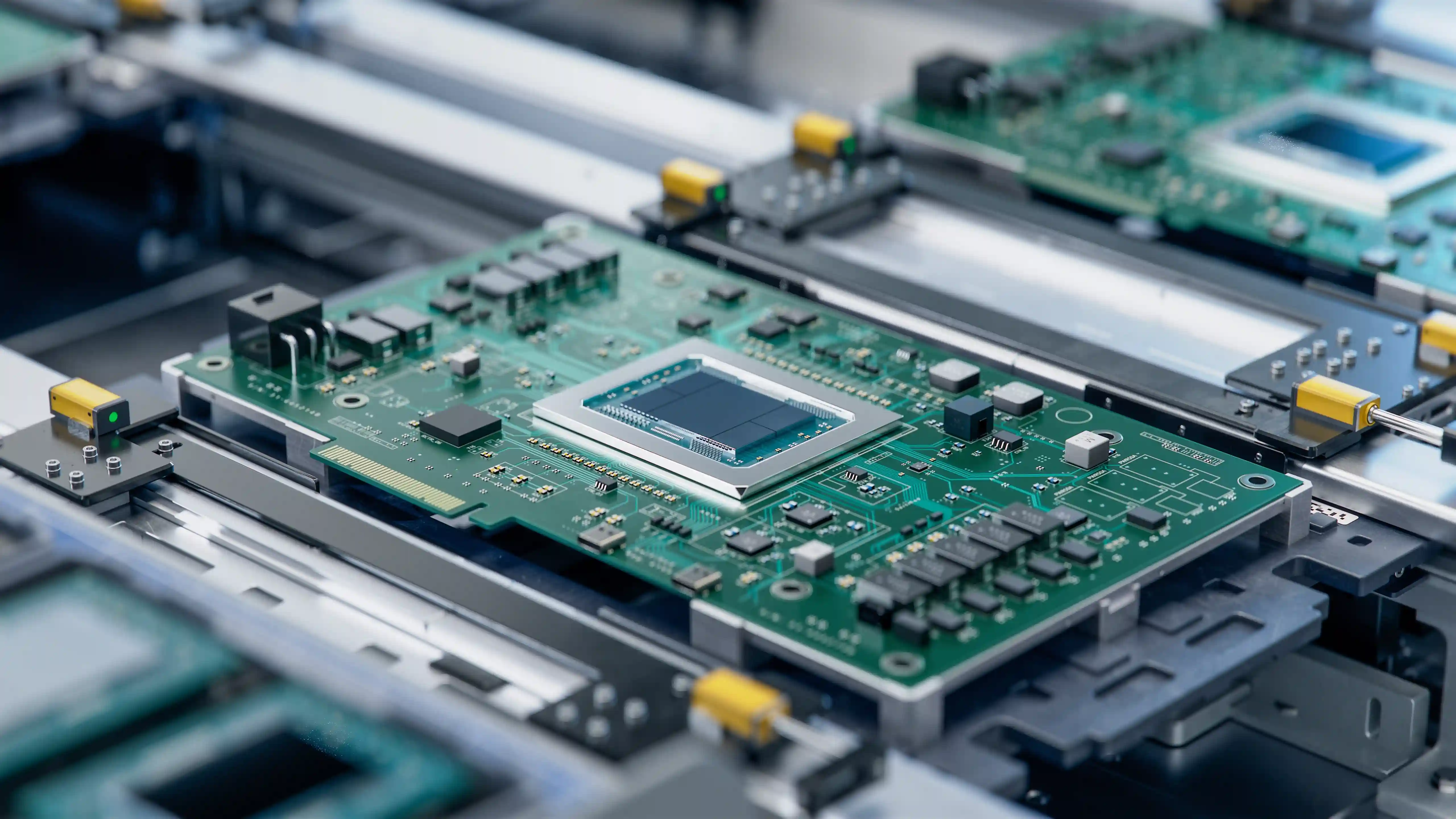
Urgent Prototype and NPI PCBA
Quick Turn PCB Assembly Services for Urgent Prototype and NPI Builds
PCBInsider supports quick turn PCB assembly for buyers who need fast quoting, realistic lead times, controlled sourcing, and inspection-driven quality on urgent builds. We handle rush PCBA projects for prototypes, engineering changes, pilot lots, and bridge-production runs without treating every board as a generic assembly job.
24-72 Hours
Typical Quick-Turn Window
Prototype to Bridge
Build Stage Coverage
AOI + X-Ray
Inspection Path
Turnkey or Hybrid
Material Model
What Makes Quick Turn PCB Assembly Different
Fast PCBA only works when released data, material risk, and process controls are handled together. A rush job still depends on design for manufacturability discipline, the realities of surface-mount technology and the inspection needs of a modern printed circuit board build. The page is written for buyers who need the assembly to move fast without creating preventable scrap or schedule surprises.
Schedule-Driven PCBA Planning
Quick turn PCB assembly is not just ordinary PCBA with a rush label.
Fast DFM and Data Triage
Urgent builds move fastest when Gerber or ODB++ files, BOM, centroid data, assembly drawings, and alternates are screened immediately.
SMT and Mixed-Technology Readiness
We support fast-turn SMT, through-hole, and mixed-technology boards, including fine-pitch packages and BGA devices that need more than manual visual.
Prototype Through NPI Continuity
The same engineering logic that gets the first boards built quickly also matters when the project moves into NPI or bridge production.
Inspection That Fits the Risk
Speed does not remove the need for process control. AOI covers visible solder defects, while X-ray is used when hidden joints or bottom-terminated packages.
Practical Shipping and Release Control
Lead time depends on more than assembly hours. We align release timing, approved substitutions, outbound method, and packaging expectations so a fast build.
Quick-Turn Capability Snapshot
Service focus
Urgent PCB assembly for prototypes, ECO spins, NPI lots, and bridge builds
Build models
Turnkey, consigned, or hybrid material supply
Package coverage
SMT, through-hole, mixed technology, BGA, QFN, and fine-pitch devices
Data needed
Gerber or ODB++, BOM, centroid, assembly drawings, quantity, and ship-to details
Fast-lane fit
Best for released designs with clear documentation and realistic component availability
Inspection
AOI by default, X-ray for hidden-joint or advanced-package builds by need
Typical blockers
Long-lead parts, missing alternates, incomplete drawings, and unclear test scope
Escalation path
Can feed directly into full PCBA, EMS, or pilot production support
Buyer Priorities on Rush Builds
Is the promised lead time actually real?
Buyers get burned when quotes ignore sourcing gaps, panel constraints, or package-specific inspection needs.
Will incomplete data slow the build?
Quick-turn projects fail most often at the documentation stage.
Can quality survive the rush?
Rush service does not mean skipping control points. Thermal profile validation, solder paste strategy, AOI, and hidden-joint checks still determine whether.
What should be expedited first?
The right answer depends on the constraint. Sometimes the schedule is limited by bare board fabrication, sometimes by a single constrained component.
Standard Quick-Turn PCB Assembly Workflow
Rush assembly only stays fast when the factory identifies the real constraint early. We structure urgent builds so engineering review, sourcing checks, assembly execution, and inspection work as one schedule instead of separate handoffs.
Step 1
Review the release package immediately
We start with manufacturing data, BOM, placement files, quantity, and target date.
Step 2
Triage sourcing and substitution risk
Authorized-source availability, approved alternates, and package-specific handling requirements are reviewed before the quote is locked so lead time is not.
Step 3
Set the fastest manufacturable build lane
Simple SMT prototypes may move through a direct fast lane, while mixed-technology or BGA-heavy boards may need a controlled inspection path.
Step 4
Assemble, inspect, and contain defects early
Stencil setup, placement, reflow, AOI, X-ray, and rework containment happen in the correct order so problems are found before they create schedule loss.
Step 5
Ship with the next-stage plan in mind
Urgent boards can ship as prototypes or move into validation, pilot lots, or repeat production planning.

Useful Before You Release an Urgent Build
Teams usually save time when the manufacturing package is checked before asking for a rush quote. Review outputs in the Gerber Viewer and use the PCB Cost Estimator for a budget range before the formal quick-turn review starts.
Related services
PCB Assembly (PCBA)
Broader assembly coverage across prototype, production, and mixed-technology programs.
SMT Assembly
Dedicated surface-mount support for fine-pitch, BGA, and inspection-driven builds.
PCB Prototype
Fast fabrication support when the schedule starts at the bare-board stage.
PCB Quote
Upload files for fast manufacturing and assembly pricing review.
Quick Turn PCB Assembly FAQ
These are the practical questions buyers ask when the schedule is compressed and the first shipment matters.
What files do you need for a quick turn PCB assembly quote?
The fastest path is Gerber or ODB++ data, a BOM with manufacturer part numbers, centroid data, assembly drawings, quantity targets, and shipping destination. If the build includes BGAs, bottom-terminated packages, customer-supplied parts, or approved alternates, include those details up front.
How fast can quick turn PCB assembly really ship?
Simple urgent builds can often move in 24 to 72 hours after materials and manufacturing data are fully ready. The real schedule depends on bare board status, component availability, package complexity, inspection needs, and shipping method.
Is quick turn PCB assembly only for prototypes?
No. It is most common for prototypes and ECO spins, but buyers also use it for NPI, bridge production, replacement builds, and schedule recovery when a larger program cannot wait for a standard lead-time lane.
What usually prevents a board from qualifying for rush assembly?
The most common blockers are missing centroid data, incomplete BOMs, constrained components, unclear polarity or assembly notes, and package mixes that need extra inspection without enough planning time.
Can you handle turnkey quick turn PCB assembly?
Yes. We support turnkey, consigned, and hybrid models. For urgent turnkey builds, the component availability review is one of the first steps because the material plan usually decides whether the schedule is realistic.
How is this different from your general PCB assembly page?
This page is built for buyers whose primary concern is turnaround time. It focuses on the scheduling, sourcing, inspection, and data-readiness decisions that determine whether a rush PCBA job ships on time, while the broader PCB assembly page covers the full PCBA service offering at a higher level.
Need fast PCBA without a fragile schedule?
Send your manufacturing data, BOM, quantity, and target delivery window. We will review the job, identify the real schedule drivers, and route the build through the fastest manufacturable path.