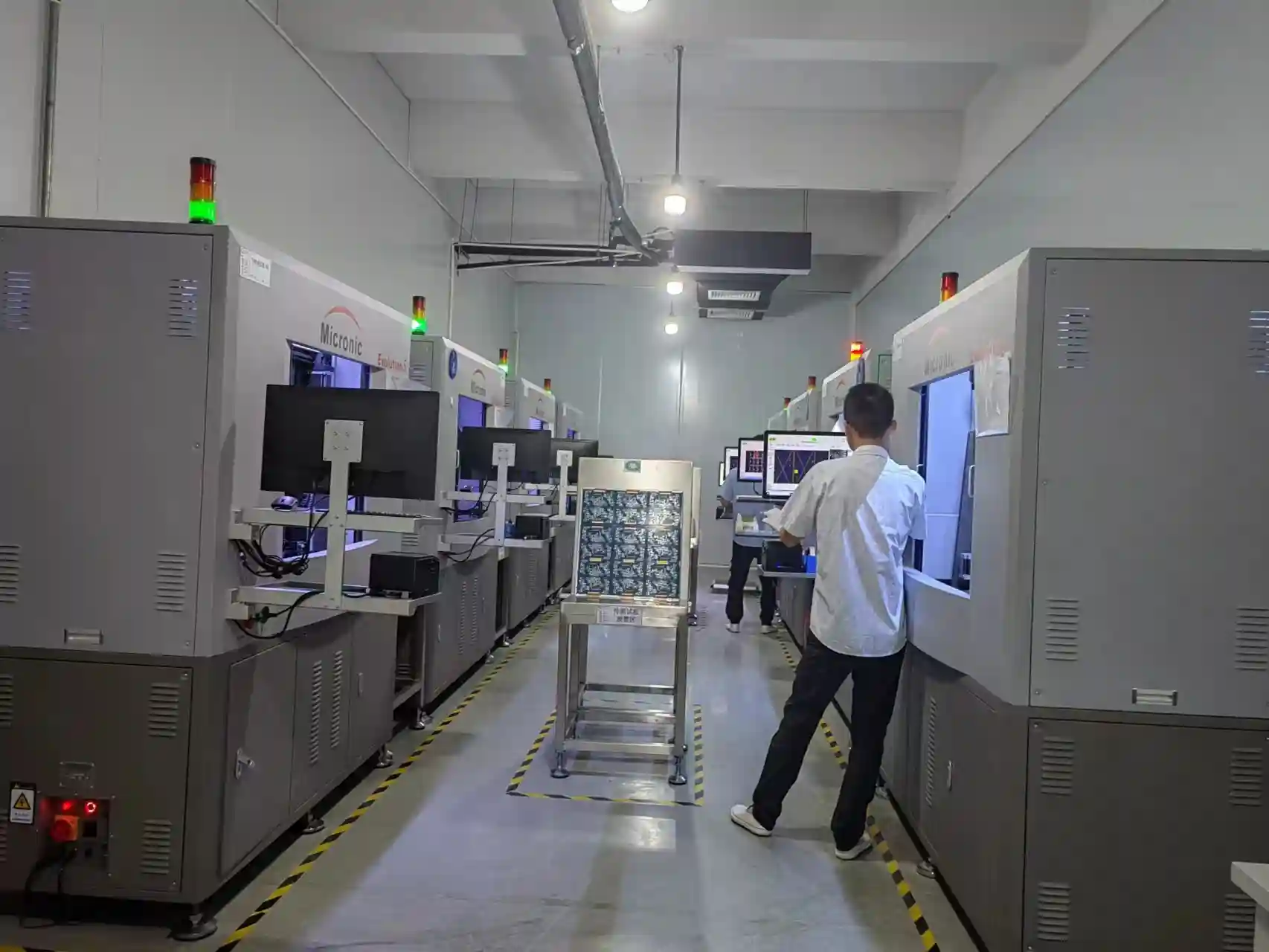
Automated Optical Inspection for PCB Assembly
AOI Inspection Service for Faster PCB Assembly Defect Detection
PCBInsider provides AOI inspection service for SMT and mixed-technology PCB assembly programs that need stronger visible defect detection, better first-article control, and useful process feedback before defects spread through the lot.
Pre + Post Reflow
Inspection Gates
First Article
Program Validation
SPC Feedback
Process Improvement
Prototype to Volume
Deployment Scale
Why Buyers Specify AOI on PCB Assembly Programs
Automated optical inspection is used to inspect visible assembly features quickly and consistently, especially on modern surface-mount technology builds. For commercial buyers, the practical value is reduced defect escape, faster line learning, and more confidence that the first assembled boards are aligned with the released package.
We treat AOI as part of a controlled manufacturing flow, not as a decorative checkbox. When needed, our inspection planning is aligned with broader IPC workmanship expectations, assembly data review, and downstream test planning.
Automated Defect Detection for SMT Lines
We apply AOI to detect visible assembly defects such as polarity mistakes, missing parts, lifted leads, tombstoning, solder bridges, and insufficient.
Program Setup From Real Build Data
Inspection libraries are configured from Gerber, centroid, BOM, and approved assembly drawings so the machine is checking the released build intent instead.
First-Article Validation Before Volume Release
AOI is especially useful when buyers want quick evidence that the first assembled boards match orientation, placement, and visible solder-joint expectations.
Inline Feedback to Assembly Engineering
Inspection findings are only valuable when they change the process.
Escalation Path for Suspect Boards
When AOI flags a board, the review path can move into microscope inspection, rework analysis, or electrical test planning so suspect assemblies are.
Support for Buyer Quality Requirements
AOI helps contract manufacturing programs document inspection coverage for prototype, NPI, industrial, and higher-reliability builds where visible defect.
AOI Inspection Capability Snapshot
Service focus
Automated optical inspection for SMT and mixed-technology PCB assembly
Typical defect classes
Missing, misaligned, wrong polarity, tombstoned, bridging, lifted lead, solder volume anomalies
Process position
Pre-reflow paste review by plan and post-reflow optical inspection
Board types
Prototype, NPI, bridge, and recurring production PCB assemblies
Best-fit packages
Chip passives, QFP, SOIC, SOT, connectors, visible-lead packages, many bottom-side SMT parts
Escalation path
Manual review, microscope verification, X-ray planning for hidden joints, rework containment
Data required
Gerber or ODB++, BOM, centroid, assembly drawing, polarity notes, approved deviations
Quality framework
Inspection-driven process control aligned with IPC-style workmanship expectations
Commercial value
Faster defect containment, better first-article confidence, lower escape and rework cost
Buyer Priorities
Catch visible defects early
AOI is most valuable when it sits at the correct control point and catches preventable defects before they become test failures, field returns, or expensive.
Reduce operator-dependent inspection drift
Manual inspection alone varies by shift, fatigue, and board complexity. Programmed optical inspection makes repetitive checks more consistent across lots.
Improve line learning, not just pass/fail
Buyers should expect AOI findings to improve the assembly process itself, not merely produce a defect list after the fact.
Know the limits of optical inspection
AOI is strong for visible features, but hidden solder joints and internal board issues still require the right companion controls.
Standard AOI Inspection Workflow
The inspection plan matters as much as the machine. We set AOI up so the program reflects the released board data, the first-article pass is meaningful, and recurring findings drive practical corrective action on the line.
Step 1
Review build package and define coverage
We start from fabrication data, BOM, centroid, and assembly notes to decide what the AOI program should verify, which packages need special thresholds.
Step 2
Create and tune the inspection program
Reference images, polarity markers, component body outlines, and solder-joint criteria are configured against the released assembly so inspection logic.
Step 3
Run first-article boards through AOI
The first assembled boards are inspected to validate program behavior, confirm sensitivity, and remove avoidable nuisance calls before the job moves deeper.
Step 4
Classify defects and contain suspect units
Actual defects are separated from false calls, suspect units are held, and recurring issues are categorized by stencil, placement, component, or handling cause.
Step 5
Feed corrective action back to the line
Inspection output is used to tune offsets, update work instructions, adjust feeders, or modify the stencil strategy so the same defect pattern does not.
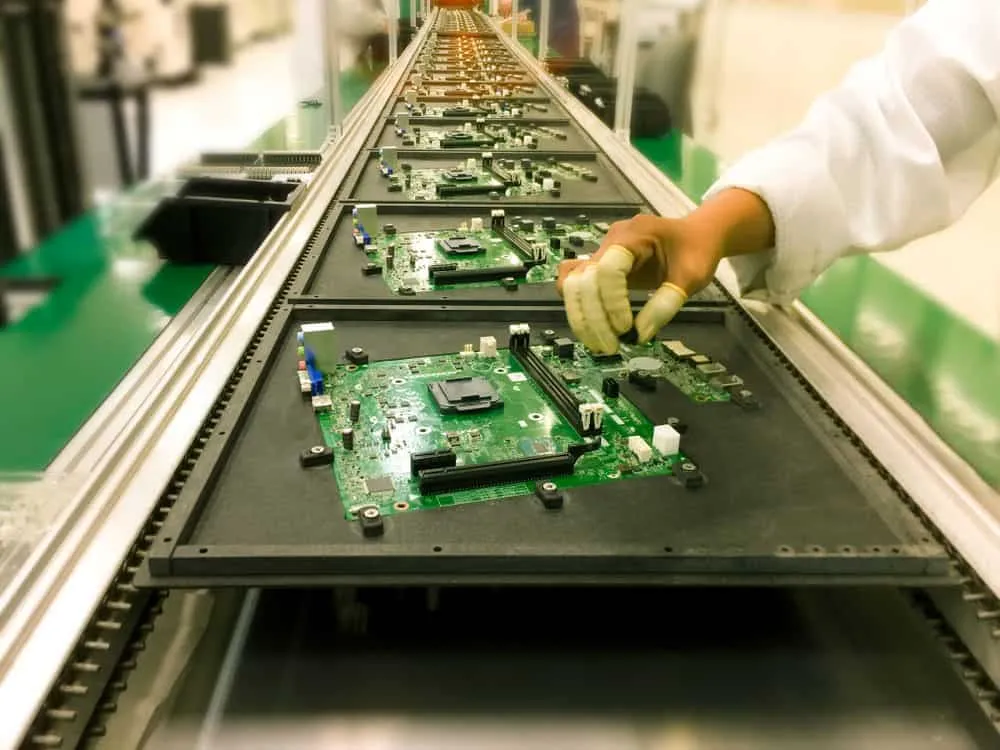
Where AOI Fits in a Broader Manufacturing Flow
AOI works best when the rest of the manufacturing package is also controlled. If you want to review fabrication outputs before assembly, use the Gerber Viewer to check layers and data integrity before production release.
On complex builds, AOI is commonly paired with SMT assembly controls, selective manual review, and downstream electrical test. That combination helps buyers contain visible defects early while still covering the limits of purely optical inspection.
Related Manufacturing Services
Many buyers who ask for AOI inspection are actually sourcing a broader manufacturing package. These services are the usual next step.
PCBA Quality Assurance
FAI, PFMEA, 8D, and release documentation support when AOI findings need buyer-ready quality records.
View serviceSMT Assembly Services
Surface mount assembly support where AOI is commonly deployed as an inline quality gate.
View servicePCB Assembly (PCBA)
Broader assembly support when AOI is one part of a larger manufacturing workflow.
View serviceThrough-Hole PCB Assembly
Mixed-technology builds that may combine optical inspection with selective soldering and manual review.
View serviceEMS Provider
Single-source manufacturing when inspection needs to fit sourcing, assembly, test, and system integration.
View serviceAOI Inspection Service FAQ
These are the questions commercial buyers usually ask when they are deciding whether AOI belongs in the quote package.
What defects can your AOI inspection service catch?
AOI is effective for visible PCB assembly defects including missing or skewed components, polarity errors, lifted leads, tombstoning, solder bridges, and many visible solder-volume problems. Hidden-joint issues still require the correct supplemental process such as X-ray inspection or electrical test.
Is AOI useful for prototype and low-volume builds?
Yes. AOI is often most useful on prototype and NPI builds because it gives buyers fast feedback on placement, polarity, and visible solder quality before the assembly process is repeated at larger scale.
When should AOI be paired with X-ray inspection?
AOI should be paired with X-ray when the build includes BGAs, LGAs, bottom-terminated packages, or other hidden joints that cannot be verified optically. The two methods solve different inspection problems and often work best together.
What files do you need to set up AOI?
The best setup package includes Gerber or ODB++ data, BOM, centroid file, assembly drawings, polarity markings, approved alternates, and any deviation notes. Better input data reduces both programming time and false-call rates.
Does AOI replace manual inspection?
No. AOI improves repeatability for visible checks, but engineering review and manual verification still matter for borderline calls, unusual packages, and root-cause analysis.
Can AOI findings help improve assembly yield?
Yes. When AOI findings are tied back to stencil design, feeder setup, placement offsets, and operator instructions, they become a practical yield-improvement tool rather than only a screening step.
Add AOI Inspection to Your Next PCB Assembly Build
Send your build package and inspection requirements. We will review the board type, package mix, likely inspection coverage, and where AOI should sit in the manufacturing flow.