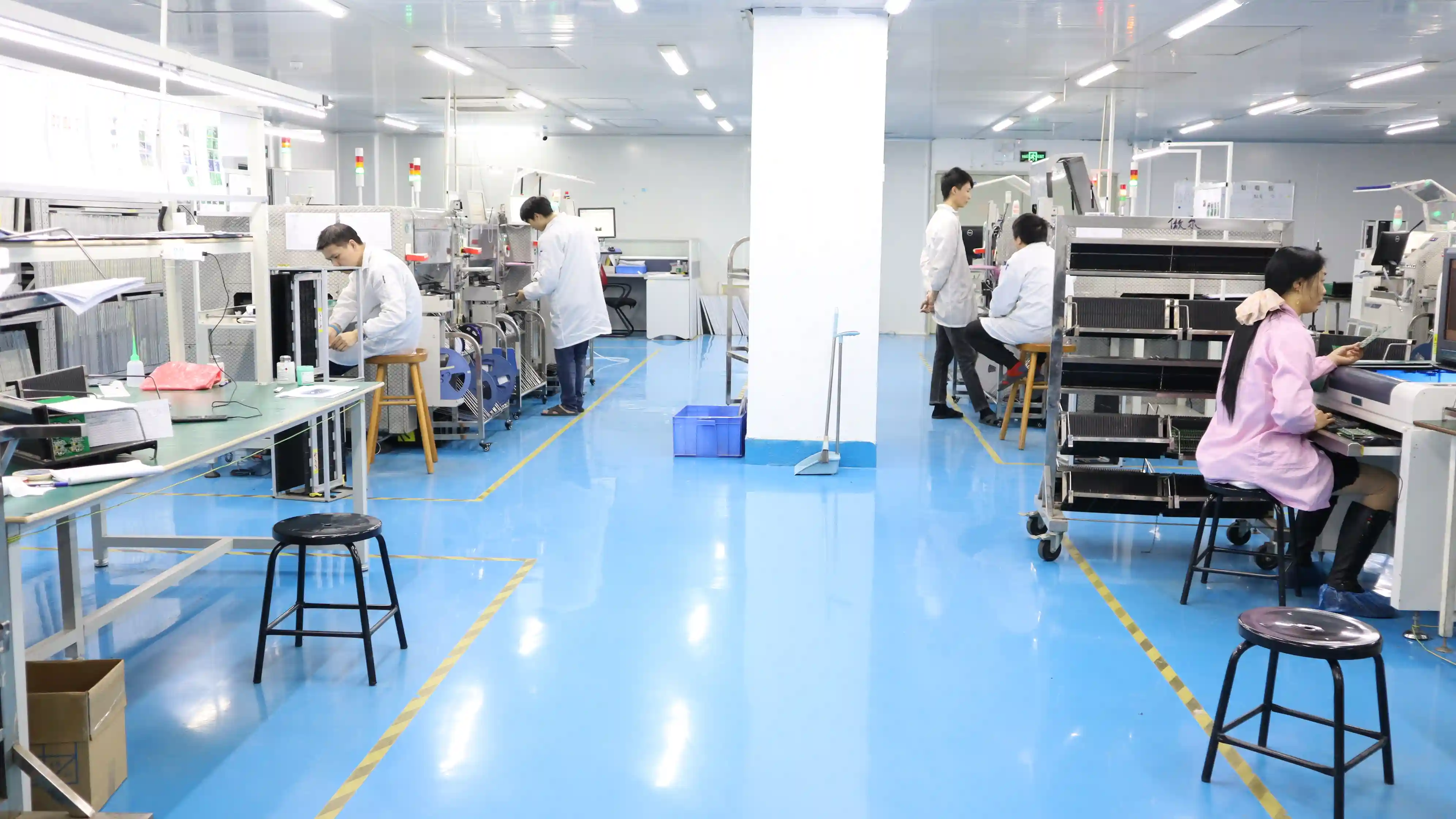
BOM Sourcing + SMT + Test Evidence
Turnkey PCB Assembly for Buyers Who Need One Accountable Build Path
PCBInsider turns released Gerber, BOM, centroid, and assembly data into a controlled turnkey PCBA build. The differentiator is sourcing discipline: we review AVL gaps, strategic ICs, consigned exceptions, inspection needs, and shipment evidence before SMT release.
ISO 9001:2015
Quality system reference
8
SMT production lines
30M+
Daily placement capacity
24 hours
Quick-turn quote review
TL;DR
- Turnkey PCBA fits released designs where the supplier can own sourcing, assembly, inspection, and shipment evidence.
- Hybrid consigned control is safer when rare ICs, programmed parts, or customer-mandated distributors remain buyer-owned.
- Quote-ready packages need Gerber or ODB++, BOM, centroid, AVL rules, assembly drawing, IPC class, and test requirements.
- PCBInsider reviews sourcing risk before SMT release, not after shortages or substitutions appear on the line.
Turnkey PCBA Is a Control Model, Not a Shortcut
Turnkey PCB assembly is a manufacturing model where the assembler buys components, controls the bare board build, assembles the PCBA, and releases inspection evidence under one purchase path. A bill of materials is the engineering and purchasing record that tells the factory exactly what must be bought, approved, substituted, or consigned. A PCBA is a populated circuit board that has moved from fabrication into soldering, inspection, and electrical verification.
Neutral references help buyers separate standards context from supplier claims. The electronics standards body IPC is commonly cited for IPC-J-STD-001 soldering and IPC-A-610 acceptability expectations, ISO 9000 explains quality-management system principles, and the RoHS directive frames restricted-substance expectations for electronic parts.
BOM Sourcing and AVL Review
Turnkey PCB assembly starts with a line-by-line BOM review. We check manufacturer part numbers, approved alternates, lifecycle risk, moisture sensitivity, and package fit before purchasing parts for SMT release.
Bare Board and SMT Ownership
PCB fabrication, stencil planning, solder paste printing, pick-and-place, reflow, AOI, and X-ray checks can be managed under one build traveler so the PCBA lot is not split across unrelated suppliers.
Turnkey, Consigned, or Hybrid
We help buyers decide which parts should be supplier-purchased and which should stay consigned. Strategic ICs, programmed devices, allocated connectors, and safety parts often need tighter buyer approval.
Quote Evidence, Not Guesswork
A turnkey quote should expose material risk, no-substitute lines, AVL gaps, test coverage, and packaging requirements. That makes price review useful for engineering and purchasing at the same time.
Inspection and Test Alignment
SPI, AOI, X-ray, ICT, functional test, first article records, and lot traceability are selected according to package risk, IPC class, production volume, and the buyer's release checklist.
Shipment-Ready PCBA Programs
Finished PCBAs can move into coating, programming, cable integration, box build, packaging, and export shipment when the purchase order defines the full product boundary up front.
Capability Scope and Limits
Service focus
Turnkey PCB assembly with component sourcing, bare PCB fabrication, SMT, inspection, and shipment coordination
Best-fit stage
Released EVT, DVT, pilot, bridge, and production builds with stable BOM rules
Input package
Gerber or ODB++, BOM, centroid, AVL, assembly drawing, test plan, IPC class, and packaging notes
Assembly scope
SMT, through-hole, mixed technology, BGA/QFN review, conformal coating by request, and programming by request
Sourcing model
Turnkey, consigned, or hybrid control for critical ICs, connectors, and customer-owned inventory
Quality references
IPC-J-STD-001 soldering expectations, IPC-A-610 acceptance criteria, ISO 9001:2015 quality-system discipline
Inspection options
SPI, AOI, X-ray for hidden joints, ICT, functional test, first article checks, and serialization
Lead-time signal
24-hour quote review for complete data; production timing depends on BOM availability and test scope
Out of scope
Unapproved substitutions, undocumented counterfeit-risk sourcing, and production release from incomplete BOM data
Turnkey or Hybrid Decision Filter
Turnkey
Stable BOM with approved alternates
Supplier can buy efficiently and own shortage recovery with documented approval rules.
Hybrid
Allocated MCU or programmed IC
Buyer may consign the IC while the supplier buys passives, connectors, and bare boards.
Consigned or hybrid
Customer-mandated distributor
The purchase path is controlled by the buyer, so supplier substitution must be blocked.
Hybrid first
NPI with frequent schematic changes
Keep strategic parts flexible until EVT or DVT stabilizes the BOM and firmware.
Turnkey EMS
Box build with harnesses included
One supplier can align PCBA, wiring, enclosure fit, labels, final test, and shipment records.
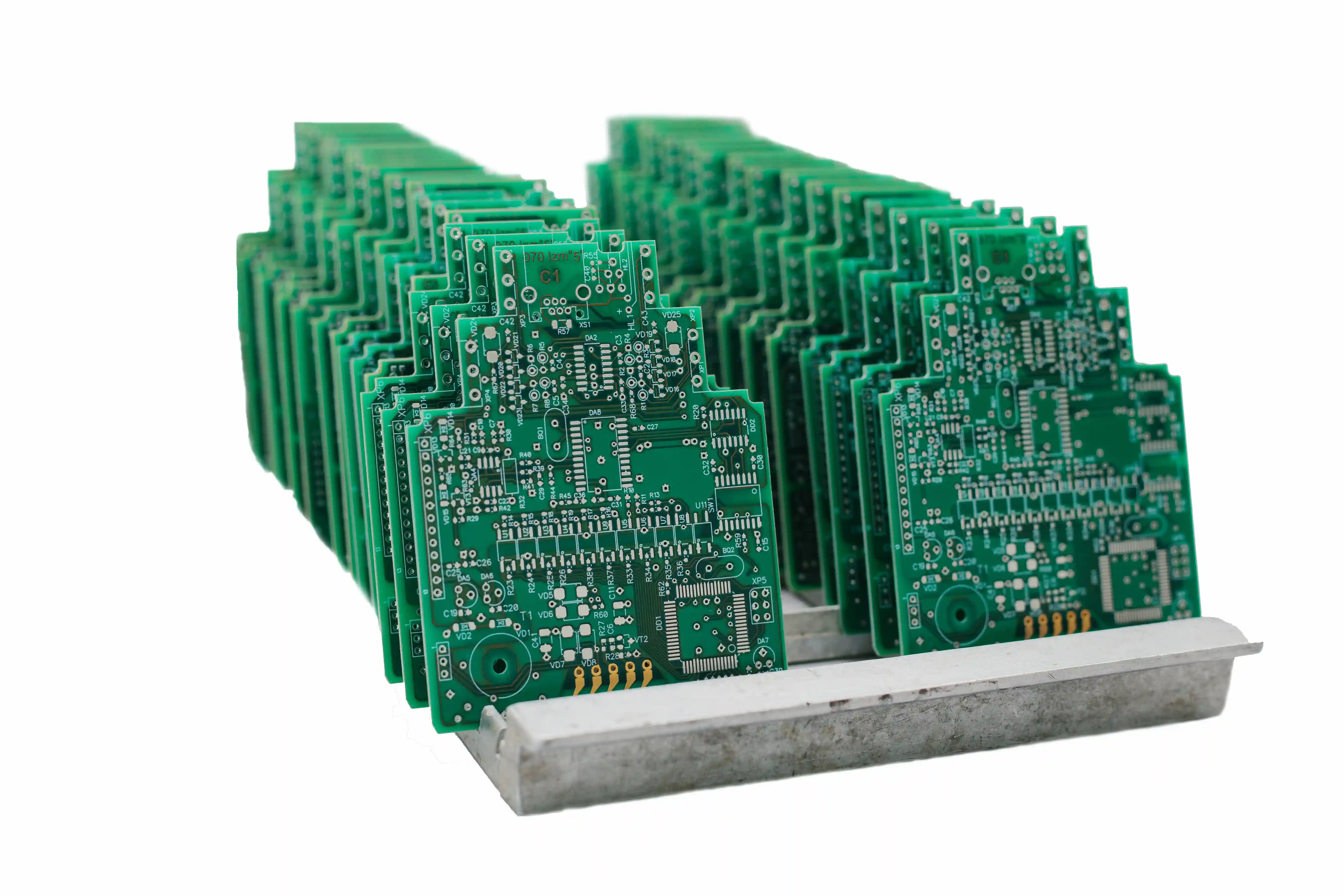
How the Turnkey PCBA Workflow Runs
A disciplined turnkey workflow makes sourcing, process, and quality decisions visible before production. It also gives buyers a clean handoff to related work such as PCB component sourcing, conformal coating, ICT testing, and box build assembly.
Step 1
RFQ package review
Engineering checks Gerber or ODB++ files, BOM, centroid, assembly drawings, IPC class, and test requirements before the quote is treated as turnkey.
Step 2
BOM risk and sourcing plan
Purchasing flags long-lead items, obsolete parts, single-source lines, MSL handling, approved alternates, no-substitute parts, and buyer-consigned exceptions.
Step 3
DFM and assembly release
The team aligns stencil strategy, panelization, fiducials, polarity marking, BGA review, solder profile needs, and inspection points before production files are released.
Step 4
SMT, THT, and inspection
PCBAs move through solder paste printing, placement, reflow, through-hole processing when required, AOI, X-ray for hidden joints, and agreed electrical test.
Step 5
FAI and production evidence
First article evidence, deviations, test records, lot traceability, and packaging checks are reviewed before the lot moves to shipment or system integration.
Standards, Evidence, and Release Controls
Turnkey PCB assembly should connect procurement records to manufacturing evidence. The purchase order should define the IPC class, soldering standard, inspection depth, RoHS status, substitution rules, and test records that must ship with the lot.
BOM Release
Manufacturer part number, package, tolerance, voltage rating, MSL status, and no-substitute rules must be visible before buying parts.
Quality Release
IPC-J-STD-001, IPC-A-610, first article checks, AOI, X-ray, and ICT are selected by assembly risk and volume.
EMS Boundary
Turnkey PCBA can extend to cable integration, labels, enclosure fit, packaging, and shipment when the RFQ defines those outputs.
Turnkey PCB Assembly FAQ
What is turnkey PCB assembly?
Turnkey PCB assembly is a PCBA service where the supplier manages component sourcing, bare board fabrication, SMT assembly, inspection, testing, and shipment under one controlled build package. The buyer still owns design approval, AVL rules, IPC class, and test acceptance. A quote-ready turnkey PCBA package usually includes Gerber or ODB++, BOM, centroid, assembly drawing, approved alternates, RoHS or leaded requirement, and target quantity.
I need 200 turnkey PCB assemblies for an IoT pilot. Should I consign the MCU?
A 200-piece IoT pilot often works best as a hybrid turnkey build when the MCU is allocated, programmed, or customer-approved. Consign the MCU if firmware loading, date-code limits, or distributor control are critical, then let PCBInsider source passives, connectors, the bare PCB, and standard hardware. That split keeps strategic risk under buyer control while still reducing sourcing work across the rest of the BOM.
What files do you need for a turnkey PCBA quote?
A complete turnkey PCBA quote needs Gerber or ODB++, NC drill data, BOM with manufacturer part numbers, centroid data, assembly drawing, approved vendor list, no-substitute lines, acceptable alternates, IPC class, test plan, packaging rules, and target lead time. Missing alternates can add 2 to 10 working days because purchasing must ask engineering before quoting substitute parts.
How do I prevent silent substitutions in turnkey PCB assembly?
Prevent silent substitution by locking manufacturer part numbers, allowed alternates, distributor rules, and written approval triggers before the purchase order is released. IPC-J-STD-001 and IPC-A-610 control workmanship expectations, but they do not decide whether a capacitor, connector, regulator, or crystal is an approved substitute. For high-risk ICs, require traceable distributor invoices, date-code limits, MSL handling records, and buyer approval before SMT release.
Is turnkey PCB assembly faster than consigned assembly?
Turnkey PCB assembly is faster only when the BOM is complete, common parts are available, and alternates are already approved. Consigned assembly can be faster when the buyer already owns scarce ICs or programmed devices. For prototype and NPI work, PCBInsider usually reviews both paths in the first 24-hour quote cycle because material availability, not placement speed, often controls the actual delivery date.
Can turnkey PCB assembly include box build or wire harness integration?
Yes, turnkey PCBA can extend into conformal coating, firmware loading, wire harness integration, enclosure assembly, labels, packaging, and final functional test. When the build includes wiring, define IPC/WHMA-A-620 workmanship expectations and connector test requirements in the purchase order. When the build includes enclosures, add torque values, label artwork, ESD packaging, and serial traceability rules before first article approval.
When should I avoid turnkey PCB assembly?
Avoid full turnkey control when the schematic is still changing weekly, the BOM has unapproved alternates, strategic ICs are customer-owned, or regulatory evidence depends on a specific distributor path. In those cases, use a hybrid or consigned model until EVT or DVT stabilizes the design. Turnkey becomes stronger after the AVL, test plan, IPC class, and substitution rules are released.
Related Services
PCB Assembly
Use this page for broad SMT, through-hole, BGA, and mixed-technology assembly capability.
Learn MoreSMT Assembly
Dedicated surface mount assembly for fine-pitch and production PCB builds.
Learn MoreIndustrial PCB Assembly
Turnkey-ready control board PCBA for machinery electronics and automation programs.
Learn MorePCB Quote
Send Gerber, BOM, centroid, and assembly notes for fast engineering review.
Learn MoreBox Build Assembly
Extend turnkey PCBA into harness routing, enclosure integration, and final test.
Learn MoreGet a Turnkey PCB Assembly Quote
Send your Gerber or ODB++ files, BOM, centroid data, approved vendor list, test plan, and target quantity. We will review sourcing risk, assembly fit, and quote boundaries before production release.