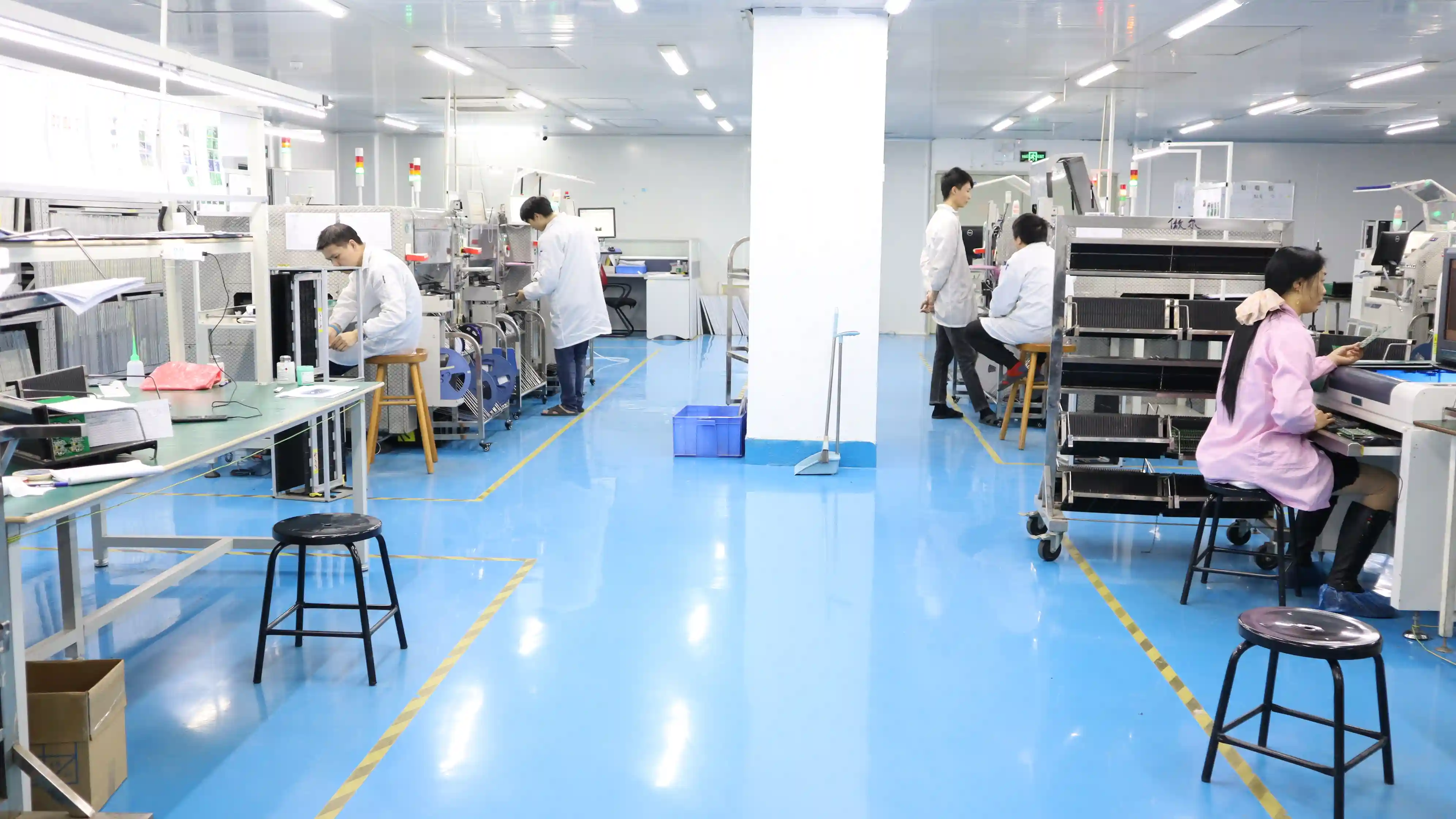
Control Board and Machinery Electronics PCBA
Industrial PCB Assembly for Control Boards That Cannot Fail Quietly
PCBInsider builds industrial PCB assemblies where connector fit, relay selection, sourcing continuity, inspection evidence, and delivery visibility matter as much as SMT placement. Use this service when your board belongs inside equipment, not on a lab bench.
SMT + THT
Mixed Assembly
AOI + X-Ray
Inspection Path
IPC-A-610
Workmanship Reference
Multi-Category
PCBA + Sourcing
TL;DR
- Industrial PCB assembly is PCBA for control boards, automation modules, machinery electronics, and field-serviceable equipment.
- Best-fit projects combine SMT, through-hole parts, connectors, relays, sourcing risk, and inspection evidence.
- Send Gerber, BOM, centroid, assembly drawings, quantity, test notes, and operating-environment constraints.
- We support turnkey, consigned, or hybrid sourcing when ICs, relays, or connectors need buyer approval.
Industrial PCBA Has Different Failure Modes Than Consumer PCBA
Industrial PCB assembly is a manufacturing service for printed circuit board assemblies used in control equipment, factory automation, sensors, motor drives, power interfaces, and machinery electronics. A printed circuit board is the physical platform that carries the circuit, but the buyer is usually worried about uptime, maintenance access, and whether the board will survive inside a cabinet, vehicle, or machine.
Surface-mount technology is an assembly method that places components directly on PCB pads, while through-hole assembly is a process for leaded parts that pass through drilled holes. Industrial boards often need both. We tie surface-mount technology to connector retention, selective soldering access, and downstream test instead of quoting placement alone.
Control Board PCBA
Industrial PCB assembly covers controller boards, sensor interfaces, relay boards, HMI electronics, motor-control modules, and power-adjacent assemblies.
Mixed SMT and Through-Hole
Many industrial boards combine fine-pitch ICs with terminal blocks, transformers, relays, headers, and high-retention connectors.
BOM and Component Sourcing
Industrial programs often fail at obsolete ICs, relays, connectors, and second-source gaps.
Inspection for Field Reliability
AOI, X-ray for hidden joints, microscope review, electrical checks, and first-article review help contain solder, polarity, and placement defects before.
Protection Options
Industrial PCBA can move into conformal coating, potting, cleaning, labeling, serialization, or box build when moisture, vibration, dust, and service access.
Supply-Chain Consolidation
For OEMs buying harnesses, components, and PCBAs separately, one coordinated manufacturing path reduces logistics handoffs.
Capability Scope and Limits
Primary scope
Industrial control boards, automation modules, sensor PCBA, relay boards, HMI electronics
Assembly process
SMT, through-hole, mixed technology, connector soldering, selective soldering by review
Package support
QFN, QFP, BGA, LGA, SOIC, SOT, 01005 passives, relays, terminal blocks
Board types
Rigid FR-4, aluminum PCB, flex or rigid-flex by application review
Inspection
AOI, X-ray for hidden joints, microscope review, first-article inspection, electrical test planning
Sourcing model
Turnkey, consigned, or hybrid BOM sourcing with approved alternates
Documentation
BOM control, revision notes, inspection records, test notes, packing and labeling requirements
Best fit
Prototype, NPI, bridge builds, and repeat production where reliability and delivery visibility matter
Out of scope
Safety certification ownership, firmware validation ownership, and equipment-level regulatory approval
A programmable logic controller is an industrial computer used to control equipment, and a human-machine interface is an operator panel that connects people to a machine. Those entities shape the PCBA quote because connectors, service access, and test coverage matter as much as component placement. For regulated safety marks, we can build evidence into the manufacturing record, but the final certification owner remains the product holder.
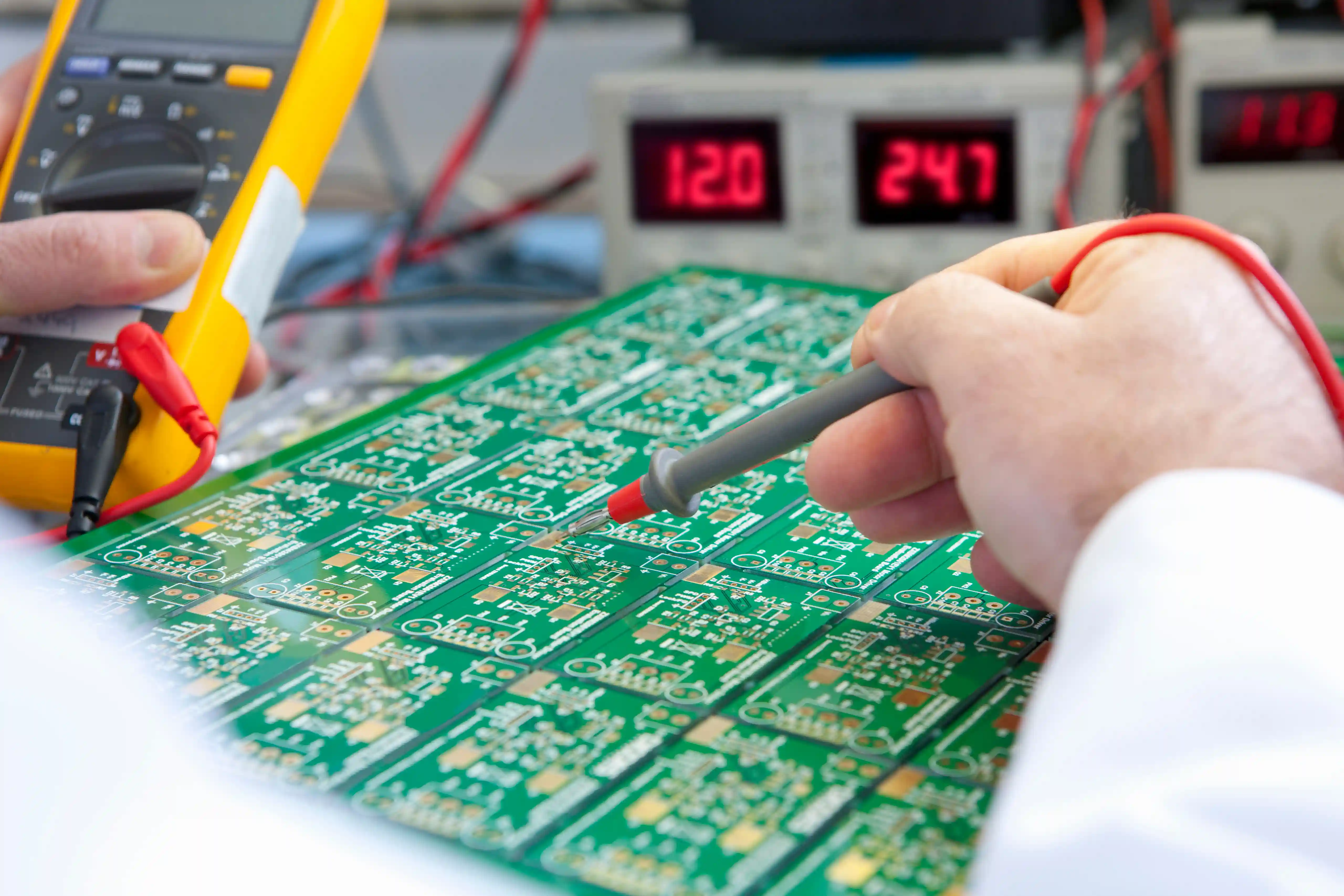
Hommer Zhao on Industrial PCBA Risk
"For industrial boards, I want to see the connector, enclosure, and test requirement before the quote is locked. A board can pass AOI and still fail the customer if the terminal block, relay, or firmware step was treated as somebody else's problem."
Process Built Around Release Risk
Industrial PCB assembly is best managed as a controlled release process. IPC is an electronics industry association that publishes widely used workmanship and assembly standards, and our quality planning aligns inspection decisions to that type of practical manufacturing evidence. See the public overview of IPC in electronics for standard-setting context.
Step 1
Review the industrial use case
We start with Gerber or ODB++, BOM, centroid data, assembly drawings, test expectations, operating environment, and any enclosure or harness interface notes.
Step 2
Separate PCB risk from sourcing risk
Engineering checks pad geometry, component orientation, solder access, thermal mass, and connector fit while sourcing reviews obsolete parts and approved.
Step 3
Build the SMT and THT route
The route defines solder paste printing, pick-and-place, reflow, selective or manual soldering, connector retention checks, cleaning, and optional coating.
Step 4
Inspect before integration
AOI, X-ray, microscope review, electrical screening, and first-article checks are matched to board risk rather than treated as a generic final gate.
Step 5
Release with clear delivery status
Industrial buyers need schedule visibility. We align split shipments, inspection notes, packing requirements, and follow-up actions before boards leave.
Which Buying Path Fits Your Program?
Industrial buyers usually compare three paths: general PCBA, industrial-focused PCBA, and EMS. The right choice depends on how much of the product risk sits outside ordinary soldering.
General PCBA
Broad board assembly service
Best when the board has ordinary risk and no special industrial integration constraints.
Industrial PCBA
Control boards, machinery electronics, automation modules
Best when connectors, relays, field environment, sourcing continuity, and test evidence matter.
EMS program
PCBA plus harnesses, enclosure, firmware loading, and final packing
Best when one supplier must coordinate the full product build beyond the board.
The European Union's RoHS framework is a useful example of why buying scope must be explicit: material compliance, sourcing records, and assembly workmanship are related but not identical requirements. The public RoHS overview explains the restricted-substances context buyers often reference in industrial electronics RFQs.

What To Send For a Useful Quote
A useful industrial PCBA quote needs the files that define both assembly and field risk. Send Gerber or ODB++, BOM with manufacturer part numbers, centroid data, assembly drawings, quantities, target lead time, test requirements, and notes about enclosure fit or cable interfaces.
If you already know the board will continue into cables or a box build, include that scope early. Our electronics manufacturing services team can quote PCBA, harnesses, enclosure integration, and final packing as one controlled program when that reduces buyer risk.
Industrial PCB Assembly FAQ
Answers for procurement engineers comparing industrial PCBA suppliers before releasing an RFQ package.
What is industrial PCB assembly?
Industrial PCB assembly is PCBA manufacturing for control boards, automation modules, sensor interfaces, relay boards, and machinery electronics. The service usually combines SMT, through-hole soldering, connector review, BOM sourcing, AOI, X-ray when hidden joints are present, and electrical test planning. Buyers should send Gerber or ODB++, BOM, centroid data, assembly drawings, quantities, and operating-environment notes so the quote reflects real industrial risk.
How is industrial PCBA different from standard PCB assembly?
Industrial PCBA puts more weight on connectors, relays, terminal blocks, thermal mass, vibration exposure, service life, and sourcing continuity than a standard consumer board. A 4-layer controller with large terminal blocks may need selective soldering and retention review even if the SMT side looks simple. We use IPC-A-610 workmanship expectations, AOI, and targeted X-ray or microscope review based on package risk.
I need a replacement control board for machinery. Can you build from partial files?
We can review partial files, but a production quote needs enough data to control revision and assembly risk. The useful package includes Gerber files, BOM with manufacturer part numbers, centroid data, board photos, connector notes, firmware-loading requirements, and target quantity. If the original IC is constrained, as with a hard-to-source microcontroller in one industrial case, alternate approval must be handled before release.
Do you support turnkey sourcing for industrial PCB assembly?
Yes. We support turnkey, consigned, and hybrid sourcing for industrial PCB assembly. Turnkey works when approved alternates are clear and component risk can be managed by the supplier. Hybrid sourcing is often better when the buyer controls a programmed MCU, safety-critical relay, custom connector, or customer-owned inventory. The quote should define AVL rules, substitute approval, and any long-lead components before the first article.
Can one supplier handle PCB assembly and wire harnesses for industrial equipment?
Yes, that is often the better purchasing model for machinery electronics when board connectors, cable exits, panel wiring, and enclosure fit interact. In a representative industrial program, integrating PCB and PCBA manufacturing and consolidating multiple supply categories reduced separate supplier handoffs. The best package includes the PCBA data, harness drawings, connector mating details, labels, and any final functional test notes.
What quality checks are typical for industrial control board PCBA?
Typical industrial control board PCBA checks include solder paste process review for SMT, AOI after reflow, X-ray for BGA or hidden-joint packages, microscope review for high-risk solder joints, and electrical or functional test planning. Connector-heavy boards may also need pull, insertion, or retention checks at the assembly level. For repeat builds, first-article records and revision-controlled BOM notes are more useful than a generic final inspection report.
Related Services
Industrial PCB assembly often sits between board-level PCBA and broader EMS. These pages help define the correct scope before you request pricing.
PCB Assembly
Use the broad PCBA page for SMT, through-hole, BGA, and mixed-technology assembly capability.
Explore serviceSMT Assembly
Use this page when fine-pitch placement, stencil control, and reflow are the main buying concerns.
Explore serviceTurnkey PCB Assembly
Use turnkey PCBA when sourcing, bare boards, assembly, inspection, and shipment should stay under one supplier.
Explore serviceEMS Provider
Use EMS support when industrial PCBA continues into cables, box build, test, and final integration.
Explore serviceAerospace PCB Assembly
Use aerospace PCBA controls when industrial-grade boards evolve into avionics, UAV, or flight-test builds with stricter release evidence.
Explore serviceNeed an industrial PCBA quote with sourcing risk reviewed?
Send your files, quantity target, and operating-environment notes. We'll review assembly route, component risk, inspection path, and delivery constraints before pricing.