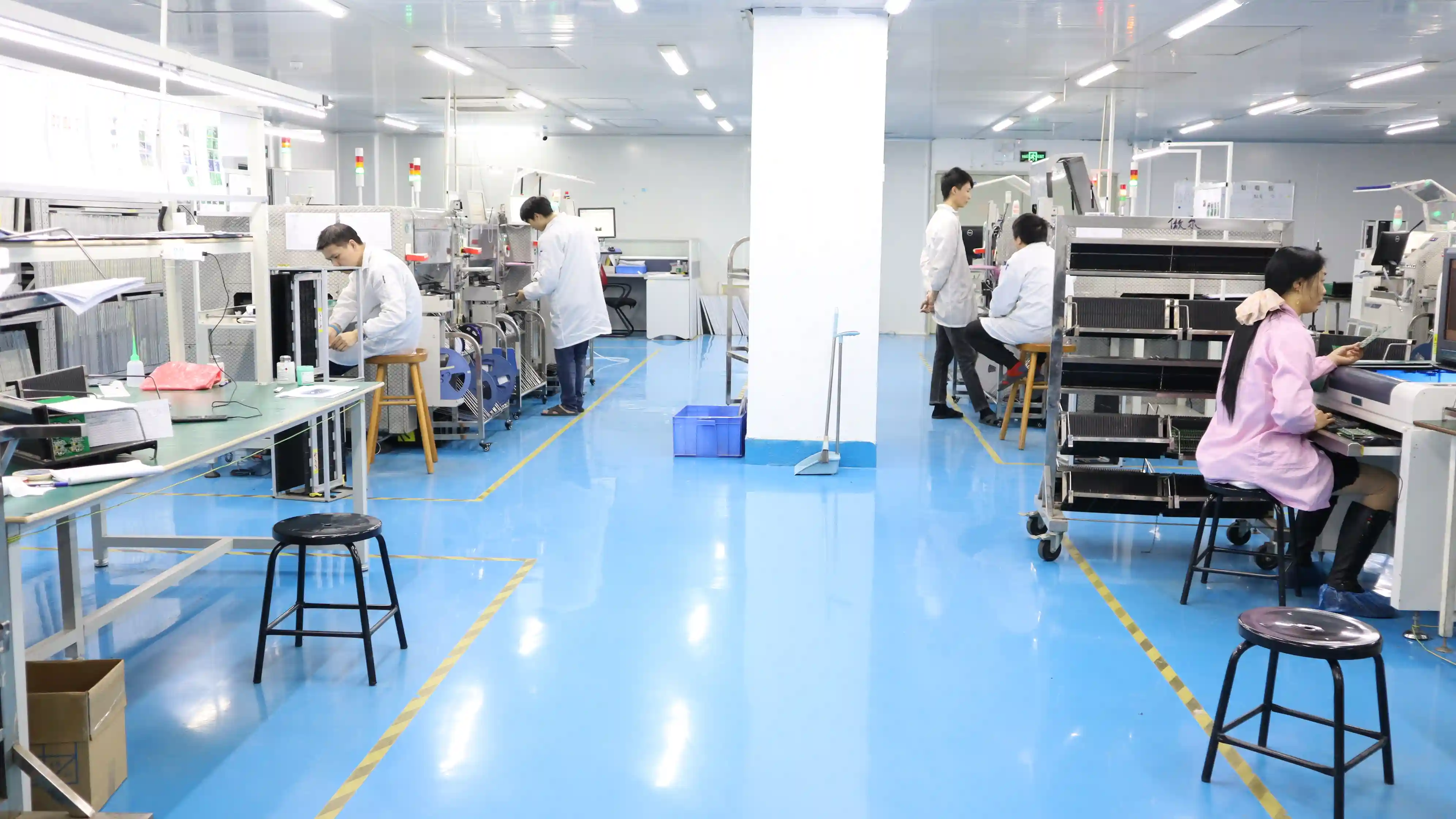
Masking, Cure Control, and UV-Aided Inspection
Conformal Coating Service for Field-Ready PCB Assemblies
PCBInsider provides conformal coating service for buyers who need PCB assemblies protected against moisture, dust, condensation, and corrosion without losing every path to inspection or rework. The differentiator is process control before coating: masking maps, IPC-CC-830-aware material selection, cure discipline, and release evidence tied to the PCBA revision.
25-75 um
Common dry-film target range
IPC-CC-830
Coating qualification reference
Masking Map
Connector and test-pad control
UV Review
Coverage inspection path
Coating Protects the Board Only After the Process Is Controlled
A conformal coating is a thin polymer film applied after PCB assembly to reduce exposure to moisture, dust, ionic contamination, fungus, and chemical splash. For commercial and industrial assemblies, buyers often evaluate dry-film targets around 25 to 75 micrometers and standards language such as IPC-CC-830, then ask how the supplier will prove the coating stayed off connectors and test access.
The best coating decision starts before the lot reaches final protection. IPC electronics standards context is useful, but the buyer still needs a practical release package: material, masking, cure, inspection, and revision control. That is why this service connects coating to PCBA quality assurance instead of treating the film as a cosmetic finish.
Coating Plan Based on the Failure Mode
Conformal coating only earns its cost when it protects against a named field risk such as condensation, dust, salt mist, chemical splash, or leakage.
Masking Map Before Application
Connectors, switches, test pads, mounting holes, shields, heat sinks, and programming points need explicit keep-outs.
Cleanliness and Cure Control
Coating should protect a known-good PCBA, not trap flux residue or solvent under a film.
UV-Aided Coverage Inspection
Many coating materials include UV tracers so operators can confirm coverage, bridging, pooling, thin edges, and missed keep-outs under controlled light.
Coating Versus Potting Decision Support
A thin conformal film keeps weight and rework access lower than encapsulation.
Buyer-Ready Release Package
For higher-risk PCB assembly programs, coating release can include material name, batch context, dry-film target, masking notes, cure confirmation.
Conformal Coating Scope and Limits
Service focus
Conformal coating for finished PCB assemblies after SMT, through-hole, inspection, and cleaning review
Best-fit projects
Industrial controls, outdoor electronics, medical support devices, telecom equipment, and transportation electronics
Coating chemistries
Acrylic, silicone, urethane, epoxy, and parylene selection by environment, rework need, and specification
Typical film target
Many commercial builds specify roughly 25 to 75 micrometers dry film, subject to material datasheet and drawing callout
Release inputs
Assembly drawing, coating keep-out map, material callout, test access needs, cleanliness expectation, and target environment
Process controls
Pre-coating inspection, masking, selective application, cure control, UV-aided coverage review, and release records
Standards context
IPC-CC-830 coating qualification awareness and IPC-A-610 workmanship review before coating hides defects
Out of scope
We do not use coating to fix poor creepage design, contaminated assemblies, or products that need full potting instead
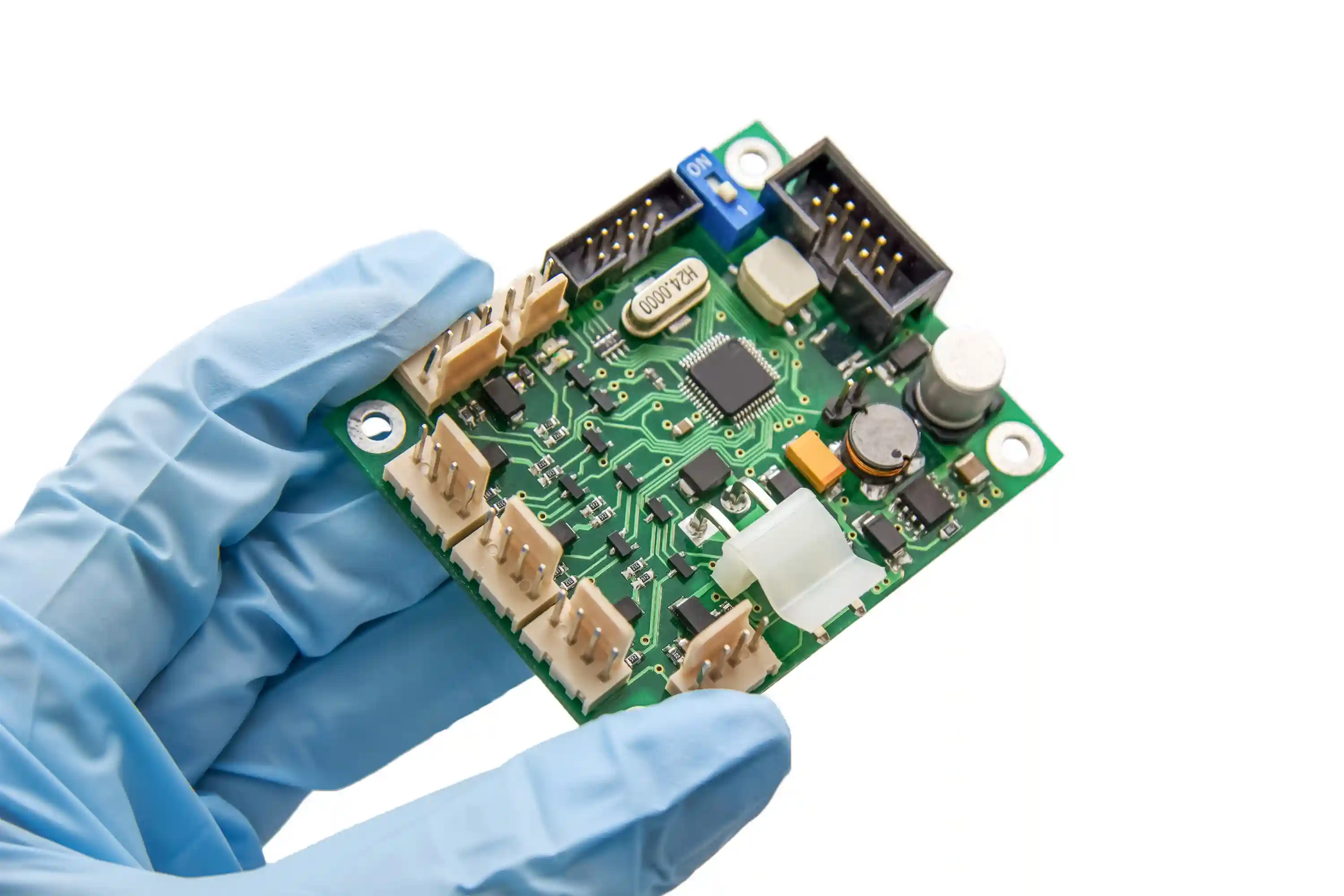
Best-fit service profile
This service fits PCBAs that need environmental margin while retaining lower weight and some rework access. If the real requirement is full cavity fill, mechanical reinforcement, or tamper resistance, our epoxy potting electronics service is the more direct protection path.
Coating Chemistry Selection Guide
Coating chemistry is a trade-off between protection, rework, process window, temperature behavior, and cost. A buyer who only writes apply conformal coating leaves too much interpretation to the production floor.
| Chemistry | Main value | Trade-off | Typical fit |
|---|---|---|---|
| Acrylic | Fast commercial default with easier rework | Moderate chemical resistance | General industrial and indoor electronics |
| Silicone | Good humidity and temperature cycling tolerance | Repair and removal can be slower | Outdoor, high-temperature, and transportation products |
| Urethane | Stronger abrasion and chemical resistance | Tighter process and rework window | Factory equipment, chemical exposure, and harsh service |
| Epoxy film | Hard durable coating with strong adhesion | Low flexibility and difficult repair | High-wear protected assemblies where rework is unlikely |
| Parylene | Very thin vapor-deposited film with strong coverage | Higher cost and specialized process route | Precision, medical support, and dense electronic modules |
The practical decision is not which material sounds strongest. A silicone coating can be better than acrylic for thermal cycling, but acrylic may be the smarter choice when the product needs easier repair. Parylene can cover dense geometry well, but the cost and specialized process route need to match the risk being reduced.
PCB Conformal Coating Workflow
The workflow is designed around buyer release decisions. Each stage reduces the chance that coating will hide a defect, block an interface, or add environmental protection that cannot be verified.
Step 1
Review field risk and coating specification
We review the assembly environment, coating note, material preference, voltage spacing, and serviceability expectations before deciding whether coating is.
Step 2
Check assembly readiness
The PCBA should pass visual inspection, revision review, and agreed electrical test before coating, because a cured film makes later diagnosis and rework.
Step 3
Create masking and keep-out controls
Engineering defines connectors, test points, switches, thermal interfaces, labels, and mechanical areas that must stay free of coating during application.
Step 4
Apply and cure the coating
The selected chemistry is applied by the agreed method, then handled through the required cure window so film formation and adhesion match the material path.
Step 5
Inspect coverage and release records
Operators inspect coverage, keep-outs, pooling, bridging, and cosmetic defects, then release the lot with the documentation level required by the buyer.

Authority References and Buyer Evidence
A buyer should be able to separate marketing claims from evidence. These public references help frame the technical discussion, while the actual quote package should define material, coating area, thickness target, cure path, and inspection records.
Conformal coating
Public technical background on coating materials, application methods, and protective function.
IPC electronics standards context
Background on IPC as the standards organization referenced by electronics assembly and coating documents.
NASA polymeric application workmanship
Public NASA standards page for staking and conformal coating workmanship on electronic assemblies.
Printed circuit board
Reference context for PCB construction and why coatings must match board geometry and assembly design.
Useful Before You Release a Coating Requirement
Conformal coating works best when the buyer defines the product risk, cleanliness expectation, and release evidence before the assembly lot is already waiting on shipment.
Conformal Coating for PCB Assembly
Material, masking, and inspection guide for buyers preparing a coating requirement.
Ionic Contamination Testing for PCB Assembly
Why residue control matters before protective coating traps contamination under the film.
First Article Inspection for PCB Assembly
How to approve the first production-representative boards before downstream coating or box build.
Related Manufacturing Services
Buyers usually request coating as one downstream step in a larger manufacturing plan that includes PCB assembly, inspection, potting trade-off review, and final enclosure integration.
PCB Assembly (PCBA)
Use this when coating belongs inside a full SMT, through-hole, inspection, and test workflow.
PCBA Quality Assurance
Add release evidence, first article review, and inspection records before coating limits rework access.
Epoxy Potting Electronics
Choose potting when the assembly needs deeper encapsulation, cavity fill, and stronger mechanical protection.
Box Build Assembly
Coordinate coating, wiring, enclosure integration, final test, and shipment-ready packaging.
PCB Conformal Coating FAQ
These are the questions buyers usually need answered before releasing a coating note to purchasing or production.
What files do I need for a PCB conformal coating service quote?
Send the assembly drawing, BOM, coating material callout if available, coating keep-out map, target environment, annual quantity, and any inspection requirement. A Gerber package helps when keep-outs relate to test pads, connectors, mounting holes, or high-voltage spacing. If the drawing only says conformal coat, we will ask for the missing details before release because coating thickness, masking, cure, and inspection criteria need to be defined before the first lot.
What dry-film thickness should I specify for conformal coating on a PCBA?
Many acrylic, urethane, and silicone conformal coating builds use a dry-film target around 25 to 75 micrometers, but the correct number depends on chemistry, datasheet guidance, voltage stress, edge geometry, and customer specification. Parylene coatings can be thinner, while special protection targets may need a different range. The practical quoting question is whether the drawing defines both the target thickness and the measurement method.
I need 300 coated PCB assemblies for outdoor industrial sensors. Is conformal coating enough?
Conformal coating is often a good fit for 300 outdoor industrial sensor PCBAs if the enclosure already controls direct water entry and the coating is meant to reduce condensation, dust, corrosion, or leakage risk. If the sensor cavity needs complete fill, impact support, or cable-exit sealing, epoxy potting may be better. We usually compare coating against potting using the field environment, rework requirement, connector exposure, and expected service life.
How do you prevent coating from blocking connectors or test pads?
A masking map prevents coating from blocking connectors, switches, test pads, heat sinks, and programming points. The map should identify every keep-out before application, and operators should inspect those locations after cure. On higher-risk builds, buyers can request retained photos or first-article evidence by lot. This is especially important when coated boards still need ICT, functional test, firmware loading, or enclosure grounding after the coating step.
Should conformal coating happen before or after PCBA inspection?
Conformal coating should happen after the PCBA has passed the agreed inspection and test gates. IPC-A-610-style workmanship review, AOI, X-ray where needed, and functional checks are easier before coating changes visibility and rework access. Coating a board with a weak solder joint, wrong revision, or unverified residue can hide the failure mechanism. The coating process should protect a known-good assembly rather than turn uncertainty into a cured product.
How is conformal coating different from epoxy potting for electronics?
Conformal coating is a thin protective film, commonly measured in micrometers, that follows the board surface while preserving lower weight and better service access. Epoxy potting fills a cavity or module area in millimeters and usually adds stronger sealing, mechanical support, and tamper resistance. Choose coating when moisture, dust, or corrosion risk is moderate and rework may still matter. Choose potting when the assembly needs deeper encapsulation or cable-exit reinforcement.
Need a conformal coating quote for a real PCBA build?
Send the assembly drawing, coating note, keep-out requirements, target environment, and quantity. PCBInsider will review whether coating, potting, or a combined protection plan gives the lowest manufacturing risk for your board.