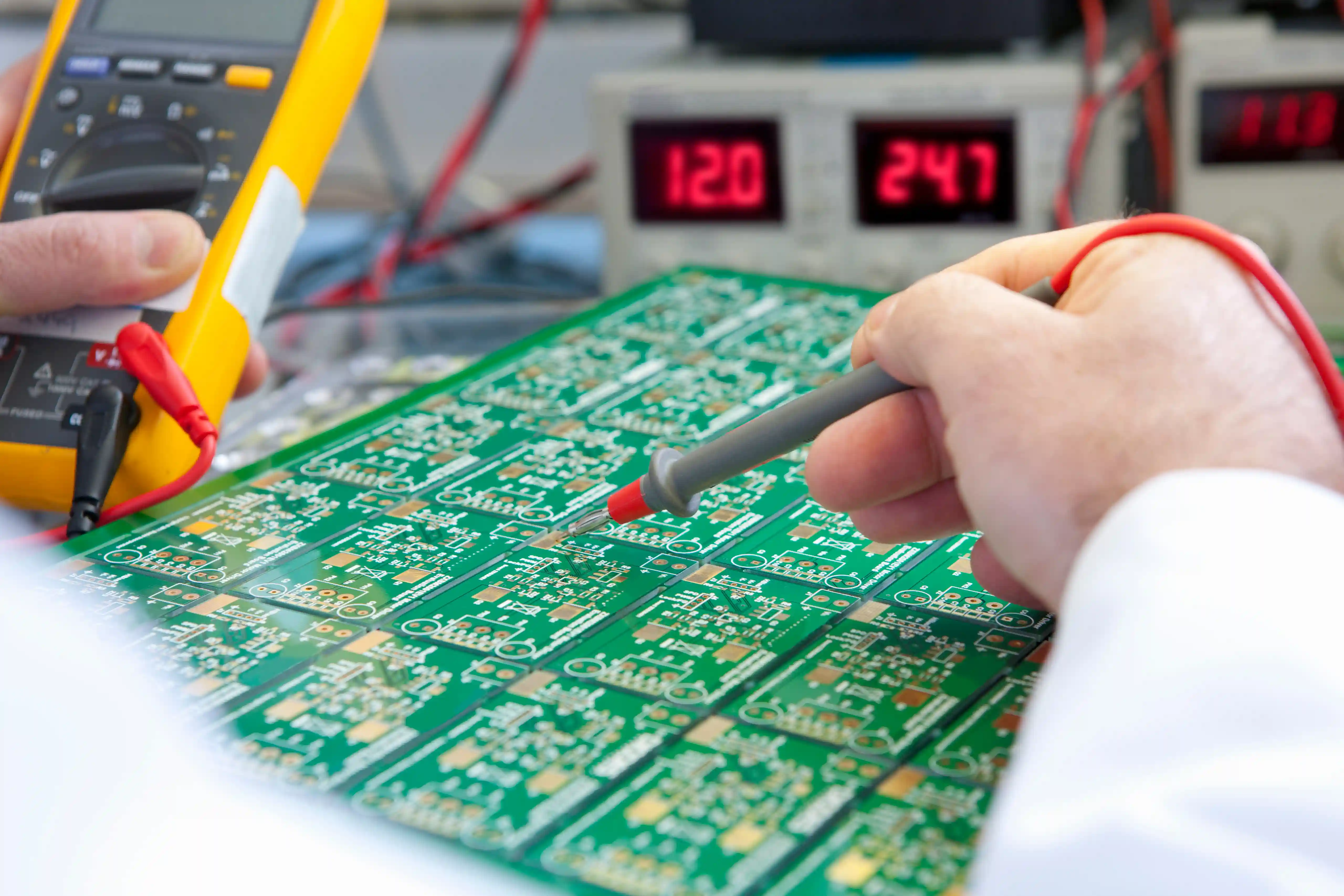
Firmware, Fixture Readiness, and Pass/Fail Evidence
PCBA Programming and Functional Testing for Release-Ready Builds
PCBInsider supports PCBA programming and functional testing when shipment acceptance depends on the firmware version, powered behavior, serial traceability, and fixture-controlled release evidence. The differentiator is coverage mapping before the lot runs: programming, ICT, boundary scan, X-ray, and final function each get a clear job.
IPC-A-610
PCBA acceptability context
100%
Program-and-test gate by request
Serial ID
Firmware and result traceability
24 hours
Quote review for complete files
TL;DR
- PCBA programming loads released firmware, verifies the checksum, and ties the result to a board serial or lot ID.
- Functional testing checks powered behavior, I/O response, communication, LEDs, sensors, and current draw after assembly.
- This service fits production PCBAs where shipment acceptance depends on firmware version and pass/fail evidence.
- PCBInsider separates programming, ICT, boundary scan, and final functional test so buyers do not pay for duplicate coverage.
Programming Is a Release Control, Not a Last-Minute Bench Task
PCBA programming is the controlled process of loading an approved firmware image onto a populated circuit board and recording whether the memory write, boot response, and checksum match the release requirement. A functional test is a powered production check that confirms the assembled board behaves correctly through defined inputs, outputs, communication paths, and current limits. A test fixture is the controlled interface that makes those checks repeatable across a pilot or production lot.
The standards context matters because workmanship, test access, and software identity are different risks. IPC is commonly referenced for IPC-A-610 and IPC-J-STD-001 assembly expectations, ISO 9000 explains quality-management discipline, and JTAG describes a common debug, programming, and boundary-scan access path used on digital PCB assemblies. NIST's public firmware glossary is useful when procurement teams need shared language for software stored inside hardware during release review.
Firmware Loading With Version Control
Programming is released from a named firmware image, checksum, board revision, and connector or pad map. That prevents operators from flashing the wrong file after an ECO or customer update.
Powered Functional Test
Functional test verifies the PCBA behavior that inspection cannot see: boot sequence, current draw, switch response, sensor input, relay actuation, communication, indicator output, and basic calibration windows.
Fixture Readiness Before Volume Release
A test fixture is treated as a controlled production tool. We review contact access, golden-unit behavior, software version, operator prompts, measurement limits, and false-fail risk before repeat builds.
Serial and Lot-Level Evidence
Higher-risk programs can link board serial, lot ID, firmware revision, programming result, functional-test result, and packing list so field returns have a traceable production record.
Coverage Split With ICT and Boundary Scan
Programming and functional test do not replace every electrical screen. We map digital nets, analog measurements, hidden solder joints, and powered behavior to the most useful inspection gate.
Buyer-Readable Release Package
The release package can include fixture ID, test script version, firmware checksum, pass/fail log, deviations, rework notes, and first-article approval for the exact PCBA revision.
Capability Scope and Limits
Service focus
PCBA firmware programming, powered functional testing, fixture readiness review, and release evidence
Best-fit stage
EVT, DVT, pilot, bridge, and production builds where firmware version or powered behavior controls shipment acceptance
Input files
Firmware image, checksum or version ID, programming method, test procedure, limits, golden unit rules, BOM, centroid, Gerber or ODB++
Supported interfaces
JTAG, SWD, UART, USB, ISP headers, pogo-pin pads, bootloader access, and customer-defined production connectors by review
Functional checks
Boot, current draw, voltage rails, LEDs, buttons, relays, sensors, communication, calibration, and customer-defined I/O behavior
Quality references
IPC-A-610 acceptability context, IPC-J-STD-001 soldering expectations, ISO 9001:2015 quality-system discipline
Evidence options
Firmware version, checksum, serial number, fixture ID, test script version, pass/fail log, deviation notes, and shipment lot
Out of scope
Unreleased firmware debugging, product certification testing, RF conformance testing, and software development without buyer-approved requirements
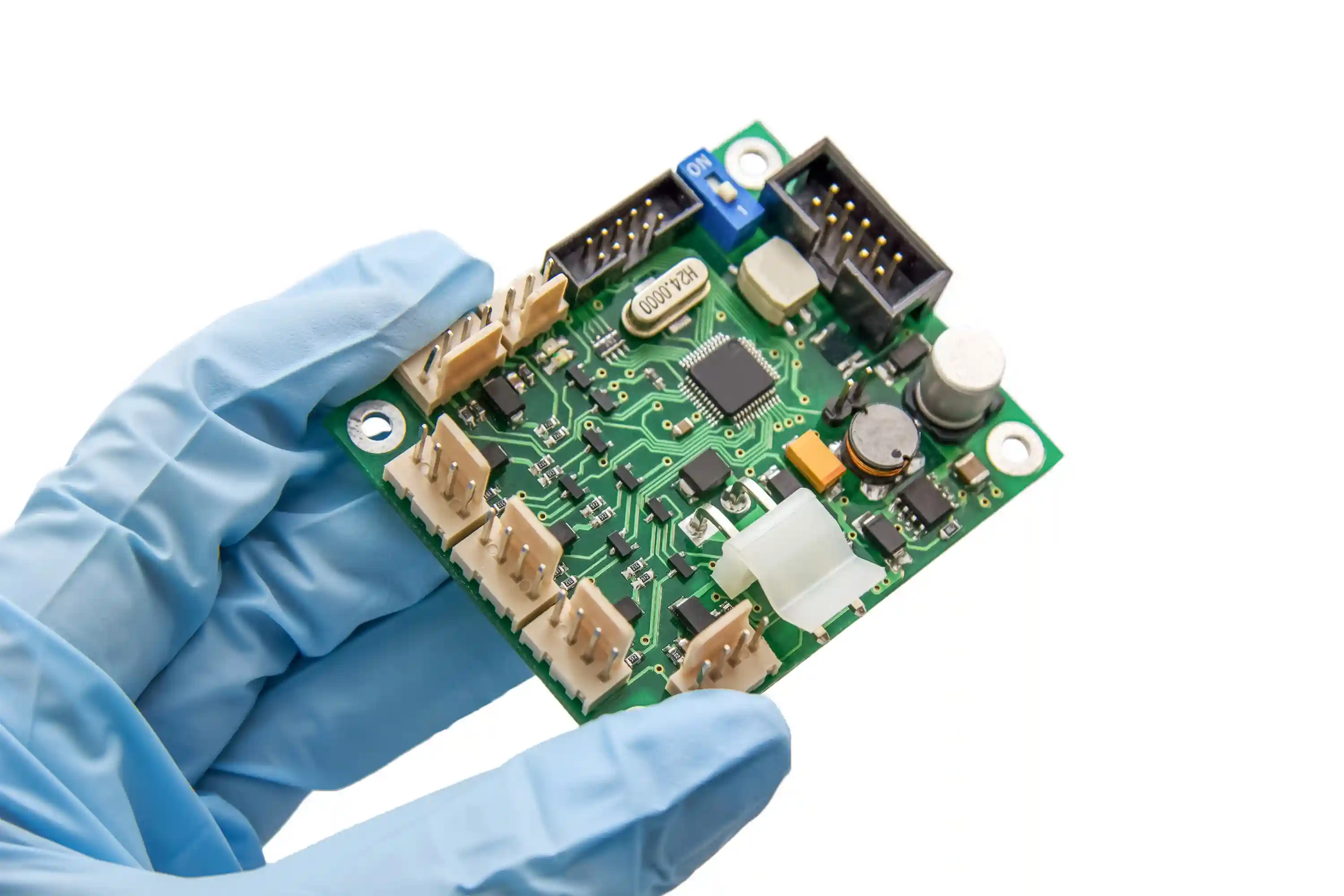
Best-fit service profile
This service fits PCBAs that already have a defined firmware image and measurable product behavior. If the requirement is fixture hardware rather than production testing, start with our test fixture PCB service before releasing the functional-test flow.
"A functional test that only says pass or fail is not enough for production. I want to know the firmware version, fixture revision, limits, and serial record before the lot leaves the factory."
Hommer Zhao
Founder & General Manager
Coverage Map: What Each Test Gate Should Prove
PCBA programming and functional testing work best when each test gate has a narrow purpose. Programming proves software identity, functional testing proves powered behavior, and upstream inspection catches assembly defects before the board reaches an energized fixture. This map reduces duplicate cost and avoids the common mistake of asking one test to prove everything.
Gate
What it proves
When it belongs
SPI and AOI
Paste, placement, polarity, solder bridges, visible joint shape
Before powered test, because visual defects should not reach a live fixture
X-ray
BGA, QFN, BTC, hidden solder joints, selected press-fit risk
When hidden joints can escape AOI or create intermittent powered failures
ICT or flying probe
Opens, shorts, passive values, net-level electrical access
When the buyer needs faster fault isolation than functional test alone can provide
Boundary scan
JTAG-accessible digital nets and chain continuity
When dense BGAs or limited test pads make physical probing weak
Programming
Firmware image, checksum, bootloader access, memory write success
When every shipped board must carry an approved software identity
Functional test
Powered behavior, I/O response, communication, current draw, final pass/fail
When shipment acceptance depends on how the product behaves in use
Production Workflow
The workflow keeps programming and functional test tied to the same PCBA revision, fixture state, and shipment record.
1
Define the test boundary
Engineering reviews the PCBA function, firmware file, acceptance limits, fixtures, golden unit, board revision, and shipment evidence before quoting the program.
2
Confirm programming access
We check JTAG, SWD, UART, USB, ISP, bootloader, connector, or pogo-pad access and identify any pins that need isolation, power sequencing, or ESD control.
3
Validate fixture and script readiness
The fixture, software, operator prompts, measurement limits, and golden-unit behavior are reviewed so repeat testing does not create false failures or missed faults.
4
Run first article programming and test
Initial boards are programmed, powered, measured, and reviewed against the acceptance record before the process is released for the lot.
5
Release production evidence
Finished PCBAs can ship with firmware revision, checksum, test result, serial or lot ID, deviations, and packing data tied to the build traveler.
RFQ Checklist for Programming and Functional Test
A quote package should let engineering and purchasing evaluate fixture effort, test time, firmware control, and evidence needs in the first review cycle.
Released firmware file and checksum or version ID
Programming interface, pinout, power sequence, and connector access
Functional-test procedure with limits and pass/fail rules
Golden-unit behavior or expected measurement windows
Serial-number, label, and shipment evidence requirements
Board revision, BOM revision, Gerber or ODB++, and centroid data
Fixture ownership, calibration, and maintenance expectations
Any coating, box build, or final system-test sequence after PCBA test
Where This Scenario Fits: Consolidated Industrial PCBA
In a representative industrial scenario (illustrative), a buyer had separate suppliers for wire harnesses, PCB assemblies, and electronic components. During routine harness order follow-ups, a dedicated PCBA engineering team helped quote specific board and component requirements, including a constrained microcontroller.
The practical lesson for programming and functional test is that supply consolidation only works when the integration record is clear. Component sourcing, PCBA manufacturing integration, firmware release, and final test evidence should travel together when an industrial controller moves from board build into machinery integration.
Engineering Trade-Off
A full fixture adds setup cost and schedule work, but it can reduce repeated manual errors once the same PCBA ships in batches. For early samples, a bench procedure may be enough. For production lots tied to customer acceptance, a fixture with recorded limits and firmware evidence is usually the cleaner decision.
Align this with PCBA quality assurancePCBA Programming and Functional Testing FAQ
What files do I need for a PCBA programming and functional testing quote?
Send the firmware image, version or checksum, programming method, board revision, BOM, Gerber or ODB++, centroid data, test procedure, limits, fixture information, and target quantity. A useful RFQ also states whether every board needs serial-number tracking and whether the pass/fail log must ship with the lot. Missing firmware control or fixture limits can delay quoting because programming access and powered-test acceptance must be defined before production release.
Can PCBA functional testing replace ICT or flying probe testing?
Functional testing cannot fully replace ICT or flying probe when the buyer needs fast fault isolation on component values, opens, shorts, and accessible nets. Functional test proves powered behavior, while ICT and flying probe find many electrical assembly faults before the board reaches a live fixture. For a 500-piece pilot, the stronger plan is usually AOI plus X-ray where needed, then ICT or flying probe on critical nets, then programming and final functional test.
I need 300 programmed control boards in 6 weeks. What should I approve first?
Approve the firmware file, checksum, fixture readiness, golden-unit behavior, serial format, and pass/fail report before releasing a 300-board control build. The fixture should run at least a first-article check on production-representative boards before volume starts. If the design includes a microcontroller such as STM32, define whether programming happens through SWD, UART bootloader, USB, or pogo-pin pads and whether firmware evidence must appear on the packing list.
How do you prevent the wrong firmware from being loaded onto a PCBA?
Wrong-firmware risk is controlled by using a released firmware file, version ID, checksum, board revision match, operator instruction, and recorded programming result. For higher-risk builds, PCBInsider can tie the firmware revision to the PCBA serial number or lot traveler. IPC-A-610 can frame finished assembly acceptability, but firmware identity needs its own control record because a visually perfect board can still fail in the field with the wrong software image.
Should programming happen before or after conformal coating and box build?
Programming should usually happen before conformal coating or enclosure assembly when the access point is a pogo pad, header, switch, or connector that may be covered later. Final functional testing may happen both before and after box build if cable routing, enclosure fit, or operator controls affect product behavior. Define the sequence in the traveler: PCBA inspection, programming, pre-coating function, coating or integration, then final system-level test.
What standards matter for PCBA programming and functional test release?
IPC-A-610 and IPC-J-STD-001 are relevant for workmanship and soldered assembly expectations, while IEEE 1149.1 matters when boundary scan or JTAG access forms part of the electrical-test strategy. ISO 9001:2015 discipline matters for document control, traceability, and release records. None of those standards replaces the buyer's functional-test procedure, so the RFQ should include exact limits for current draw, communication, I/O response, and firmware version.
When should I avoid adding a full functional test fixture?
Avoid a full custom functional fixture when the board is still changing weekly, the acceptance limits are not released, or the order is only a very small engineering sample. For early EVT, a lighter bench procedure may be more practical while firmware and hardware stabilize. A production fixture becomes valuable when the same PCBA repeats, the lot size justifies setup effort, and pass/fail evidence becomes part of shipment acceptance.
Related Services
ICT Testing Service
Use fixture-based in-circuit test when net-level fault isolation and repeatable electrical screening are required before final functional test.
Test Fixture PCB
Manufacture bed-of-nails, pogo-pin, programming, burn-in, and functional test fixture electronics for repeat production screening.
Flying Probe Testing Service
Use fixtureless electrical screening for prototype and low-volume PCBAs before a production fixture is released.
PCBA Quality Assurance
Add first article review, PFMEA-linked control plans, inspection records, and shipment release evidence to higher-risk PCBA programs.
Aerospace PCB Assembly
Use aerospace PCBA controls when firmware, FAI records, X-ray review, and traceable release evidence affect avionics or UAV shipment acceptance.
EV Control Board PCB Assembly
Use this path when VCU, COM board, key fob, or BMS interface PCBAs need firmware, functional test, and harness-interface control.
Buyer Guides
Test Fixture Readiness for PCB Assembly
What buyers should approve before a functional fixture becomes production acceptance equipment.
Boundary Scan Testing in PCB Assembly
How JTAG coverage fits beside ICT, X-ray, programming, and functional testing.
Flying Probe vs ICT for PCB Assembly
Where fixtureless and fixture-based electrical tests fit before powered product checks.
Need Firmware, Functional Test, and Shipment Evidence in One PCBA Build?
Send your firmware file, test procedure, fixture notes, BOM, Gerber package, and target quantity. PCBInsider will review whether your program needs programming only, powered functional test, ICT, boundary scan, or a combined release plan.
Reviewed by: PCBInsider Engineering Team