
High-Layer Backplane PCB Fabrication
Backplane PCB Manufacturing for Connector-Dense, Signal-Critical Systems
PCBInsider provides backplane PCB manufacturing support for telecom, industrial, compute, and instrumentation programs that need controlled stackups, connector-aware DFM, and fabrication outputs ready for downstream assembly and system integration.
8-24+
Typical Layer Range
Press-Fit Ready
Connector Support
Controlled Impedance
SI Discipline
Prototype to Volume
Build Scale
Why Backplane PCB Programs Need Specialized Fabrication Planning
A backplane is more than a large printed circuit board. It usually acts as the electrical backbone of a modular system, which means board flatness, connector fit, hole quality, and routing discipline all have direct effect on final assembly yield.
Modern backplanes can also carry fast serial links, power rails, and mixed signal domains across long distances. That increases the importance of controlled impedance, stable dielectric selection, and clear fabrication notes that remain aligned with the final connector and chassis design.
When programs depend on high-speed signaling, concepts such as differential signaling and disciplined reference-plane control stop being theory and become buying criteria. The right manufacturing partner helps prevent avoidable problems before the board reaches connector insertion or system-level debug.
High-Layer Stackups for Dense Interconnect
Backplane boards often need more copper planes, more routing channels, and tighter registration control than ordinary digital PCBs.
Signal Integrity Focused Fabrication
Long trace lengths, multiple slots, and high-speed links make backplane boards sensitive to impedance drift, skew, and via transitions.
Connector and Press-Fit Aware DFM
Many backplanes depend on dense hard-metric, DIN, or custom connector systems.
Mechanical Stability for Large Panels
Backplane PCB formats are frequently large, thick, and connector-heavy.
Power and Reliability Planning
Backplanes are not only signal platforms. They also distribute power, grounding, and return paths across multiple daughtercards or modules.
Assembly-Ready Output for System Builds
A backplane is usually part of a larger manufacturing flow that includes connector insertion, cable integration, chassis assembly, and final system test.
Backplane PCB Capability Snapshot
Service focus
Backplane PCB fabrication for telecom, compute, instrumentation, defense, and industrial platforms
Typical construction
8-24+ layer rigid PCBs with controlled impedance and connector-dense layouts
Board profile
Large formats, thicker cores, high copper balance, slot and cutout features where required
Connector support
Press-fit and plated-through-hole connector fields with tolerance-driven DFM review
Data required
Gerber or ODB++, stackup target, drill map, fab drawing, impedance notes, connector callouts
Common add-ons
Electrical test, coupon strategy, impedance verification, assembly handoff, system integration support
Typical applications
Telecom shelves, industrial control racks, compute systems, instrumentation, power distribution backplanes
Commercial priority
Stable fabrication yield, reliable connector fit, and lower rework risk during final system build
Buyer Priorities
Keep connector fields manufacturable
Dense connector arrays can force tight drill-to-copper, annular ring, and positional tolerance requirements.
Protect high-speed channel performance
Backplanes used for fast serial links need more than a nominal impedance note.
Avoid flatness and insertion issues
Large, thick boards with uneven copper or slotting can create handling and insertion problems.
Release data that matches final assembly
Backplanes usually interact with daughtercards, guides, cages, and harnesses.
Standard Backplane PCB Manufacturing Workflow
Backplane jobs are most successful when the fabrication plan is matched to connector mechanics, routing density, and downstream assembly handling from the start.
Step 1
Review stackup, connector map, and board size
We start by checking layer count, material set, connector density, board outline, slots, and thickness targets so fabrication planning reflects the real.
Step 2
Resolve impedance, drill, and plating requirements
Controlled-impedance notes, press-fit hole tolerances, copper weight, aspect ratios, and plating windows are reviewed together because these items interact.
Step 3
Prepare tooling and panel strategy
Large backplanes often need panel support and process controls that differ from smaller logic boards.
Step 4
Fabricate, inspect, and electrically test
After lamination, drilling, plating, imaging, etching, and surface finish, we inspect the board against dimensional and workmanship requirements and apply.
Step 5
Release for connector loading and system build
Accepted boards move into connector insertion, subassembly, or full system integration with a build package that supports downstream manufacturing rather.
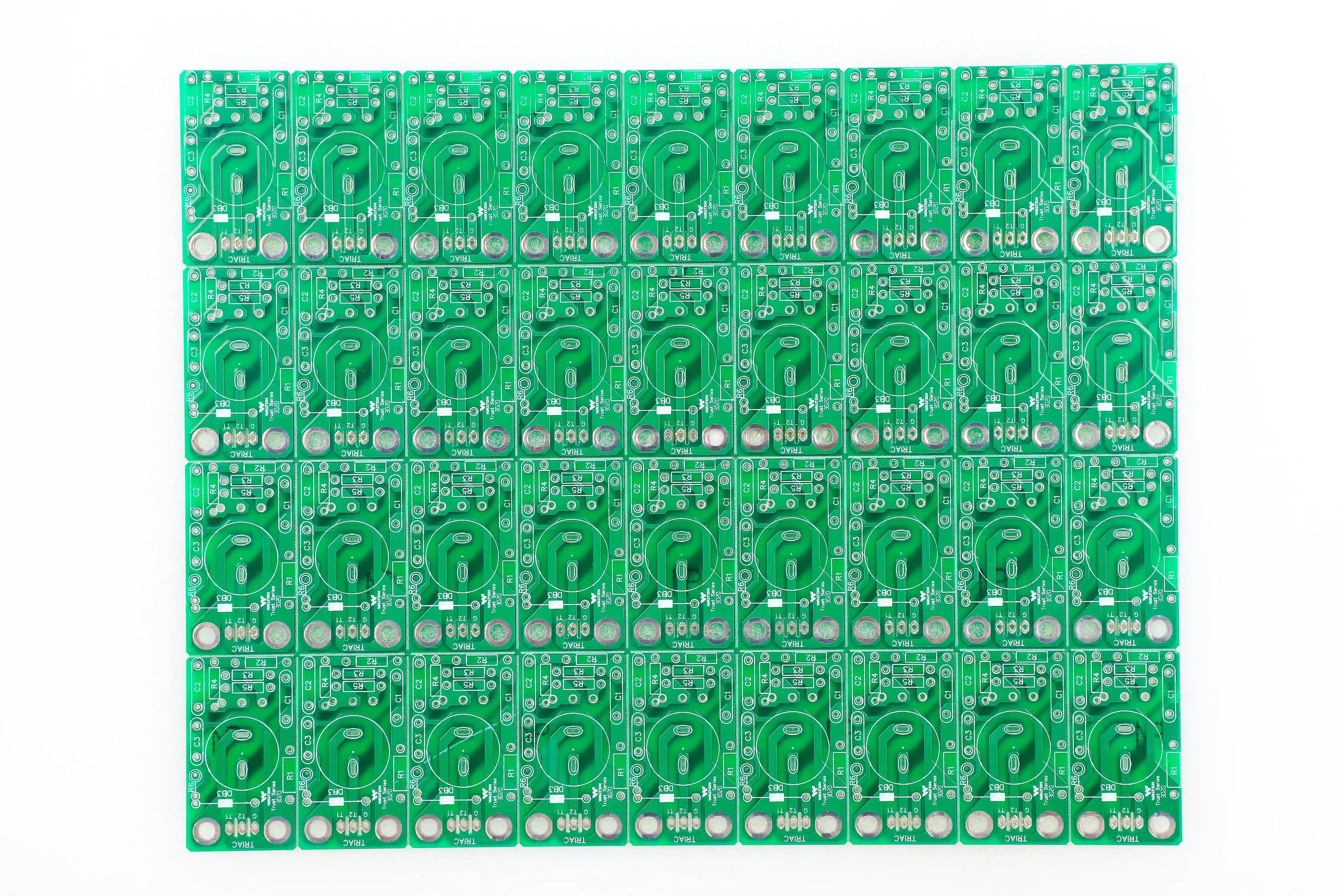
Where Backplane PCB Manufacturing Fits Best
This service is a strong fit for programs where the board acts as a chassis-level interconnect platform rather than a simple local control PCB. Typical examples include telecom shelves, industrial rack systems, modular compute equipment, instrumentation frames, and power-distribution platforms.
Buyers working on these products often also need guidance on stackup planning and fabrication limits. For adjacent engineering context, see our PCB stackup guide and IPC-2221 overview.
Frequently Asked Questions
These are the questions buyers most often raise before releasing a backplane fabrication package.
What is a backplane PCB used for?
A backplane PCB connects multiple daughtercards, modules, or subsystems through a shared board that distributes signals, power, and grounding. It is common in telecom, industrial control, compute, instrumentation, and modular electronics platforms.
How many layers does a typical backplane PCB need?
Many commercial backplane boards start around 8 layers and can extend far beyond that depending on connector density, signal speed, and power distribution needs. The right layer count depends on routing channels, reference plane strategy, and impedance targets.
Can you support press-fit connectors on backplane boards?
Yes. Press-fit backplanes require careful control of finished hole size, plating thickness, annular ring margin, and board thickness. Those requirements need to be reviewed with the connector specification before fabrication release.
What files should I provide for a backplane PCB quote?
The best package includes Gerber or ODB++ data, stackup targets, fab drawing, drill data, impedance requirements, connector part numbers, board thickness, and any mechanical notes covering slots, stiffeners, or chassis interfaces.
Do backplane PCBs need impedance control?
In many cases, yes. High-speed backplanes often depend on controlled impedance and disciplined reference-plane design to manage signal integrity across long trace paths and multiple connector transitions.
Can backplane boards be supplied for assembly as well as fabrication?
Yes. Depending on the program, finished boards can move into connector insertion, cable integration, box build, and broader EMS workflows so the backplane fits the final system build rather than stopping at bare-board delivery.
Related Services
Backplane work often overlaps with these adjacent fabrication and assembly services.
PCB Manufacturing
General fabrication support for rigid, multilayer, and production PCB programs.
Explore service4 Layer PCB Manufacturing
A practical starting point for simpler control and interface boards paired with backplane systems.
Explore serviceHDI PCB Manufacturing
Higher-density fabrication when daughtercards or companion modules need finer interconnect structures.
Explore serviceGold Finger PCB Manufacturing
Hard-gold card-edge boards for daughtercards, plug-in modules, and test adapters.
Explore servicePCB Assembly
Assembly support when the backplane project continues into connector loading and system integration.
Explore service
Planning a Backplane PCB Build?
Send your stackup target, fabrication drawing, connector part numbers, impedance notes, and mechanical constraints. Our team can review manufacturability before the board moves into fabrication, connector insertion, and final system integration.