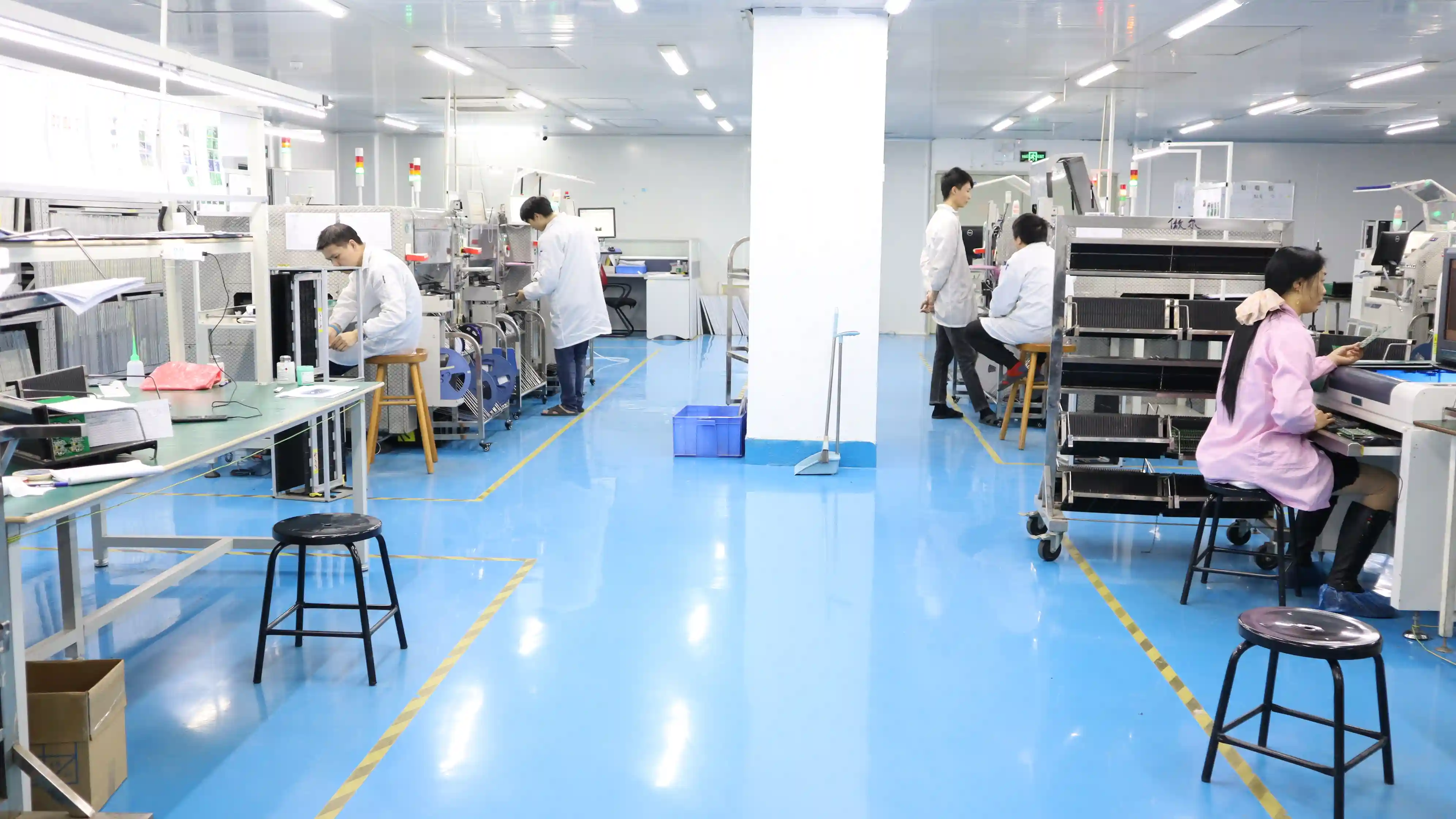
Avionics PCBA, Evidence Packages, and Test Gate Control
Aerospace PCB Assembly Built Around Release Evidence
PCBInsider supports aerospace PCB assembly when the risk is not only soldering the board, but proving the build can move into avionics, UAV, payload, or ground-support integration. The differentiator is a traceable release plan: IPC Class 3 context, AOI, X-ray, FAI records, firmware identity, and functional test each receive a defined gate before shipment.
IPC-A-610
Class 3 inspection context
AOI + X-Ray
Visible and hidden-joint review
FAI
First article release evidence
100%
Electrical test planning by request
TL;DR
- Aerospace PCB assembly needs controlled workmanship, traceability, and release evidence before boards move into avionics integration.
- Best-fit programs include UAV controllers, flight test electronics, payload boards, power modules, and aerospace ground-support PCBAs.
- Send Gerber or ODB++, BOM, centroid, assembly drawing, IPC class, test limits, coating notes, and flow-down requirements.
- PCBInsider separates IPC-A-610 inspection, J-STD-001 soldering expectations, X-ray, FAI, firmware, and final functional test gates.
Aerospace PCBA Is a Controlled Release Problem
Aerospace PCB assembly is the manufacturing, inspection, and release-control process for populated circuit boards used in avionics, UAV electronics, payload controls, flight-test equipment, and aerospace support systems. Avionics PCBA is a board assembly whose failure can affect navigation, communication, sensing, power control, or mission equipment. First article inspection is a documented release gate that checks whether the first production-representative build matches the approved data package.
The standards context should be explicit. IPC is the common reference family behind IPC-A-610 and IPC-J-STD-001 language, AS9100 is the aerospace quality-management framework many buyers use for supplier flow-down, and NASA JPL's public training catalog for soldered electrical and electronic assemblies shows why workmanship interpretation, inspection, and soldering discipline matter in spaceflight-adjacent assembly work.
Avionics and UAV PCBA Planning
Aerospace PCB assembly is planned around operating risk, not only component placement. We review vibration exposure, connector retention, conformal coating needs, revision freeze, and test evidence before the lot is released.
IPC Class 3 Workmanship Context
High-reliability PCBAs can be inspected to IPC-A-610 Class 3 expectations when the customer drawing or quality agreement calls for it. We separate workmanship criteria from aerospace program approval so the scope stays accurate.
AOI, X-Ray, and Microscope Review
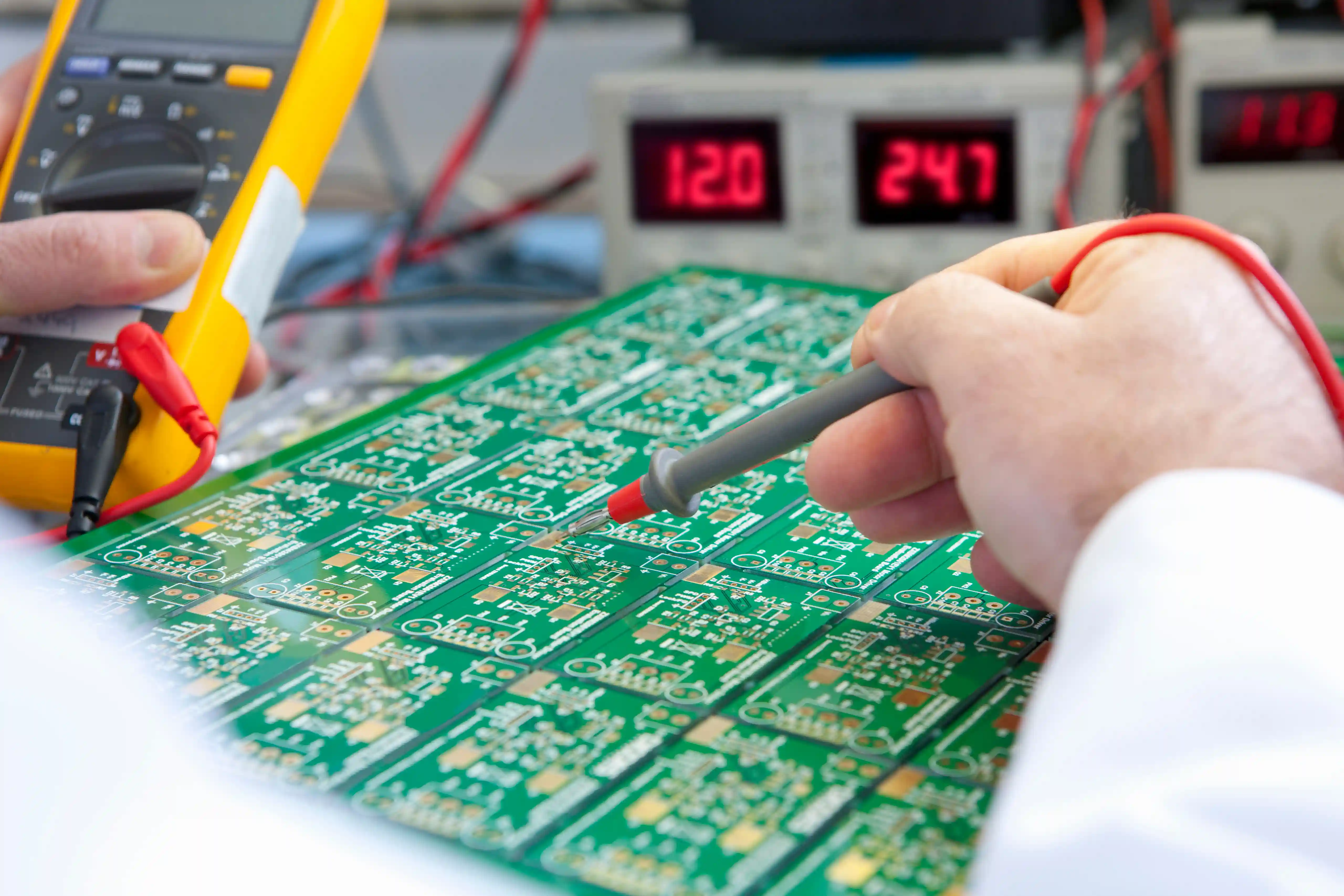
AOI catches visible SMT defects, X-ray supports BGA, QFN, LGA, and bottom-terminated package review, and microscope inspection handles high-risk hand-solder or rework points.
First Article and Lot Evidence
Aerospace buyers often need FAI-style records, inspection notes, lot traceability, deviation control, firmware version, and final pass/fail evidence tied to the exact PCBA revision.
Firmware and Functional Test Readiness
Flight-adjacent boards may need programmed MCUs, serial records, fixture IDs, current limits, communication checks, sensor inputs, relay outputs, and powered behavior logs before shipment.
PCBA, Harness, and Box Build Interfaces
Many aerospace assemblies fail at the interface between the board, connector, cable, enclosure, and test fixture. We review mating connectors, mounting holes, keepouts, labels, and final integration sequence early.
Real Project Snapshot
Anonymized case-bank example: a robotics OEM in the Asia-Pacific region required PCB and assembly services for a product rollout structured as a multi-PO program with split deliveries. The constrained PO carried schedule risk, so the team used proactive order management with "multi-PO program, split PIs, same-day payment confirmation, early delivery warning issued". The aerospace lesson is direct: schedule transparency belongs in the release plan, not in a late apology after inspection or payment timing blocks shipment.
Challenge
Split purchase orders with one delivery-risk warning that needed immediate visibility.
Action
Same-day payment confirmation and early warning for the constrained PO while other POs stayed on track.
Buyer value
Reduced dispute risk because schedule evidence and communication were tied to the order state.
Capability Scope and Limits
Service focus
Aerospace PCB assembly for avionics, UAV payloads, aerospace test equipment, flight-adjacent controls, and rugged electronics
Assembly types
SMT, through-hole, mixed technology, BGA, QFN, LGA, connector-heavy boards, and selective soldering by review
Input package
Gerber or ODB++, BOM with approved MPNs, centroid, assembly drawing, IPC class, test procedure, revision notes, and coating requirements
Inspection path
Solder paste review, AOI, X-ray for hidden joints, microscope inspection, first article review, and customer-defined electrical test
Evidence package
Traveler, lot traceability, inspection records, FAI-style notes, firmware checksum, functional test log, deviation approval, and CoC by request
Standards context
IPC-A-610, IPC-J-STD-001, ISO 9001:2015 document control, and AS9100-style flow-down review when supplied by the customer
Best fit
Prototype, qualification support, pilot, bridge, and repeat builds where documentation and integration risk matter as much as placement speed
Out of scope
ITAR-controlled production, airworthiness certification ownership, DO-254 approval, environmental qualification testing, and customer product certification
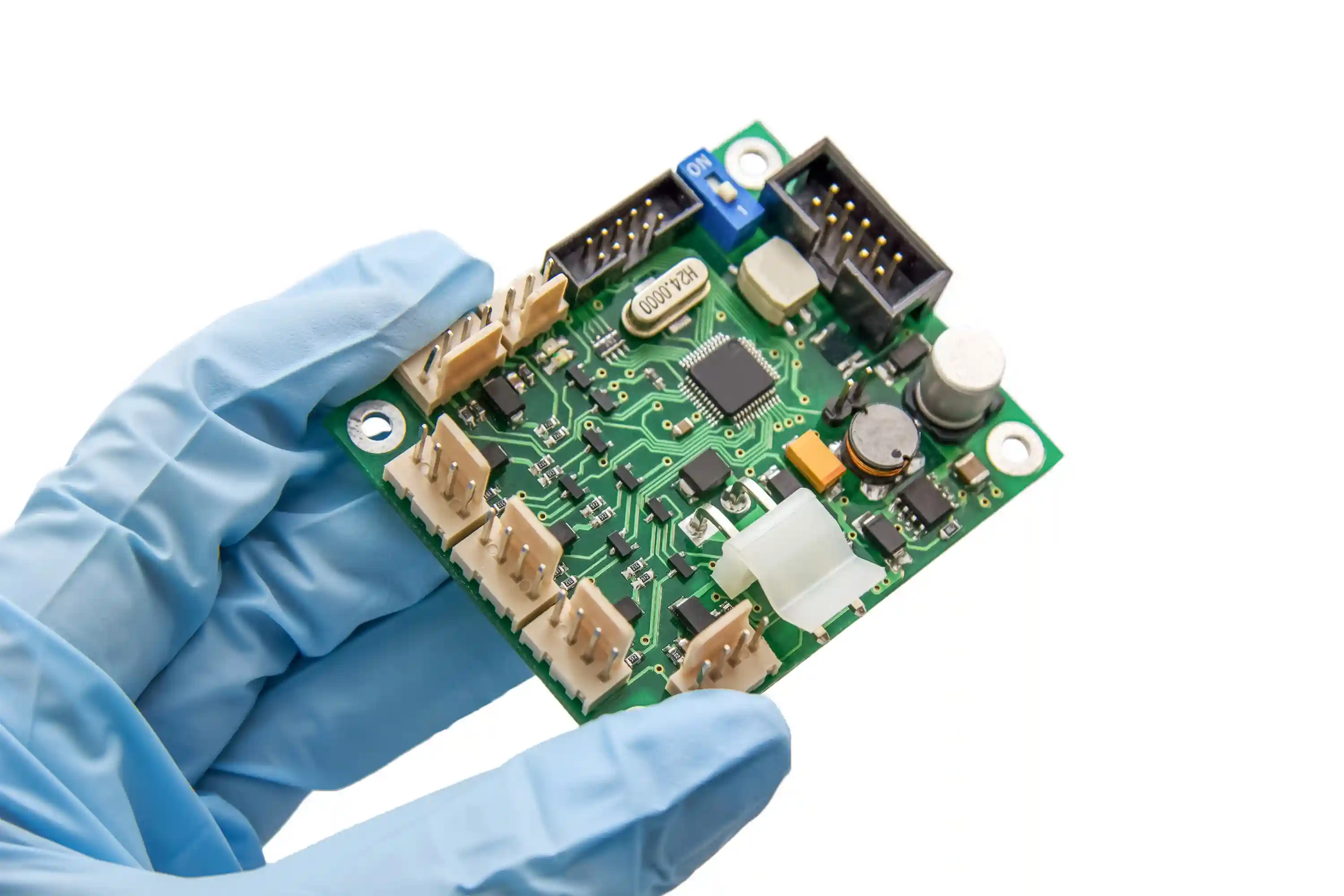
Best-fit service profile
This service fits aerospace PCBAs that already have a released hardware package and measurable acceptance criteria. If the primary requirement is board fabrication rather than assembly release, start with PCB manufacturing or rigid-flex PCB fabrication.
"For aerospace PCBA, I do not want a quote that only says SMT and X-ray. I want the buyer's acceptance record mapped: IPC class, firmware identity, first article evidence, test limits, deviation approval, and who signs the release."
Hommer Zhao
Founder & General Manager
Evidence Map for Aerospace PCBA Release
Aerospace PCB assembly works best when every quality requirement becomes a visible manufacturing record. IPC Class 3 language, J-STD-001 soldering controls, AS9100-style flow-down clauses, X-ray review, firmware identity, and functional test results should each have an owner and a record before production starts.
Requirement
Trigger
Manufacturing record
Workmanship
IPC-A-610 Class 3 called out on the drawing
Inspect solder joints, polarity, component condition, coating risk, and rework evidence against the agreed acceptance level.
Solder process
IPC-J-STD-001 or customer soldering notes
Confirm paste, reflow, selective solder, hand solder, cleaning, and rework controls before first article release.
Hidden joints
BGA, QFN, LGA, BTC, shield-can, or module packages
Use X-ray or microscope review where optical inspection cannot prove solder condition.
Firmware identity
Released image, checksum, interface, and serial rule
Record the firmware revision or checksum when shipment acceptance depends on programmed behavior.
Functional behavior
Fixture procedure with limits
Test current draw, communication, I/O, sensor response, relay action, or buyer-defined behavior before packing.
Flow-down control
AS9100-style customer clauses or quality agreement
Map each clause to a manufacturing record instead of treating quality requirements as generic boilerplate.
Aerospace PCBA Production Workflow
The workflow keeps board assembly, firmware, inspection, and shipment evidence tied to the same released revision.
1
Review aerospace release requirements
Engineering reviews Gerber or ODB++, BOM, centroid, assembly drawings, IPC class, quality clauses, test limits, coating notes, and any avionics or UAV integration constraints.
2
Map risk before material release
We separate assembly risk, sourcing risk, firmware risk, and integration risk so BGAs, connectors, long-lead ICs, coating, and harness interfaces receive the right control gates.
3
Build first article evidence
Initial PCBAs run through placement, soldering, AOI, X-ray where required, microscope review, electrical checks, and FAI-style record capture before repeat lots move forward.
4
Lock test and documentation rules
Fixture ID, firmware checksum, serial labeling, functional limits, deviation approval, CoC wording, and packing requirements are locked to the released PCBA revision.
5
Release production with traceable records
Production lots ship with the agreed evidence package so receiving inspection can connect the boards, records, and revision history without chasing emails after delivery.
RFQ Checklist for Aerospace PCB Assembly
A complete RFQ lets engineering price assembly work, inspection time, documentation effort, and schedule risk in the first review cycle.
Gerber or ODB++ fabrication data and latest board revision
BOM with manufacturer part numbers, alternates, and source restrictions
Centroid file, assembly drawing, polarity notes, and keepout constraints
IPC class, customer quality clauses, and flow-down requirements
X-ray, AOI, microscope, FAI, cleaning, coating, and test expectations
Firmware image, checksum, programming interface, and serial-number rule
Fixture procedure, functional limits, golden-unit notes, and output format
Target quantity, delivery windows, packing requirements, and freight term
Decision Framework: Standard PCBA, Aerospace PCBA, or Full EMS
The buying decision should follow evidence need, not the most impressive service label. Standard PCBA is enough for many test boards. Aerospace PCB assembly is the better fit when IPC Class 3 context, FAI, X-ray, firmware, and traceability affect release. Full EMS belongs when the board continues into harnesses, enclosure integration, packaging, and system-level testing.
Choose standard PCBA
The board has ordinary commercial risk, simple inspection needs, and no special release records beyond normal QC.
Choose aerospace PCBA
The board needs IPC Class 3 context, traceability, FAI-style evidence, hidden-joint review, or firmware-test records.
Choose full EMS
The board must ship with cable assemblies, enclosure hardware, labels, programming, final system test, and packing control.
Aerospace PCB Assembly FAQ
What files do I need for an aerospace PCB assembly quote?
A useful aerospace PCB assembly quote needs Gerber or ODB++, BOM with approved manufacturer part numbers, centroid data, assembly drawing, IPC class, revision notes, coating requirements, test procedure, and any customer quality clauses. Include quantity, delivery windows, and whether the lot needs FAI records, X-ray images, firmware checksum, or serialized functional-test logs. Without those requirements, the quote can miss documentation labor even when the SMT placement itself is straightforward.
Can you build aerospace PCB assembly to IPC Class 3?
PCBInsider can support IPC-A-610 Class 3 inspection context when the drawing, purchase order, or quality agreement calls for Class 3 acceptance. IPC Class 3 is not the same as airworthiness approval, AS9100 certification, or ITAR-controlled production. The practical RFQ question is which record proves each requirement: solder inspection, X-ray image, electrical test, FAI note, firmware result, deviation approval, or certificate of conformance.
I need 200 UAV controller boards in 6 weeks. What should be approved first?
Approve the board revision, BOM alternates, test procedure, firmware checksum, inspection plan, and delivery split before releasing 200 UAV controller PCBAs. A 6-week schedule can fail if one MCU, RF module, or connector is not source-approved early. For UAV electronics, define whether shipment acceptance requires AOI only, AOI plus X-ray, fixture-based functional test, conformal coating, or serial-number traceability.
How is aerospace PCB assembly different from industrial PCB assembly?
Aerospace PCB assembly uses many of the same SMT and through-hole processes as industrial PCBA, but the release package is usually stricter. Aerospace buyers care more about IPC Class 3 context, flow-down clauses, FAI records, X-ray for hidden joints, traceability, connector retention, coating readiness, and documented deviation control. Industrial PCBA may prioritize field serviceability and sourcing continuity, while avionics and UAV boards usually need stronger evidence before integration.
Can PCBInsider combine aerospace PCBA with harness or box build work?
Yes, aerospace PCBA can be coordinated with harness, cable, enclosure, and functional-test work when the interface package is released. In one case-bank example, a long-standing wire harness customer expanded into board work through "IC STM32-family MCU sourcing, PCB/PCBA manufacturing integration, Multi-category supply consolidation". The lesson for aerospace buyers is to approve connector mating, cable exit, firmware, and final test evidence together instead of treating each supply category separately.
What aerospace PCB assembly work is out of scope?
PCBInsider does not claim ownership of ITAR-controlled production, airworthiness certification, DO-254 approval, or environmental qualification testing unless those responsibilities are defined and accepted in a separate agreement. Our scope is manufacturing support: PCB assembly, inspection, documentation, programming, test evidence, and integration review. Buyers remain responsible for product-level certification, flight approval, system safety analysis, and any restricted technical-data controls.
How do you control delivery risk on traceability-heavy aerospace PCBA orders?
Delivery risk is controlled by tying payment, material release, build sequence, inspection evidence, and shipment status to the purchase order. A real case-bank PCBA program used "multi-PO program, split PIs, same-day payment confirmation, early delivery warning issued" to preserve schedule visibility. Aerospace buyers should ask for early warnings on constrained parts, blocked inspections, late firmware, or records that could stop receiving approval.
Related Services
PCB Assembly
Use the main PCBA service for SMT, through-hole, BGA, and mixed-technology board assembly across broader electronics programs.
PCBA Programming and Functional Testing
Add firmware loading, serial tracking, powered checks, fixture readiness, and pass/fail release evidence to aerospace PCBAs.
X-Ray Inspection Service
Use X-ray inspection when BGAs, QFNs, LGAs, or bottom-terminated packages create hidden solder-joint risk.
Aircraft Wire Harness
Link aerospace PCBAs to airframe, avionics, UAV, and ground-support harness builds where connector fit and routing affect integration.
Buyer Guides
J-STD-001 PCB Assembly Guide
Understand how soldering process requirements sit beside IPC-A-610 inspection expectations during PCBA release.
AOI vs X-Ray Inspection
Use the right inspection gate for visible SMT defects, hidden BGA joints, and first-article review.
First Article Inspection for PCB Assembly
Build an FAI gate that gives purchasing, engineering, and quality teams usable evidence before repeat production.
Need Aerospace PCBA With Inspection, Firmware, and Release Evidence?
Send your Gerber package, BOM, centroid, assembly drawing, IPC class, firmware file, test procedure, and quality clauses. PCB Insider will review whether your program needs standard PCBA, aerospace PCBA controls, or a broader EMS release plan.
Reviewed by: PCBInsider Engineering Team