Aerospace Harness Service
Aircraft Wire Harness Manufacturers for Avionics, Cabin, and Aerospace Electrical Systems
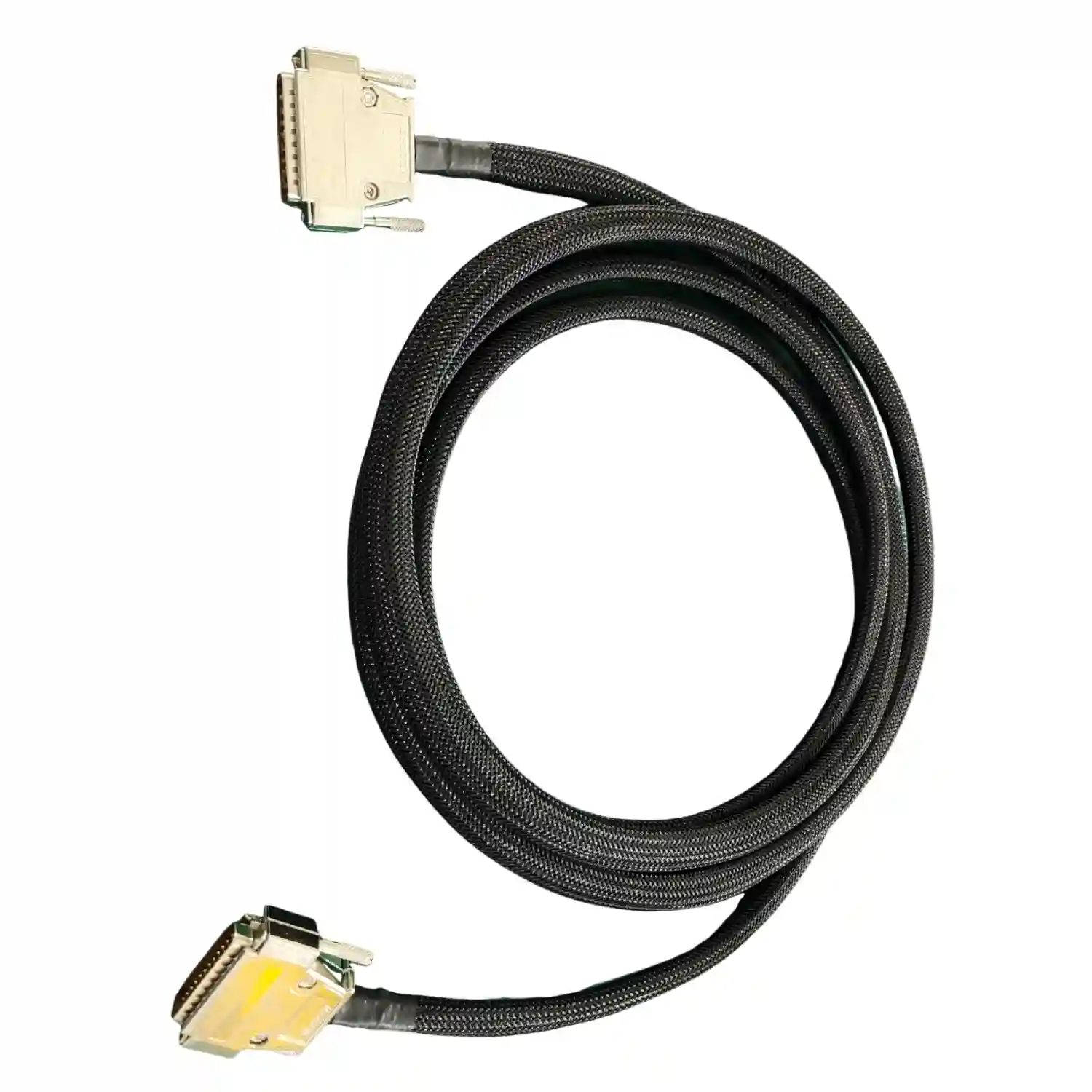
PCBInsider builds aircraft wire harness assemblies for aerospace teams that need more than manual assembly capacity. We support prototype, qualification, and production programs with controlled documentation, repeatable process flow, and 100% electrical test coverage.
If you are evaluating aircraft wire harness manufacturers, the practical question is whether the supplier can control routing, shielding, connector systems, installation geometry, and test records at the same time. That is the gap this page is designed to address.
Controlled Build RecordsShielding and Routing DisciplineAircraft, UAV, and eVTOL Support
100%
Electrical Verification Coverage
100%
Electrical Test Coverage
Class 3
IPC/WHMA-A-620 Workmanship
5-10 Days
Prototype Timing
Full Lot
Traceability Records
What Aerospace Sourcing Teams Need from a Harness Supplier
Aircraft harness programs usually fail at the interface between electrical intent and installation reality. A harness can pass a bench continuity test and still become a program problem if bend radius, branch breakout geometry, shield termination, or clamp location were not considered early enough.
Aerospace buyers therefore look beyond simple assembly labor. They need suppliers who can manage workmanship to IPC/WHMA-A-620-related standards while also understanding documentation flow, environmental expectations, and release discipline for high-reliability aerospace-grade build programs.
Environmental requirements matter as well. Aircraft and aerospace electrical assemblies are often reviewed against vibration, temperature, and EMC expectations influenced by guidance such as RTCA DO-160 and airworthiness frameworks administered by the Federal Aviation Administration. We do not position ourselves as the design authority for your aircraft, but we do build with those downstream realities in mind.
Airframe and Avionics Fit Awareness
Aircraft harnesses have to route through brackets, clamps, backshells, bulkheads, and limited service envelopes without compromising maintenance access.
Shielding and Signal Integrity Control
Avionics and aerospace electronics are sensitive to grounding strategy, shield termination quality, twist control, and branch layout.
Harsh-Environment Material Selection
Material choices are driven by temperature, vibration, abrasion, fluid exposure, and weight limits.
Controlled Documentation Packages
Aircraft programs are documentation-heavy. We structure travelers, revision control, material traceability, and test records so prototype learning.
Qualification-Oriented Test Planning
We define electrical test logic early rather than treating testing as a last-step checkbox.
Prototype-to-Production Continuity
The manufacturing package used for first articles is refined, not replaced, as the program matures.
Aircraft Harness Capability Snapshot
Aerospace sourcing teams usually need a fast decision view: installation fit, connector scope, test plan, traceability, and release control. This snapshot is designed for that evaluation.
| Service Focus | Aircraft and aerospace wire harness manufacturing for avionics, cabin systems, UAVs, and electrical subassemblies |
|---|---|
| Program Types | Commercial aircraft subsystems, helicopter electronics, UAV payloads, eVTOL modules, ground-support equipment |
| Wire and Cable Scope | Discrete wires, twisted pairs, shielded circuits, hybrid power-signal constructions, and customer-defined assemblies |
| Connector Families | Customer-specified circular, rectangular, micro, and sealed connector systems with matched contacts and backshells |
| Protection Options | Heat shrink, braided sleeving, lacing, labels, sealing accessories, branch breakout protection, and strain relief hardware |
| Testing | 100% continuity and shorts; insulation resistance, hipot, shielding continuity, pull-force, and functional fixture testing by requirement |
| Documentation | FAI support, travelers, inspection data, lot traceability, material certificates, and serialized test records where required |
| Prototype Timing | Typical 5-10 business days after file, materials, and acceptance criteria are confirmed |
| Manufacturing Standard | IPC/WHMA-A-620 workmanship with program-specific quality plans and customer release controls |
Typical Aircraft Programs
Avionics and Flight Electronics
Harnesses for displays, mission computers, communication modules, navigation electronics, sensor interfaces, and control panels where routing discipline.
Cabin and Interior Electrical Systems
Assemblies for lighting, seat electronics, galley equipment, in-flight connectivity, and cabin control modules that need stable installation geometry.
UAV and eVTOL Subsystems
Weight-aware harnesses for power distribution, payload integration, telemetry, and compact avionics bays where connector count, branch layout.
Ground-Support and Test Equipment
Harnesses for aerospace test stands, maintenance tooling, and support electronics that still require controlled documentation and repeatable builds, even.
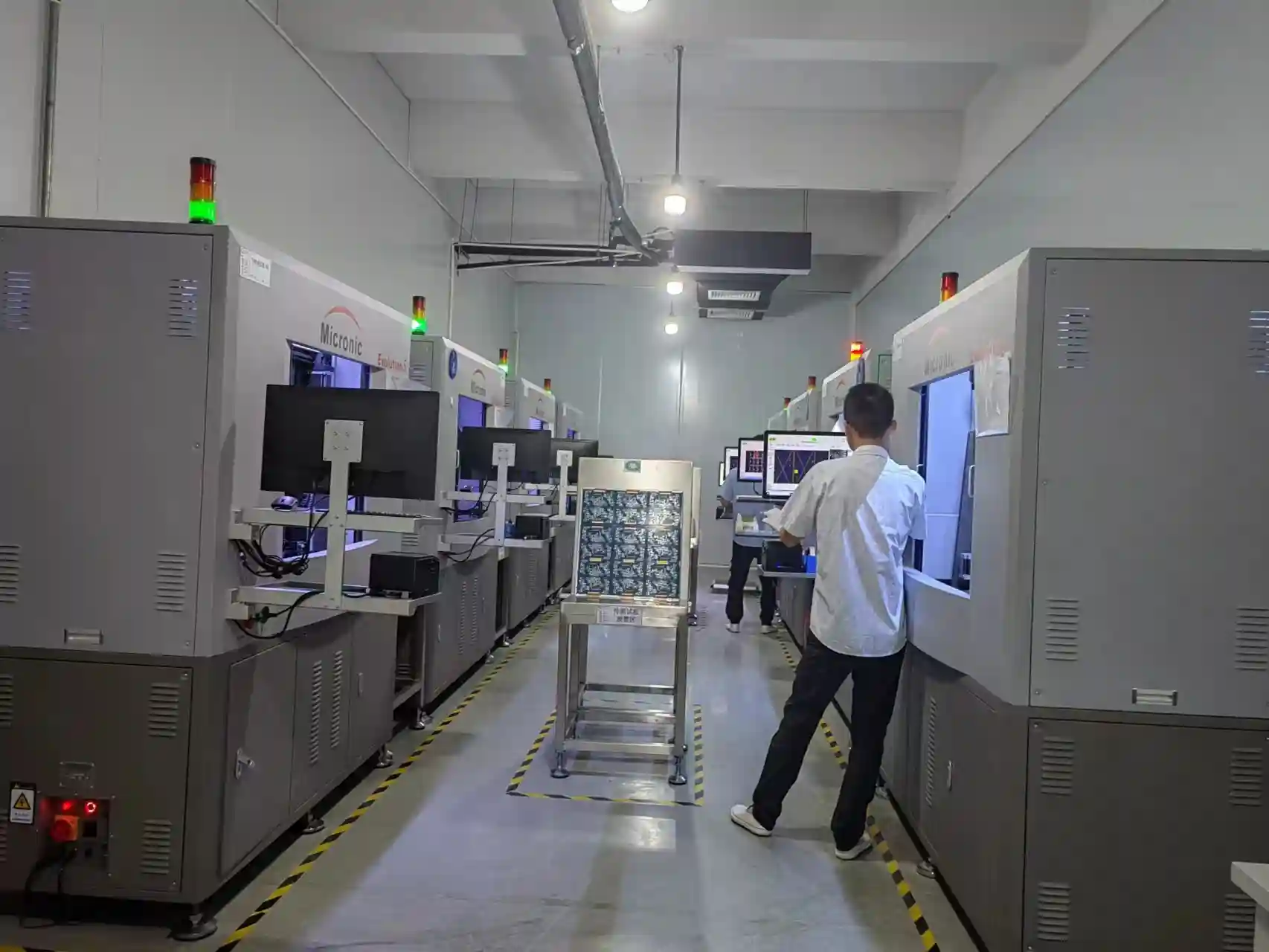
Qualification Risk Drops When Test Logic Is Defined Early
Aerospace programs lose time when fixture expectations and acceptance logic are left until after the first article build. We prefer to frame the electrical verification plan while the release package is still being stabilized.
How We Move from Prototype to Repeat Production
Aircraft harness manufacturing works best when each phase has a clear release gate. That matters most when the same supplier is expected to support early engineering learning and later production stability.
1
RFQ Review and Installation Context
We review the harness drawing, wire list, connector callouts, routing intent, environmental profile, and test expectations.
2
Prototype Build and First Article Learning
Prototype assemblies are built using controlled instructions, then checked for geometry, termination quality, labeling, and electrical behavior.
3
Fixture, Documentation, and Release Control
After the configuration stabilizes, we lock process flow, visual work instructions, inspection points, and any dedicated electrical test fixtures.
4
Production and Ongoing Traceability
Production lots run against controlled revisions with lot-based material tracking, in-process inspection, and recorded test results.
Related Services and Buying Resources
Buyers evaluating aerospace harness suppliers usually need both a service comparison and the underlying quality context. These internal links cover the next decisions most teams make.
Military Cable Assembly
See the ruggedized interconnect workflow used for defense and harsher mission profiles.
Wire Harness Manufacturing
Review broader harness capability for industrial, medical, and mixed programs.
Custom Cable Assembly
Explore related cable-assembly support for mixed signal and power interconnects.
IPC/WHMA-A-620 Guide
Understand the workmanship standard commonly referenced for harness inspection.
Wire Harness Testing Methods
Compare continuity, IR, hipot, pull-force, and validation methods before release.
Wire Harness DFM Tips
Reduce avoidable routing, connector, and documentation issues before tooling starts.
Aircraft Wire Harness FAQ
What information do aircraft wire harness manufacturers need for an accurate quote?
The best starting package includes harness drawings, connector and contact callouts, wire list, branch lengths, shielding requirements, installation constraints, test requirements, and target annual demand. If the design is still early, a schematic plus installation photos or CAD screenshots is enough for a manufacturability review and budgetary quote.
Can you support prototype, qualification, and recurring production builds?
Yes. We support prototype harnesses for fit and function checks, qualification lots with documented test coverage, and repeat production once the released configuration is stable. The same controlled work instructions and revision discipline used during sampling carry into production to reduce drift.
What testing is typical for an aircraft wire harness?
Most aircraft harness programs require 100% continuity and short-circuit testing as a baseline. Depending on the application, we also perform insulation resistance, dielectric withstand, pull-force verification, dimensional inspection, shielding continuity checks, connector retention checks, and customer-defined functional testing.
Do you build only for manned aircraft programs?
No. We support harnesses for manned aircraft, helicopters, eVTOL subsystems, UAV payloads, ground-support electronics, and aerospace test equipment. The exact construction depends on temperature, vibration, routing geometry, weight targets, and documentation requirements.
How do you reduce risk when the harness has to fit into a tight airframe or avionics enclosure?
We review branch breakout geometry, connector orientation, bend radius, shielding termination, service loops, clamp points, and installation sequence before release. That front-end review matters because an electrically correct harness can still fail the program if it is difficult to route or maintain inside the real assembly.
Need an Aerospace Harness Supplier That Can Hold the Release?
Send the current drawing package, installation notes, and required test scope. We will review fit risk, documentation gaps, and the fastest path from prototype to controlled production.