What is Mechanical Assembly? Guide
What is mechanical assembly, and in what ways can electronics manufacturers use the technique in production?
What is mechanical assembly, and in what ways can electronics manufacturers use the technique in production?
Coming up with the final electronic device that reaches the end user is not a stroll in the park.
It entails a rigorous process, including product design, testing, parts production, and assembling.
In this guide, we’re interested in the final part of this process, whereby we’ll specifically discuss the specifics of mechanical assembly.
We’ll expound on its popularity with Electro-Mechanical Manufacturers, among other details.
Let’s get started.
What is Mechanical Assembly?
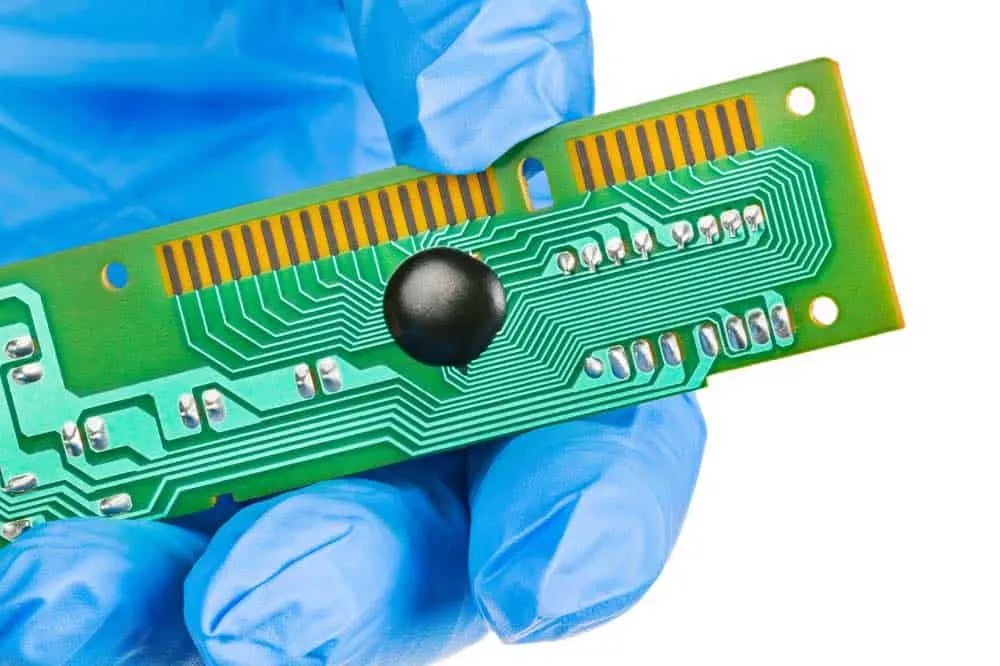
It is a technique of combining separate parts of a component using materials such as nuts and bolts.
The term is also common when referring to the output structures that result from the process we’ve discussed in our preceding statement.
Primarily, mechanical assembly is a temporary connection mode and allows easy fixing of replacements in case of issues with the main parts.
The other alternatives to mechanical assembly include riveting, spot welding, and conventional welding.
Of these options, only riveting is closer to mechanical assembly methods as it doesn’t involve the permanent connection of parts.
What is Electro-Mechanical Assembly?
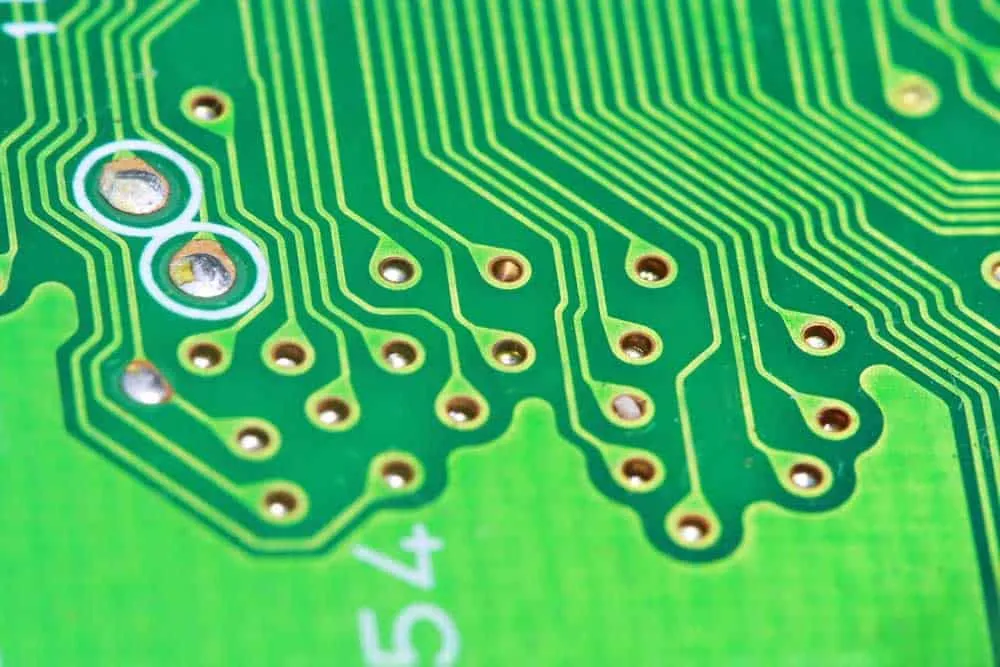
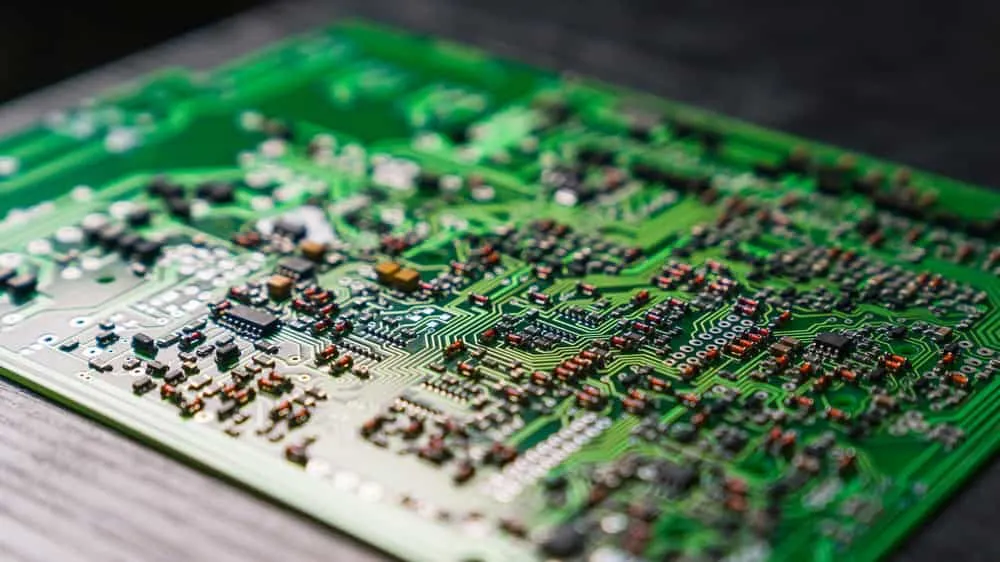
It is a merger assembly mode that combines mechanical parts and electrical equipment to create an output product that utilizes electricity for operation.
For example, a wall clock is an Electromechanical Assembly Product.
It features mechanical components (casing and pointers) and uses an electrical power system.
Also, the typical PCB assembly is a complex Electro-Mechanical Assembly system.
Mechanical Assembly Process
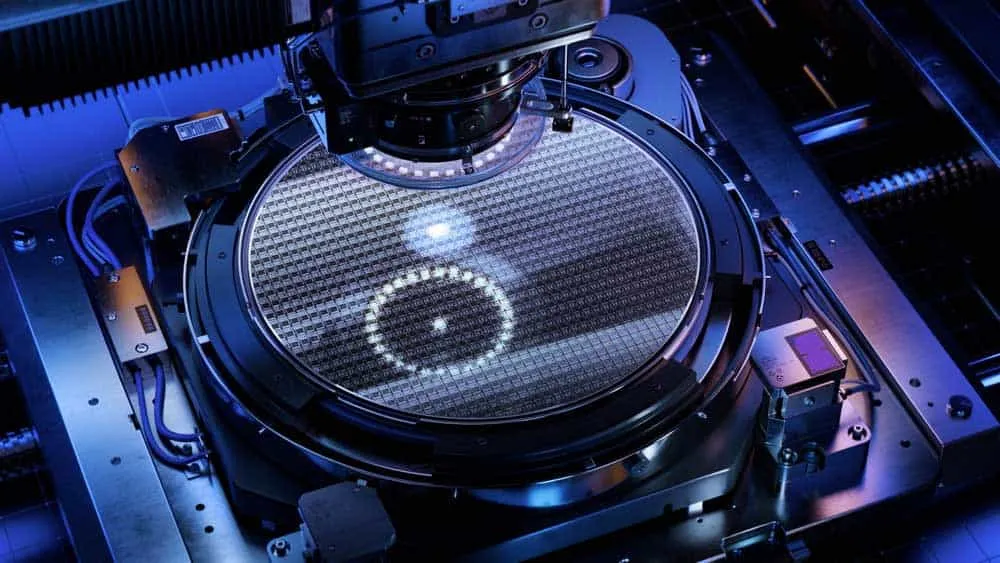
The underlying common materials in all mechanical assembly processes are fasteners such as screws and bolts.
Nonetheless, we do not always use fasteners. Sometimes, the manufacturing industry creates an interlocking system of parts that fit into each other without fasteners.
An example of such a system is an electronic equipment cover.
**Mechanical Fastening Types ** 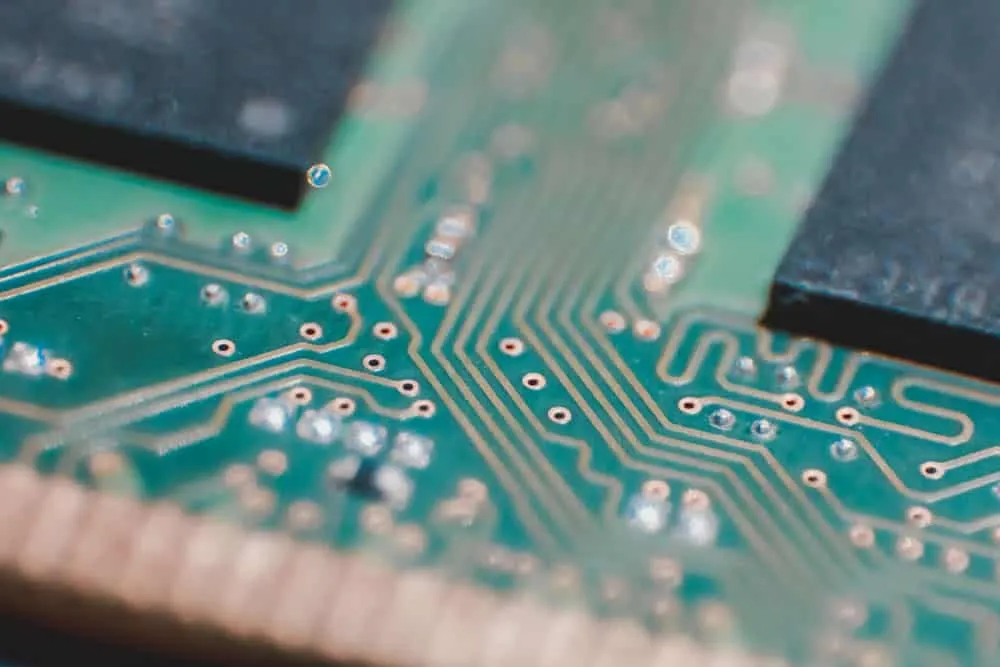 *Bolts and Nuts in Assembly.*
During mechanical assembly, the methods and types depend on the kind of permanence the electronics manufacturer wants.
Thus, we have two main types of fastening mechanisms.
**Easy Disassembly Type**
It is an assembly mode that contract manufacturers create when creating components that are easy to disassemble.
Examples of materials we use as fasteners in this mode include threaded fasteners like bolts and nuts.
**Permanent Joint Type**
Next, we have a mechanical method to create a more permanent joint than the abovementioned fasteners.
An example is a rivet fixture. Primarily it’s a nail/pin passing between two different materials.
It features flattened heads on both ends to ensure the parts are secure.
Mechanical Assembly Applications
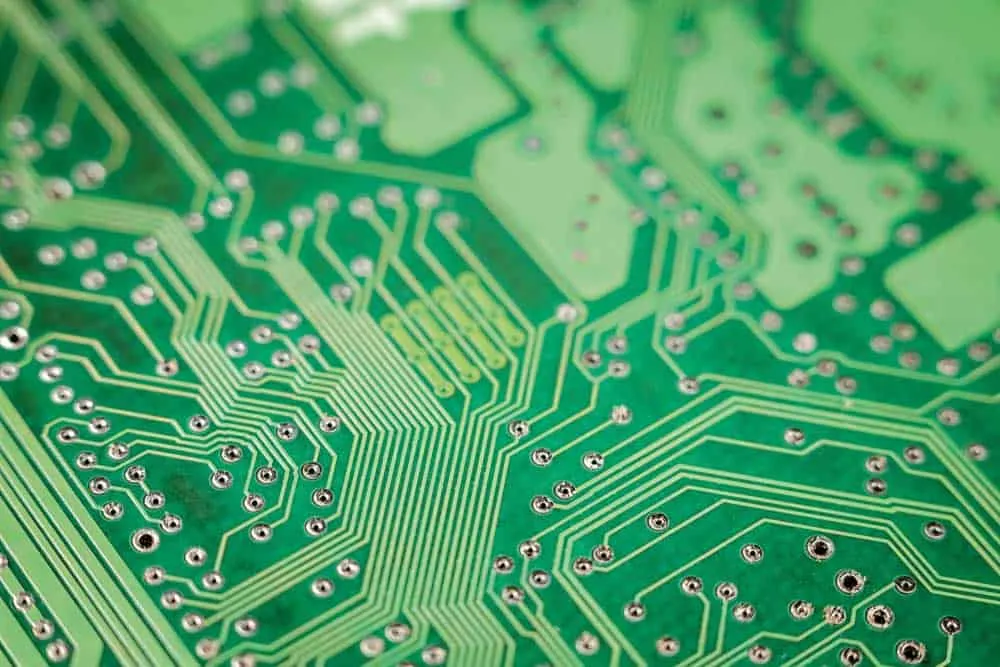
- - This assembly mode has a wide range of applications that range from electronic device assembly to automobile fabrications.
- Also, airplanes use mechanical assembly in parts assembly.
- Finally, mechanical assembly is also essential in the industrial setup, whereby it’s imperative in manufacturing various machine tools.
Benefits of Mechanical Assembly
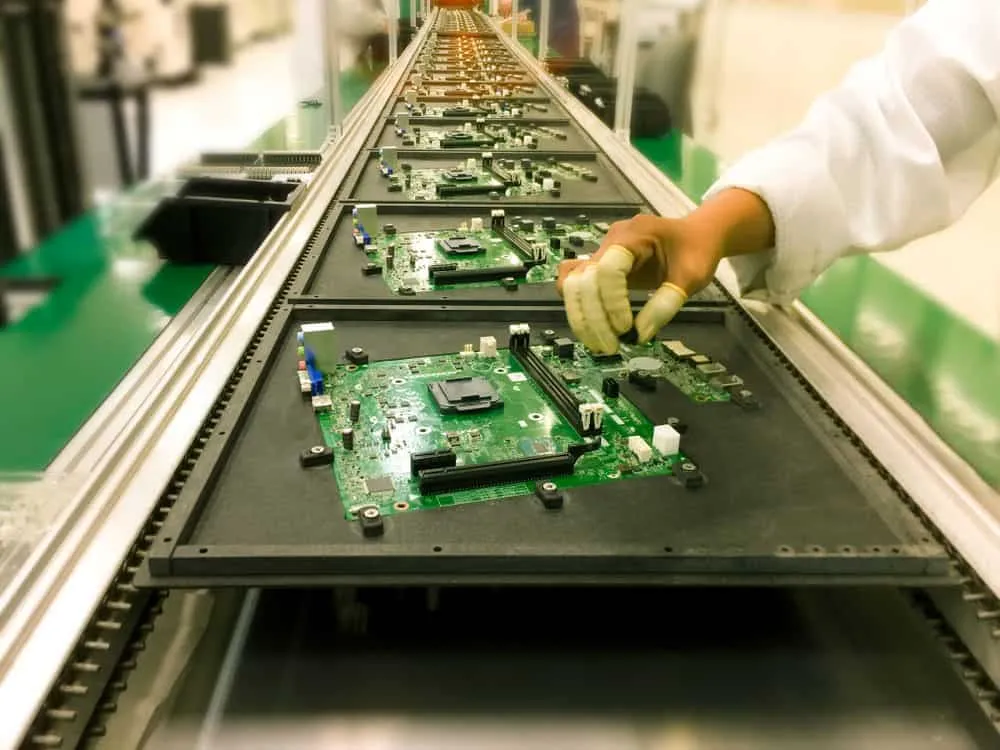
- - Electro-mechanical manufacturers prefer this assembly mode because it allows easy assembly and inspection of parts.
- Also, the method allows assemblage from almost anywhere if one has the necessary tools. It also applies to disassembly.
- Thirdly, with the mode, it’s easy to create semi-permanent joints without a hassle.
Drawbacks of Mechanical Assembly

- Although the method is highly popular, it can barely hold together the parts in high-vibration applications.
- Also, the materials the technique uses are specific and thus very pricey. For instance, you must have the right type and size of nuts and bolts to fit in a particular point; otherwise, they won’t work.
Common Assembly Options  *Automatic Assembly Technology. *
Mechanical assembly takes three primary forms depending on the levels of permanence the manufacturer wants and the use of the output parts.
**Sub Assembly**
From its name, it is apparent that this technique pre-combines the related components and then undergoes a subsequent assembly process to create the final product.
Take a company that deals in the manufacturing of electronic devices but doesn’t have the latest assembly technologies to meet consumer demands.
Such a firm may opt to engage the services of another company specialized in that trade.
It is an example of subassembly, and its primary trade name is contract assembly.
The main reason manufacturers take the service of sub-assembly firms is that they provide expertise in manufacturing.
Also, it significantly assists companies in reducing production time, lowering the wait time for production and enabling scalability and throughput.
**Partial Assembly**
So how is partial assembly different from subassembly?
While the latter primarily involves outsourcing assembly services from a specialized company, partial assembly is unique.
In partial assembly, only a few of the parts are assembled.
These parts then undergo another assembly process for full assembly.
Partial assembly is, therefore, common for the manufacturing of parts. They undergo a subsequent assembly process to create the final product.
Partially commonly happens when the parts are assembled in an outside industry and shipped to the manufacturer.
**Full assembly**
This method involves the entire assembly of the parts and the configuration of components.
The company marketing the product has barely anything they need to do to it. It is because the manufacturer virtually handles everything.
As a manufacturer with all the tools and expertise handless all processes, it is critical to the economics of assembly automation.
Summary
Assembly manufacturing is an age-old practice, although the art of production has been undergoing numerous improvements.
It means the processes are highly refined and streamed in the industrial assembly.
The output products are up to the industrial standards to the extent that they can overcome the drawbacks outlined earlier.
Therefore, we can only expect further positive changes in the assembly manufacturing space. Learn more about our PCB assembly services and manufacturing capabilities.
Related Articles
Continue exploring similar topics
PCB Assembly Machine
So assemblers need high-tech PCB assembly machine to mount and weld components on the board to make the circuit function as required.
What Is First Article Inspection?
What is a first article inspection?
What is CNC Technology? Industrial Guide
Discover what CNC technology is and how computer numerical control revolutionizes manufacturing. Learn about CNC machining applications in electronics assembly and PCB production.
Ready to bring your PCB design to life?
Get an engineer-reviewed quote for your custom PCB fabrication and assembly needs.
Request a Quote