UL Marking on PCB Guide: Certification Requirements, UL 796 Standards & Process
Complete guide to UL marking on PCBs. Learn about UL 796 certification requirements, flammability ratings, testing procedures, and how to obtain UL certification for printed circuit boards.
UL marking on printed circuit boards represents third-party verification that boards meet established safety standards for electrical and fire performance. This certification opens doors to North American markets while demonstrating commitment to product safety. Understanding UL requirements helps manufacturers navigate the certification process efficiently and maintain compliance throughout production.
What is UL Certification for PCBs?
Underwriters Laboratories (UL) is a global independent safety science organization with over 125 years of expertise in safety solutions. Founded in 1894, UL has become one of the most recognized safety certification organizations worldwide, particularly in North America where the UL mark is the most widely accepted proof of product safety compliance.
UL certification for PCBs involves rigorous testing and evaluation against established safety standards. The certification verifies that printed circuit boards meet specific requirements for electrical insulation, thermal endurance, flammability resistance, and mechanical strength. Boards passing these evaluations receive authorization to bear the UL mark, indicating third-party verification of safety performance.
The certification process goes beyond initial testing. UL conducts ongoing factory inspections and periodic retesting to ensure continued compliance. Manufacturers must maintain documented quality systems, use approved materials, and follow certified processes. This systematic approach ensures that every board produced under UL certification meets the same safety standards as the original samples tested.
For electronics manufacturers, UL certification provides market access, liability protection, and customer confidence. Many industries require UL-certified components, making certification essential for serving aerospace, medical device, telecommunications, and consumer electronics markets.
UL 796 Standard for Printed-Wiring Boards
UL 796 is the primary safety standard governing printed circuit board certification. This comprehensive standard addresses materials, construction, and performance requirements ensuring PCBs operate safely under normal and abnormal conditions. The standard covers both rigid and flexible boards across diverse applications.
Key Requirements Under UL 796
Dielectric Strength: PCBs must withstand specified voltages without breakdown. UL 796 specifies withstanding voltage of 40V/mil (1.6kV/mm) between conducting traces. Testing applies elevated voltages to verify insulation integrity under electrical stress.
Thermal Endurance: Boards must maintain performance through temperature extremes. Testing exposes PCBs to elevated temperatures for extended periods, verifying that materials and construction remain stable without degradation affecting safety or function.
Mechanical Strength: Physical testing evaluates board integrity under stress. Flexural strength, bond strength, and dimensional stability measurements ensure boards survive handling, assembly, and operational conditions without failure.
Flammability Rating: Perhaps the most critical aspect, UL 796 classifies PCBs based on flame resistance. This classification determines acceptable applications and often drives material selection decisions.
Environmental Testing
UL certification requires testing under simulated real-world conditions:
- - Humidity Exposure: Testing at up to 85% relative humidity evaluates moisture resistance and insulation stability
- Temperature Cycling: Exposure to extremes from -40°C to +85°C verifies performance across operating ranges
- Electrical Stress: Applying voltages up to 500V or higher tests insulation integrity under load
These tests ensure boards remain safe and functional even under challenging environmental conditions.
UL 94 Flammability Ratings
UL 94 establishes flammability classifications for plastic materials, including PCB laminates and solder masks. This standard supports UL 796 certification by characterizing how materials behave when exposed to flame. Understanding these ratings helps engineers select appropriate materials for their applications.
V-0 Rating (Highest)
V-0 represents the highest flame resistance rating. Materials achieve V-0 classification when:
- - Burning stops within 10 seconds after flame removal
- No flaming drips ignite cotton indicator below the sample
- Total flaming time for five specimens does not exceed 50 seconds
Most commercial and industrial PCB applications require V-0 rated materials, making this the standard specification for safety-critical electronics.
V-1 Rating
V-1 classification indicates good flame resistance with slightly relaxed requirements:
- - Burning stops within 30 seconds after flame removal
- No flaming drips ignite cotton indicator
- Total flaming time does not exceed 250 seconds
V-1 materials suit applications with less stringent flammability requirements where V-0 materials may be cost-prohibitive.
V-2 Rating
V-2 represents the minimum vertically-tested flame rating:
- - Burning stops within 30 seconds after flame removal
- Flaming drips may ignite cotton (key difference from V-0 and V-1)
- Total flaming time does not exceed 250 seconds
V-2 materials find use in enclosed products where dripping flames pose minimal risk.
HB Rating
HB (Horizontal Burning) represents the lowest classification, requiring only that materials burn slower than a specified rate in horizontal orientation. HB-rated materials suit only limited applications where fire risk is minimal.
Types of UL Marks for PCBs
UL Recognized Component Mark
The Recognized Component Mark is the most common UL marking for PCBs. This mark indicates that the board has been evaluated as a component intended for incorporation into larger products, which will undergo their own complete product evaluations. The mark features a backward "UR" designation.
Recognized components must be used within specified conditions documented in the UL file. Conditions of acceptability define parameters including maximum operating voltage, current limits, environmental conditions, and required protective measures in end products.
UL Listed Mark
The Listed Mark appears on complete products evaluated against published safety standards. While less common for bare PCBs, assembled boards forming complete functional units may carry Listed marks. This designation indicates comprehensive evaluation of the entire product rather than component-level certification.
UL Classification Mark
Classification marks indicate evaluation against specific properties or limited hazard ranges. These specialized marks address particular safety concerns rather than comprehensive product safety. Classification suits applications requiring verification of specific characteristics.
UL Marking Requirements
Required Information
UL-certified PCBs must display specific information:
UL Logo: The recognized UL symbol indicating certification status
File Number: Unique identifier (E-number format like E488074) linking the product to UL's certification database
Manufacturer Identification: Company name or authorized trademark
Flammability Rating: UL 94 classification (V-0, V-1, V-2, or HB)
Additional Designators: Standards met, date codes, or other required information
Marking Methods
UL marks may be applied through various methods:
- - Screen Printing: Most common method, applied during PCB fabrication
- Laser Marking: Permanent marking suitable for small areas
- Ink Stamping: Applied during production with UL-approved inks
- Labels: Adhesive labels for certain applications
Marking must remain legible throughout the product's expected life. Location, size, and durability requirements ensure marks remain visible for identification and traceability.
Documentation Requirements
Beyond physical marking, manufacturers must maintain comprehensive documentation:
- - Material certifications tracing approved materials to incoming lots
- Production records demonstrating process compliance
- Inspection records verifying marking and construction
- Change control documentation for any modifications
This documentation supports traceability and audit compliance.
UL Certification Process
Step 1: Preparation
Before applying for certification, manufacturers must:
- - Select UL-recognized materials for laminates, prepregs, solder masks, and other components
- Design boards meeting electrical spacing and construction requirements
- Implement quality control systems capable of maintaining certified production
- Gather technical documentation including drawings, material specifications, and process descriptions
Thorough preparation reduces delays and additional testing during evaluation.
Step 2: Application Submission
Manufacturers submit applications including:
- - Detailed product specifications and construction drawings
- Bill of materials identifying all components and materials
- Manufacturing process documentation
- Quality system descriptions
- Sample quantities for testing (typically 20-50 boards)
Complete applications accelerate review and reduce information requests.
Step 3: Product Investigation
UL engineers conduct comprehensive evaluation:
- - Construction Review: Verification that design meets standard requirements
- Material Verification: Confirmation that specified materials carry appropriate UL recognitions
- Testing: Laboratory evaluation of electrical, thermal, and flammability performance
- Documentation Review: Assessment of quality systems and traceability capabilities
Testing duration varies based on board complexity and testing schedules, typically requiring 6-12 weeks.
Step 4: Follow-Up Services
Upon successful evaluation, UL establishes follow-up procedures:
- - Quarterly or semi-annual factory inspections
- Periodic product testing from production samples
- Review of change notices for design or material modifications
- Audit of documentation and traceability systems
These ongoing activities ensure continued compliance throughout certification validity.
Step 5: Mark Authorization
Successful certification results in:
- - Issuance of UL file number and authorization to mark products
- Publication in UL's online certification directory
- Provision of marking requirements and conditions of acceptability
- Establishment of inspection schedule
Cost and Timeline Considerations
Certification Costs
UL certification involves several cost categories:
Initial Evaluation: $5,000 to $20,000+ depending on board complexity, number of constructions, and testing requirements
Annual Fees: Ongoing costs for maintaining certification status and file listings
Follow-Up Inspections: Periodic inspection costs based on frequency and scope
Testing: Additional testing for new constructions or material changes
Costs vary significantly based on certification scope. Single construction certifications cost less than programs covering multiple board types and thicknesses.
Timeline Expectations
Typical certification timelines:
- - Application Processing: 2-4 weeks for initial review and information requests
- Testing Period: 4-8 weeks depending on testing queue and complexity
- Report Issuance: 2-4 weeks after successful testing
- Total Duration: 6-12 weeks for standard certifications
Complex certifications or applications requiring additional testing may extend significantly beyond these estimates.
Maintaining UL Certification
Ongoing Requirements
Maintaining certification requires continuous attention:
- - Quality System Maintenance: Documented systems ensuring consistent production
- Material Control: Using only UL-recognized materials from approved suppliers
- Process Control: Following certified manufacturing procedures
- Change Management: Submitting variations for approval before implementation
Common Compliance Issues
Certification problems typically arise from:
- - Unauthorized material substitutions without UL approval
- Process changes affecting board construction or performance
- Inadequate incoming material verification
- Documentation gaps preventing traceability
- Marking errors or omissions
Addressing these issues promptly prevents certification suspension.
Certification Suspension and Reinstatement
UL may suspend certification for:
- - Failed follow-up inspections revealing non-conformances
- Use of unauthorized materials or processes
- Inadequate corrective action for identified issues
- Failure to maintain required documentation
Reinstatement requires demonstrating corrective actions and may involve additional testing or inspection.
Benefits of UL Certification
Market Access
UL certification opens doors to North American markets where the UL mark is widely recognized. Many customers, retailers, and regulatory authorities specifically require UL-certified components. Without certification, manufacturers face significant barriers in automotive, medical, aerospace, and consumer electronics markets.
Liability Protection
Using UL-certified components provides liability protection in product safety incidents. Third-party certification demonstrates due diligence in component selection. Insurance considerations often favor products incorporating certified components.
Customer Confidence
The UL mark represents recognized assurance of safety testing. Customers across industries understand UL certification, reducing qualification requirements and accelerating approval processes. Many procurement specifications simply require UL certification rather than detailed technical evaluations.
Quality Validation
Beyond safety, UL certification validates quality systems and manufacturing capabilities. The ongoing inspection program ensures consistent production meeting established standards. This systematic quality approach benefits overall manufacturing performance.
UL vs. Other Certification Standards
| Aspect | UL | CE | CSA | TÜV | |--------|----|----|-----|-----| | Geographic Focus | North America | European Union | Canada | Europe/Global | | Self-Declaration | No | Allowed | No | No | | Third-Party Testing | Required | Often Required | Required | Required | | Recognition | High in N. America | Required in EU | High in Canada | High in Europe | | Follow-Up Inspections | Required | Varies | Required | Required |
While UL focuses primarily on North American markets, its international recognition often facilitates obtaining other certifications. Many manufacturers pursue multiple certifications to access global markets.
Summary
UL marking on PCBs provides third-party verification of safety compliance, enabling market access and demonstrating quality commitment. Understanding UL 796 requirements, flammability ratings, and certification processes helps manufacturers navigate the path to certification efficiently. While costs and timeline investments are significant, the benefits of market access, liability protection, and customer confidence justify certification for manufacturers serving demanding industries.
For PCB manufacturing using UL-recognized materials and controlled documentation, contact WellPCB for expert guidance and compliant production support.
Frequently Asked Questions
Is UL certification mandatory for all PCBs?
UL certification is not legally mandatory for all PCBs, but many customers and industries effectively require it. Aerospace, medical devices, telecommunications, and consumer electronics commonly specify UL-certified components. Market access often depends on certification status.
How long does UL certification take?
Typical UL certification takes 6-12 weeks from application submission to mark authorization. Timeline varies based on board complexity, testing requirements, and UL's workload. Complete applications with proper documentation generally process faster.
What is the cost of UL certification for PCBs?
Initial UL certification typically costs $5,000 to $20,000+ depending on complexity and scope. Additional ongoing costs include annual fees and follow-up inspections. Multi-construction certifications covering various board types cost more than single-construction programs.
Can PCBs lose UL certification?
Yes, UL certification can be suspended or revoked for non-compliance. Common causes include unauthorized material changes, failed inspections, inadequate documentation, or failure to maintain quality systems. Reinstatement requires demonstrating corrective actions.
What does UL 94 V-0 mean on a PCB?
UL 94 V-0 indicates the highest flammability rating, meaning the board material self-extinguishes within 10 seconds after flame removal without producing flaming drips. Most commercial and industrial applications require V-0 rated materials for fire safety.
Related Articles
Continue exploring similar topics
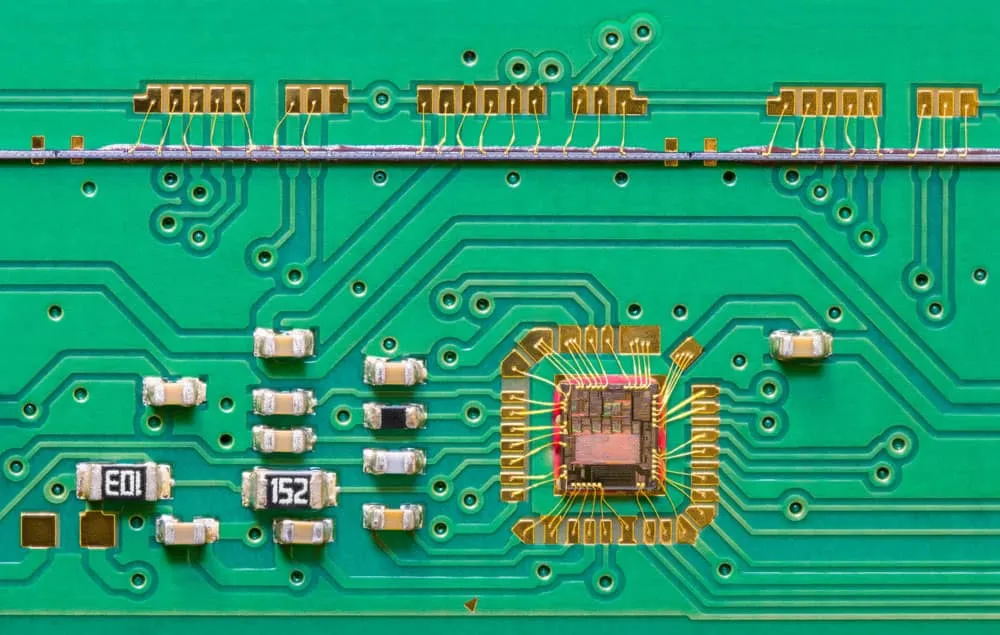
AOI Testing Guide: PCB Automated Optical Inspection Explained
Complete guide to Automated Optical Inspection (AOI) for PCB manufacturing. Learn how AOI works, defect detection capabilities, 2D vs 3D systems, and implementation best practices.
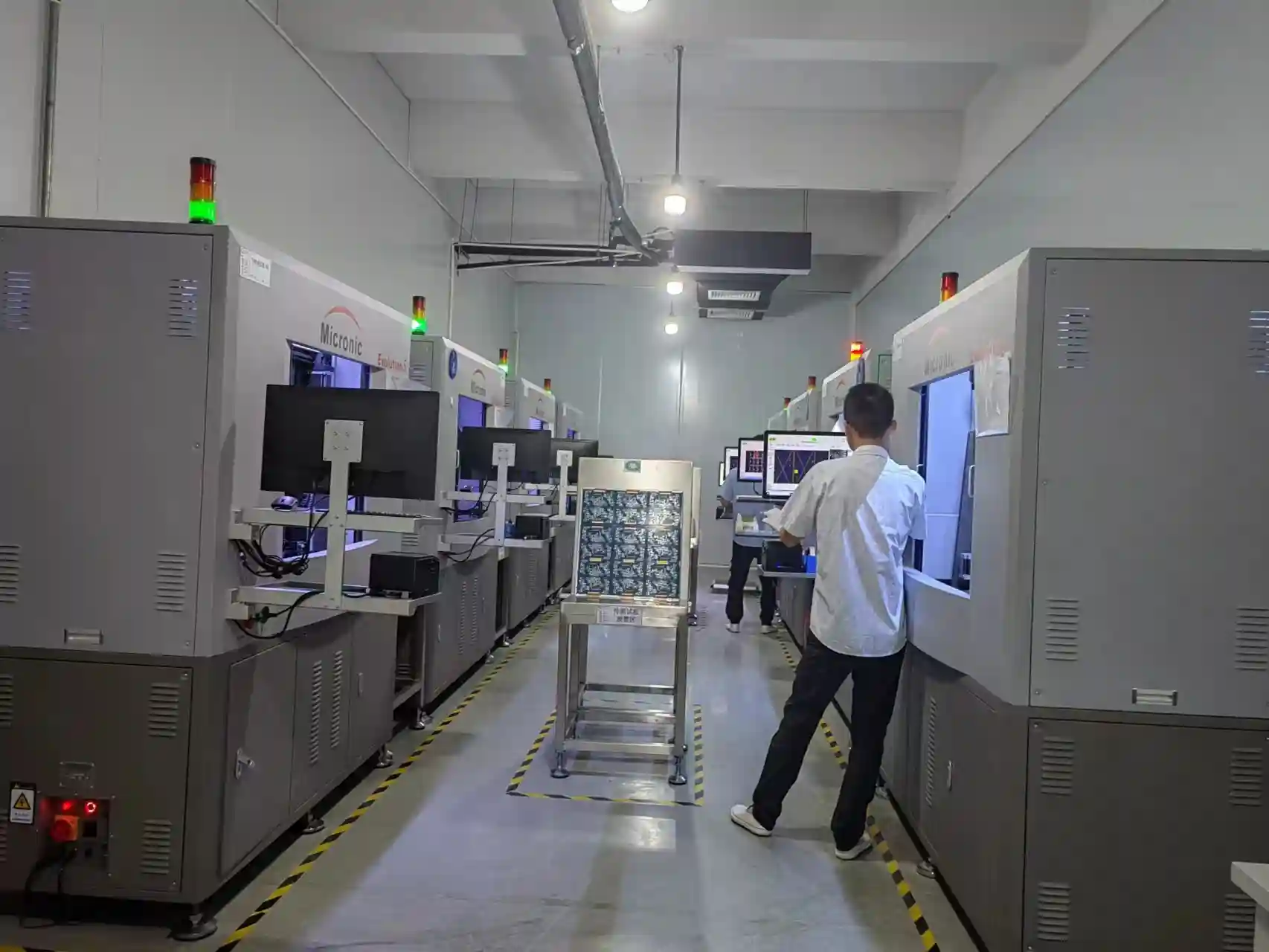
Bed of Nails Test Fixture Guide: PCB In-Circuit Testing Explained
Complete guide to bed of nails test fixtures for PCB testing. Learn about fixture types, pogo pins, ICT procedures, and quality control applications.
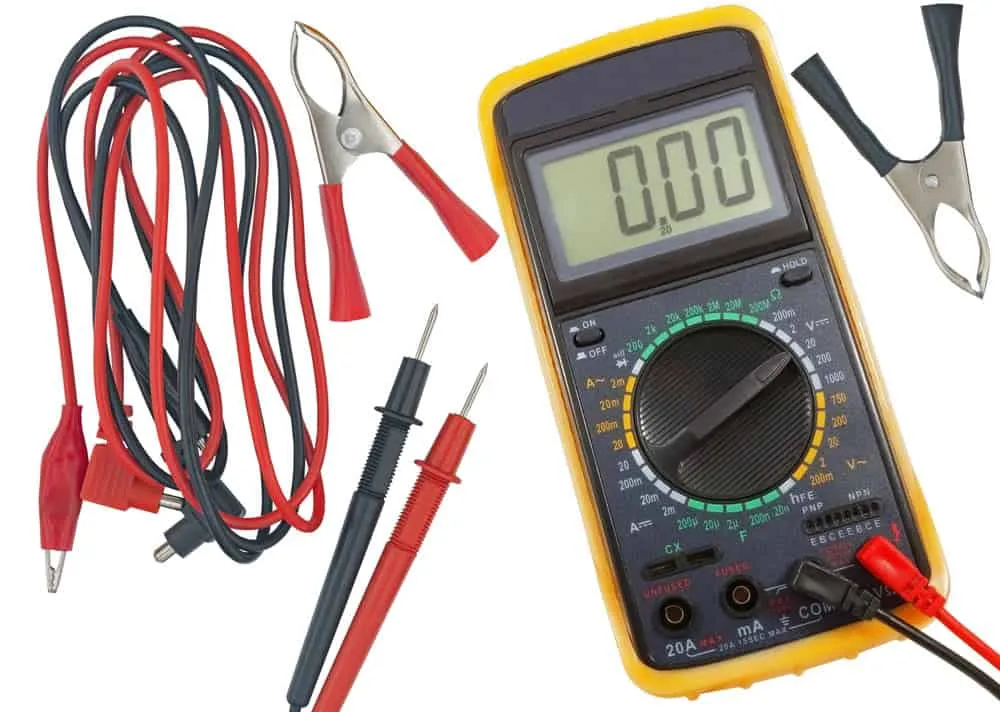
Double-Sided PCB: Complete Design and Manufacturing Guide
Master double-sided PCB design with our comprehensive guide covering manufacturing processes, layout strategies, via specifications, and cost optimization tips.
Ready to bring your PCB design to life?
Get an engineer-reviewed quote for your custom PCB fabrication and assembly needs.
Request a Quote