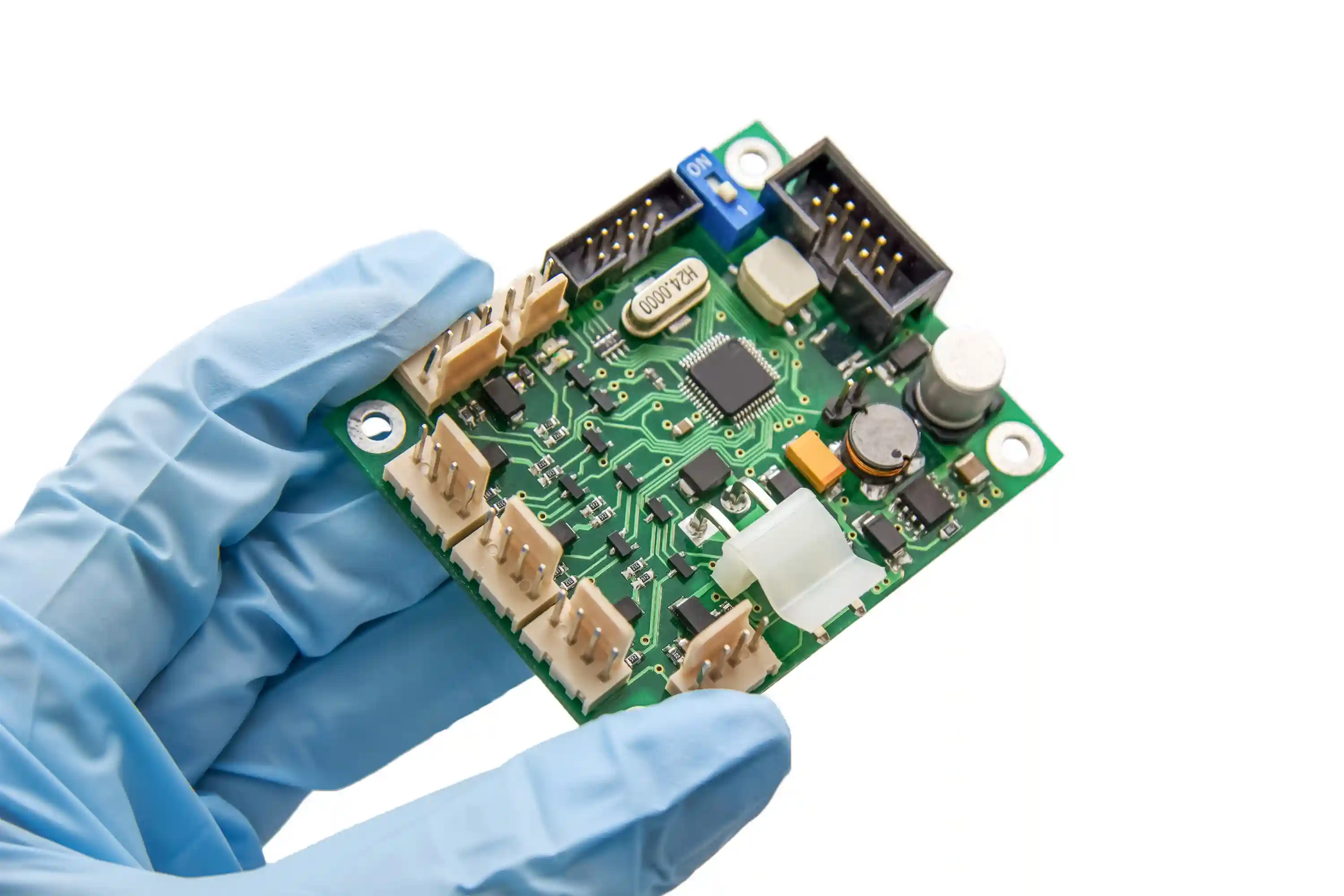
Residue Control, Cleanliness Evidence, and Coating Readiness
PCBA Cleaning and Ionic Contamination Testing for Reliable Release
PCBInsider supports PCB assembly programs where flux residue, manual rework, moisture exposure, coating, potting, or high impedance circuits make cleanliness a release risk. We review the soldering chemistry, cleaning method, test evidence, and downstream protection step before the lot leaves production.
ROSE / IC
Cleanliness evidence by requirement
IPC-J-STD-001
Soldering process context
Coating Ready
Residue review before protection
24 hours
Quote review for complete files
TL;DR
- PCBA cleaning removes residues that can cause leakage current, corrosion, coating failure, or intermittent field faults.
- Ionic contamination testing verifies whether conductive residues remain after soldering, rework, handling, or wash cycles.
- This service fits PCBAs heading into conformal coating, potting, outdoor use, medical equipment, or high-impedance circuits.
- PCBInsider ties cleaning method, flux chemistry, inspection, and release evidence to the buyer's drawing and risk level.
Cleanliness Is a Manufacturing Control, Not a Cosmetic Wash
PCBA cleaning is a controlled manufacturing process that removes flux residue, handling residue, process chemistry, and rework contamination from an assembled circuit board. Ionic contamination is conductive residue that can support leakage current, corrosion, dendritic growth, or electrochemical migration when moisture and voltage are present. ROSE testing is a bulk ionic cleanliness screen used to monitor whether a cleaning process is stable, while ion chromatography is a more specific lab method that can identify individual ions when the buyer needs deeper evidence.
The standards context should guide the release plan without turning into vague certification language. IPC provides the industry context behind IPC-J-STD-001, IPC-A-610, and IPC-TM-650 references used in electronics assembly. ISO 9000 explains quality-management systems such as ISO 9001, which matters when cleanliness records, deviations, and corrective action must stay traceable. Public reliability engineering references also help buyers connect residue control to field risk rather than treating cleaning as a checkbox.
Flux Residue and Wash-Process Review
Engineering reviews solder paste, flux type, water-soluble or no-clean status, rework history, component standoff, and keep-out areas before selecting a wash or no-wash route.
Ionic Contamination Screening
ROSE-style screening or ion-chromatography planning can be tied to shipment release when buyers need evidence that corrosive or conductive residues are under control.
Coating and Potting Readiness
Cleaning is reviewed before conformal coating, staking, potting, or enclosure sealing so residue is not trapped under a protective film or inside a closed module.
High-Risk PCBA Handling Controls
High-impedance analog boards, RF modules, medical electronics, outdoor sensors, and dense BGA assemblies can receive tighter glove, wash, dry, and packing controls.
Release Records for OEM Buyers
For higher-risk lots, the release package can include cleaning route, chemistry context, lot ID, sample plan, test result, deviation notes, and coating handoff status.
Trade-Off Review, Not Blanket Washing
Some PCBAs should be washed, some should stay no-clean, and some need localized rework cleaning only. The decision depends on residue risk, component compatibility, and test evidence.
Representative project type (illustrative)
Cleanliness Records That Travel With the Production File
When a product moves from harness supply into integrated PCB/PCBA manufacturing, residue control should travel with the same production record as soldering, inspection, sourcing, and final assembly. Consolidating board build, component sourcing, and integration under one engineering team keeps the cleanliness evidence connected to every release.
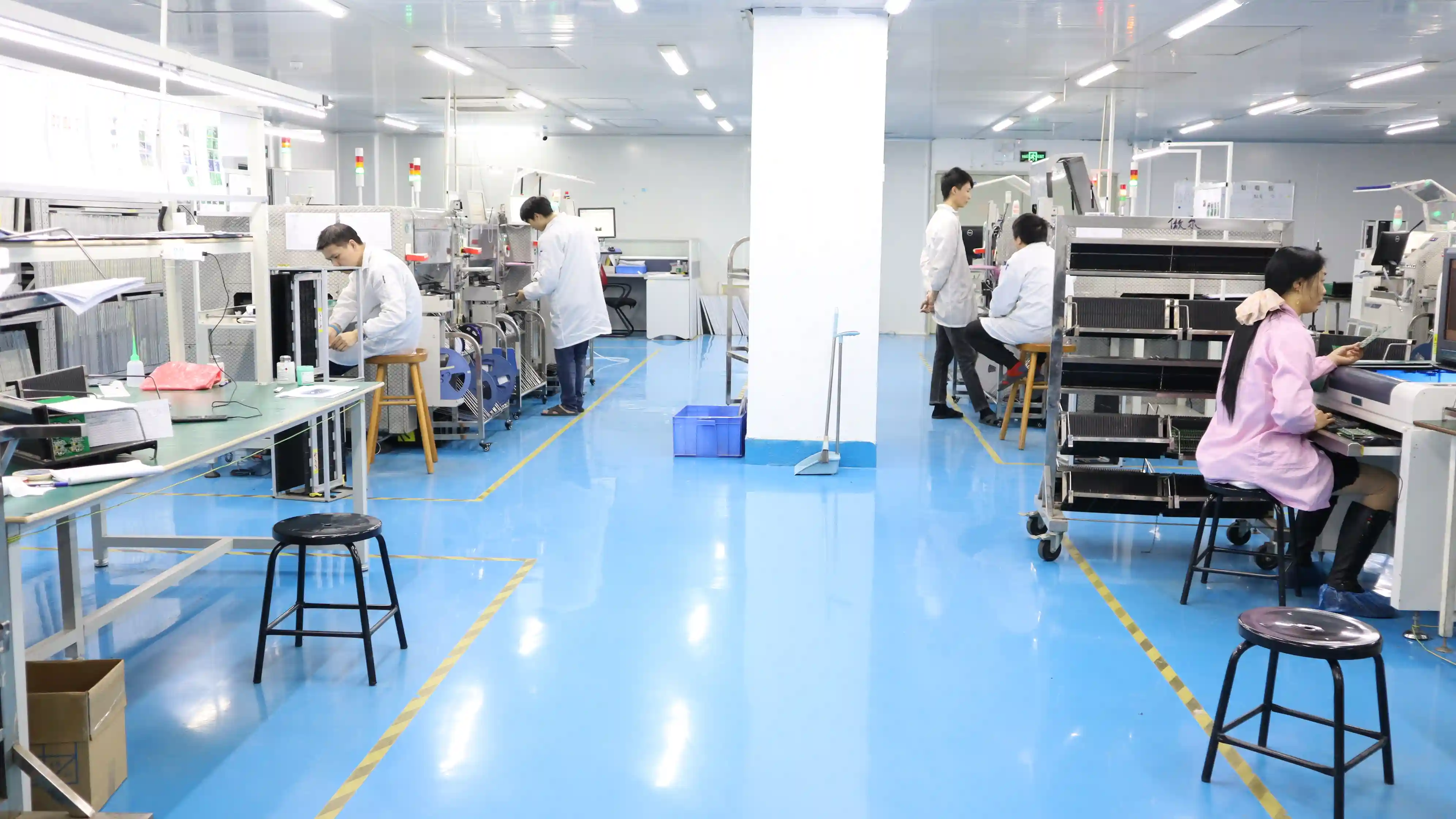
In a representative industrial program, an ionic contamination result and visual inspection summary are filed alongside the build records, so the buyer can trace cleanliness back to the same lot, station, and process as the rest of the assembly.
Illustrative example of a typical project type. Not a specific customer or order.
Capability Scope and Release Limits
Service focus
PCBA cleaning review, residue-risk control, ionic contamination testing support, and cleanliness release evidence
Best-fit builds
Conformal-coated boards, potted modules, outdoor sensors, medical support electronics, industrial controls, and high-impedance circuits
Release inputs
BOM, Gerber or ODB++, assembly drawing, solder paste or flux data, cleaning note, coating or potting sequence, and target environment
Cleaning routes
Aqueous wash, ultrasonic review by component compatibility, manual localized cleaning, no-clean validation, drying, and packing control
Test evidence
ROSE screening, ion chromatography by requirement, visual inspection, residue photo records, and lot-level cleanliness notes
Standards context
IPC-J-STD-001 soldering process expectations, IPC-A-610 workmanship review, and IPC-TM-650 test-method context by buyer requirement
Typical decision point
Before conformal coating, before potting, after heavy rework, after water-soluble flux, or before release to humid and polluted field environments
Out of scope
We do not use cleaning to rescue incompatible component design, unknown chemistry, or field-failed products without buyer-approved investigation rules
Best-fit service profile
This service fits buyers who already know their PCBA will face moisture, coating, potting, high impedance, or field reliability pressure. If the main issue is visible workmanship and release records, start with PCBA quality assurance and add cleanliness testing where the risk justifies it.
"A board can look clean and still carry ionic residue under a low-standoff part. For coating-bound products, I want the cleaning route and evidence defined before the first production lot, not after the coating fails."
Hommer Zhao
Founder & General Manager
Cleaning Decision Map for RFQ Review
The strongest RFQ does not simply ask whether the supplier can clean boards. It defines the residue source, product exposure, downstream process, and evidence level. This map helps buyers decide when cleaning, no-clean validation, or formal contamination testing belongs in the quote.
Condition
Likely route
Buyer concern
Water-soluble flux
Usually requires controlled washing and drying
Strong soldering activity can leave corrosive residues if the wash window is missed.
No-clean flux
May stay in place when residue is benign and the environment is moderate
Cleaning can be required when coating, high impedance, heat, or customer cleanliness limits change the risk.
Conformal coating
Cleanliness review should happen before coating
A protective film can trap residues and make later diagnosis or rework harder.
Dense BGA or QFN
Cleaning route needs standoff and entrapment review
Low standoff packages can hold chemistry and moisture under the body if the process is weak.
Manual rework
Localized cleaning and inspection should be documented
Hand flux, fingerprints, and solvent residue can create local leakage or coating adhesion issues.
Production Workflow
The workflow keeps cleaning, testing, inspection, and downstream coating or potting aligned to the same PCBA revision.
1
Review the residue risk
We check the flux system, soldering process, rework history, component sensitivity, field environment, coating plan, and drawing notes before choosing the cleanliness path.
2
Confirm cleaning compatibility
Engineering reviews connectors, labels, switches, buzzers, displays, batteries, shields, relays, and low-standoff parts that may limit aqueous, ultrasonic, or solvent cleaning.
3
Run cleaning and drying controls
The approved process controls wash exposure, rinse, dry time, operator handling, ESD discipline, and post-clean inspection before the lot moves downstream.
4
Test or sample by requirement
Cleanliness evidence can include ROSE screening, ion chromatography planning, visual inspection, photo records, or buyer-defined sample rules tied to the shipment lot.
5
Release coating-ready PCBAs
The final record confirms whether the lot is ready for conformal coating, potting, box build, or direct shipment, including any deviations approved by the buyer.
RFQ Checklist for Cleanliness-Controlled PCBAs
A quote package should let engineering decide whether the lot needs wash, no-clean validation, sample testing, coating-ready records, or a lighter localized cleaning path.
Solder paste, flux, and hand-solder chemistry information
Assembly drawing with cleaning, coating, or potting notes
BOM items sensitive to wash, ultrasonic energy, solvent, or heat
Target environment: humidity, salt, dust, chemical, or condensation risk
Requested evidence: ROSE, ion chromatography, photos, or lot notes
Sample plan, cleanliness limit, and report format if already specified
Rework areas, first article expectations, and deviation approval rules
Downstream sequence for programming, test, coating, potting, and box build
Trade-Off: Wash Everything or Validate No-Clean?
Washing every assembly sounds safer, but it can create new risks when components trap liquid, labels absorb chemistry, or drying is incomplete under low-standoff packages. A no-clean process can be more stable when the product environment is controlled and the residue is compatible with the field use.
The decision changes when the PCBA will be coated, potted, exposed to condensation, or used in high-impedance analog circuits. In those cases, PCBInsider reviews whether cleaning evidence is worth the added handling and test cost before the lot reaches final assembly.
A Representative Cross-Category Signal
A typical buyer who starts with wire harness supply often expands into board design and PCB assembly discussion. The pattern to plan for is: cross-category expansion with multi-department engagement.
For cleanliness-controlled PCBAs, that means the harness, PCBA, coating, and final assembly teams need a shared release sequence instead of separate supplier assumptions.
PCBA Cleaning and Ionic Contamination Testing FAQ
What files do I need for a PCBA cleaning and ionic contamination testing quote?
Send the BOM, Gerber or ODB++ data, assembly drawing, solder paste and flux information, cleaning note if one exists, coating or potting sequence, annual quantity, and target field environment. If the board has low-standoff BGAs, relays, switches, displays, batteries, labels, or sealed connectors, flag them early because those parts can change the cleaning route and sample plan.
Is no-clean flux enough for conformal coating?
No-clean flux can be acceptable when the residue is benign for the product environment, but it is not automatic approval for conformal coating. Coating can trap residue, reduce rework visibility, and create adhesion problems if the board surface is not ready. For coating-bound PCBAs, the better RFQ question is whether the supplier has reviewed flux chemistry, component standoff, rework areas, coating material, and the buyer's cleanliness evidence requirement together.
Can you support ROSE testing and ion chromatography?
We can plan PCBA cleanliness release around ROSE-style ionic contamination screening and ion chromatography requirements when the buyer defines the sample plan, limit, extraction method, and reporting need. ROSE is useful as a process monitor, while ion chromatography is stronger when the buyer needs ion-specific evidence. PCBInsider will align the requested evidence with IPC-TM-650-style method context and the actual production process.
When should I add ionic contamination testing to a PCB assembly order?
Add it when the assembly has water-soluble flux, heavy manual rework, conformal coating, potting, high impedance, fine-pitch low-standoff packages, humid service, outdoor exposure, or a field history of leakage and corrosion. In a representative industrial program, a buyer consolidated wire harness, PCB/PCBA, and component sourcing under one supplier so the board build and integration could be handled together. That type of integrated build benefits from making cleanliness evidence part of the same production record.
Will cleaning damage components on my circuit board?
Cleaning can damage or contaminate unsuitable components if the process is selected blindly. Batteries, buzzers, displays, relays, open switches, paper labels, unsealed connectors, some sensors, and trapped cavities need compatibility review. The cleaning route should be approved before production, not discovered after a first article fails. If a component cannot tolerate full wash, localized cleaning or a different soldering chemistry may be the better route.
How does PCBA cleaning fit with potting, box build, or final assembly?
Cleaning normally belongs after soldering and rework, before conformal coating, potting, final enclosure sealing, or box build. If programming, ICT, or functional testing happens after cleaning, the traveler should protect the cleaned condition during handling. For sealed products, confirm whether final cable routing, labels, and enclosure hardware introduce new contamination risks before the finished unit ships.
What standards matter for PCBA cleanliness?
IPC-J-STD-001 is relevant to soldered electrical and electronic assembly process expectations, IPC-A-610 frames visible workmanship review, and IPC-TM-650 test methods are commonly referenced for cleanliness-related test context. ISO 9001 matters for document control, traceability, and corrective action. The buyer still needs to define the actual cleanliness limit, sampling rule, and report format because standards context alone does not define the product's field risk.
Related Services
Conformal Coating Service
Use this when cleanliness control needs to feed a coating, masking, cure, and UV-inspection release plan.
PCBA Quality Assurance
Add first article records, inspection gates, deviation control, and buyer-readable release evidence for higher-risk PCBAs.
PCB Assembly (PCBA)
Place cleaning and cleanliness testing inside the full SMT, through-hole, inspection, and test workflow.
Epoxy Potting Electronics
Coordinate residue review before encapsulation traps a board inside epoxy, silicone, or other protective material.
Solder Paste Inspection Service
Use SPI feedback when solder paste volume, slumping, or repeat defects create downstream cleaning and residue problems.
Buyer Guides
Ionic Contamination Testing for PCB Assembly
Buyer guide to ROSE, ion chromatography, residue limits, and contamination-risk specification.
Conformal Coating for PCB Assembly
How masking, cleanliness, coating chemistry, and inspection should line up before release.
What Is Flux in Soldering?
Practical background on flux types, no-clean assumptions, water-soluble residue, and cleaning decisions.
Need a Cleanliness-Controlled PCBA Release Plan?
Send your BOM, Gerber package, solder chemistry, cleaning note, coating or potting plan, and target quantity. PCBInsider will review whether your program needs wash control, no-clean validation, ROSE screening, ion chromatography planning, or a combined release package.
Reviewed by: PCBInsider Engineering Team