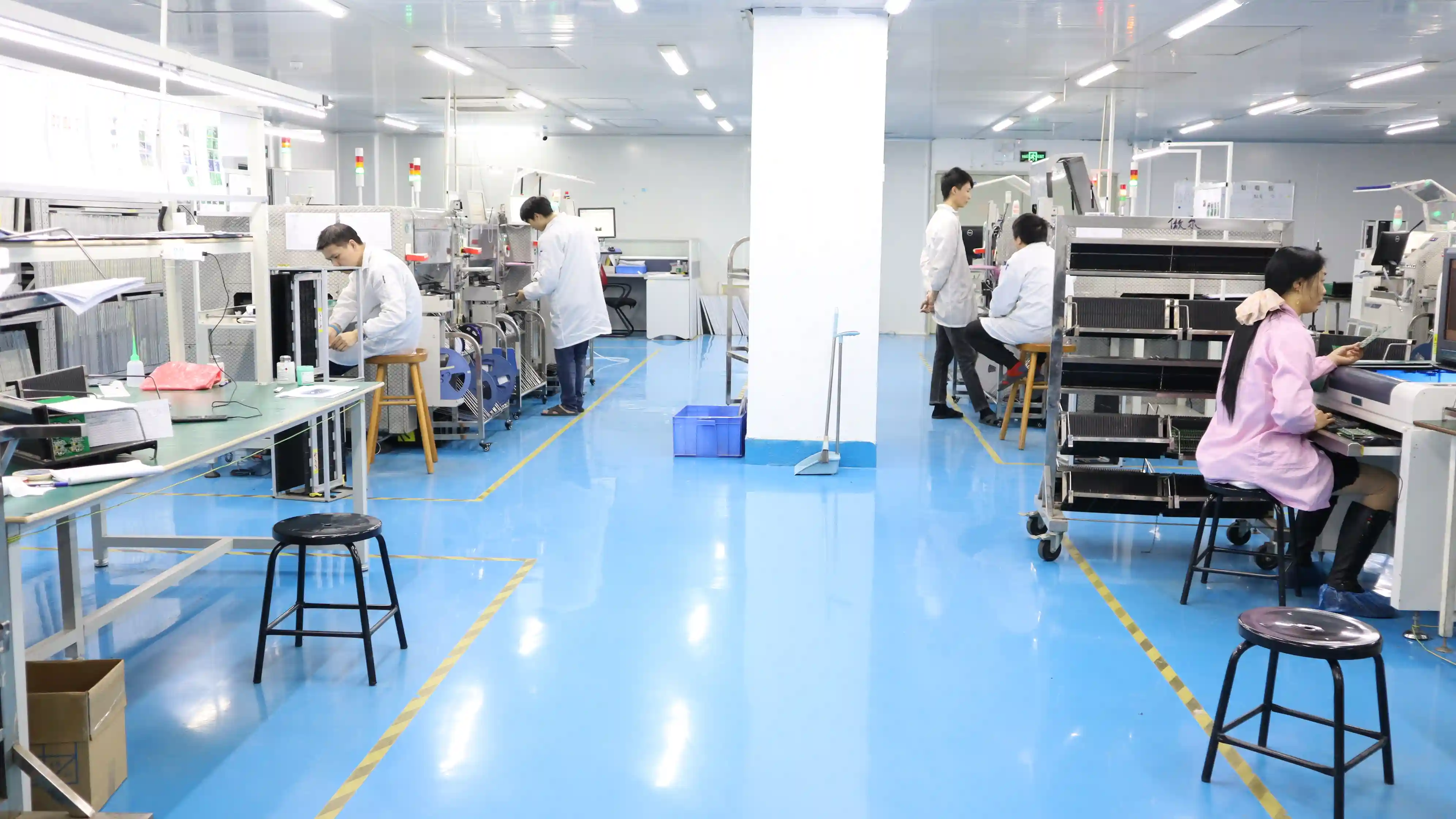
Gerber, BOM, CPL, Stencil, and Test Access Review
PCB Assembly DFM Review Before the First Board Hits SMT
PCBInsider reviews the actual release package before PCB assembly starts, separating manufacturability blockers from quoting noise. The differentiator is a decision-ready issue list: what must be fixed now, what can ship under deviation, and what belongs in first article evidence.
24 hours
RFQ package screen for complete data
IPC-A-610
Assembly workmanship context
Gerber + BOM + CPL
Minimum release package
NPI to volume
Prototype, pilot, and repeat builds
TL;DR
- PCB assembly DFM review checks whether released files can survive real SMT, THT, inspection, and test.
- Best-fit RFQs include Gerber or ODB++, BOM, centroid, assembly drawing, stencil notes, and target quantity.
- We separate fabrication DFM, assembly DFA, sourcing risk, test access, and release evidence before production.
- The service is strongest for NPI, pilot, high-mix, and supplier-transfer builds where late corrections are expensive.
DFM Review Connects Design Intent to Factory Reality
PCB assembly DFM review is a pre-production engineering check that compares the board files, BOM, placement data, soldering process, inspection plan, and test access against the way the assembly line will build the PCBA. Design for manufacturability is a discipline that reduces production risk by matching design choices to process limits before material is committed.
The standards context should be explicit. Design for manufacturability describes the manufacturing-first review discipline, IPC gives public context for electronics assembly workmanship references such as IPC-A-610 and IPC-J-STD-001, and ISO 9000 explains why document control and corrective action discipline matter when a supplier moves from sample to repeat production.
Build Package Completeness Review
Engineering checks whether Gerber or ODB++, drill data, BOM, centroid/CPL, assembly drawing, polarity notes, revision IDs, and target quantity agree before quoting or line setup.
Fabrication DFM Before Assembly Risk
Board constraints such as annular ring, solder-mask clearance, copper balance, panel rails, fiducials, finish choice, controlled impedance notes, and board thickness are reviewed before the bare PCB becomes the assembly constraint.
DFA for Placement, Soldering, and Handling
The assembly review flags footprint mismatch, insufficient spacing, component edge clearance, connector access, polarity ambiguity, heavy thermal pads, tombstoning risk, and mixed SMT/THT sequence conflicts.
Stencil and Paste-Risk Feedback
Fine-pitch QFN, BGA, LGA, 01005, thermal pad, and dense connector areas are checked for stencil aperture, paste volume, and SPI control before reflow locks in the defect.
DFT and Inspection Access Planning
Test points, programming pads, boundary-scan access, fixture keep-outs, AOI visibility, X-ray targets, and functional-test sequence are mapped before the buyer pays for a fixture that cannot reach the board.
BOM and Sourcing Risk Screen
Approved manufacturer part numbers, lifecycle status, alternates, moisture sensitivity, package availability, lead time, and consigned-part rules are checked against the production plan.
Real Project Snapshot
An Asia-Pacific automotive electronics customer wanted to consolidate supply by adding PCB design and PCBA support to an existing harness relationship. The DFM-relevant lesson was not a single checklist item; it was the need to coordinate the harness account team and PCBA engineering team before quoting new board requirements.
Challenge
The customer needed PCB design and assembly support, not only harness manufacturing, so the quote required cross-department technical review.
Action
PCBInsider coordinated between the harness account team and the PCBA department to review the new board requirements before release.
Concrete numbers
cross-category expansion, multi-department client engagement
Capability Scope and Limits
Service focus
PCB assembly DFM/DFA review before prototype, NPI, pilot, bridge, or recurring production release
Input files
Gerber or ODB++, drill data, BOM, centroid/CPL, assembly drawing, fab notes, test plan, quantity, and target schedule
DFM coverage
Panelization, fiducials, solder mask, copper balance, drill constraints, surface finish, stackup notes, and fabrication readiness
DFA coverage
Footprints, polarity, component spacing, SMT/THT sequence, paste-risk areas, connector access, and rework exposure
DFT coverage
Test points, programming access, fixture keep-outs, AOI/X-ray targets, ICT or functional-test readiness
Quality references
IPC-A-610 workmanship context, IPC-J-STD-001 soldering expectations, ISO 9001:2015 document-control discipline
Commercial fit
NPI builds, supplier transfer, first article release, high-mix assembly, and production lots with expensive rework risk
Out of scope
Regulatory certification ownership, complete product design from scratch, unreleased firmware debugging, and safety-agency listing
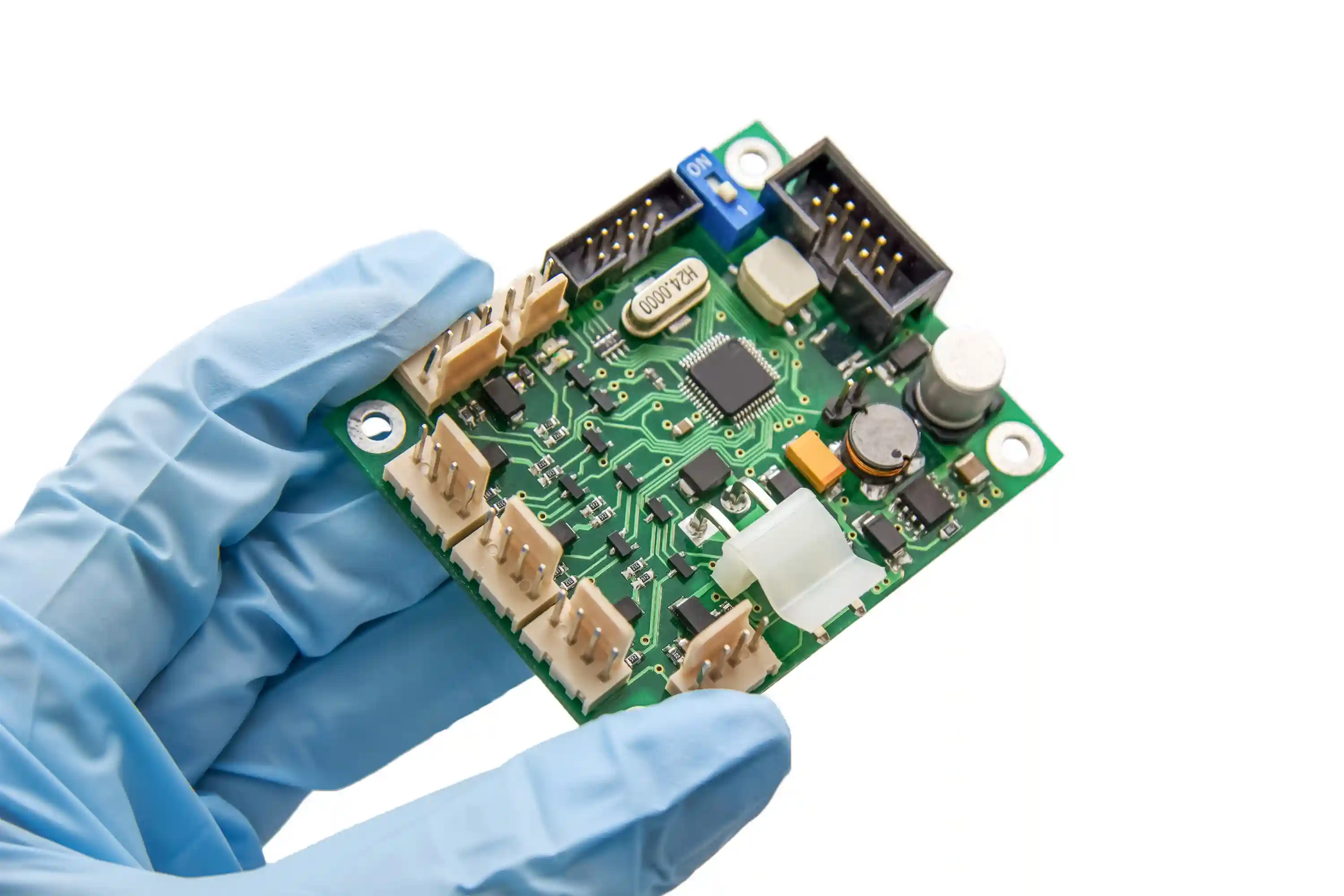
Best-fit service profile
This service fits buyers who already have a board release package and need manufacturing judgment before ordering. When findings require layout changes, use our electronics design services before the assembly quote is locked.
"A useful DFM review does not bury the buyer in comments. I want the engineer to tell me which issue stops production, which issue affects yield, and which issue can be handled by first article approval."
Hommer Zhao
Founder & General Manager
What We Flag Before Production Release
The review is organized around decisions, not generic warnings. A missing centroid file, weak fiducial strategy, or uncontrolled alternate does not carry the same risk as a cosmetic silkscreen issue. The table below shows how we translate common findings into production action.
Finding
Production risk
Review action
Missing or conflicting centroid data
Wrong rotation, shifted placement, slow first article debug
Compare CPL against Gerber, BOM, and assembly drawing before SMT program release
Footprint and BOM mismatch
Wrong land pattern, poor solder joint, unplanned rework
Check MPN package, pin-1, pitch, courtyard, and approved alternates during RFQ
Weak fiducial or panel strategy
Placement drift, slower setup, higher scrap risk
Review global fiducials, local fiducials for fine-pitch parts, rails, tooling holes, and breakaway method
Unclear polarity or orientation notes
Reversed diodes, LEDs, electrolytics, ICs, or connectors
Lock polarity marks in silkscreen, assembly drawing, AOI program, and first article approval
No test or programming access
Good-looking boards fail late during powered checks
Define test points, SWD/JTAG/UART pads, fixture clearances, and functional limits before layout freeze
Uncontrolled component alternates
Late sourcing change breaks fit, firmware, or thermal behavior
Approve alternates by electrical, mechanical, lifecycle, and assembly fit criteria before purchasing
DFM Review Workflow
The workflow keeps file review, buyer decisions, and first article controls tied to the same board revision.
1
Intake the release package
We review Gerber or ODB++, BOM, centroid/CPL, assembly drawing, quantity, schedule, workmanship class, test expectations, and customer quality clauses.
2
Separate DFM, DFA, DFT, and sourcing risks
Engineering sorts findings by fabrication readiness, assembly sequence, inspection/test access, component availability, and buyer approval impact.
3
Return a decision-ready issue list
Each issue is classified by production impact so buyers can decide whether to revise the design, accept a documented risk, or release a controlled first article.
4
Lock first article controls
Before the first boards run, we align stencil, SMT program, inspection gates, test access, revision IDs, and hold points for buyer approval.
5
Feed findings into production release
Approved corrections, deviations, and inspection notes become part of the traveler so the pilot or repeat lot uses the same assumptions.
What the Buyer Receives
A DFM review should reduce ambiguity. PCBInsider returns findings in a format purchasing, engineering, and quality can act on before the lot starts.
DFM/DFA finding list with severity and recommended action
Questions that block quoting or production release
BOM and footprint mismatch notes
Stencil, SPI, AOI, X-ray, ICT, or functional-test recommendations
First article hold points and approval evidence needs
Revision-control notes for supplier transfer or repeat order
Buyer decision items for accepted deviations or ECO updates
Related service path when the issue belongs to design, sourcing, test, or QA
DFM Review Versus QA, Design, and Test
PCB assembly DFM review is the right entry point when the design is close to release but the buyer wants factory judgment before material, stencil, SMT programming, or test-fixture work begins. If the finding requires a board edit, the task moves to design. If the finding requires production evidence, the task moves to QA.
A common trade-off is speed versus correction depth. For a small engineering sample, the buyer may accept a documented deviation and learn during first article. For a pilot or repeat build, correcting centroid errors, footprint uncertainty, and programming access before release is usually cheaper than sorting completed PCBAs.
Practical Decision Rule
If a finding can cause wrong placement, poor soldering, missing test coverage, unapproved sourcing change, or shipment hold, fix it before release. If a finding only affects cosmetic preference or noncritical documentation clarity, log it for first article confirmation.
Align this with PCBA quality assurancePCB Assembly DFM Review FAQ
What files do I need for a PCB assembly DFM review?
Send Gerber or ODB++, drill data, BOM with manufacturer part numbers, centroid/CPL, assembly drawing, fab notes, target quantity, workmanship class, and any test procedure. A PCB assembly DFM review can start with incomplete data, but the report will mark blockers separately from improvement suggestions. For a 24-hour RFQ screen, the most important files are the Gerber package, BOM, centroid, and assembly drawing because those four files expose most footprint, rotation, polarity, and placement conflicts.
How is DFM review different from normal PCB assembly quoting?
A normal quote prices the build, while PCB assembly DFM review checks whether the build package can run without avoidable production holds. The review looks at fabrication DFM, assembly DFA, test access, BOM risk, stencil strategy, and first article evidence before SMT setup. Quoting can continue in parallel, but a good DFM report separates cost drivers from release blockers, such as a missing centroid file, unsupported alternate part, inaccessible programming pad, or unclear IPC-A-610 workmanship class.
I need 200 pilot PCB assemblies in 6 weeks. Should I pay for DFM review first?
Yes, a 200-piece pilot build should usually receive PCB assembly DFM review before procurement and SMT programming start. Six weeks is enough time to fix a footprint, polarity, stencil, or BOM issue if it is found during file review; it may not be enough if the issue appears after parts arrive. For pilot quantities, PCBInsider normally treats Gerber/BOM/CPL agreement, first article hold points, and test access as release gates rather than optional engineering comments.
Can DFM review catch component sourcing problems?
DFM review can catch many sourcing problems when the BOM includes full manufacturer part numbers, approved alternates, package codes, lifecycle notes, and target quantity. It will not replace formal procurement, but it can flag mismatched packages, obsolete parts, moisture-sensitive devices, long-lead ICs, and alternates that change fit or firmware behavior. In one case-bank example, an Asia-Pacific robotics OEM used a multi-PO program with split PIs, same-day payment confirmation, and an early delivery warning issued to keep schedule risk visible.
Does DFM review replace first article inspection?
DFM review does not replace first article inspection because they prove different things. DFM predicts whether the released package is manufacturable before the lot starts; FAI proves the first production-representative boards match the approved files after the process runs. For IPC-A-610 Class 2 or Class 3 expectations, both steps matter: DFM reduces preventable holds, and FAI captures evidence from the actual SMT, soldering, inspection, and test sequence.
What issues are outside a PCB assembly DFM review?
A PCB assembly DFM review does not certify product safety, validate RF performance, debug unreleased firmware, or redesign the entire product without a separate engineering scope. It can identify that a creepage distance, antenna keep-out, high-current trace, or programming interface needs owner approval, but the buyer remains responsible for product requirements and regulatory decisions. When a finding requires layout work, PCBInsider routes the project to electronics design services before manufacturing release.
When should I choose DFM review instead of electronics design services?
Choose PCB assembly DFM review when the design is mostly released and you need a production-readiness check before quoting, sampling, or supplier transfer. Choose electronics design services when the schematic, layout, stackup, test access, or documentation still needs active creation or revision. A practical threshold is decision authority: if the factory can list findings and you can approve changes internally, DFM review fits; if the factory must edit design files, use design services.
Related Services
Electronics Design Services
Use design support when DFM findings require schematic, layout, stackup, or release-package changes before manufacturing.
PCBA Quality Assurance
Use quality assurance when first article evidence, PFMEA, control plans, deviation logs, or 8D corrective action are required.
PCB Component Sourcing
Use sourcing support when BOM risk, lifecycle status, approved alternates, or shortage exposure controls the assembly schedule.
PCBA Programming and Functional Testing
Use programming and functional test when firmware identity, fixture coverage, and powered behavior decide shipment release.
Buyer Guides
DFM vs DFT in PCB Assembly
Buyer guide for separating manufacturability and testability risks before production release.
Engineering Data Handover for PCB Assembly Suppliers
How to control drawing retention, revision locks, supplier transition, and repeat-order release gates.
PCB Assembly Factory Audit Checklist
What buyers should verify before trusting an assembly supplier with NPI or production transfer.
Need a Factory Review Before You Release the PCBA Build?
Send your Gerber or ODB++, BOM, centroid, assembly drawing, test plan, target quantity, and schedule. PCBInsider will review the release package and separate production blockers from first article confirmation items.
Reviewed by: PCBInsider Engineering Team