Build-Ready Electronics Design
Electronics Design Services That Reach Manufacturing Cleanly
PCBInsider supports electronics design services for teams that need more than a routed board file. We help shape schematic intent, PCB layout, DFM decisions, release documentation, and the handoff into fabrication and assembly.
The point is not only to finish the layout. The point is to release a package that buyers can quote, factories can build, and engineers can revise after the first prototype without losing control of the program.
DFM Before ReleaseStackup and Layout PlanningControlled Output Package

DFM + Layout
One Release Workflow
Schematic + Layout
Core Design Scope
DFM First
Release Discipline
Proto to Production
Program Fit
Gerber + BOM + CPL
Build Outputs
What a Good Electronics Design Service Should Solve
Buyers usually do not struggle to find a designer who can finish a layout. They struggle to find a workflow that keeps schematic logic, board manufacturability, BOM clarity, and assembly readiness aligned at the same time.
Schematic Capture and Design Intent Review
A usable electronics design service starts by clarifying the real constraints behind the product: interfaces, power architecture, environmental stress.
PCB Layout for Real Manufacturing Windows
PCB layout decisions affect yield, assembly, EMI, and long-term serviceability.
Stackup, Material, and Build Strategy
Early stackup choices drive impedance, thermal behavior, bend limits, and cost.
DFM, DFA, and Documentation Control
Release files are only useful if buyers and factories can act on them.
Design for Test and Inspection Readiness
Test access, fiducials, tooling rails, probe points, hidden-joint risk, and inspection strategy are addressed before release.
Prototype Debug and ECO Support
Most hardware programs change after first samples. We support prototype feedback loops, ECO updates, BOM substitutions, and assembly-driven refinements so.
Scope and Deliverable Snapshot
The exact engagement can vary, but the common goal stays the same: produce design data that is easier to quote, easier to build, and easier to revise after first hardware feedback.
| Service focus | Electronics design support for schematic capture, PCB layout, and manufacturing handoff |
|---|---|
| Typical deliverables | Schematics, PCB layout database, Gerber or ODB++, drill data, BOM, CPL, fab notes, assembly notes |
| Design stages | Concept refinement, prototype release, NPI updates, ECO revisions, and repeat-build optimization |
| Board types | Standard FR-4, multilayer, HDI by review, flex and rigid-flex coordination, mixed-technology assemblies |
| Manufacturing alignment | DFM, DFA, stackup review, panel strategy, test-point planning, and assembly file validation |
| Program models | Customer spec driven, collaborative co-development, or design-for-manufacturing cleanup of existing data |
| Best fit | Teams that need a board designed with sourcing, fabrication, and assembly constraints visible from the start |
| Related downstream services | PCB fabrication, PCB assembly, quick-turn prototype, and EMS program support |
Common Program Fits
Startup and New Product Hardware
Founders and small hardware teams often need outside layout and release support even when the core product architecture is already defined.
Industrial and Control Electronics
Industrial boards usually need stronger attention to connector strategy, creepage, service access, power routing, and environmental durability.
Medical, Instrumentation, and Quality-Sensitive Builds
Programs with traceability or validation pressure need more disciplined outputs.
Design Rescue and Manufacturing Cleanup
Some customers already have a layout but still need help before release.
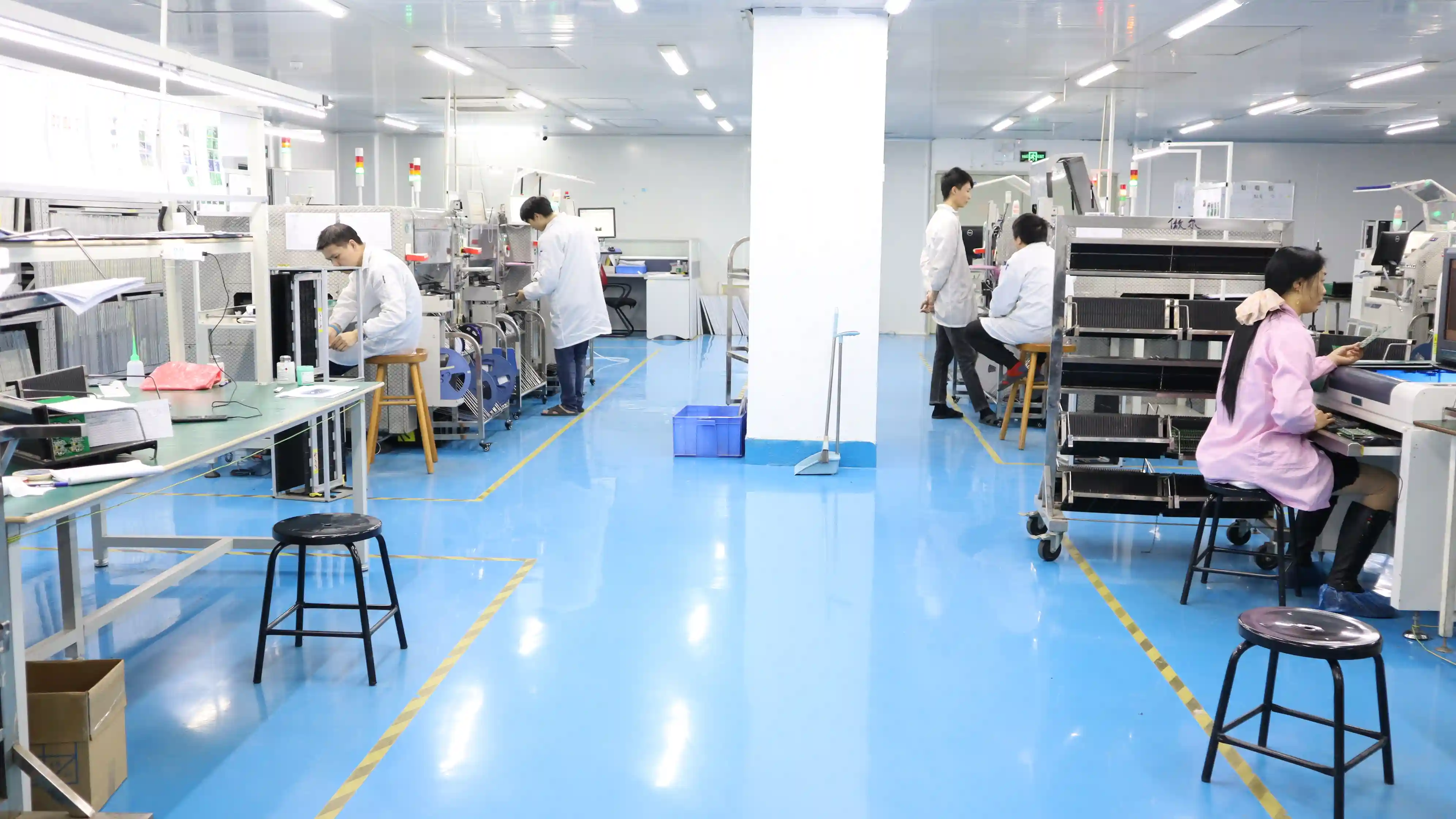
Design Quality Shows Up at Assembly
Footprint decisions, polarity visibility, fiducials, panel rails, and test access all affect assembly performance. That is why our design workflow stays tied to PCB fabrication and PCBA, not separated from them.
How the Engagement Usually Runs
We use a release-oriented process because hardware programs get expensive when the design team, buyer, and factory each interpret the product differently.
1
Requirements and file intake
We start with your block diagram, schematic draft, mechanical envelope, compliance constraints, target quantity, and preferred release date.
2
Architecture and placement planning
Power domains, interfaces, stackup options, critical routing areas, keep-outs, heat paths, and connector placement are reviewed before detailed layout work.
3
PCB layout and manufacturability review
Routing, impedance structures, via choices, copper balancing, fiducials, tooling rails, and assembly orientation are checked against fabrication and PCBA.
4
Documentation package release
We prepare the manufacturing package with BOM, fabrication notes, assembly notes, outputs, and revision identifiers so procurement, fabrication.
5
Prototype feedback and ECO update
After first articles or prototype lots, we fold DFM findings, sourcing changes, and test feedback into the next revision.
Why This Matters
Better Design Inputs Reduce Downstream Cost
Good electronics design services should reflect the principles behind design for manufacturability and design for testing. Those disciplines matter because the board has to survive more than design review. It has to pass sourcing, fabrication, assembly, inspection, and debug.
Hardware teams also move through a broader new product introduction cycle. That is why we treat the design release as the start of a manufacturing conversation, not the end of the engineering task.
Controlled release package
Build-ready outputs include fabrication data, assembly data, approved BOM structure, and revision notes that reduce quoting ambiguity.
Assembly-aware documentation
We prepare orientation notes, polarity guidance, reference clarity, and handling details that help SMT and mixed-technology builds move faster.
Risk visibility before release
Potential issues like footprint uncertainty, inaccessible test points, stackup mismatch, and fragile sourcing are surfaced early instead of appearing during.
Helpful Public References
These references are not substitutes for project-specific design review, but they are useful context for understanding why our workflow keeps manufacturability, testing, and NPI considerations visible from the beginning.
Design for manufacturability
A useful reference for understanding why design choices should match fabrication and assembly process limits.
Design for testing
Helpful background on why probe access, test points, and inspection planning belong in the design stage.
New product introduction
Good context for why prototype, pilot, and production releases need structured handoff rather than one-off file exports.
Frequently Asked Questions
What is included in electronics design services?
Typical scope includes schematic capture, PCB layout, stackup planning, footprint and library review, BOM structuring, DFM and DFA checks, release files, and prototype-driven ECO support. The exact package depends on whether the project starts from concept, an existing schematic, or an in-progress board file.
Can you work from an existing schematic or partial layout?
Yes. Many engagements start with customer-owned design data that needs cleanup, completion, or manufacturability review rather than a full redesign. We can work from current files and focus on the gaps that are blocking release.
How is this different from a pure PCB layout service?
A pure layout task can stop at routing completion. This service is broader: it connects schematic intent, placement logic, stackup choices, BOM structure, DFM, test access, and manufacturing handoff so the board is easier to quote, build, and revise.
Do you support quick-turn prototype programs?
Yes. Electronics design services are often most valuable when a prototype deadline is close and the release package still needs discipline. We can align the design with quick-turn fabrication and assembly constraints before the files go out.
What files do you need to start?
Useful inputs include schematic files or PDFs, mechanical constraints, connector requirements, target stackup or impedance needs, preferred components, compliance notes, and any existing BOM or layout database. If you have prototype test feedback or ECO notes, include those as well.
Can the design move directly into manufacturing with PCBInsider?
Yes. Because the design work is shaped around fabrication and assembly realities, the outputs can flow directly into PCB manufacturing, PCB assembly, prototype builds, and broader EMS support when that is the next step.
Related Services and Resources
These pages help connect design work to quoting, prototype release, and downstream manufacturing execution.
PCB Manufacturing
Move the released design into controlled fabrication.
ExplorePCB Assembly
Coordinate the design package with SMT, THT, and inspection planning.
ExplorePCB Assembly DFM Review
Use a factory DFM/DFA screen before a released design moves into SMT setup.
ExplorePCB Prototype
Turn early designs into real hardware for validation and debugging.
ExplorePCB Quote
Get pricing once the design package is ready for release.
ExploreGerber File Guide
Reduce release mistakes by tightening manufacturing data quality.
ExplorePCB Stackup Guide
Understand how stackup choices affect signal, power, and manufacturability.
ExploreNeed a Design Package That Can Actually Be Built?
Share your current schematic, mechanical limits, BOM, or prototype goals. We can help turn the design into a cleaner release for PCB fabrication, assembly, and next-revision planning.