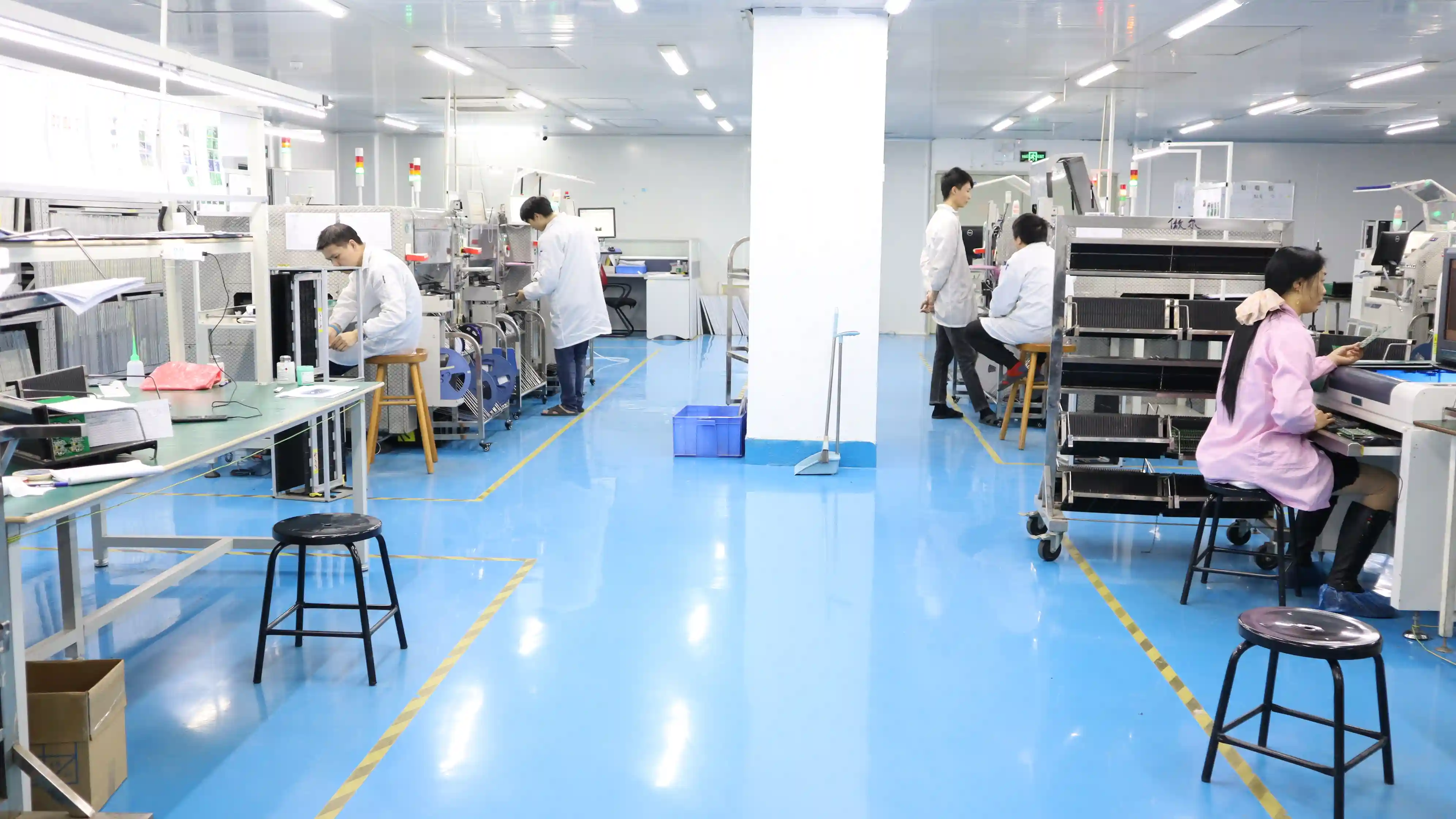
Medical Device Electronics PCBA
Medical PCB Assembly Services for Regulated Electronics Programs
PCBInsider supports medical PCB assembly for diagnostic, monitoring, imaging, wearable, and laboratory electronics where assembly quality, traceability, inspection evidence, and change control matter as much as the solder joints themselves.
ISO 13485-Ready
Medical QMS Alignment
AOI + X-Ray
Inspection Coverage
Lot Traceability
Material Control
Prototype to Pilot
Program Stages
Medical PCBA Built Around Risk, Records, and Repeatability
Medical electronics programs usually connect assembly choices to quality-system expectations such as ISO 13485, device controls described by the FDA medical devices program, and electronics workmanship practices associated with IPC electronics standards. Our role is to make the PCBA build practical for manufacturing while preserving the traceability and evidence buyers need.
Medical Electronics Build Planning
Medical PCBA projects need more than ordinary assembly capacity.
SMT, BGA, and Mixed-Technology Assembly
We support fine-pitch SMT, bottom-terminated packages, BGAs, through-hole connectors, and mixed-technology layouts commonly found.
Controlled BOM and Revision Handling
Medical buyers need clear control of approved manufacturer part numbers, alternates, revision status, and change notes.
Inspection for High-Reliability PCBA
AOI, microscope review, X-ray for hidden joints, electrical test planning, and first-article review help contain defects before assemblies move.
Traceability and Documentation Support
Lot records, component source data, process travelers, inspection outputs, and approved deviations can be aligned to the evidence package your medical.
Cleanliness, Coating, and Protection Options
Flux residue, ionic contamination, moisture exposure, and handling damage can create field risk.
Medical PCB Assembly Capability Snapshot
Service focus
PCB assembly for medical device electronics, diagnostic equipment, monitors, imaging systems, and wearables
Build models
Turnkey, consigned, or hybrid material supply with approved-source control
Assembly types
SMT, through-hole, mixed technology, BGA, QFN, fine pitch, and connector-heavy boards
Documentation
BOM review, revision tracking, lot traceability, first-article records, inspection reports, and approved deviations
Quality controls
DFM/DFA review, solder paste control, AOI, X-ray by package risk, microscope review, and test fixture planning
Medical fit
Best for prototype, validation, pilot, and repeat builds where traceability and process discipline matter
Protective options
Aqueous cleaning, no-clean process control, conformal coating, potting review, ESD-safe handling, and serialized packaging
Required files
Gerber or ODB++, BOM with MPNs, centroid data, assembly drawing, test plan, revision notes, and special process requirements
Buyer Priorities for Medical PCBA
Can the assembler support regulated documentation?
Medical electronics teams need evidence, not just shipped boards.
Will quality hold from prototype to pilot?
Prototype success is not enough if process learning disappears before pilot builds.
Are parts sourced and handled correctly?
Component substitution, moisture sensitivity, ESD control, and lot tracking can all affect medical device risk.
Does the build match the device risk?
A wearable sensor, ultrasound subsystem, and therapy controller do not need identical controls.
Medical PCB Assembly Workflow
The best medical PCBA outcomes come from treating engineering review, sourcing, assembly, inspection, and records as one connected workflow. That prevents gaps between prototype learning and the controlled builds that follow.
Step 1
Review medical build requirements
We start with Gerber or ODB++ data, BOM, centroid, drawings, risk notes, and expected documentation.
Step 2
Lock sourcing and traceability plan
Approved MPNs, alternates, distributor sources, date-code constraints, moisture sensitivity, and customer-supplied parts are reviewed before materials are.
Step 3
Prepare assembly process controls
Stencil design, solder paste selection, placement programming, reflow profile expectations, ESD controls, and special handling notes are set before.
Step 4
Build, inspect, and document the lot
Boards move through SMT, through-hole, AOI, X-ray where needed, microscope review, and electrical or functional test support with records tied back.
Step 5
Package for validation or repeat production
Finished assemblies are cleaned, protected, labeled, packed, and released with the agreed evidence package so the next validation, pilot, or repeat build.
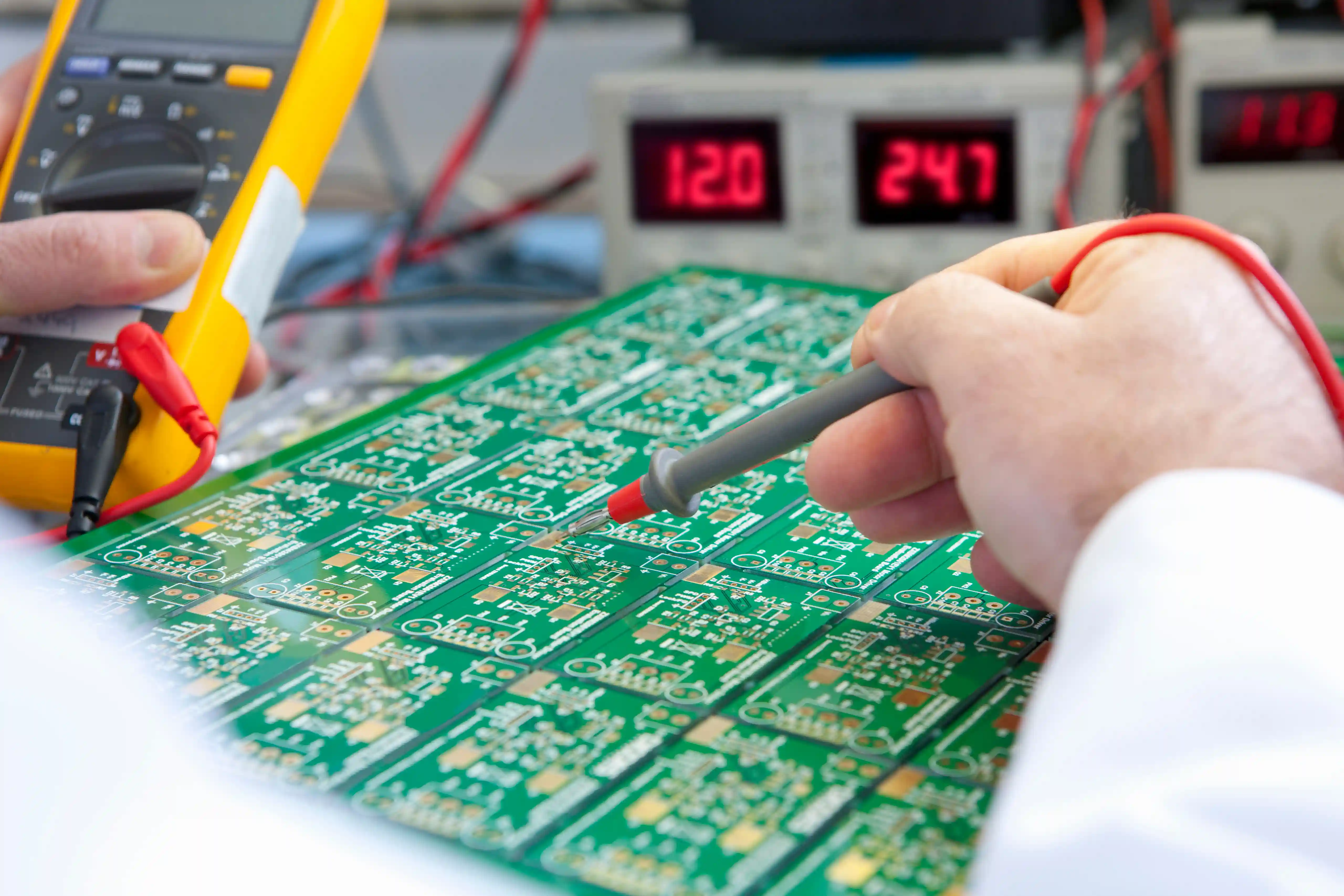
Useful Before You Release a Medical PCBA Build
Medical teams usually save time when the release package includes approved alternates, inspection expectations, and the test path. For application context, review our guide to PCB assembly for medical ultrasound equipment and compare the broader PCB assembly service when your project is not medical-device specific.
Related services
PCB Assembly (PCBA)
Full-service SMT, through-hole, BGA, and turnkey PCBA for broader electronics programs.
SMT Assembly
Dedicated surface-mount support for fine-pitch and high-density medical electronics.
AOI Inspection Service
Inspection support for visible assembly defects, first articles, and process feedback.
PCB Stencil Service
Assembly-aware stencil planning for fine-pitch solder paste control and yield improvement.
Medical PCB Assembly FAQ
These are the practical questions buyers ask before releasing medical electronics to an assembly partner.
What makes medical PCB assembly different from standard PCBA?
Medical PCB assembly puts more weight on risk review, approved materials, traceability, inspection evidence, cleanliness, and change control. The physical SMT process may look similar, but the documentation and process discipline are usually stricter.
Do you support ISO 13485 medical device programs?
We support ISO 13485-ready build requirements such as controlled documentation, traceability, approved material handling, and inspection records. If your finished device is regulated, share the quality agreement and evidence requirements during the RFQ stage.
Which medical applications are a good fit?
Typical projects include diagnostic equipment, patient monitoring electronics, ultrasound subsystems, laboratory instruments, wearable sensors, imaging controllers, therapy equipment, and connected medical devices.
What files are required for a medical PCBA quote?
Send Gerber or ODB++ files, BOM with manufacturer part numbers, centroid data, assembly drawings, approved alternates, revision notes, test requirements, cleanliness or coating requirements, and any traceability expectations.
Can you handle prototype and validation builds?
Yes. Medical PCB assembly often begins with prototype, EVT, DVT, or pilot lots where engineering feedback is essential. We can preserve DFM notes, inspection results, and sourcing decisions so repeat builds are easier to control.
Do you offer inspection for BGAs and hidden solder joints?
Yes. AOI covers visible SMT defects, while X-ray is used for BGA, QFN, LGA, and other hidden-joint packages where optical inspection cannot verify the solder connection.
Need medical PCB assembly with traceable controls?
Send your Gerber or ODB++ data, BOM, drawings, quantity, and quality requirements. We will review manufacturability, sourcing risk, inspection needs, and documentation expectations before quoting.