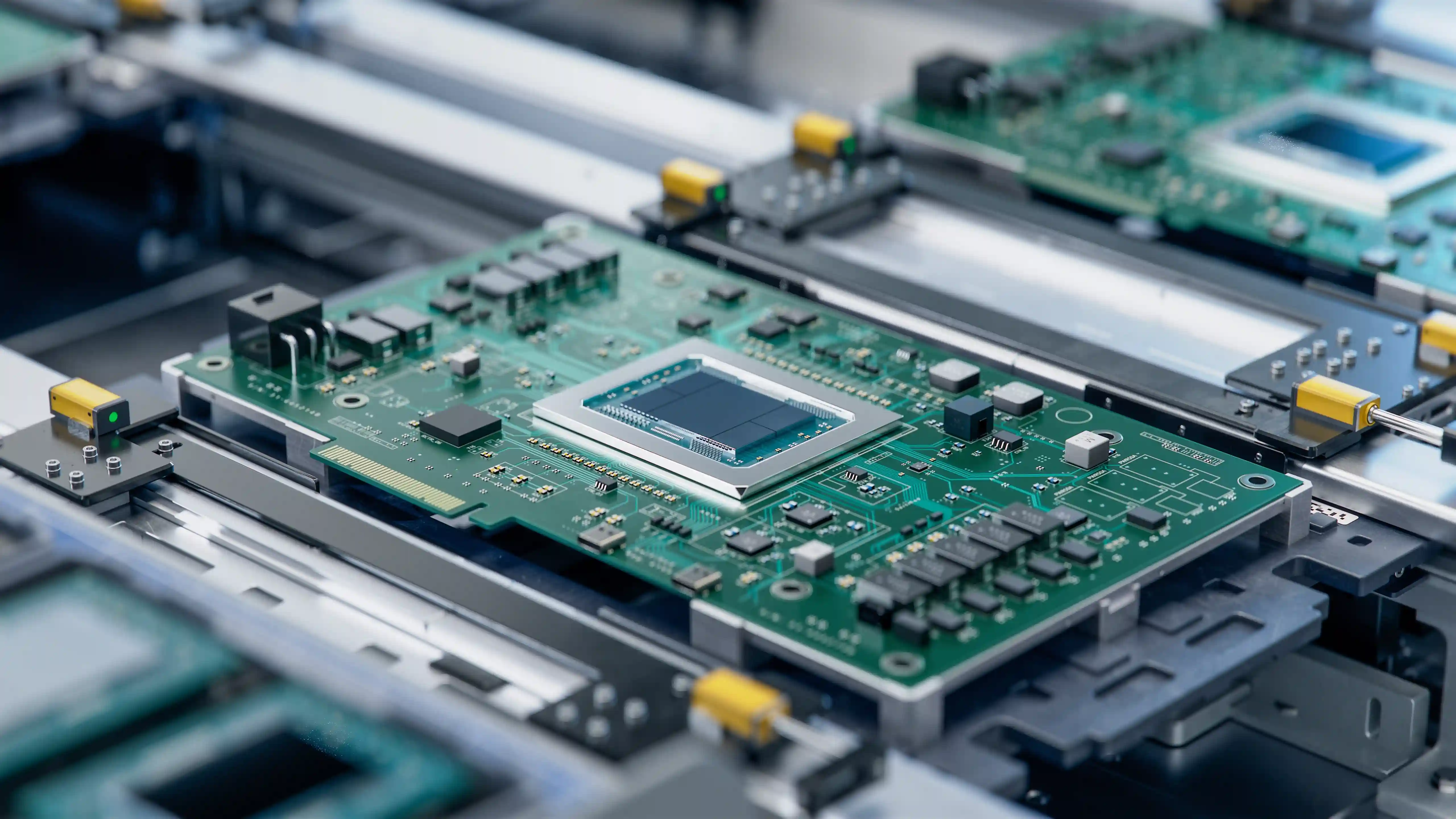
Dedicated SMT Stencil Support
PCB Stencil Service for Reliable Solder Paste Printing
PCBInsider provides PCB stencil service for buyers who need assembly-aware stencil manufacturing, realistic aperture review, and a cleaner path into prototype, NPI, or repeat SMT production. The goal is not just getting a stencil made. It is getting a stencil that helps the solder paste printing step behave predictably on the real board.
Laser Cut
Stainless Steel Stencils
Fine Pitch
Aperture Review
Prototype to Volume
Build Scale
Assembly Ready
Print Process Focus
Why PCB stencil service matters before the first board is placed
In a modern surface-mount technology process, the stencil controls the transfer of solder paste onto the board before placement and reflow. That makes the stencil one of the earliest yield levers in the full printed circuit board assembly flow. If the stencil underprints, overprints, or ignores package-specific aperture needs, the resulting defects show up later as wasted debug time, rework, or unstable first-pass yield.
Stencil Support Matched to the PCB Build
A PCB stencil is not a generic sheet-metal part. Aperture sizing, reduction strategy, fiducial alignment, and board support all need to fit the actual SMT.
Gerber-Led Aperture Review
We review paste layers, package geometry, pad density, and known assembly risks before release.
Fine-Pitch and Small-Component Awareness
Fine-pitch QFN, QFP, LGA, and miniature passive footprints often need aperture tuning to control bridging, insufficient paste, and solder balling.
Prototype, NPI, and Production Fit
Some buyers need a quick prototype stencil. Others need a repeatable production stencil that can survive multiple print cycles and align with a validated.
Print Process Risk Reduced Up Front
Poor stencil choices show up later as tombstoning, bridging, skew, and inconsistent first-pass yield.
Single-Source Handoff Into Assembly
If the stencil is feeding our SMT or full PCB assembly workflow, we keep the stencil decision aligned with placement, reflow, AOI, and downstream inspection.
PCB Stencil Capability Snapshot
Service focus
PCB stencil service for solder paste printing in SMT assembly
Stencil type
Laser-cut stainless steel stencil for prototype, NPI, and production use
Best-fit boards
Surface mount assemblies with fine-pitch, dense layouts, or repeat-print requirements
Input data
Paste Gerber, PCB fabrication files, BOM context, assembly notes, and quantity intent
Review scope
Aperture strategy, pad density, fiducials, tooling needs, and printability risks
Commercial value
Faster first-article readiness and better solder paste consistency
Downstream fit
Standalone stencil supply or integrated with SMT assembly and PCBA
Typical concern
Bridging, insufficient paste, tombstoning, and hidden first-pass-yield loss
Material path
Stainless steel selected to match durability and printing requirements
Quote path
Prototype rush or planned production depending on package complexity and timing
Buyer Priorities
Fast quote versus usable stencil
A rush stencil only creates value if the aperture design and print assumptions are defensible.
Paste volume on difficult packages
Stencil decisions strongly affect solder joints on fine-pitch ICs, bottom-terminated parts, and small passives where too much or too little paste quickly.
Alignment with the real assembly flow
The stencil has to work with tooling, board support, fiducials, and the actual SMT line conditions.
Repeatability after the first print
A stencil that looks acceptable on one bench print may still underperform across multiple boards or shifts.
Standard PCB stencil workflow
Stencil work is most effective when it is treated as process preparation rather than a commodity file conversion step. The sequence below keeps the stencil aligned with real assembly risk.
Step 1
Review paste layer and assembly context
We start with the paste Gerber, PCB files, component mix, and assembly notes to understand what the stencil must do in production rather than assuming.
Step 2
Set aperture and alignment strategy
Engineering checks fine-pitch packages, dense pads, polarity-sensitive parts, fiducials, and board support assumptions so the stencil design supports stable.
Step 3
Laser cut and prepare the stencil
The stencil is manufactured in stainless steel with the geometry tuned to the reviewed assembly package.
Step 4
Link the stencil to the SMT process
When the stencil feeds our assembly service, we connect the stencil choice to paste type, placement risk, and reflow planning so first-article issues can be.
Step 5
Release for prototype or production use
The finished stencil can ship as a standalone tool or move directly into PCB assembly.
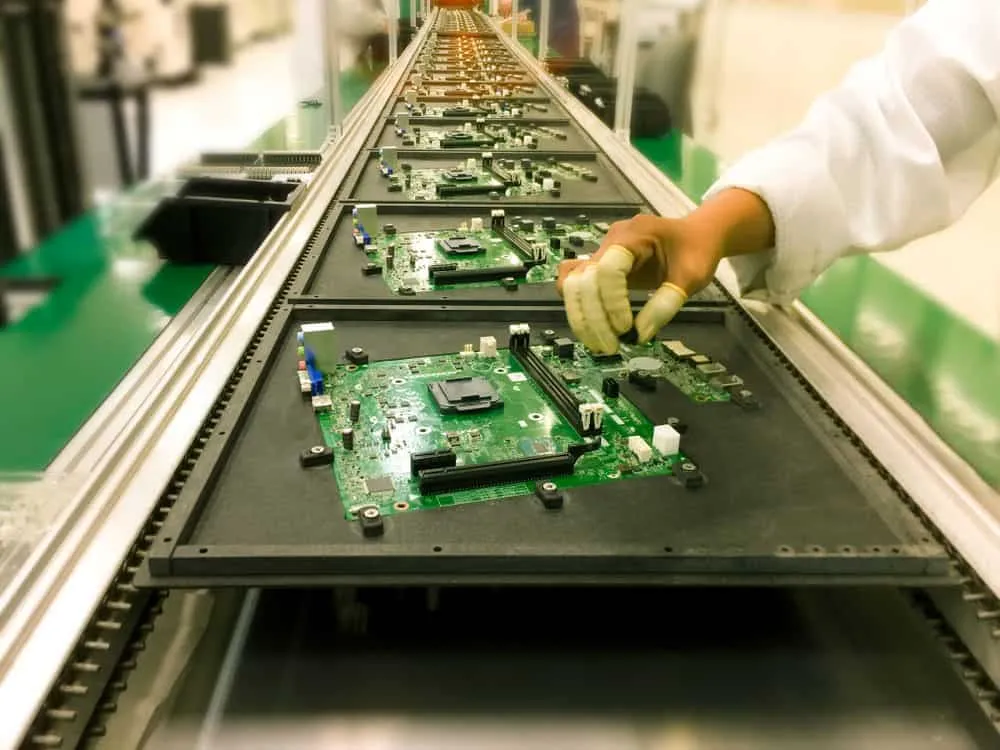
Helpful before you release stencil files
Review the board in the Gerber Viewer and align the stencil request with the assembly package you would use for SMT assembly or full PCB assembly. If the job is headed toward first-article verification, it can also help to plan inspection expectations alongside our AOI inspection service.
Best-fit programs
Fine-pitch SMT boards, dense embedded products, medical and industrial electronics, communication hardware, and any build where solder paste printing is a meaningful process risk.
Data that speeds quoting
Paste Gerber, fabrication files, package notes, quantity targets, and any known print or reflow concerns from previous builds.
PCB Stencil Service FAQ
What files do you need for a PCB stencil service quote?
The fastest path is the solder paste Gerber plus the main PCB fabrication files, quantity target, and assembly notes. If the board includes fine-pitch QFN, QFP, LGA, BGA breakout regions, or unusually dense passive placement, include that context so the stencil review reflects the real printing challenge.
Why is a PCB stencil important for SMT assembly?
The stencil controls how much solder paste reaches each pad before component placement. That makes it one of the earliest variables affecting bridging, insufficient solder, tombstoning, and first-pass yield. A poor stencil decision can undermine an otherwise capable SMT line.
Can you supply stencils for prototype as well as production builds?
Yes. We support quick-turn prototype stencil requirements as well as production-oriented stencil plans for repeat printing. The correct approach depends on package density, print durability needs, and whether the stencil is supporting one NPI run or an ongoing assembly program.
Do you also provide SMT assembly after the stencil is made?
Yes. This service can be standalone, but many buyers use it alongside SMT assembly or full PCB assembly so stencil planning, component placement, and inspection stay aligned from the beginning.
When should stencil apertures be reviewed instead of copied directly from CAD output?
Aperture review is especially useful on fine-pitch packages, bottom-terminated components, very small passives, dense connector fields, and boards that already have paste-volume related yield concerns. CAD paste output is a starting point, not always a finished manufacturing plan.
How does this differ from your general SMT assembly page?
The SMT assembly page covers the full surface mount manufacturing workflow. This page focuses specifically on stencil planning and fabrication because buyers sometimes need a dedicated solder-paste-printing solution before or alongside a larger assembly program.
Related Services
Use the dedicated stencil page when solder paste printing is the core buying issue, or move to the broader manufacturing pages below when the job extends into full assembly execution.
SMT Assembly Services
Use this when stencil printing is part of a broader surface mount build plan.
Explore servicePCB Assembly (PCBA)
Move up to full PCB assembly when SMT, through-hole, and test all belong in scope.
Explore serviceAOI Inspection Service
Inspection support for programs where print quality needs to feed visible-defect control.
Explore servicePCB Quote
Upload manufacturing data for fast stencil, fabrication, and assembly review.
Explore serviceNeed a stencil that fits the real SMT process?
Send the paste layer, fabrication files, and package notes. We'll review the stencil path with the printing, placement, and inspection realities in mind before pricing.