IATF 16949-Aligned PCB Build Planning
Automotive PCB Manufacturing for IATF 16949 Launch Risk
PCBInsider builds automotive PCBs around the evidence buyers need for EV, ADAS, lighting, telematics, and control electronics: APQP-style file review, PPAP-ready records by request, lot traceability, inspection data, and 100% electrical test where the control plan requires it.
IATF 16949
Automotive QMS Alignment
ISO 9001:2015
Quality Baseline
AOI + X-Ray
Inspection by Risk
100%
Electrical Test by Plan
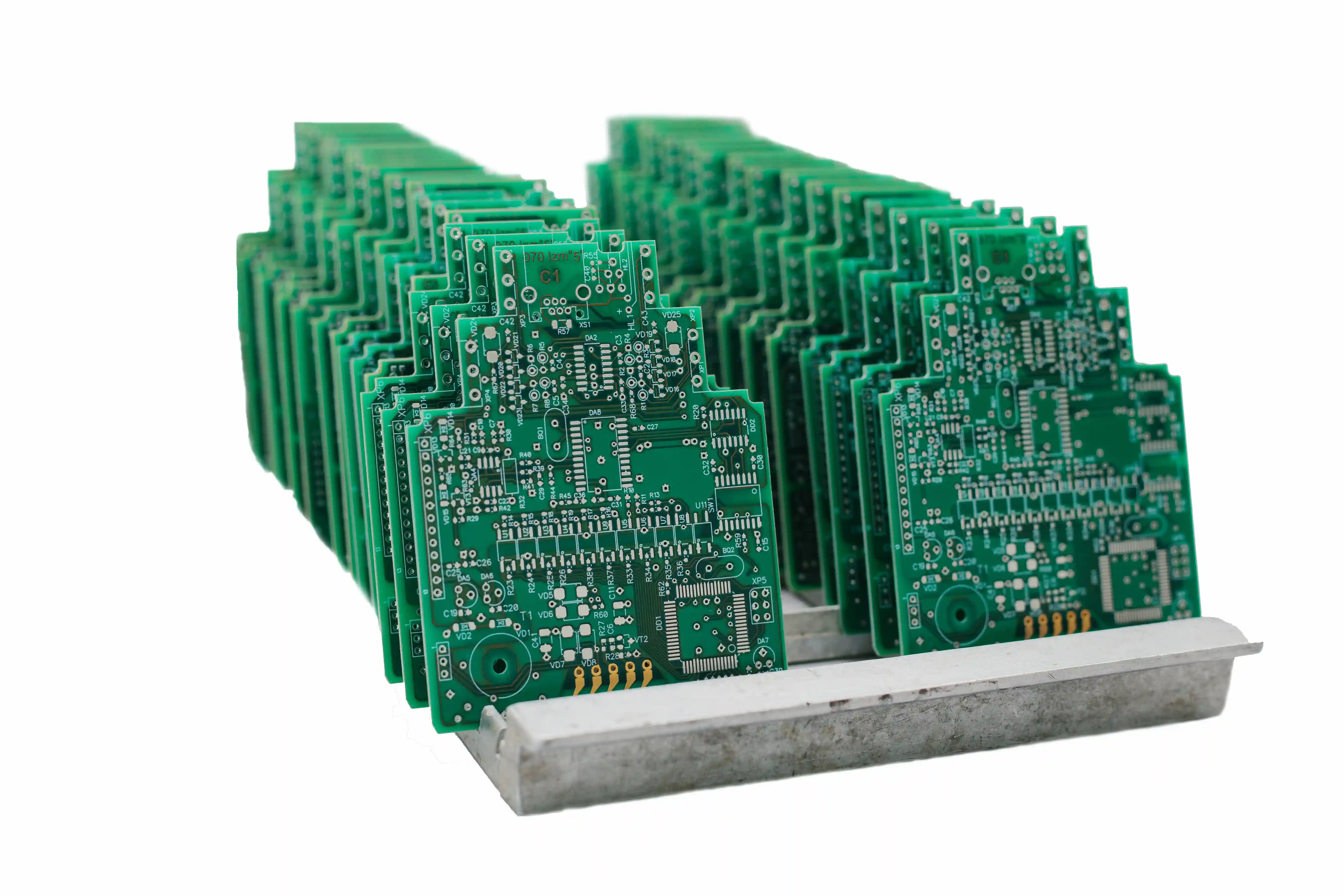
Automotive PCB builds fail when evidence is added too late
IATF 16949 applies to automotive production and relevant service part organizations, and the standard changes the buyer's expectations around defect prevention, traceability, supplier control, and change discipline. A bare PCB that passes electrical test can still create launch risk if the laminate source, impedance coupon, panel drawing, solderability evidence, or first article record is not connected to the released revision.
This service is narrower than our general PCB manufacturing page. It focuses on automotive programs where APQP, PPAP, customer-specific requirements, or IATF 16949 supplier controls shape how the board is quoted, built, inspected, documented, and changed after launch.
APQP-Style RFQ Review
Automotive PCB manufacturing starts with the release package, not the laminate press.
Automotive Bare PCB Fabrication
We support multilayer FR-4, HDI, heavy copper, aluminum, rigid-flex, and controlled-impedance PCB builds for automotive electronics.
EV and Power Electronics Focus
Battery management, charge control, DC-DC conversion, lighting, and motor-control boards need copper weight, creepage, clearance, thermal path.
Inspection Evidence, Not Generic QC
Automotive buyers need records that match the board risk.
Traceability and Change Control
Material lots, approved manufacturer part numbers, PCB revision, solder mask color, surface finish, panel drawing, and process deviations should stay.
Prototype to Repeat Production Path
NPI lots are built with production intent when the project is expected to scale.
Capability scope and buyer limits
Automotive PCB manufacturing works best when the buyer states the evidence package before the first lot. PCBInsider can support the fabrication, assembly handoff, inspection, and traceability records tied to the build; final vehicle validation and OEM release decisions remain with the customer.
- Service focus
- Automotive PCB fabrication and assembly support for IATF 16949-driven programs
- Best-fit applications
- BMS, EV charging, lighting, ADAS modules, controls, sensors, telematics, and industrial vehicle electronics
- PCB types
- Multilayer FR-4, HDI, aluminum, heavy copper, rigid-flex, controlled-impedance, and connector-heavy boards
- Quality framework
- IATF 16949-aligned planning with ISO 9001:2015 baseline, IPC workmanship expectations, and customer-specific requirements by review
- Evidence package
- DFM notes, first-article records, inspection reports, electrical test data, material traceability, and approved deviation records
- Test and inspection
- AOI, X-ray by risk, impedance test when specified, 100% electrical test by fabrication plan, and functional test planning for assemblies
- Documentation needed
- Gerber or ODB++, BOM, centroid data, stackup, drawing, CTQs, annual volume, revision notes, and any PPAP or APQP requirements
- Out of scope
- Unverified claims of vehicle homologation, safety validation owned by the OEM, and unsourced material substitutions without written approval
Prototype, pilot, and production need different proof
Prototype automotive PCB
Best fit: Design validation, bench testing, firmware bring-up, early BMS or lighting samples, and pre-compliance review.
Watch out: Useful prototypes can still be poor production evidence if materials, stackup, and inspection rules change before pilot build.
Pilot and PPAP-support build
Best fit: Programs moving toward customer approval where revision control, first-article data, inspection records, and process repeatability matter.
Watch out: Late drawing changes after pilot release can reset evidence and delay launch more than a short fabrication schedule saves.
Repeat automotive production
Best fit: Stable demand for EV, ADAS, lighting, telematics, power, sensor, or control electronics with controlled material and process windows.
Watch out: Supplier changes, laminate changes, and unapproved alternates can create field risk even when every board passes electrical test.
The practical trade-off is speed versus reusable evidence. A rush sample can help engineering debug a circuit, but a production-intent pilot should preserve the materials, stackup, inspection rules, and change records expected at launch.
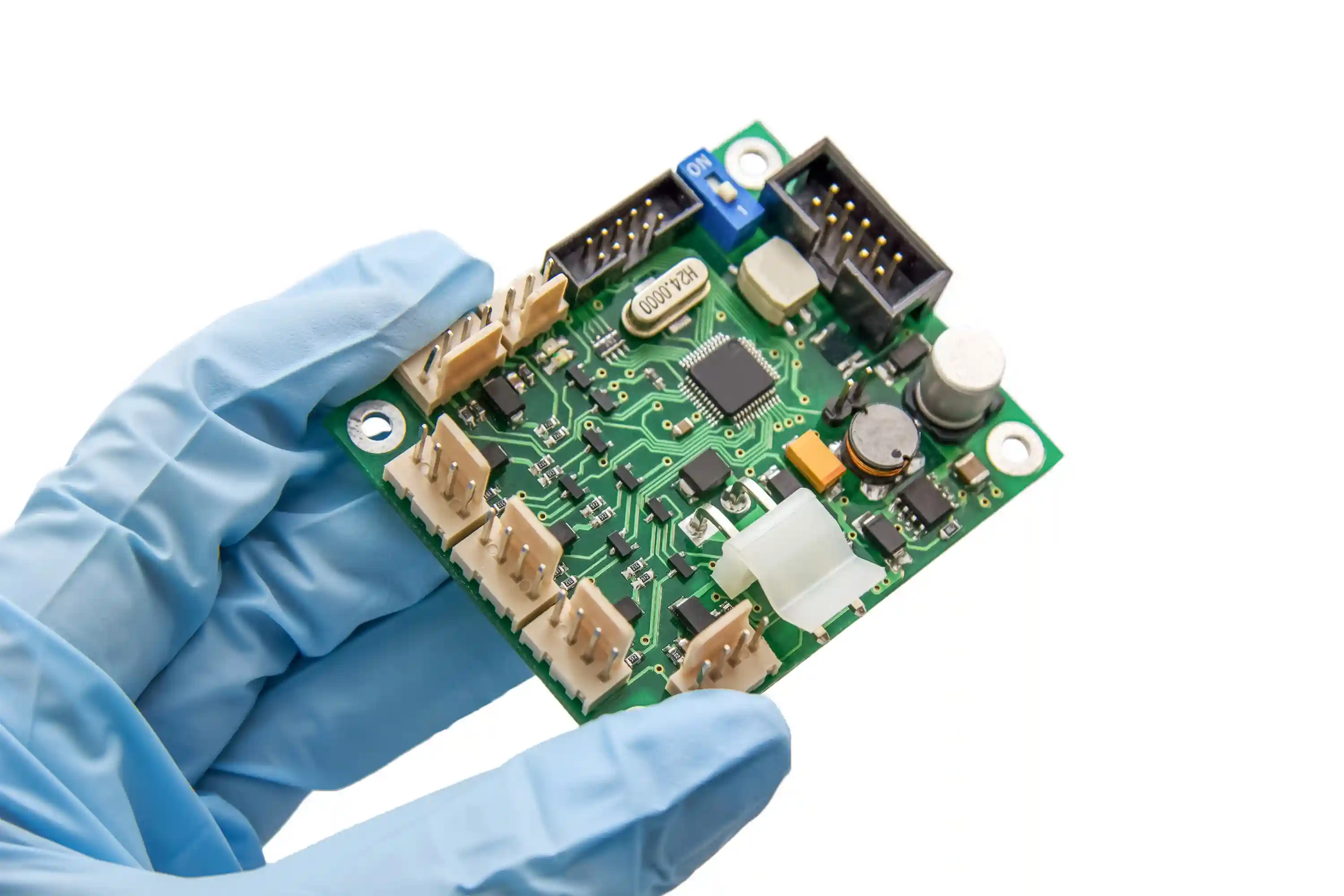
Evidence buyers should define before release
Automotive PCB evidence should be named in the RFQ, not negotiated after parts arrive. Public references on IATF 16949, PPAP, and the IPC standards ecosystem are useful context, but your build package should specify the exact records needed for the part number, revision, and customer approval path.
Released drawing, stackup, and Gerber or ODB++ package at the same revision
Material, finish, impedance, and electrical test records tied to the lot
First-article and inspection reports scaled to the board construction risk
Approved deviation and substitution records before shipment
Production workflow for automotive PCB programs
A stable automotive PCB process keeps design intent, manufacturing controls, and release records connected from RFQ through repeat production. The steps below are designed to prevent late evidence gaps that slow launch approval.
Step 1
Define automotive requirements
We collect the board files, stackup, CTQs, quantity, annual demand, environment, traceability requirements, and any IATF 16949, PPAP.
Step 2
Run DFM and control-plan review
Engineering checks annular ring, copper balance, creepage, clearance, impedance, thermal relief, via structures, panelization, and inspection points before.
Step 3
Build first articles
First articles verify revision, material, finish, stackup, dimensions, electrical test coverage, and assembly handoff assumptions before repeat lots are.
Step 4
Produce with traceable records
Production follows the approved route with controlled materials, process travelers, inspection gates, electrical test, and documented deviations.
Step 5
Package evidence for release
Shipment can include inspection reports, electrical test evidence, lot traceability, certificates of conformance, and buyer-defined records.
Automotive applications we support
EV battery management systems, cell monitoring boards, contactor control, charge-port electronics, and energy-storage control modules
ADAS sensor interfaces, radar support electronics, camera modules, telematics, gateways, and communication boards
Automotive LED lighting, body control, seat electronics, HVAC controls, instrumentation, and infotainment subassemblies
Commercial vehicle, off-highway, agricultural, and industrial mobility electronics exposed to vibration, temperature swings, and service handling
Related services and references
PCB Manufacturing
Use this page for the broader PCB fabrication capability before automotive evidence and launch controls are defined.
PCB Assembly
Use this service when the automotive board also needs SMT, through-hole, inspection, sourcing, and assembly handoff support.
EV Control Board PCB Assembly
Use this service when VCU, COM board, key fob, or BMS interface PCBAs need firmware, test, and harness-interface review.
Aluminium PCB Manufacturer
Use this service for automotive lighting and power boards where thermal path and metal-core stackup drive the design.
HDI PCB Manufacturing
Use this service when compact automotive electronics require microvias, fine routing, via-in-pad, or sequential lamination.
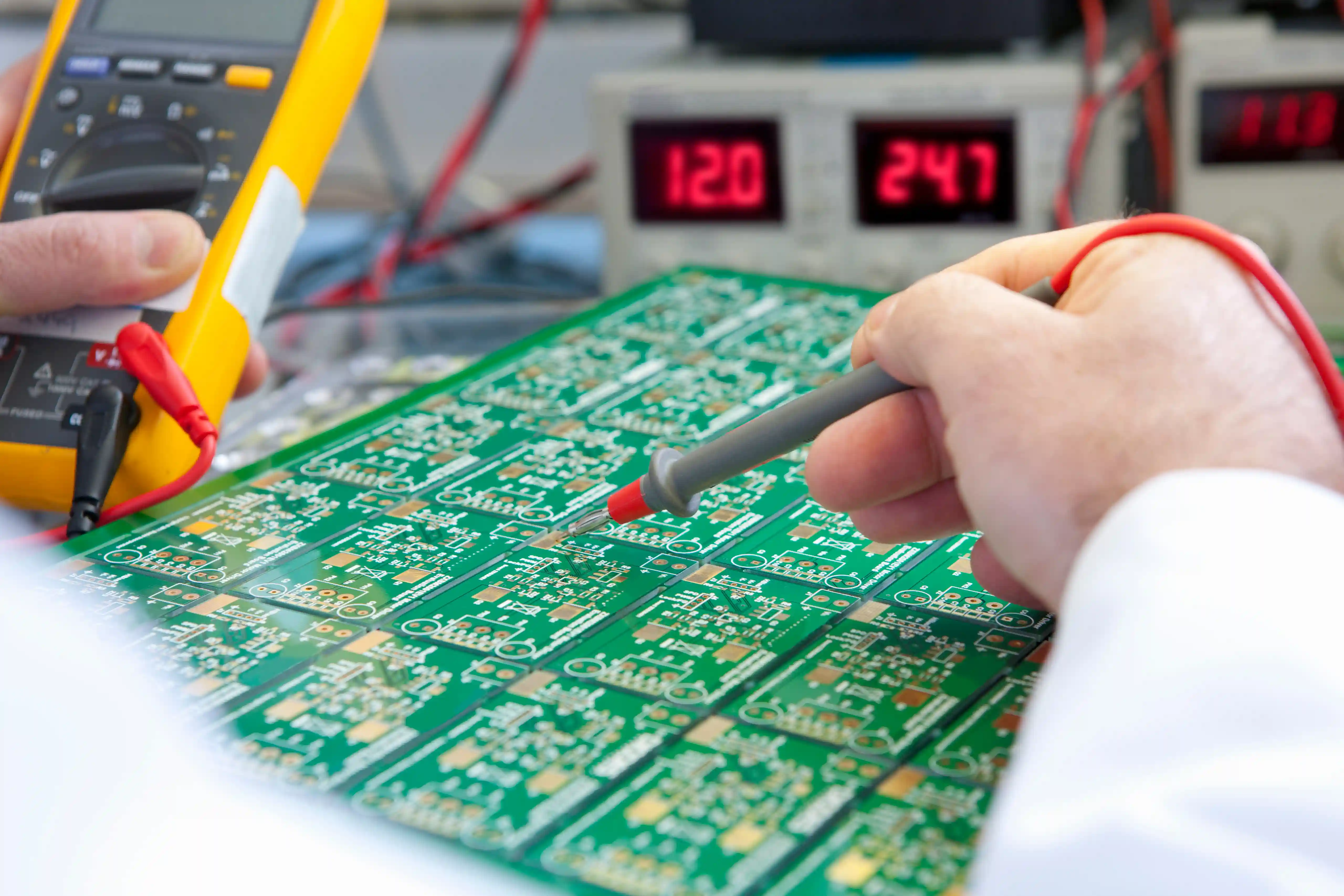
Automotive PCB manufacturing FAQ
These answers cover the quoting, evidence, and construction choices that usually decide whether an automotive PCB supplier can support launch instead of only building samples.
What makes an automotive PCB manufacturing quote different from a normal PCB quote?
An automotive PCB manufacturing quote needs the control evidence behind the board, not only copper layers and delivery date. Send Gerber or ODB++ data, stackup, drawings, CTQs, annual volume, test requirements, revision history, and any IATF 16949 or PPAP expectations. A normal prototype quote may only price material, layer count, finish, and quantity. An automotive quote should also define traceability, first-article records, approved substitutions, inspection reports, and change-control rules before the first lot is released.
Do I need IATF 16949 certification for every automotive PCB prototype?
IATF 16949 is not always required for early bench prototypes, but automotive buyers should define when the program shifts from engineering samples to production-intent builds. A 10-board firmware prototype may prioritize speed, while a 200-board validation lot often needs controlled materials, revision records, electrical test evidence, and supplier documentation. If your customer expects PPAP or customer-specific requirements later, align the prototype stackup and process assumptions early so validation data does not become unusable during launch.
I need 500 EV battery management PCBs for pilot production. What should I send?
For 500 EV battery management PCBs, send Gerber or ODB++ files, BOM, centroid data if assembly is needed, stackup, copper weight, creepage and clearance rules, impedance targets, surface finish, drawing revision, test plan, and any PPAP or traceability checklist. Battery boards often combine measurement accuracy, isolation spacing, thermal behavior, and connector stress. The quote should identify high-risk features before launch, including heavy copper transitions, slots, board edge spacing, coating needs, and electrical test coverage.
Which automotive PCB applications need the tightest process control?
Safety-adjacent and high-energy automotive PCBs need the tightest process control because defects can create intermittent faults, heat rise, or loss of function in the field. Battery management, ADAS interfaces, steering or braking support electronics, power conversion, lighting control, and vehicle gateways usually need stronger traceability than simple accessory boards. The control plan should consider IPC workmanship expectations, electrical test, AOI or X-ray by risk, material traceability, and documented approval for any deviation from the released design.
How does PPAP relate to automotive PCB manufacturing?
PPAP is the production approval evidence package many automotive customers use before releasing a supplier for production. For PCB manufacturing, PPAP-related evidence can include design records, engineering change notes, process flow, control plan, dimensional results, material records, test data, capability evidence, and part submission warrant expectations. PCBInsider can support the manufacturing and inspection records tied to the build. Final PPAP scope is customer-specific, so buyers should state the required submission level before pilot production starts.
Should an automotive PCB use HDI, heavy copper, or aluminum substrate?
The right automotive PCB construction depends on the electrical and mechanical stress. HDI fits compact ADAS, telematics, and dense controller boards where fine-pitch packages force microvias. Heavy copper fits higher-current paths in power conversion, battery, and motor-control circuits. Aluminum substrate fits lighting and thermal-transfer boards where heat must move away from LEDs or power devices. A design may need none of these if standard FR-4, correct copper weight, and controlled assembly can meet the requirement.
Need an automotive PCB quote with launch evidence defined upfront?
Send the board files, stackup, BOM if assembly is included, CTQs, expected annual volume, and the required IATF 16949 or PPAP support level. We will review the build path before quoting production.