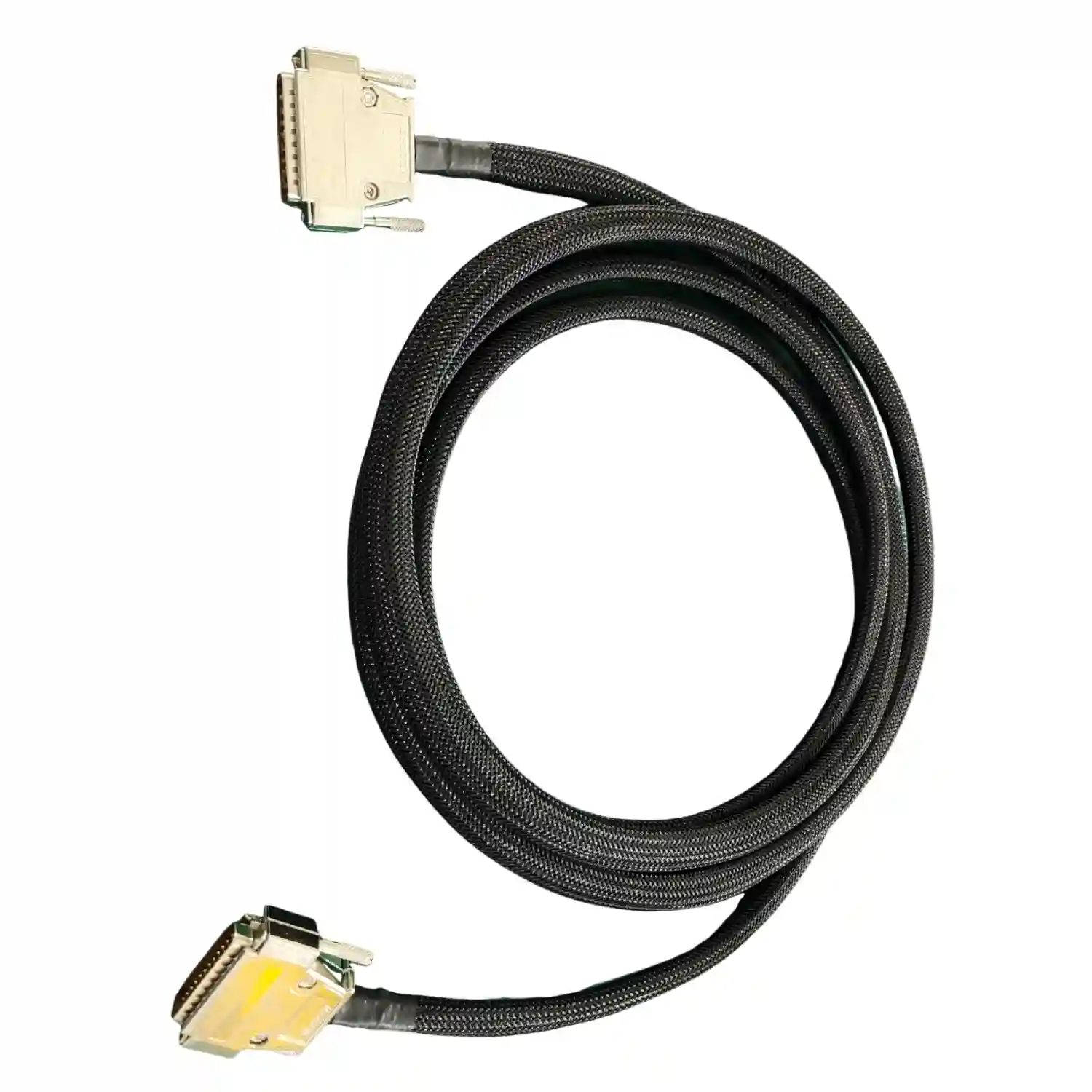
BESS, Battery Module, and Power Conversion Interconnects
Energy Storage Cable Assembly for Fast Iteration and Repeat Builds
PCBInsider builds energy storage cable assemblies for buyers who need prototype speed without losing production discipline. The differentiator is controlled changeover support: the same drawing, connector, test, and release record can carry from a 100-piece sample run into repeat 200 to 500 piece battery module batches.
100%
Continuity and shorts test planning
12 days
Documented urgent prototype case
200-500
Repeat small-batch case volumes
4+ models
Battery assembly iteration support
TL;DR
- Energy storage cable assembly covers BESS, battery module, inverter, charger, and rack-level interconnect builds.
- PCBInsider is strongest where prototype learning must carry into repeat 200-500 piece battery assembly batches.
- Every RFQ should define current, voltage, connector system, bend radius, sealing, labeling, and test evidence.
- The service boundary is cable and harness manufacturing, not battery cell supply or safety certification ownership.
Battery Cable Builds Need Release Control Before Volume
Energy storage cable assembly is the manufacturing of custom electrical interconnects used in battery energy storage systems, battery modules, power conversion equipment, chargers, and related enclosures. BESS is a battery energy storage system that stores electrical energy for later use. A battery module cable assembly is a controlled wire, connector, terminal, label, and test package that connects part of that system. A first article is the initial inspected build used to prove the released drawing and process.
The standards context should match the actual hazard. Battery energy storage system references explain the system environment, IPC provides public context for electronics workmanship organizations such as IPC/WHMA-A-620, and ISO 9000 explains quality management principles used for revision control and production records. The U.S. Department of Energy also publishes public energy storage resources that help procurement teams separate system-level BESS risk from component-level cable manufacturing scope. PCBInsider does not replace the buyer's safety certification owner; we manufacture the cable assembly to the released requirement and provide the agreed inspection record.
Battery Module Interconnects
Custom battery cable assemblies for module leads, low-voltage sensing, balance connections, service loops, and rack-level harnesses where routing and connector retention affect field reliability.
2-Pin and Multi-Pin Connector Builds
Connector-focused builds cover 2-pin battery connectors, keyed housings, latch systems, crimped contacts, soldered leads, and customer-specified plugs that need fit review before release.
High-Current DC Cable Control
Current-carrying assemblies are reviewed for conductor size, insulation system, contact resistance, heat rise risk, lug orientation, torque access, and bend strain near the termination.
100% Electrical Test Plan
Production release can include continuity, shorts, polarity, insulation resistance, dielectric withstand, pull checks, and fixture evidence matched to the hazard level of the assembly.
Prototype-to-Small-Batch Changeovers
High-mix battery projects need controlled changeovers between models. We track drawing revision, connector variant, wire length, label, and test program so repeat builds do not drift.
Release Records Buyers Can Audit
Finished lots can ship with first-article notes, material callouts, test records, deviation notes, packing labels, and lot references for BESS and battery module procurement teams.
Real Project Snapshot: 2-Pin Battery Connector Samples
A European energy storage SME needed urgent prototype samples for a new 2-pin battery connector assembly to meet an aggressive project milestone. The customer required a very short lead time of just 12 days for delivery of 100 custom assemblies to meet a critical project deadline.
PCBInsider expedited the manufacturing and logistics process to prioritize the custom 2-pin assembly run. The result was a 100-piece sample quantity delivered within the 12-day lead time, allowing the buyer to continue validation on schedule. Concrete numbers from the case bank: 12-day lead time, 100-piece sample quantity, 2-pin custom assembly.
Capability Scope and Limits
Service focus
Energy storage cable assembly for BESS, battery modules, power conversion equipment, and battery-adjacent electrical subassemblies
Best-fit programs
Prototype validation, pilot builds, high-mix low-volume battery module iterations, and repeat production where drawings keep changing
Typical assemblies
2-pin battery connector assemblies, DC power leads, sensing harnesses, rack jumpers, charger interconnects, and enclosure cable sets
Connector scope
Customer-specified battery connectors, sealed housings, ring terminals, lugs, Anderson-style systems, TE, Molex, Amphenol, and equivalent reviewed parts
Wire and protection
Copper conductors, silicone, XLPE, PVC, TPE, heat shrink, braided sleeving, conduit, labels, boots, grommets, and strain relief by drawing
Testing options
Continuity, shorts, polarity, insulation resistance, hipot, pull force, contact retention, label inspection, and fixture-based final checks
Quality references
IPC/WHMA-A-620 workmanship context, ISO 9001:2015 document control, RoHS and REACH material review by project scope
Out of scope
Battery cell manufacturing, battery pack certification ownership, UL listing ownership, grid interconnection approval, and thermal runaway validation
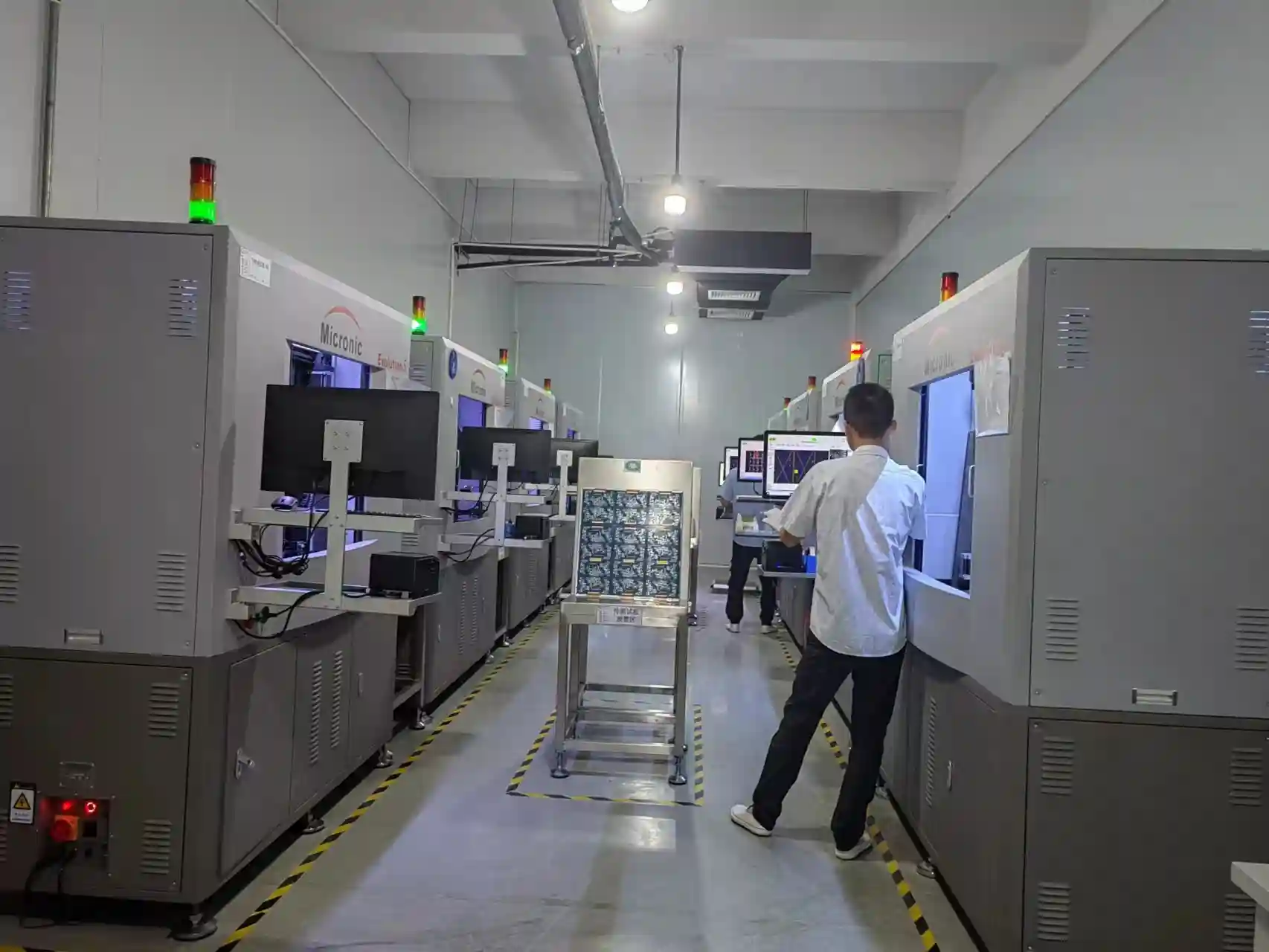
"Battery cable assemblies look simple until a connector change, label change, or bend-radius issue breaks repeatability. We lock the traveler and test record before the buyer scales the model."
Hommer Zhao
Founder & General Manager
Volume Strategy for Battery Cable Assembly Programs
Battery energy storage buyers often move through small batches before the design stabilizes. The table below separates sample validation, pilot production, high-mix repeat orders, and released production so purchasing can choose the right cost and control level instead of forcing every build into the same process.
Program stage
Typical quantity
Main buyer question
Recommended control
Prototype sample
10-100 pieces
Fast connector-fit and routing validation
Use simple tooling, lock labels early, and avoid unnecessary overmold NRE
Pilot build
100-500 pieces
Process repeatability and test evidence
Add controlled work instructions, first article checks, and lot-level records
High-mix repeat build
200-500 pieces per model
Frequent model changes without uncontrolled drift
Use model-specific travelers and fixture settings
Released production
500+ pieces
Stable throughput and predictable quality records
Freeze drawings, alternates, test limits, and packing rules before launch
Safety-critical subassembly
Any volume
Higher fault energy or service exposure
Add insulation resistance, dielectric withstand, retention checks, and buyer approval gates
The trade-off is cost versus change speed. A full fixture, serialized label scheme, and detailed release packet make sense when a model repeats. For early EVT samples, simpler fixtures and faster revision loops usually protect the schedule better.
Manufacturing Workflow
The workflow keeps connector risk, test limits, and model changes visible before a BESS or battery module cable assembly ships.
1
Map the battery assembly boundary
Engineering reviews current, voltage, connector type, conductor gauge, routing geometry, bend radius, sealing, label content, and whether the assembly sits inside a rack, enclosure, charger, or battery module.
2
Check materials and connector risk
We check part availability, mating connector fit, terminal tooling, insulation temperature rating, color rules, strain relief, and any customer-approved alternates before quoting the build.
3
Build prototype or first article samples
Prototype samples verify length, breakout position, connector orientation, label readability, retention, and basic electrical performance before the buyer releases pilot or repeat batches.
4
Release the test and traveler package
The traveler defines cut length, strip length, crimp tooling, soldering method where used, torque or pull requirement, test limits, inspection points, and packing instructions.
5
Run production with lot evidence
Finished energy storage cable assemblies are tested, inspected, labeled, packed, and released with the evidence the buyer needs for incoming inspection and installation control.
RFQ Checklist for BESS and Battery Module Cables
A strong RFQ lets engineering quote the real assembly risk in the first cycle: current, connector, material, test, and release evidence are all visible.
Drawing with wire length, strip length, terminal, connector, and label details
Target current, voltage, temperature range, and expected duty cycle
Mating connector or battery module interface information
Bend radius, enclosure exit, strain relief, and routing constraints
Continuity, hipot, insulation resistance, pull, and label inspection requirements
Batch quantity, forecast, model variants, and expected revision cadence
Approved manufacturer list and alternates policy for connectors and wire
Packing, serialization, lot traceability, and incoming inspection requirements
Repeat Battery Module Iteration Without Restarting the Process
A second case-bank project involved a European battery integrator with ongoing small-batch production across multiple evolving battery module assemblies. The customer ordered various custom assembly models in quantities ranging from 200 to 500 pieces, which required flexible production setups for frequent model changes without excessive cost or delay.
The concrete numbers matter: 200 to 500 piece batch sizes, 4+ custom assembly models supported, multi-year product lifecycle support. That is the practical reason this page focuses on controlled changeovers rather than only high-volume cable output.
Engineering Trade-Off
High-mix battery programs should not over-invest in permanent tooling too early, but they also cannot rely on memory and bench notes. The practical middle path is model-specific travelers, connector setup control, and test records that survive each design revision.
Compare low-volume harness assemblyEnergy Storage Cable Assembly FAQ
What files do I need for an energy storage cable assembly quote?
Send a cable drawing, connector part numbers, conductor gauge, insulation type, length tolerance, label requirements, target current, voltage rating, test requirements, and batch quantity. For BESS or battery module work, include the mating connector information and installation envelope so bend radius and strain relief can be checked before quoting. A 3D routing view is useful when enclosure exits or battery rack clearance controls the design.
Can you build 100 prototype battery connector assemblies in under two weeks?
A 100-piece prototype batch can be realistic when connectors, terminals, wire, and test requirements are confirmed early. In one case-bank project, a European energy storage SME needed a 2-pin custom assembly and received the 100-piece sample quantity within a 12-day lead time. That schedule depends on material availability and drawing readiness, so the first RFQ review focuses on the connector risk before promising delivery.
I need 200 to 500 cable assemblies per battery module revision. Is that too small?
A 200 to 500 piece battery cable assembly batch is a good fit for high-mix low-volume production when the process is built for changeovers. One case-bank project supported 200 to 500 piece batch sizes across 4+ custom assembly models during a multi-year product lifecycle. The practical requirement is disciplined revision control, model-specific travelers, and test setup records so each new model does not restart from zero.
What testing should a BESS cable assembly receive before shipment?
A BESS cable assembly should receive 100% continuity, shorts, and polarity testing at minimum, with insulation resistance, dielectric withstand, pull force, contact retention, and label inspection added when fault energy or service exposure is higher. IPC/WHMA-A-620 gives useful workmanship context, while ISO 9001:2015 supports document control and traceable release records. The buyer should define exact voltage, current, and acceptance limits in the RFQ.
How is energy storage cable assembly different from EV wire harness manufacturing?
Energy storage cable assembly usually centers on battery racks, modules, enclosures, inverters, chargers, and stationary BESS routing, while EV wire harness manufacturing adds vehicle vibration, routing zones, HVIL logic, service loops, and vehicle launch documentation. The processes overlap in conductor sizing, connector control, and electrical testing. Choose the energy storage route when the assembly lives in a BESS cabinet or battery module rather than a road vehicle.
Can PCBInsider source battery connectors and terminals for turnkey builds?
PCBInsider can support turnkey sourcing when the drawing names approved connector, terminal, wire, sleeve, and label materials. For battery assemblies, alternates must be approved carefully because small changes in contact plating, latch geometry, temperature rating, or mating height can affect field service. If the project has customer-owned parts or safety approvals, a hybrid model is safer: the buyer controls critical parts while PCBInsider sources standard materials.
When should I avoid overmolding an energy storage cable assembly?
Avoid overmolding early if the connector orientation, exit angle, length, or enclosure path is still changing. Heat shrink, boots, grommets, and mechanical clamps are often better for EVT and pilot builds because they allow faster revisions and lower tooling cost. Overmolding becomes more attractive after the geometry is stable, volume justifies tooling, and the buyer needs stronger strain relief, ingress control, or tamper-resistant construction.
Related Services
Custom Cable Assembly
Use this broader cable path when the energy storage build includes signal, power, shielded, or mixed connector assemblies.
EV Wire Harness Manufacturer
Use this route when battery, charging, inverter, or low-voltage vehicle harnesses need EV launch controls.
Wire Harness Manufacturing
Use this service for multi-branch harnesses with formboard control, routing constraints, and 100% electrical testing.
Connector Crimping and Soldering
Use focused termination support when crimp quality, solder cups, pull checks, or connector setup drives the risk.
UL CSA Compliance-Ready Cable Assembly
Use this path when recognized materials, label control, and compliance documentation are part of the RFQ.
Buyer Guides
EV Charging and Energy Storage Wiring Solutions
How to specify cable assemblies for current, sealing, safety, service life, and battery storage installation constraints.
Types of Power Cables
Compare battery cables, DC leads, AC cords, and industrial harnesses by current, voltage, flex, and service life.
Wire Harness Testing Methods
A practical guide to continuity, hipot, insulation resistance, pull testing, and production release evidence.
Need Battery Cable Samples or Repeat BESS Assembly Batches?
Send your drawing, connector list, current rating, voltage target, test requirements, and quantity plan. PCBInsider will review whether your energy storage cable assembly needs fast prototype handling, high-mix batch control, or a released production package.
Reviewed by: PCBInsider Engineering Team