Compliance-Focused Wire & Cable Service
UL CSA Compliance-Ready Cable Assembly for Controlled Product Builds
PCBInsider supports cable assembly programs where safety recognition, labeling discipline, and traceable documentation matter as much as crimp quality. We help teams release cable assemblies that fit the product's compliance strategy instead of creating rework later in QA, certification review, or field installation.
UL/CSA
Compliance-Aware Builds
100%
Electrical Test Coverage
Lot-Level
Traceability Records
5-10 Days
Prototype Timing
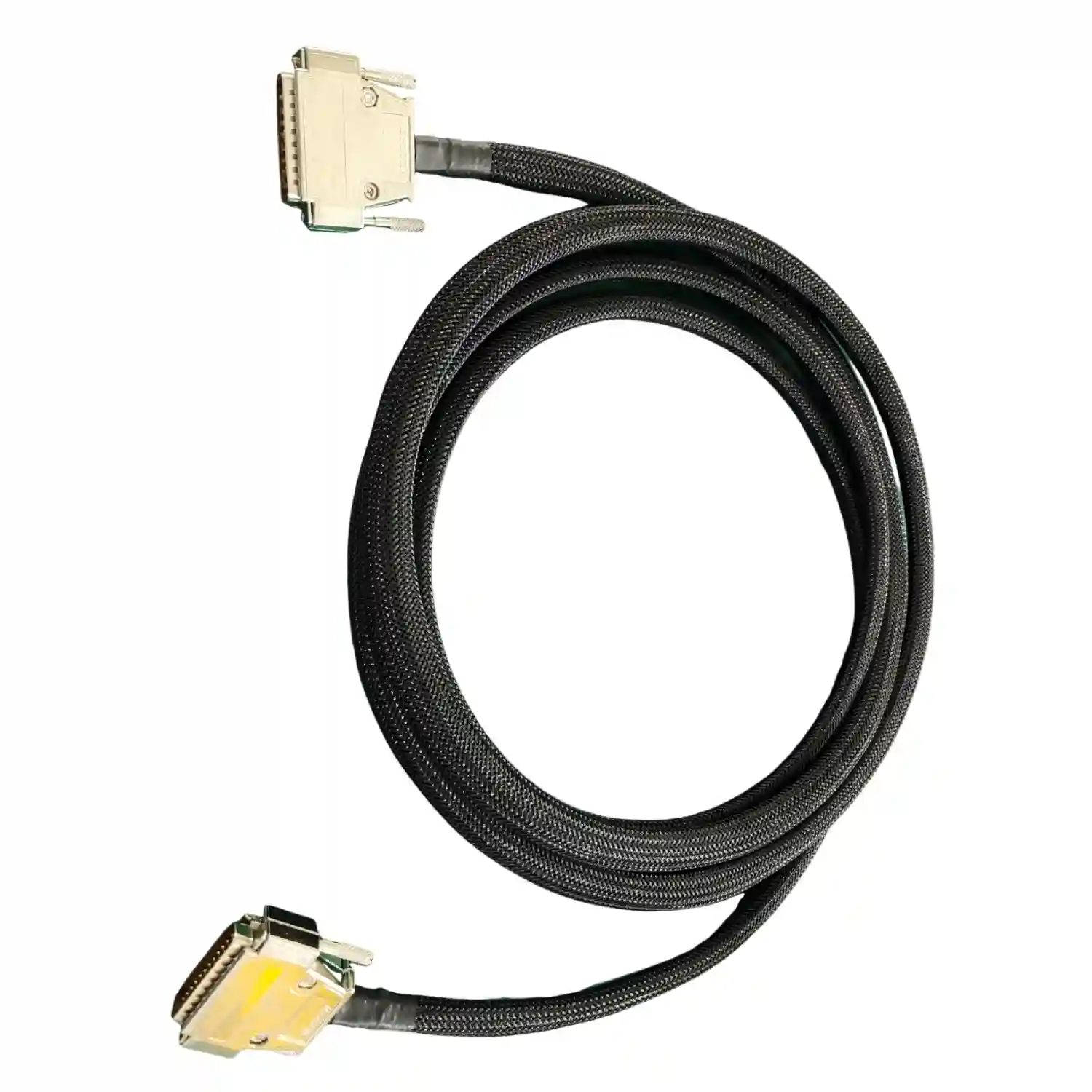
Why this service is separate from general cable assembly
A normal cable assembly quote can be fast and still be wrong for a compliance-sensitive product. If the wire style, connector family, sleeve, label, or test plan drifts away from the intended certification path, the problem often appears late in the program after pilot builds or during customer audit.
This page focuses on that specific commercial need: building cables with approved material logic, stable documentation, and release-ready records. Teams already using our box build assembly or electromechanical assembly workflow often use this service when the cable package needs its own compliance discipline.
Built Around Recognized Materials and Approved Construction Logic
Programs that mention UL or CSA usually fail when the assembly is quoted as a generic cable build.
Documentation That Supports Release and Audit Readiness
Buyers often need more than a passed continuity test. We support controlled BOMs, material callouts, revision-managed work instructions, traceable test.
Labeling and Marking Control
Safety-driven cable programs usually need consistent labels, wire identification, polarity marks, and packaging discipline.
Test Plans Matched to the Product Risk
Continuity alone is not enough for mains-adjacent or safety-sensitive cable assemblies.
Practical Control Over Temperature and Flammability Requirements
Many programs care about VW-1, UL 94, conductor temperature class, and enclosure-adjacent heat exposure.
Prototype Through Production Without Rewriting the Build Logic
The point is not just to pass one sample review. We support first articles, pilot builds, and recurring production with the same approved materials.
Compliance-oriented capabilities
- Service focus
- Cable assemblies for products that need UL- and CSA-aware material, labeling, and documentation control
- Typical products
- Power-connected devices, appliances, industrial controls, medical/lab equipment, instrumentation, and box-build subassemblies
- Cable scope
- Power cords, internal power leads, signal-and-power hybrids, board-to-wire assemblies, and customer-specified multi-conductor builds
- Materials approach
- Customer-specified parts or recognized wire, terminals, connectors, sleeving, heat shrink, and protection accessories by approved BOM
- Validation
- Continuity, shorts, insulation resistance, hipot by requirement, polarity verification, dimensional inspection, and functional checks by program
- Documentation
- Controlled BOMs, traveler records, labeling references, first-article support, CoC support, and lot traceability
- Production stage
- Prototype, NPI, pilot, bridge build, and recurring production
- Lead times
- Prototype timing typically 5-10 business days after file and material confirmation
Common program types
Appliance and white-goods interconnects
Internal harnesses and cable assemblies for products where mains-adjacent routing, insulation temperature class, strain relief, and connector retention.
Industrial controls and power-connected equipment
Assemblies for drives, panels, gateways, sensors, and machine subassemblies that need recognized materials, stable labeling, and test evidence before they.
Medical and laboratory equipment
Cable sets for analyzers, imaging accessories, monitoring devices, and instrument interiors where traceability, controlled revisions, and documentation.
Integrated box-build and electromechanical products
Programs that combine cable assemblies with PCBAs, enclosure hardware, power entry, and system wiring.
Process for compliance-ready cable release
The goal is to keep the certification intent visible through the whole build path, from RFQ review to recurring production.
Step 1
Review the compliance intent before quoting
We start with the drawing package, BOM, target market, product standard context, and any certification notes.
Step 2
Lock the approved materials and marking logic
Wire style, connector family, terminals, sleeving, labels, and protection parts are fixed around the released BOM so later substitutions do not create.
Step 3
Build first articles with production-intent controls
Prototype assemblies are built with the same stripping, termination, labeling, and test logic intended for production.
Step 4
Verify electrical integrity and file-specific details
We confirm the test plan, label placement, branch geometry, polarity, and documentation set so the finished assembly aligns with both the drawing.
Step 5
Release controlled production with traceability
Once approved, recurring lots run against revision-managed travelers, approved materials, and retained test records so receiving teams can verify what was.
Buyer notes
UL or CSA does not mean every cable is interchangeable
Assemblies that look similar can differ in wire style, temperature rating, connector approval status, strain relief method, or label content.
The assembly and the product standard need to stay connected
A cable build should not be reviewed in isolation. Appliance, industrial-control, and medical products can each impose different expectations.
Substitution control matters more after pilot approval
Many compliance escapes happen after a prototype passes.
Authority references
These public references are useful background reading for safety organizations and certification context.
UL overview
Background on UL as a safety organization commonly referenced in product and component compliance planning.
CSA Group overview
High-level reference for CSA and its role in standards, testing, and product certification.
OSHA NRTL program
Public reference for how nationally recognized testing laboratories fit into product-safety certification in the United States.
Frequently asked questions
Common questions from sourcing, quality, and engineering teams before they release a compliance-sensitive cable program.
What do you need to quote a UL or CSA focused cable assembly accurately?
The best package includes the cable drawing, full BOM, connector and wire callouts, labeling requirements, target market, test requirements, and any certification notes or file references tied to the product. If you only have a draft schematic and product photos, we can still review the likely compliance-sensitive gaps before quoting.
Do you provide standalone certification for the finished product?
We support the cable assembly manufacturing side of the program rather than replacing your end-product certification path. That means building to the approved material set, controlling labeling and documentation, and supplying the records your quality or certification team needs for review.
Can you work with customer-specified UL recognized wire and connector families?
Yes. We routinely build from customer-released BOMs and can also help review whether the specified wire, terminals, connectors, sleeving, and accessories are aligned with the intended use condition. Final approval still stays with the customer and the applicable certification path.
What testing is typical for these cable assemblies?
Most programs use 100% continuity and shorts testing as a baseline, then add insulation resistance, hipot, polarity verification, dimensional checks, and functional tests as required. The right plan depends on whether the assembly is internal-only, mains-adjacent, field-serviceable, or part of a larger electromechanical product.
Can you combine this service with PCB assembly or box build?
Yes. Many products that need compliance-aware cable assemblies also need PCB assembly, enclosure wiring, or final system integration. We can align the cable build with those related workflows so your team is not managing multiple release packages across separate suppliers.
Related services and reading
Use these links if your team is still defining the build path, workmanship standard, or adjacent system-integration scope.
Custom Cable Assembly
Broader custom cable manufacturing when the program does not need a separate compliance-focused workflow.
ExploreWire Harness Connectors
Useful when connector-family choice and termination control are the main risks in the release package.
ExploreBox Build Assembly
Relevant when the cable assembly is one part of a larger power-connected or electromechanical product.
ExploreWhat Is Cable Assembly
Background reference for teams standardizing cable terminology before they release a new build package.
ExploreIPC/WHMA-A-620 Standard Guide
Explains the workmanship framework commonly referenced during cable and harness quality review.
ExploreOvermolded Cable Assembly Guide
Helpful when the compliance plan also depends on strain relief, sealing, or molded cable exits.
ExploreQuote review with compliance context
Need a cable assembly that supports the product approval path?
Send the drawing, BOM, target market, and any safety-file notes. We will review the assembly around materials, labeling, and test logic before it turns into a production problem.
Approved BOM disciplineRevision-managed travelersTraceable lot records