Wire & Cable Services
Wire Harness Connectors for Production-Ready Harness Builds
PCBInsider helps OEM and sourcing teams turn connector decisions into buildable harnesses. We support connector-family selection, crimp and cavity control, sealing strategy, and finished harness production so the interface works on the line and in the field.
100%
Electrical Test Coverage
IPC/WHMA-A-620
Workmanship Control
IP67-IP69K
Sealing Options
Prototype to Production
Program Support
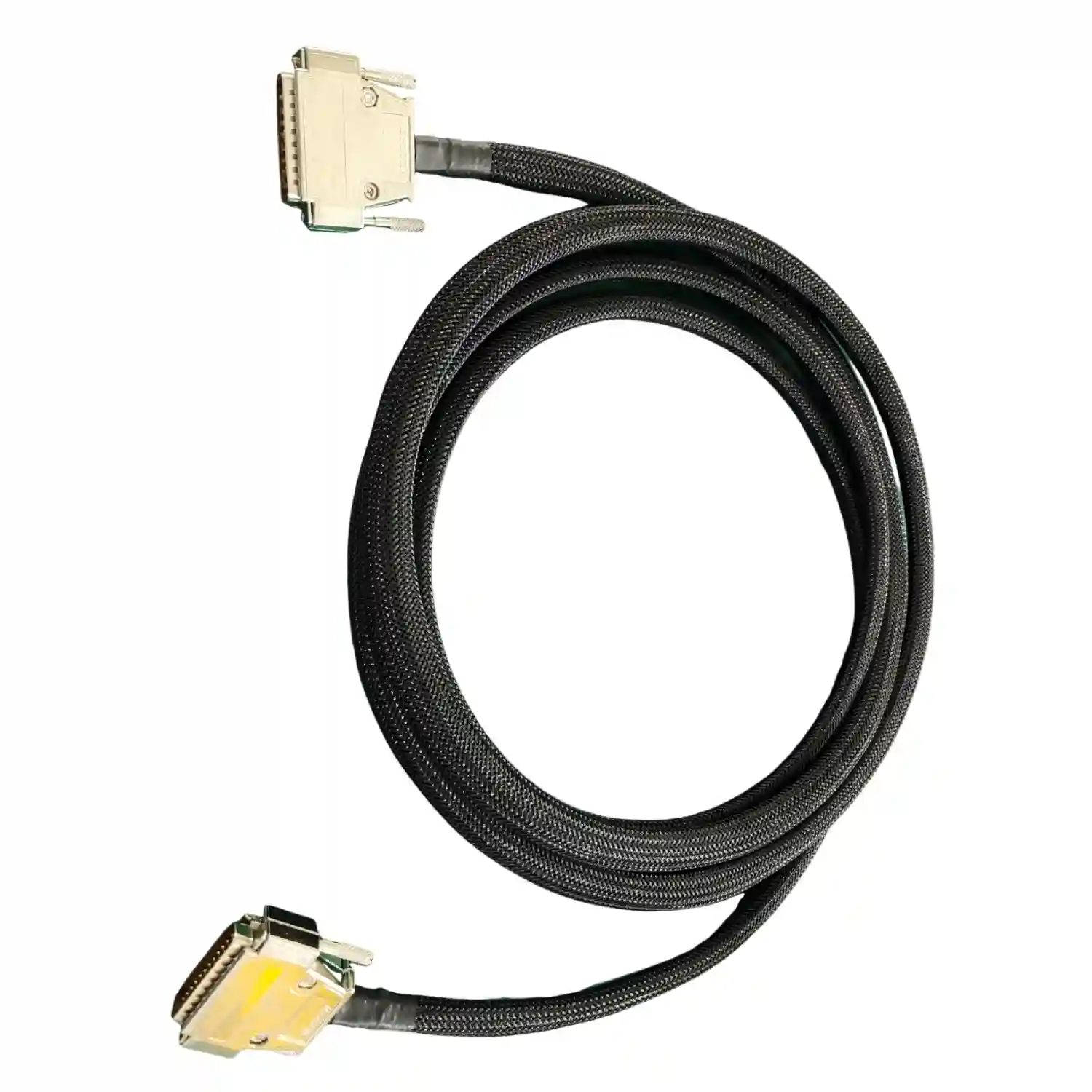
Why this page is separate from generic harness manufacturing
Buyers often search for wire harness connectors when the real problem is not buying loose parts. The challenge is choosing the right mating system, validating termination quality, and shipping an electrically tested assembly that installs cleanly. This page focuses on that connector-specific part of the job.
Connector Selection Around Real Use Conditions
Wire harness connector decisions should be made around current, voltage, sealing, vibration, mating cycles, and service access, not catalog familiarity.
Termination Control for Crimp, IDC, and Solder Contacts
The connector part number is only half the job. We lock the correct terminal, wire range, applicator tooling, strip length, insertion depth, and retention.
Sealed and Harsh-Environment Connector Planning
For equipment exposed to washdown, dust, coolant, oil, or outdoor service, we support sealed connector systems with grommets, backshells, boots.
Production-Ready Harness Integration
We build connectorized wire harnesses as controlled assemblies, with approved BOMs, labeling, lot traceability, and fixture-based testing.
Cross-Mating and Revision Risk Review
Many harness issues come from mating-part drift, plating mismatches, cavity mistakes, or drawing revisions that never flow into the crimp setup.
Board-to-Wire, Wire-to-Wire, and Panel Interfaces
We support discrete wire, multi-circuit, shielded, and hybrid harnesses that terminate into board headers, inline couplings, panel-mount connectors.
Connector integration capabilities
- Service focus
- Wire harness connector selection, termination control, and finished harness integration
- Connector families
- TE, Molex, JST, Amphenol, Deutsch, Aptiv, Yazaki, Hirose, and customer-specified systems
- Interface types
- Wire-to-wire, wire-to-board, board-to-wire, panel-mount, inline, circular, and sealed connectors
- Contact styles
- Crimp, IDC, solder cup, machined contacts, stamped contacts, and hybrid power-signal terminations
- Environmental options
- Unsealed indoor builds through sealed and harsh-environment connector systems
- Validation
- Continuity, shorts, insulation resistance, hipot, retention checks, and first-article review by program
- Quality controls
- Tooling validation, crimp-height checks, pull testing, cavity verification, and lot traceability
- Typical project stage
- Prototype, NPI, bridge build, and repeat production
Common connector-driven programs
Industrial Controls and Automation
PLC cabinets, sensor harnesses, HMI wiring, machine interlocks, and field I/O bundles that need clear labeling, locking geometry, and stable service.
Vehicle and Mobile Equipment Harnesses
Automotive, off-highway, and battery-system subassemblies where sealed connectors, CPA features, abrasion protection, and vibration-aware routing matter.
Medical and Laboratory Equipment
Harnesses for imaging, diagnostics, and instrumentation where compact connector geometry, repeatable assembly records, and controlled sourcing reduce.
Embedded Electronics and Box Build
Internal equipment harnesses linking PCB assemblies, displays, power entry, fans, and panel I/O where connector choice affects assembly speed.
Process for connectorized harness release
The goal is to remove ambiguity before production. Connector programs fail when the mating side, terminal callout, or tooling assumptions stay informal too long.
Step 1
Review the connector intent and mating interface
We start with your drawing package, wire list, mating connector details, environmental notes, and assembly context.
Step 2
Lock materials, terminals, and tooling assumptions
After connector selection is confirmed, we fix the exact terminal part, wire range, applicator setup, insertion checks, cavity map, and any sealing.
Step 3
Build prototypes and first articles
Prototype assemblies are built using production-intent materials and controlled work instructions.
Step 4
Release controlled production harnesses
Once approved, the harness moves into controlled production with revision-managed documents, material traceability, electrical testing, and packaging.
Authority references
These are useful background references for connector categories, termination methods, and standards context.
Electrical connector overview
Background on connector categories, mating concepts, and interface fundamentals.
Crimp termination reference
High-level reference for why crimp geometry and tool control matter in production.
UL reference
Context for safety-recognition expectations that often affect connector and wiring-system decisions.
IPC reference
General reference for the IPC standards ecosystem used in electronics and harness manufacturing.
Related reading and services
Use these pages if the connector decision overlaps with broader harness production, replacement sourcing, or standards review.
Wire Harness Manufacturing
Broader custom harness production for industrial, medical, and mixed-electronics programs.
Custom Cable Assembly
Connectorized power, signal, and hybrid cable assemblies built around application-specific interfaces.
Obsolete Connector Replacement
Support when a legacy mating interface or discontinued connector family blocks production or service.
Connector Crimping & Soldering Services
Use this page when the connector family is already chosen and the risk is crimp quality, soldering, cavity control, or termination inspection.
Types of Power Connectors
Useful if your team is comparing connector families before it locks the harness BOM.
IPC/WHMA-A-620 Standard Guide
Explains the workmanship framework commonly referenced for wire harness and cable assembly quality.
Coaxial Connector Types
Helpful when the connector decision includes RF branches or mixed signal-and-power harnesses.
Wire harness connector FAQ
Short answers to the questions that usually block RFQs and NPI approval.
What information helps you quote a wire harness connector project accurately?
The best package includes the harness drawing, mating connector or header details, wire list, terminal or contact callouts, environmental requirements, test coverage, and annual volume. If you only have a schematic and product photos, we can still review the connector strategy and define the missing manufacturing data.
Can you recommend connectors if the design is not finalized yet?
Yes. We can help narrow the connector family based on current, voltage, circuit count, sealing, service access, and installation constraints. Final selection should still be tied to the actual mating interface and field-use conditions, because a connector that looks suitable on paper may create tooling, space, or service problems later.
Do you only supply connectors, or do you build the full harness?
This service is aimed at full harness integration. We can support connector sourcing as part of the BOM, but the real value is building the terminated, labeled, and electrically tested assembly so your team is not managing connector procurement and termination quality separately.
How do you control crimp quality on connectorized harnesses?
We define the approved terminal and wire range, validate tooling setup, check crimp dimensions and retention, and confirm cavity placement against the harness revision. The exact plan varies by connector family and program risk, but the goal is always the same: stable termination quality that survives scale-up.
Can you support sealed connectors for outdoor or washdown equipment?
Yes. We support sealed connector systems when the application requires resistance to moisture, dust, coolant, or outdoor exposure. The connector, wire seal, backshell, strain relief, and routing all need to work together, so we review the full interface rather than treating sealing as a single part-number choice.
Need the connector strategy reviewed before release?
Send the harness drawing, mating interface details, and target environment. We can review connector-family fit, termination risk, and production readiness before your team locks the BOM.