Electric Vehicle Harness Service
EV Wire Harness Manufacturer for Battery, Charging, and Power Electronics Programs
PCBInsider supports electric vehicle harness programs that need more than generic automotive assembly capacity. We help buyers move from prototype routing and validation into controlled production with defined test logic, traceability, and release-ready documentation.
EV harnesses sit inside a stricter safety and validation context than standard vehicle wiring. Public references like NHTSA battery and EV safety guidance, DOE electric vehicle basics , and UL safety references explain why insulation, connector selection, and validation scope must be engineered together.
Traceable EV Harness BuildsPrototype to Production ControlHigh-Voltage and Low-Voltage Scope
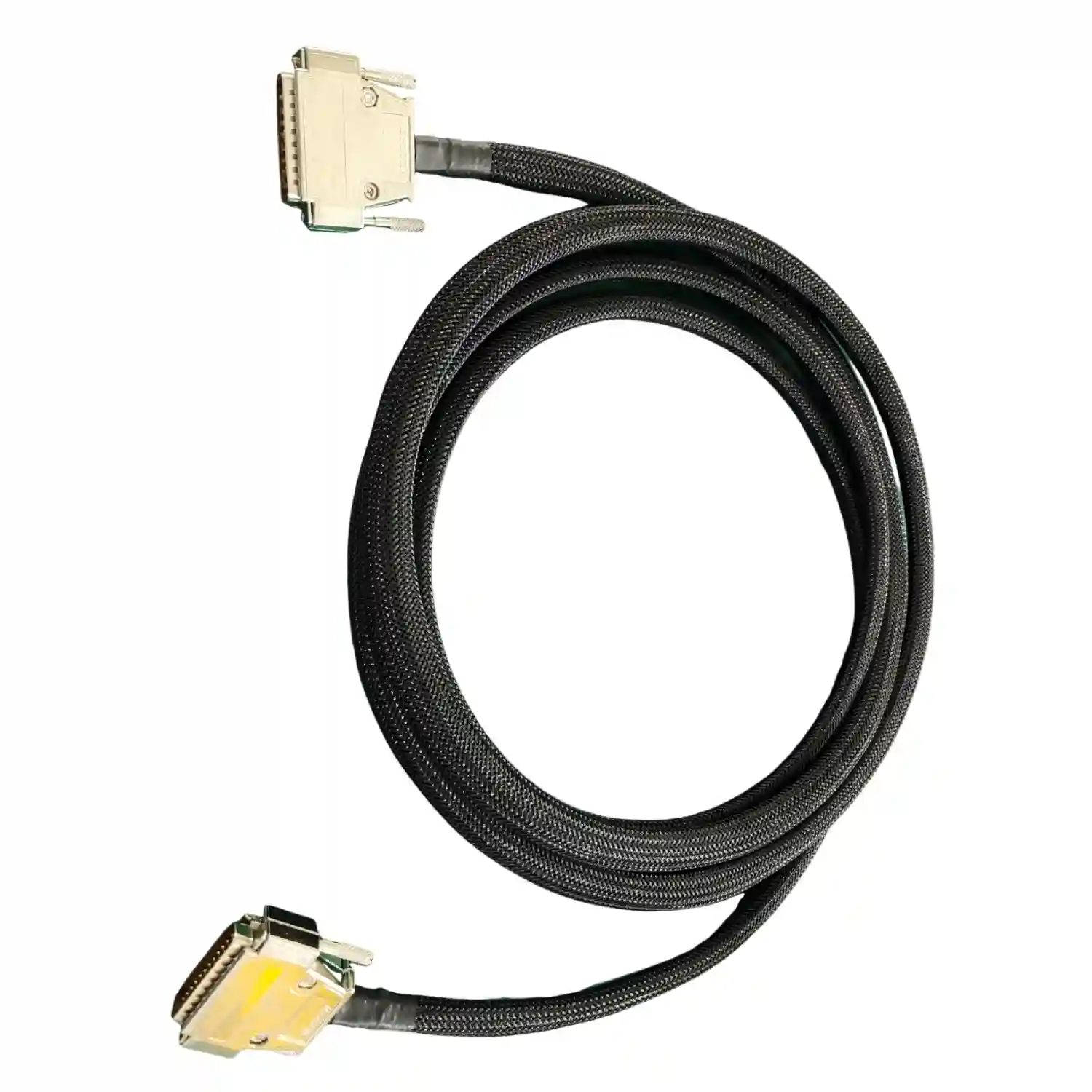
HV + LV
EV Subsystem Harness Coverage
EV + Hybrid
Vehicle Program Focus
100%
Electrical Test Planning
5-10 Days
Typical Prototype Window
HV + LV
Harness Scope
What EV Buyers Need from a Harness Supplier
Electric vehicle wiring programs fail when the harness is treated like a commodity cable job. Battery interfaces, charging systems, shielding paths, connector lock features, and test records all affect launch quality and service risk.
Battery and Power Electronics Harnesses
We support harness programs around battery packs, BDU and PDU assemblies, inverter and converter interfaces, charge-port wiring, and related subsystem.
High-Voltage and HVIL Awareness
EV harnesses carry different risks than conventional vehicle wiring.
Shielding, Sealing, and EMC Control
Electric vehicle harnesses often sit near inverters, chargers, motors, and dense low-voltage electronics.
Fixture-Based Test Planning
The practical difference between a sample shop and a production-capable EV harness supplier is test discipline.
Prototype to Launch Continuity
The same controlled documentation set drives prototype, pilot, and production builds.
Traceability for Critical Assemblies
For higher-risk EV assemblies, lot traceability, material callouts, and serialized or fixture-linked records help buyers prove what was built, what was.
EV Harness Capability Snapshot
Buyers evaluating EV wire harness manufacturers usually need a fast read on subsystem fit, harness scope, test logic, and launch control before they can compare quotes responsibly.
| Service Focus | EV wire harness manufacturing for prototype, launch, and production programs |
|---|---|
| Program Types | Battery pack, BDU/PDU, charging, inverter, converter, and low-voltage EV subsystems |
| Harness Scope | Selected high-voltage subassemblies plus low-voltage control, sensing, and communications harnesses |
| Connector Families | TE, Amphenol, Molex, Aptiv, Rosenberger, Yazaki, Sumitomo, and customer-specified systems |
| Protection Options | Braided sleeving, orange jacketed cable, heat shrink, grommets, conduit, and sealed accessories |
| Testing | 100% continuity and shorts; IR, hipot, shielding, and fixture-based validation by program |
| Quality Documents | FAI, control plans, traceability records, test reports, and launch documentation by requirement |
| Prototype Timing | Typical 5-10 business days after file and material confirmation |
| Production Planning | Release schedules aligned to validation milestones, long-lead connectors, and safety stock strategy |
| Compliance Context | IPC/WHMA-A-620 workmanship, RoHS and REACH by scope, and customer-specific EV program rules |
Typical EV Programs
Battery Pack and Energy Storage Assemblies
Harnesses for pack-level sensing, balancing interfaces, service disconnect paths, current monitoring, and battery enclosure routing where mechanical fit.
Charging and Power Distribution
Charge-port leads, on-board charger interconnects, DC-DC converter wiring, and related power distribution assemblies that need robust connector retention.
Low-Voltage EV Control Harnesses
Body electronics, thermal management, BMS control, sensor, and communications harnesses that must coexist with higher-energy systems without creating.
Commercial EV and Off-Highway Platforms
Harness programs for buses, delivery fleets, industrial EVs, and off-highway equipment where vibration, ingress, service loops, and connector sourcing risk.
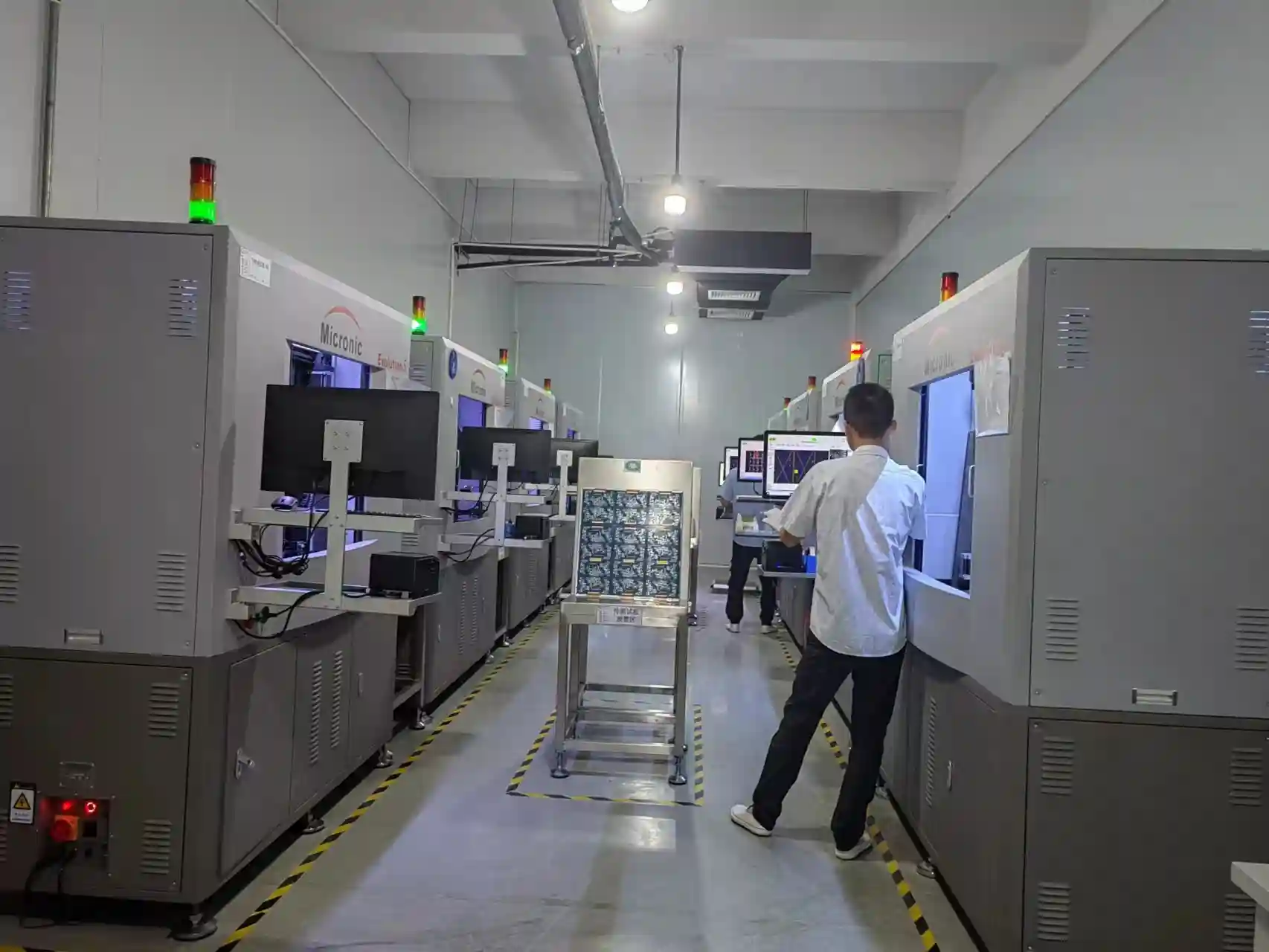
EV Launch Risk Falls When Test Logic Is Defined Early
Many EV programs lose time because fixture requirements, insulation checks, and pass-fail logic are left until after sample approval. We prefer to define the validation path while the harness package is still being stabilized.
How We Move from Prototype to Production
EV harness sourcing gets expensive when prototype learning does not carry forward into the released process. Our workflow is built to keep validation, fixture logic, and revision control connected.
1
RFQ Review and Safety-Critical Scope Mapping
We review routing data, connector callouts, conductor sizes, shielding, installation geometry, service requirements, and test expectations.
2
Prototype Build and Design Validation Support
Prototype EV harnesses are built against controlled instructions and checked against fit, breakout geometry, identification, and electrical criteria.
3
Fixture, Documentation, and Launch Readiness
Once the harness package stabilizes, we lock revision control, define incoming inspection points, prepare electrical test fixtures where required.
4
Controlled Production and Ongoing Change Management
Production builds run against released revisions with lot traceability, in-process inspection, and test records.
Related Services and Buyer Resources
EV sourcing teams usually compare vehicle harness capability, testing discipline, and broader interconnect support before they release a program.
Automotive Wire Harness
Broader vehicle harness support covering EV, ICE, and commercial platforms.
ExploreWire Harness Manufacturing
General harness capability for industrial, medical, and mixed electrical systems.
ExploreCustom Cable Assembly
Subsystem cable assemblies for power, signal, and hybrid integration work.
ExploreEV Control Board PCB Assembly
VCU, COM board, key fob, and BMS interface PCBAs when the harness and board must be released together.
ExploreWire Harness Testing Methods
Review continuity, IR, hipot, and fixture validation approaches before RFQ.
ExploreWire Harness Cost Breakdown
See how connectors, labor, test scope, and protection choices affect pricing.
ExploreIPC/WHMA-A-620 Guide
Understand the workmanship baseline many harness sourcing teams expect.
ExploreNeed an EV Harness Quote That Reflects Real Validation Risk?
Send your harness drawing, routing package, connector list, target current, and test requirements. We review the program from a manufacturing and launch-control perspective so the quote reflects actual EV risk, not only piece-part labor.
EV Wire Harness Manufacturer FAQ
Common buyer questions around EV wire harness manufacturing, validation scope, and production planning.
What EV harness information do you need for an accurate quote?
The fastest quote comes from a harness drawing or 3D routing package plus connector part numbers, conductor sizes, shielding requirements, target current, dielectric spacing rules, test scope, and annual demand. If the EV program is early, a battery-system block diagram and preliminary wire list are enough for a manufacturability review and budgetary estimate.
Do you support both high-voltage and low-voltage EV harnesses?
Yes. We support selected high-voltage subassemblies such as battery leads, charge-port assemblies, HV junction harnesses, and interconnects between battery, inverter, and power electronics, along with low-voltage control and sensing harnesses. The scope is confirmed up front because insulation systems, connector families, and validation plans differ sharply between the two.
What testing is typical for electric vehicle wiring harnesses?
Most EV harness programs require 100% continuity and short-circuit testing, while higher-risk assemblies may also require insulation resistance, dielectric withstand, shielding checks, connector retention, and fixture-based functional validation. We align the test plan to the real failure modes of the program rather than treating EV harnesses like generic cable builds.
Can you help with prototype-to-production transfer?
Yes. We structure prototype builds so the same engineering package can carry into pilot and production. That means revision control, material traceability, defined work instructions, and early attention to fixture logic, which reduces the common EV launch problem where sample builds pass but the released process drifts.
How quickly can EV harness prototypes ship?
Straightforward prototype harnesses often ship in 5 to 10 business days after drawing and material confirmation. More complex programs involving long-lead sealed connectors, shielding, overmolding, or dedicated test fixtures usually take longer and are scheduled around the actual validation plan rather than a generic fast-turn promise.