Automotive Harness Service
Auto Electrical Wiring Harness Manufacturers for Vehicle Programs That Cannot Drift
PCBInsider supports automotive electrical harness programs that need more than simple assembly capacity. We help buyers move from prototype validation to controlled production with defined test coverage, revision discipline, and launch-ready documentation.
If you are comparing auto electrical wiring harness manufacturers, the practical question is whether the supplier can control routing, connector systems, protection methods, and test records at the same time. That is the gap this page is designed to address.
100% Electrical Test PlansPPAP-Oriented Launch ControlEV, ICE, and Commercial Platforms
PPAP
Launch Documentation Support
5-10 Days
Prototype Window
100%
Electrical Test Coverage
PPAP
Launch Support
EV + ICE
Program Breadth
What Automotive Buyers Need from a Harness Supplier
Automotive wiring programs fail when suppliers treat the harness as a simple labor item. Vehicle installation geometry, connector availability, validation scope, and document control all affect launch success.
Vehicle-Specific Harness Engineering
Automotive harnesses are not generic cable bundles. They must fit brackets, clips, pass-throughs, moving joints, and service loops inside a real vehicle.
ICE, EV, and Hybrid Program Support
We build low-voltage chassis, body, and subsystem harnesses for conventional vehicles plus selected EV and hybrid subassemblies where shielding, sealing.
EMI, Vibration, and Sealing Awareness
Automotive reliability depends on more than continuity.
Launch Discipline with PPAP Mindset
For buyers comparing auto electrical wiring harness manufacturers, the real gap is usually launch control.
Prototype-to-Production Continuity
The same engineering package drives prototype, pilot, and production builds.
Traceability and Test Records
Lot control, labeled work instructions, fixture-based electrical test programs, and inspection records help automotive sourcing teams qualify suppliers.
Automotive Harness Capability Snapshot
Buyers evaluating automotive wire harness manufacturers usually need a fast view of program fit: vehicle segment, connector scope, protection options, testing, and launch support.
| Service Focus | Automotive electrical wiring harness manufacturing for prototype, launch, and production |
|---|---|
| Program Types | Passenger vehicle, EV subsystem, commercial vehicle, agricultural, and off-highway equipment |
| Wire Range | Signal and power circuits from fine-gauge control wiring through higher-current distribution circuits |
| Connector Families | TE, Molex, Aptiv, Yazaki, Sumitomo, Amphenol, and customer-specified systems |
| Protection Options | Tape wraps, braided sleeving, convoluted tubing, heat shrink, grommets, and sealing accessories |
| Testing | 100% continuity and shorts; insulation resistance, hipot, and functional fixture testing by program |
| Quality Documents | FAI, control plans, process flow, traceability records, and PPAP-related documents by requirement |
| Prototype Timing | Typical 5-10 business days after file and material confirmation |
| Production Planning | Release schedules aligned to annual demand, forecast risk, and long-lead connector strategy |
| Compliance Support | IPC/WHMA-A-620 workmanship, IATF-aligned process discipline, RoHS and REACH by material scope |
Typical Vehicle Programs
Body and Interior Harnesses
Door modules, seat wiring, dashboard sub-harnesses, console assemblies, lighting looms, and infotainment interconnects that need stable fit, clean labeling.
Power and Control Harnesses
Battery ancillaries, fuse-box interconnects, relay assemblies, actuator wiring, and control cabinet harnesses for vehicles and mobile machinery.
Sensor and Data Harnesses
Shielded camera, radar, telematics, and low-voltage data harnesses where routing discipline, twist control, shielding continuity, and connector retention.
Commercial and Off-Highway Platforms
Harness assemblies for trucks, buses, construction equipment, agricultural machinery, and utility vehicles where mud, oil, vibration, weather.
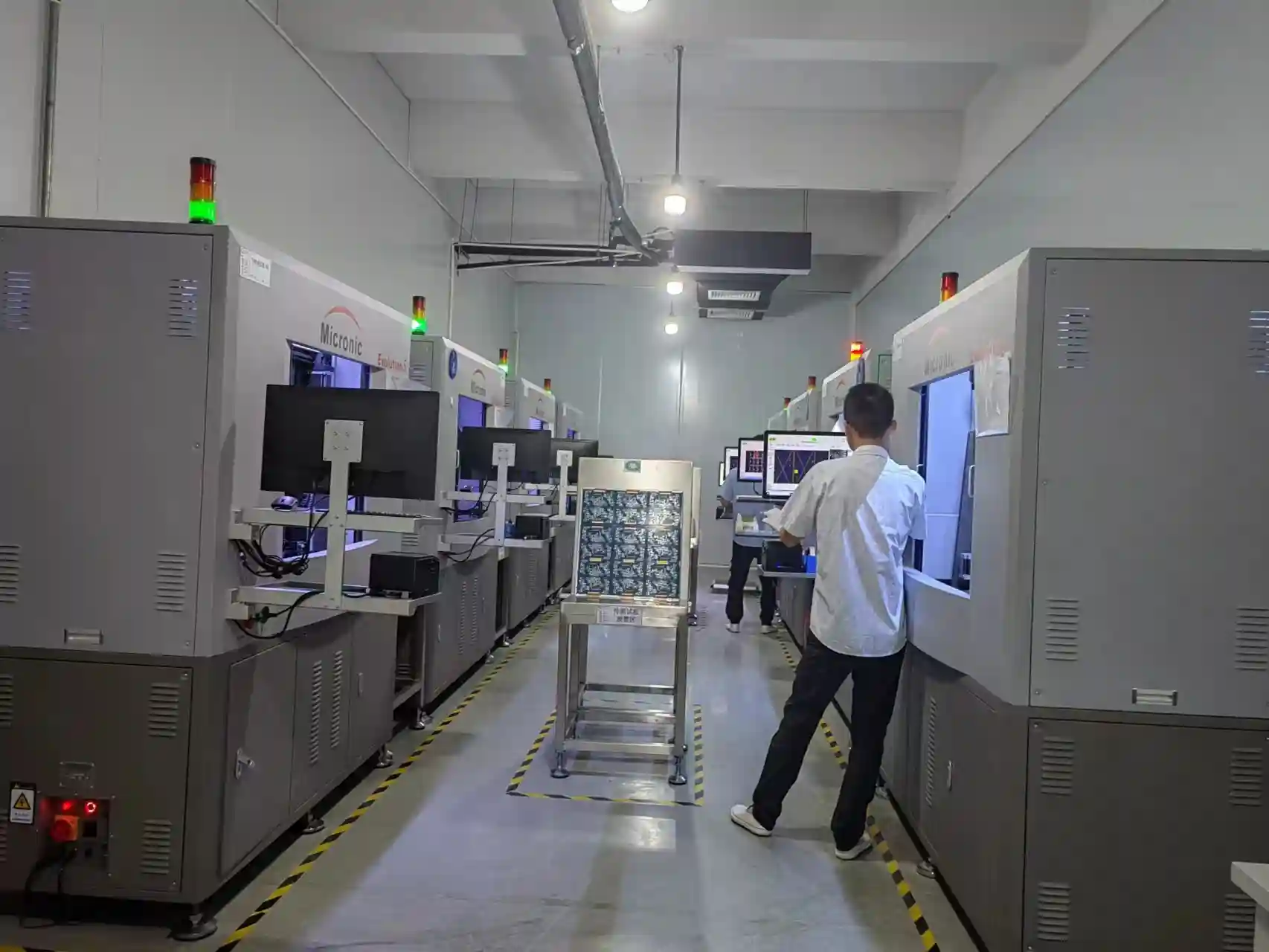
Launch Risk Drops When Test Logic Is Defined Early
Automotive programs often lose time because fixture requirements and pass-fail logic are left until after prototype approval. We prefer to frame the electrical test plan while the harness package is still being stabilized.
How We Move from Prototype to Production
Automotive harness manufacturing works best when every stage has a clear release gate. That is especially important when the same supplier is expected to support prototype learning and later production stability.
1
RFQ Review and Program Mapping
We review drawings, BOM data, connector callouts, branch lengths, protection requirements, annual usage, and target launch timing.
2
Prototype Build and First Article Validation
Prototype harnesses are built using controlled work instructions, measured against routing and breakout requirements, and tested on a defined electrical.
3
Fixture, Documentation, and PPAP Preparation
After the design stabilizes, we lock the process flow, create test fixtures where required, confirm incoming inspection points, and prepare the launch.
4
Production Release and Ongoing Control
Production runs are executed against controlled revisions with lot traceability, in-process inspection, and electrical test records.
Standards and Authority References
Commercial automotive buyers usually expect a supplier to speak in the language of workmanship, quality systems, and process discipline. Two reference points commonly used in that discussion are the IPC family of electronics workmanship standards and the ISO 9000 quality management framework.
For vehicle programs, sourcing teams also benchmark suppliers against IATF 16949 automotive quality expectations and, where applicable, customer-specific validation methods such as sealing, retention, and environmental durability testing.
The point is not to flood a launch with documents. It is to make sure process controls, inspection logic, and traceability are strong enough that quality decisions can be audited later.
Buyer Checklist
- Confirm connector part numbers, cavity assignments, and sealing accessories before releasing production tooling.
- Define the real test scope early: continuity only, or continuity plus IR, hipot, functional checks, and retention validation.
- Separate prototype timing from production timing so material constraints and PPAP deliverables are visible to purchasing.
- Ask how revision changes update the build board, test fixture, work instructions, and stock disposition at the same time.
Frequently Asked Questions
These are the questions automotive sourcing and engineering teams usually ask before moving a wire harness supplier into prototype or launch review.
What do automotive wire harness manufacturers need in order to quote accurately?
The fastest route is a harness drawing with branch dimensions, connector part numbers, terminal specifications, wire list, protective coverings, test requirements, and target annual volume. If the program is still early, a schematic plus vehicle installation photos is enough for an engineering review and a budgetary quote.
Can you support PPAP and automotive launch requirements?
Yes. We support APQP-style launch workflows, first article inspection, control plans, PFMEA inputs, dimensional reports, and PPAP submission packages aligned to customer-specific requirements. The exact document set depends on whether the program is OEM direct, Tier 1, or aftermarket.
What testing is typical for automotive electrical harnesses?
Most programs require 100% continuity and short-circuit testing, while higher-risk harnesses may also require insulation resistance, hipot, connector retention checks, crimp cross-section validation, sealing verification, and functional end-of-line tests using dedicated fixtures.
Do you handle EV and high-voltage harness projects?
Yes. We support low-voltage vehicle harnesses and selected EV subassemblies where conductor sizing, shielding, creepage and clearance, connector selection, and routing documentation are clearly defined. Program scope is reviewed up front because high-voltage harnesses demand tighter validation and traceability controls.
How quickly can prototypes ship?
Prototype timing depends on connector availability and fixture complexity, but straightforward validation harnesses typically ship in 5 to 10 business days after design confirmation. Production timing is then planned separately around material lead times, PPAP milestones, and release quantities.
Related Services and Buying Guides
Use these pages to compare adjacent service scopes, plan RFQs, and tighten the validation package before the next harness release.
Wire Harness Manufacturing
Broader custom harness capability for industrial, medical, and mixed applications.
Learn MoreOEM Wire Harness Manufacturer
Supplier-fit page for OEM sourcing teams evaluating broader harness programs.
Learn MoreCustom Cable Assembly
Mixed power, signal, and hybrid cable assemblies for subsystem integration.
Learn MoreWire Harness Cost Breakdown
See how materials, labor, tooling, and test scope affect program pricing.
Learn MoreWire Harness Testing Methods
Review continuity, IR, hipot, pull-force, and validation methods before RFQ.
Learn MoreIPC/WHMA-A-620 Guide
Understand the workmanship standard most harness buyers expect suppliers to follow.
Learn MoreNeed an Automotive Harness Supplier That Can Support Launch Reality?
Send your harness drawing, BOM, wire list, annual volume, and target SOP timing. We will review program fit, prototype path, testing scope, and documentation requirements before quoting.