RF Spring Probe Integration for Compact Electronics
Coaxial Pogo Pin Connectors
Coaxial pogo pins give electronics teams a spring-loaded RF contact when a fixed connector or permanent cable is not the best fit. We position this service around real integration work: footprint review, compression control, signal-path planning, and production-ready documentation for test fixtures, docking interfaces, and compact modules.
50 Ohm Focus
RF Contact Planning
Docking + Test
Application Fit
Compression Control
Mating Stability
Prototype to Volume
Program Support
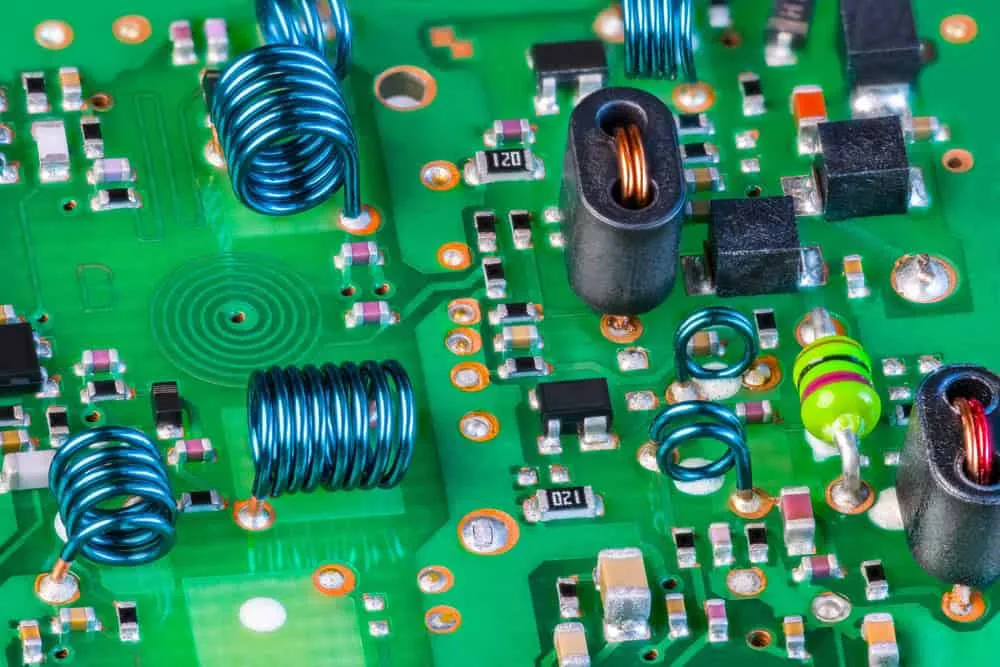
What buyers should expect from a coaxial pogo pin service
This is not a commodity spring pin decision. Buyers usually need the electrical path, compression mechanics, and release package reviewed together before the interface can move into production.
Coaxial pogo pin support for RF signal paths
Coaxial pogo pins are used when a design needs a spring-loaded contact that carries an RF or high-speed signal through a compact mating interface.
Impedance-aware connector integration
The center contact is only one part of the interface. Return path continuity, shield geometry, launch transition, and pad design all affect the finished.
Board-level footprint and stack interaction review
A coaxial spring probe has to land on a real PCB with finished copper, keep-out constraints, ground strategy, and neighboring components.
Compression travel and tolerance planning
These interfaces succeed or fail on stroke control, mating flatness, alignment, and accumulated mechanical tolerance.
Production documentation and qualification support
Repeatable builds require more than a connector part number.
Fit for test fixtures, docking, and compact assemblies
Some programs use coaxial pogo pins in bench or factory test interfaces, while others use them in product-level docking or modular electronics.
Coaxial pogo pin service scope at a glance
Service focus
Coaxial pogo pin connector integration for RF test, docking, and compact board-level interconnects
Typical signal family
Single-ended RF or controlled-impedance links where a spring-loaded mating interface is required
Mechanical concerns
Compression stroke, coplanarity, alignment, wear, plating quality, and debris control
Board concerns
Launch geometry, ground return continuity, keep-out rules, pad design, and stackup compatibility
Validation options
Mechanical fit checks, continuity, isolation, dimensional inspection, and application-specific RF verification
Data required
Connector drawing, target frequency range, mating concept, PCB layout context, enclosure constraints, and expected cycle count
Common downstream path
RF subassembly, fixture integration, product docking, system build, or electronics validation flow
Commercial goal
Stable contact performance, lower integration risk, and smoother transition from sample to recurring production
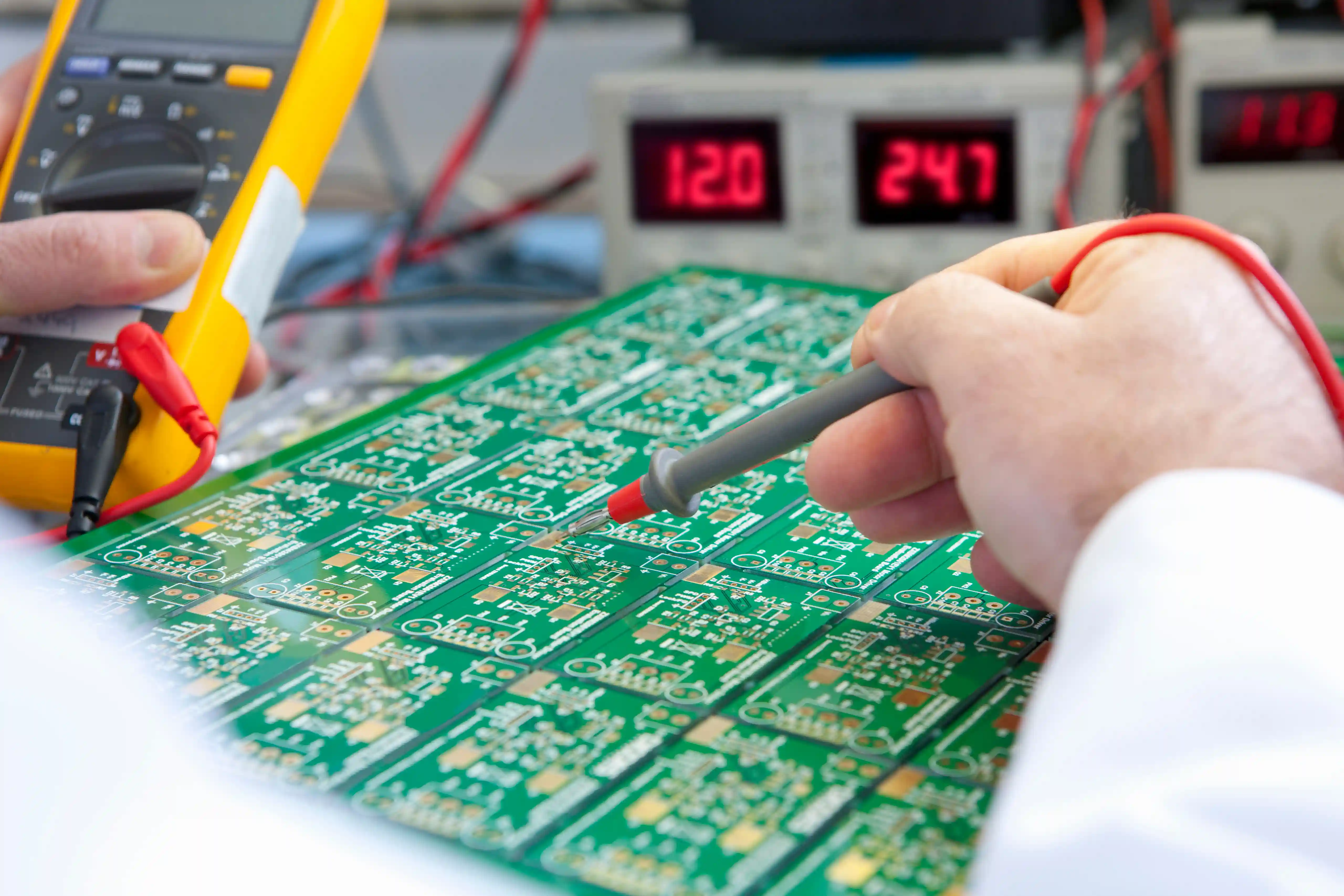
Questions teams usually need answered before approval
Most risk sits at the boundary between mechanical compression and electrical expectations, not in the connector catalog alone.
Is a coaxial pogo pin really the right interface for this job?
It can be a strong choice when a design needs blind mate behavior, repeated compression, or dense modular packaging.
Will compression variation affect RF behavior?
Yes. Stroke, mating flatness, and shield contact consistency can shift the electrical interface.
Does the released package define enough for manufacturing?
Many issues begin with incomplete pad details, unclear mounting notes, or no agreed inspection criteria for wear and alignment.
How does this fit the broader interconnect strategy?
A coaxial pogo pin usually touches other decisions around RF cable routing, antenna paths, test access, and enclosure mechanics.
How the integration workflow should run
The fastest way to avoid rework is to settle geometry, tolerance, and validation expectations before the interface reaches pilot hardware.
Step 1
Review the use case and mating concept
We start with the real application: test fixture, board docking, module interconnect, or compact enclosure interface.
Step 2
Align connector geometry with PCB and mechanical constraints
The connector drawing is reviewed against PCB layout, board thickness, ground structure, mounting method, keep-outs, and enclosure position so the interface.
Step 3
Define compression, inspection, and validation targets
We set the acceptable stroke window, mechanical checks, and application-specific validation scope before release.
Step 4
Build and assess prototype hardware
Prototype work confirms fit, compression behavior, wear pattern, and signal-path practicality before the interface is released into pilot or production.
Step 5
Lock documentation for recurring production
After the interface is proven, we freeze traveler notes, inspection checkpoints, approved materials, and mating guidance so repeat builds stay aligned.
Public references worth checking
These references help explain the electrical concepts behind coaxial spring contacts without sending readers to blocked standards domains.
Wikipedia: Coaxial cable
Useful background on coaxial signal transmission and the relationship between center conductor and surrounding shield.
Wikipedia: Characteristic impedance
Explains why geometry and return-path control matter for connectors and short RF interconnect transitions.
Wikipedia: Signal integrity
Context for evaluating mismatch, loss, and transition behavior when spring-loaded contacts are used in high-speed electronics.
Related reading for connector planning
These existing articles help teams evaluate the wider RF path around the spring-loaded interface.
Coaxial Cable Loss Chart by Frequency and Cable Type
Compare coax families and signal-loss tradeoffs before locking the broader RF interconnect path.
Phase Stability in RF Cable Assemblies
Useful context when the final assembly depends on repeatable RF behavior under movement and temperature change.
FAKRA vs Mini-FAKRA: Automotive RF Connector Guide
A practical comparison of another RF connector family for teams evaluating product-level interconnect options.
Related manufacturing services
Coaxial pogo pin work usually fits into a broader PCB, RF, or validation program rather than standing alone.
RF Cable Assemblies
RF interconnect support when the signal path needs cabled coax rather than a spring-loaded board interface.
ICT Testing Service
Fixture-based electrical test support for assemblies that also need production-stage access and repeatable fault isolation.
Electronics Design Services
Layout and release-package support when the connector decision affects pad geometry, stackup, and mechanical fit.
PCB Assembly (PCBA)
Board assembly support when the coaxial pogo pin interface is one part of a larger electronics manufacturing program.
Frequently asked questions
Straight answers to the questions buyers usually ask before they release a spring-loaded RF contact into hardware.
What is a coaxial pogo pin used for?
A coaxial pogo pin is used when a design needs a spring-loaded contact for an RF or controlled-impedance signal path. Common use cases include test fixtures, blind-mate docking interfaces, compact modules, and electronics that need repeated connection without a conventional fixed cable connector.
Are coaxial pogo pins only for test fixtures?
No. Test fixtures are a common use case, but some product designs also use coaxial pogo pins in docking stations, modular electronics, and compact board-to-board interfaces. The right choice depends on cycle life, contamination risk, alignment control, and the required electrical performance.
How do coaxial pogo pins differ from standard spring probes?
A standard spring probe usually focuses on basic electrical contact. A coaxial pogo pin adds a defined center signal path and surrounding return structure so the interface can better support RF or high-speed behavior. That means geometry, grounding, and compression stability matter much more.
What information helps you review a coaxial pogo pin project?
The most useful package includes the connector drawing, target frequency range, PCB layout or footprint area, enclosure or docking geometry, expected mating cycles, environmental conditions, and any validation goals such as continuity, insertion loss, or repeatability.
Can coaxial pogo pins be integrated with PCB assembly and RF cable work?
Yes. Many programs use coaxial pogo pins as one transition inside a broader system that also includes PCB assembly, RF cable assemblies, fixtures, or box build integration. Coordinating those interfaces early reduces fit and performance surprises later.
Need a coaxial spring-contact interface reviewed before release?
Send the connector drawing, PCB context, target band, and mating concept. We can help you judge whether a coaxial pogo pin is the right interface and how to integrate it into a manufacturable electronics program.