OSP Surface Finish Guide: Organic Solderability Preservative for PCBs
Complete guide to OSP (Organic Solderability Preservative) PCB surface finish. Learn about application process, benefits, limitations, and best applications.
Surface finish selection significantly impacts PCB solderability, shelf life, and assembly performance. OSP (Organic Solderability Preservative) offers a cost-effective, environmentally friendly option protecting copper from oxidation while maintaining excellent solderability. This comprehensive guide covers OSP chemistry, application processes, advantages, limitations, and appropriate use cases.
What is OSP Surface Finish?
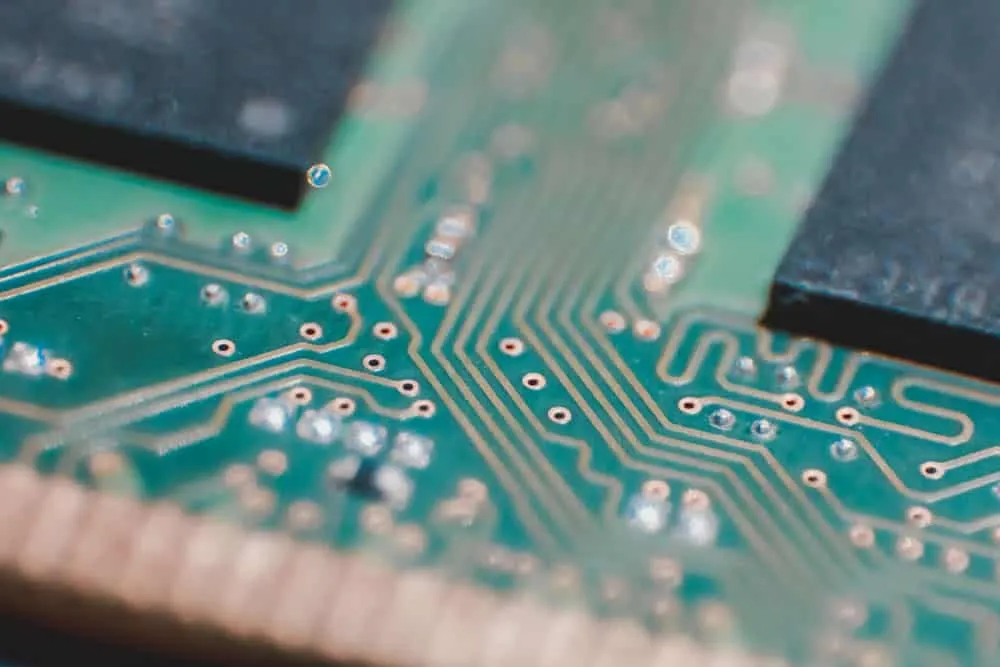
OSP stands for Organic Solderability Preservative, an organic coating applied to exposed copper traces and pads on printed circuit boards. This thin protective layer prevents copper oxidation while preserving solderability until component assembly. Unlike metallic finishes, OSP uses organic compounds that form a protective barrier only a few angstroms thick.
The chemical compounds used in OSP processes belong to the azole family, including benzotriazoles, imidazoles, and benzimidazoles. These chemicals bond to copper surfaces through coordination bonding, creating a uniform protective film across the entire board. The organic coating prevents atmospheric oxygen and humidity from reaching copper, stopping oxidation that would degrade solderability.
As electronics manufacturing emphasizes environmental responsibility and cost optimization, OSP has gained popularity for appropriate applications. The aqueous-based process generates minimal chemical waste while delivering reliable solderability for budget-conscious projects with reasonable shelf life requirements.
How OSP Protects Copper
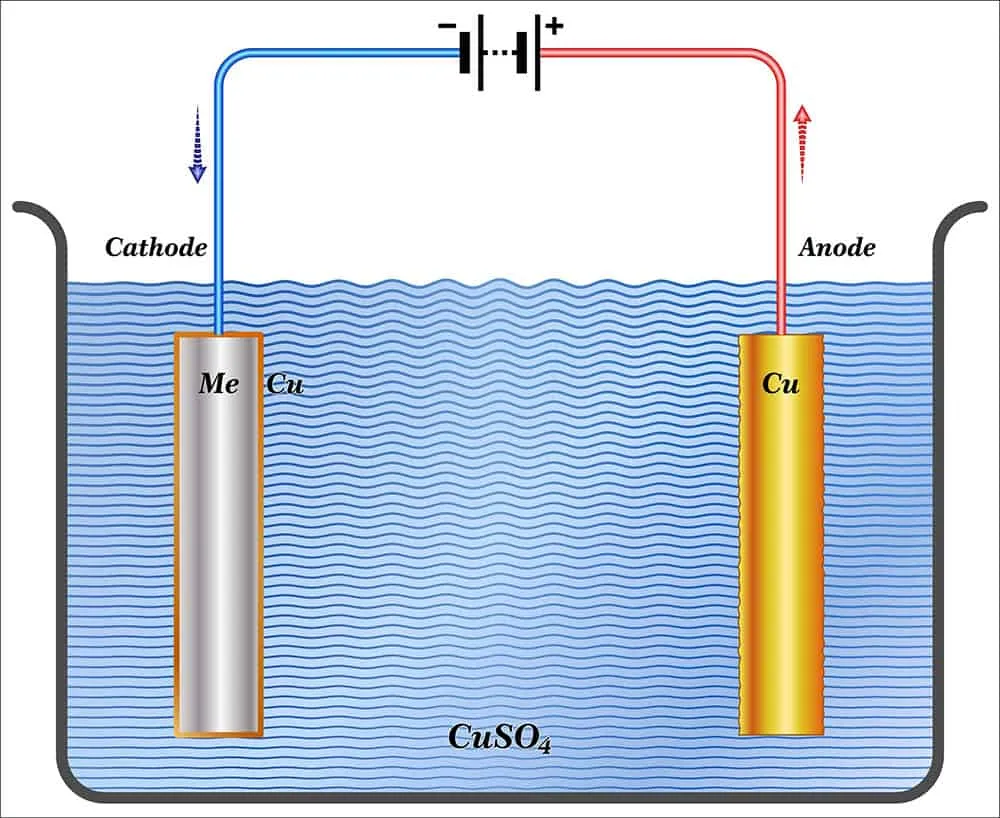
The OSP organic compound reacts with the topmost atomic layers of copper, forming a thin barrier of copper-OSP complexes. This barrier prevents oxygen and humidity from contacting the underlying copper traces, preserving them in solderable condition.
However, OSP protection diminishes over time as the coating gradually degrades through:
- - Atmospheric exposure consuming the organic layer
- Physical abrasion from handling and contact
- Thermal cycling during storage depleting coating thickness
- Humidity absorption weakening protective properties
OSP shelf life until significant oxidation occurs depends on coating thickness and storage conditions, typically ranging 6-12 months before solderability issues arise.
OSP Application Process
Pre-Treatment
Cleaning: Removes organic contaminants including oils, fingerprints, and oxidation films. Clean copper surfaces ensure uniform OSP adhesion and complete coverage.
Micro-Etching: Creates microscopically rough copper surfaces improving OSP film adhesion. Controlled etching removes 1.0-1.5 micrometers of copper while strengthening bonds between copper and OSP solution. Etching speed significantly affects final coating quality.
OSP Coating Application
Boards immerse in aqueous solution containing the organic preservative compound. Chemical reaction between OSP molecules and copper surfaces forms thin, uniform protective layers within minutes. Process parameters including temperature, concentration, and immersion time control coating thickness.
Post-Treatment
Rinsing: Deionized water rinse before and after preservative application removes contamination. Rinse water pH between 4.0-7.0 prevents coating damage from pollution.
Drying: Controlled drying removes moisture without damaging the delicate organic coating. Proper drying ensures coating integrity during subsequent handling and storage.
Coating Thickness Considerations
OSP film thickness varies depending on the chemical compound used:
- - Benzotriazole-based: Produces thinner coatings
- Imidazole-based: Creates thicker films with extended protection
Thickness must balance within specified ranges—too thin provides inadequate protection while excessive thickness can impair soldering. Standard OSP coatings measure 0.2-0.5 micrometers, though enhanced formulations may reach 0.6 micrometers for improved durability.
Benefits of OSP Surface Finish
Cost Effectiveness
OSP chemistry costs less than most alternative finishes. Simple aqueous processes require minimal equipment investment compared to immersion metal or electroless plating systems. Lower material and processing costs translate to reduced PCB pricing.
Excellent Solderability
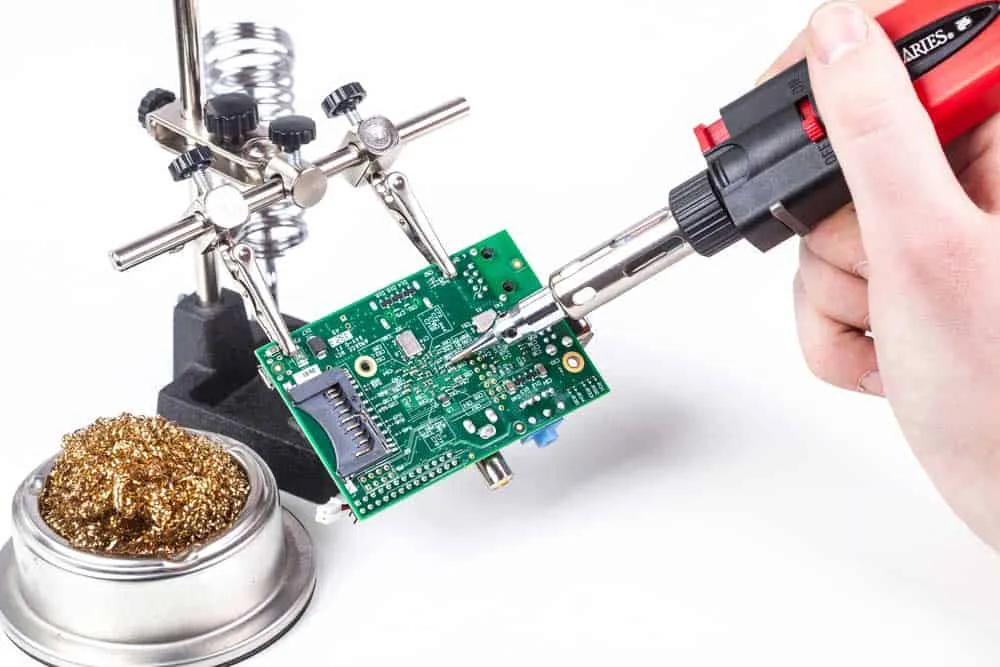
OSP preserves outstanding wetting characteristics during soldering. The thin organic coating does not function as a thermal barrier—it vaporizes locally as pads heat during soldering, exposing fresh copper to melt and alloy with solder. Flux easily removes or penetrates the coating during assembly.
Flat Surface Profile
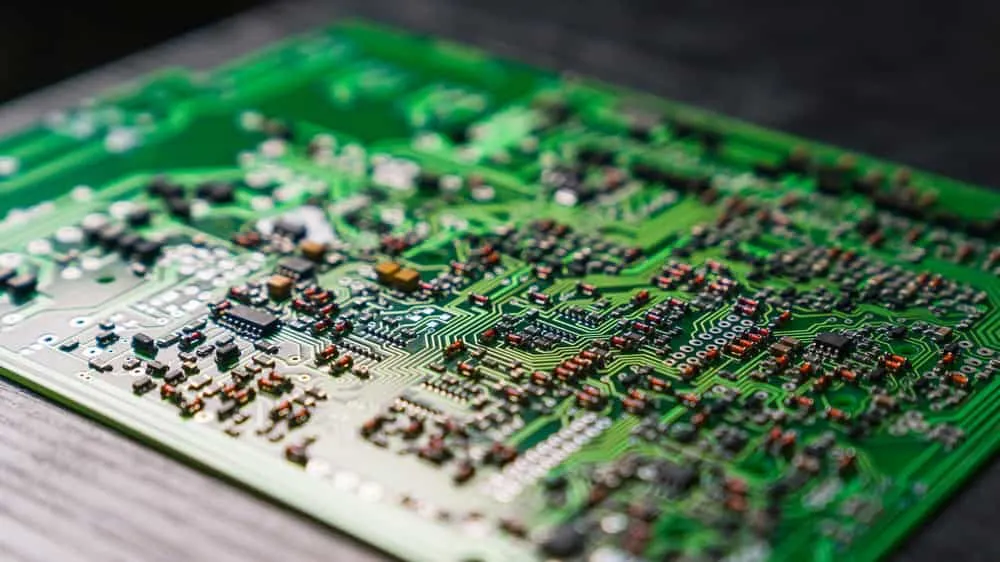
OSP provides extremely flat pad surfaces essential for mounting fine-pitch components. Unlike HASL which creates uneven surfaces from solder bumps, OSP maintains consistent pad geometry critical for modern electronics with tight tolerances. This flatness suits BGA, QFN, and other area array packages.
Environmental Friendliness
Aqueous-based processes generate minimal chemical waste with lower toxicity effluents than many alternatives. Easy rinsing and organic composition support environmental compliance. OSP meets RoHS requirements as a lead-free, environmentally responsible finish.
Reworkability
Unlike some finishes, OSP allows effective rework and repair of solder joints. Fresh solder wets OSP-coated pads successfully, enabling rework operations when needed. If coating damage occurs during handling, the preservative can often be reapplied.
ICT Testing Compatibility
OSP allows good contact resistance for in-circuit testing. Soft organic coating does not damage probe pins during test fixture contact, enabling reliable electrical testing before and during production.
Flexibility
Thin, conformal coating accommodates various trace geometries and pitches. The coating withstands board flexing better than thicker metallic finishes, suiting flexible PCB applications.
Limitations of OSP Finish
Limited Shelf Life
OSP only protects copper for 6-12 months under proper storage conditions. Oxidation protection declines over time as the organic layer degrades. Products requiring long storage before assembly may need alternative finishes with extended shelf life.
Handling Sensitivity
Soft organic coating wears during handling, potentially exposing copper to oxidation. Fingerprints, scratches, and contamination damage the delicate layer. Workers should wear gloves and handle boards carefully to preserve coating integrity.
Limited Reflow Cycles
Each reflow soldering process consumes some OSP thickness. After 4-6 reflow cycles, pads may oxidize as protective coating depletes. Complex assemblies requiring multiple soldering passes may need more robust finishes.
Inspection Difficulty
Clear coating blends visually with copper color, making inspection challenging. Identifying coating defects, lifting, or inadequate application requires careful examination or specialized testing rather than simple visual checks.
Moisture Sensitivity
OSP absorbs moisture at high humidity levels, potentially compromising protection. Proper storage with humidity control prevents moisture-related degradation.
Harsh Environment Limitations
OSP provides less reliability in harsh environments with elevated temperatures and high humidity compared to metallic finishes. Applications requiring extreme environmental durability should consider ENIG or immersion silver alternatives.
OSP vs. Other Surface Finishes
| Property | OSP | HASL | ENIG | Immersion Tin | |----------|-----|------|------|---------------| | Cost | Low | Low | High | Medium | | Shelf Life | 6-12 months | 12+ months | 12+ months | 6-12 months | | Flatness | Excellent | Poor | Excellent | Excellent | | Reflow Cycles | 4-6 | Multiple | Multiple | 4-6 | | Lead-Free | Yes | Optional | Yes | Yes | | Wire Bonding | No | No | Yes | No | | Environmental | Excellent | Moderate | Good | Good |
When to Choose OSP Over Alternatives
- Choose OSP when:
- Cost optimization is priority
- Assembly occurs within 6 months of fabrication
- Fine-pitch components require flat surfaces
- Environmental compliance matters
- Limited reflow cycles expected
- Choose alternatives when:
- Long storage before assembly required
- Multiple reflow cycles needed
- Harsh operating environment expected
- Wire bonding required (choose ENIG)
- Extended product shelf life necessary
Applications Suited for OSP
Consumer Electronics
High-volume consumer products with quick assembly timelines benefit from OSP cost savings. Smartphones, tablets, and home electronics often use OSP for budget-friendly manufacturing.
Low-Volume Prototypes
Prototype runs benefit from OSP solderability without investing in higher-cost finishes. Quick-turn fabrication suits OSP's fast application process.
Telecommunications
Routers, network devices, and communication equipment use OSP for reliability with lead-free solder processes. Cost effectiveness supports competitive pricing.
Short Shelf Life Products
Products shipping quickly after manufacture accept OSP's limited shelf life. When assembly occurs promptly, shorter protection duration poses no concern.
Double-Sided SMT Assembly
OSP works well for single and double-sided surface mount assembly with moderate complexity. Lower reflow cycle demands match OSP capabilities.
Medical Devices
Some medical appliances utilize OSP for lightweight coating and environmental compliance. Applications without extreme durability requirements benefit from cost savings.
Storage Requirements
Proper storage maximizes OSP shelf life:
- - Humidity Control: Store below 30% RH; 30-60% RH acceptable for shorter durations
- Temperature: Maintain stable 15-28°C (59-82°F)
- Packaging: Use vacuum packaging with moisture barrier bags and desiccant packs
- Light Protection: Avoid direct sunlight exposure
- Separation: Place release paper between boards preventing friction damage
- Inventory Management: First-in-first-out (FIFO) rotation ensures older boards assemble first
- Testing: Verify solderability if stored over 6 months before assembly
Specifying OSP on Fabrication Drawings
Effective OSP specification includes:
- - Call out OSP finish for appropriate copper layers
- Indicate maximum allowed shelf life (e.g., 9 months)
- Define expected storage conditions if high humidity anticipated
- Specify maximum reflow cycles (e.g., 4 passes)
- Require solderability testing after extended storage
- Allow alternatives (ENIG, immersion tin) if needed
- Reference IPC specifications (e.g., IPC-4558)
Summary
OSP surface finish provides a cost-effective, environmentally friendly solution for PCBs requiring good solderability within reasonable timeframes. Understanding its advantages—low cost, excellent flatness, environmental compliance—alongside limitations—shelf life, handling sensitivity, reflow cycle limits—enables appropriate application selection. When matched to suitable designs with prompt assembly schedules, OSP delivers reliable performance at budget-friendly pricing.
For PCB fabrication with OSP or alternative surface finishes, contact WellPCB for expert guidance and competitive quotes matching your specific requirements.
Frequently Asked Questions
Is OSP finish RoHS compliant?
Yes, OSP processes are designed to be lead-free and fully comply with RoHS guidelines. The organic compounds contain no restricted substances, making OSP an environmentally responsible choice.
How long can OSP-finished boards be stored?
Properly stored OSP boards maintain solderability for 6-12 months. Storage requires controlled humidity below 30% RH, stable temperature around 20°C, and protection from light and physical damage.
Can OSP survive multiple reflow cycles?
OSP typically survives 4-6 reflow cycles before pad oxidation begins. Each reflow consumes some coating thickness. For assemblies requiring many soldering passes, consider ENIG or other durable finishes.
How does OSP compare to ENIG?
OSP costs less and provides excellent flatness but has shorter shelf life and fewer reflow cycles than ENIG. ENIG suits long-storage products, harsh environments, and wire bonding applications. Choose based on specific application requirements.
What causes OSP discoloration?
OSP may change color during assembly from thermal exposure, flux interaction, or oxidation beginning. Minor discoloration often does not affect solderability if flux can remove surface oxidation. Significant discoloration may indicate storage or handling issues requiring investigation.
Related Articles
Continue exploring similar topics
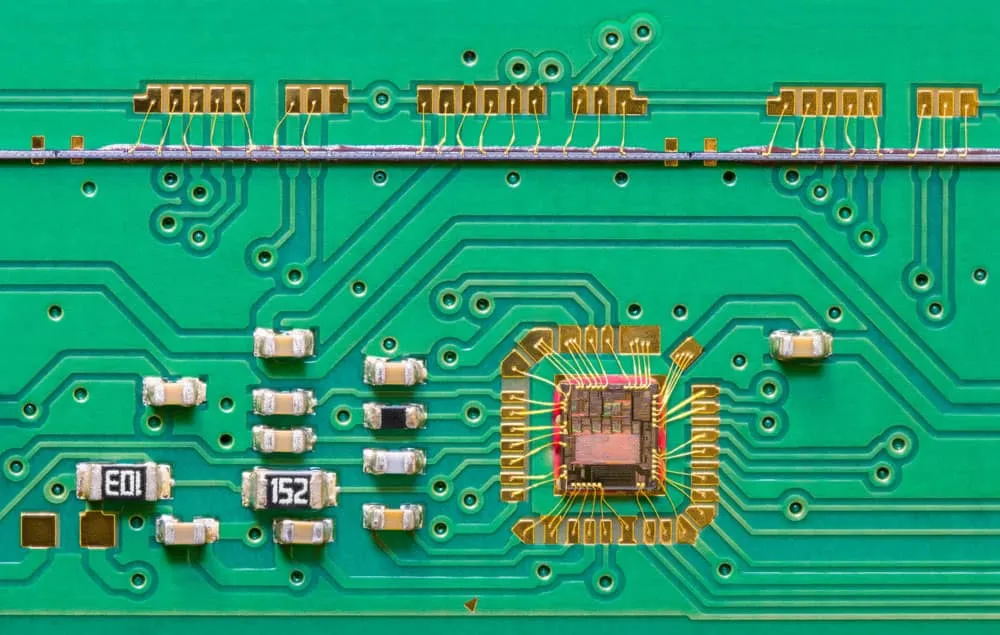
AOI Testing Guide: PCB Automated Optical Inspection Explained
Complete guide to Automated Optical Inspection (AOI) for PCB manufacturing. Learn how AOI works, defect detection capabilities, 2D vs 3D systems, and implementation best practices.
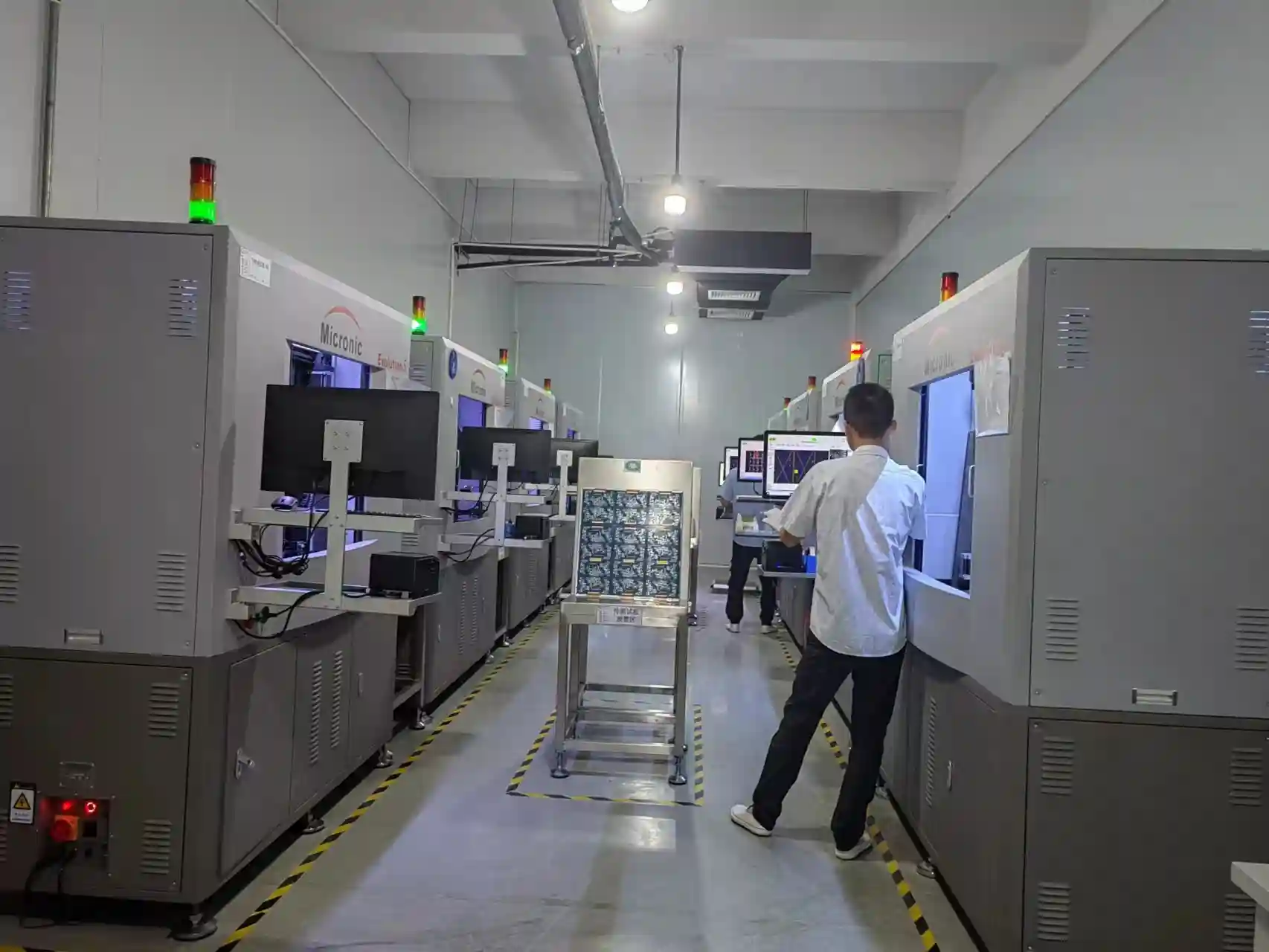
Bed of Nails Test Fixture Guide: PCB In-Circuit Testing Explained
Complete guide to bed of nails test fixtures for PCB testing. Learn about fixture types, pogo pins, ICT procedures, and quality control applications.

Double-Sided PCB: Complete Design and Manufacturing Guide
Master double-sided PCB design with our comprehensive guide covering manufacturing processes, layout strategies, via specifications, and cost optimization tips.
Ready to bring your PCB design to life?
Get an engineer-reviewed quote for your custom PCB fabrication and assembly needs.
Request a Quote