IPC Certification Cost Guide: Training Fees, ROI Analysis & 2025 Pricing
Complete breakdown of IPC certification costs for CIS, CIT, and CID programs. Learn about training fees, recertification requirements, and how to maximize your investment ROI.
IPC certifications establish professional credibility in electronics manufacturing, validating expertise in quality standards that govern PCB assembly worldwide. Understanding certification costs helps individuals and organizations budget appropriately while maximizing return on investment. This comprehensive guide details current pricing structures, factors affecting costs, and strategies for optimizing your certification investment.
Understanding IPC Certification Programs
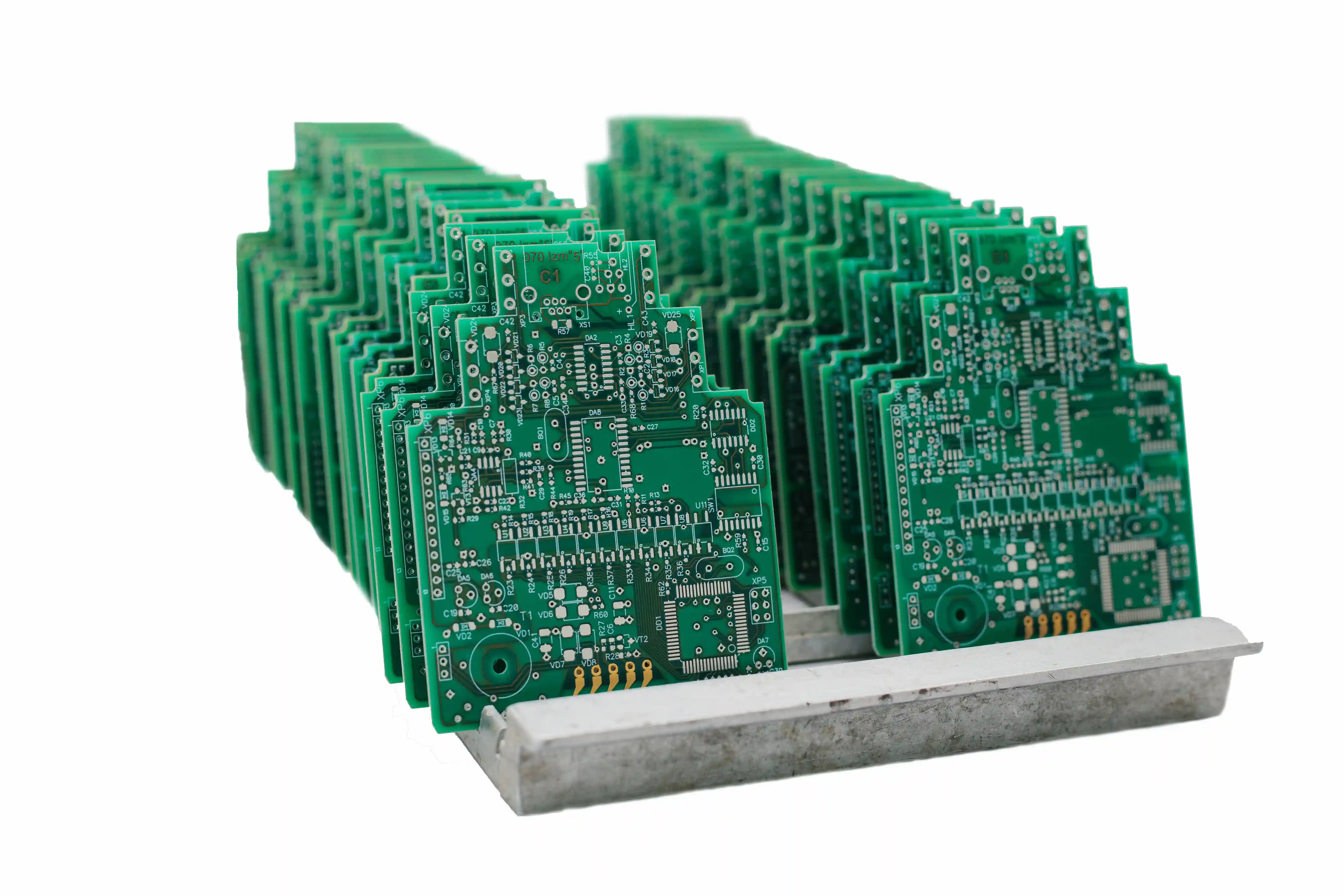
IPC, formerly the Institute for Printed Circuits, functions as the global electronics manufacturing trade association establishing quality standards adopted worldwide. These standards ensure consistency across electronic assemblies regardless of where manufacturing occurs. Certification programs validate that professionals possess the knowledge and skills to implement these standards correctly in production environments.
The certification structure serves multiple stakeholder needs. Individual technicians gain credentials demonstrating competence to employers. Companies benefit from having certified staff who understand acceptance criteria and quality requirements. Customers gain confidence knowing products meet internationally recognized standards. The system creates accountability throughout the supply chain.
Three primary certification levels exist within most IPC programs. Certified IPC Specialist (CIS) represents the entry point, qualifying individuals to perform work according to specific standards. Certified IPC Trainer (CIT) enables holders to train and certify others within their organizations, multiplying certification benefits across teams. Certified Standards Expert (CSE) represents the highest level, demonstrating comprehensive mastery suitable for auditing and consultancy roles.
Most programs require recertification every two years, ensuring professionals stay current with standard revisions and industry developments. This ongoing requirement maintains certification value while keeping the workforce updated on evolving best practices.
IPC-A-610 Certification Costs
IPC-A-610 covers acceptability criteria for electronic assemblies, making it the most widely pursued certification in the industry. This standard defines visual quality requirements that inspectors and operators use daily to evaluate solder joints, component placement, and overall assembly workmanship.
CIS-level certification for IPC-A-610 typically costs between $700 and $1,200. This fee includes two to three days of classroom instruction, official IPC training materials, and examination fees. The training covers all classes of acceptance criteria—Class 1 for general electronic products, Class 2 for dedicated service electronics, and Class 3 for high-reliability applications. Participants learn to identify acceptable versus defective conditions across numerous inspection points.
CIT-level certification requires additional investment, ranging from $1,800 to $2,500. The extended four to five-day program covers instructor techniques, curriculum management, and certification administration procedures. CIT holders gain authorization to train CIS candidates within their organizations, potentially eliminating ongoing external training expenses. Companies with frequent certification needs often find CIT investment worthwhile for long-term cost savings.
Recertification fees run approximately 60-70% of initial certification costs. The abbreviated refresher program updates professionals on standard revisions while confirming continued competence through examination.
J-STD-001 Soldering Certification Costs

J-STD-001 addresses requirements for soldered electrical and electronic assemblies, covering materials, methods, and verification procedures. The standard's technical depth and hands-on nature result in higher certification costs compared to inspection-focused programs.
CIS certification for J-STD-001 ranges from $850 to $1,500. The premium reflects extensive practical training requiring consumable materials—solder wire, flux, cleaning chemicals, and practice components. Participants perform actual soldering exercises demonstrating technique mastery before certification examination. Training facilities maintain specialized equipment including microscopes, soldering stations, and rework tools that contribute to program costs.
CIT certification escalates to $2,200 to $3,000, incorporating instructor development alongside advanced technical content. The week-long program prepares trainers to evaluate soldering technique and provide corrective guidance to CIS candidates. Organizations performing significant hand soldering often invest in CIT certification to maintain internal training capabilities.
Combination packages bundling IPC-A-610 and J-STD-001 offer cost savings compared to separate enrollments. These packages typically range from $1,400 to $2,300 for CIS-level dual certification, representing 15-25% savings versus individual programs. The complementary content—inspection criteria paired with soldering requirements—makes combined training educationally efficient.
IPC/WHMA-A-620 Wire Harness Certification
IPC/WHMA-A-620 covers requirements and acceptance criteria for cable and wire harness assemblies. This specialized standard addresses crimping, soldering, and mechanical connections specific to harness manufacturing, serving an industry segment distinct from surface-mount PCB assembly.
CIS certification costs range from $750 to $1,300, reflecting three to four days of training covering wire preparation, terminal crimping, connector assembly, and workmanship inspection. The program includes hands-on exercises with actual wire and terminals, teaching participants to identify acceptable versus rejectable conditions in harness assemblies.
CIT certification requires greater investment at $1,900 to $2,700 for the five to seven-day program. The extended duration addresses the breadth of wire harness applications—from simple consumer cables to complex aerospace harnesses requiring exacting standards. Trainer certification enables organizations to develop internal capabilities for ongoing workforce certification.
Companies manufacturing both electronic assemblies and cable harnesses may benefit from combination packages including A-620 alongside A-610 or J-STD-001. These packages address comprehensive quality system needs while offering bundled pricing advantages.
CID Designer Certification Costs
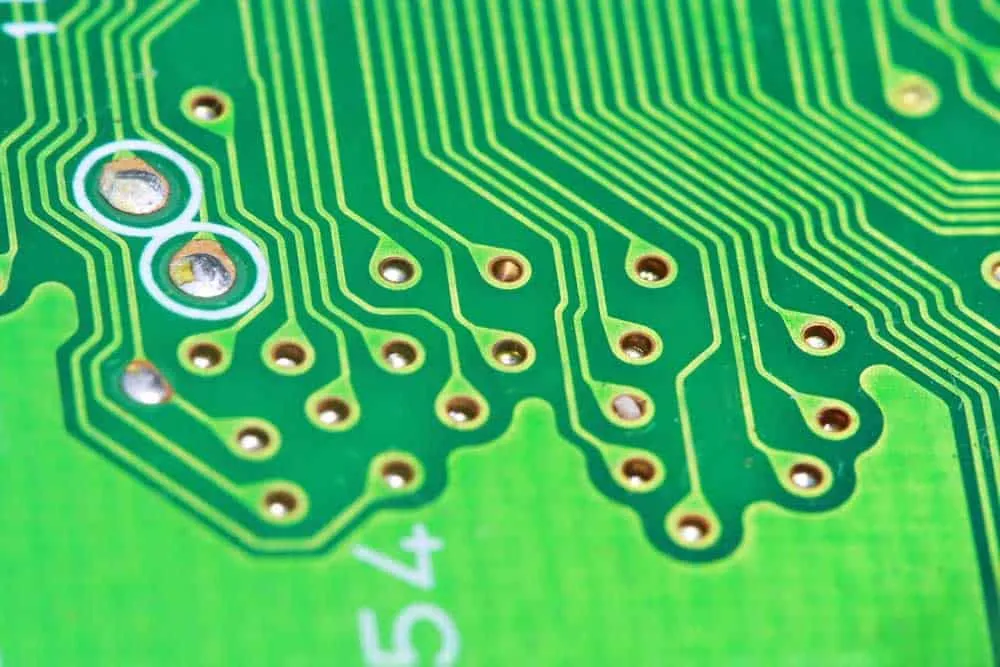
The Certified Interconnect Designer (CID) program targets PCB design professionals rather than manufacturing technicians. This certification validates design competence, covering topics from schematic capture through fabrication documentation. The program structure differs from operator-focused certifications, emphasizing engineering principles over hands-on workmanship.
Basic CID certification costs between $1,500 and $2,200 for the three to five-day workshop. Training covers design fundamentals including stackup planning, impedance control, signal integrity, and design-for-manufacturing considerations. Participants learn to apply IPC design standards creating manufacturable boards meeting performance requirements. The workshop includes extensive use of design software during exercises.
Advanced CID+ certification extends training to complex design challenges, costing $1,800 to $2,500. This program builds upon basic CID content, addressing high-speed design, RF considerations, thermal management, and advanced packaging technologies. Most professionals pursue CID+ after gaining practical experience with basic CID principles.
Unlike technician certifications requiring periodic recertification, CID programs focus on demonstrated competence at the time of examination. However, design professionals benefit from staying current through continuing education as standards evolve and technologies advance.
Factors Affecting Certification Costs
Training Format Impact
In-person classroom training typically carries premium pricing due to facility overhead, equipment access, and instructor travel. Traditional formats provide hands-on experience particularly valuable for soldering and inspection training where physical skill development matters. Travel expenses for participants add to total program costs beyond tuition fees.
Online and virtual training options have expanded significantly, offering 20-30% cost savings compared to classroom programs. Distance learning eliminates travel expenses while providing flexible scheduling. However, remote formats may limit hands-on practice opportunities critical for certain certifications. Hybrid approaches combining online theory with condensed in-person practical sessions offer middle-ground solutions.
Provider Selection
Official IPC training centers operate under strict curriculum guidelines ensuring standardized quality. These authorized facilities typically charge $1,000 to $3,000 depending on program level. Direct IPC authorization provides access to current materials and guaranteed certification validity.
Third-party providers may offer competitive pricing ranging from $700 to $2,500. Quality varies significantly—some providers deliver excellent training while others cut corners affecting learning outcomes. Verifying provider credentials, instructor certifications, and recent student reviews helps identify legitimate options. Savings from questionable providers often prove illusory when certification quality suffers.
Group Discounts
Organizations certifying multiple employees can negotiate significant discounts. Volume pricing typically reduces per-person costs by 10-25% for groups of five or more participants. On-site training arrangements where instructors travel to company facilities can reduce costs by 30-40% compared to sending individuals to external programs, particularly when certifying larger teams.
2025 Pricing Updates
IPC implemented pricing adjustments effective January 2025, reflecting increased operational costs across training networks. The changes affect all CIS, CIT, and CSE certification programs. Organizations should verify current pricing through official IPC channels when budgeting certification investments.
Exam credit costs provide insight into certification economics. IPC-A-610 CIS examination fees run approximately $120 per candidate for non-members, reduced to $95 for IPC member organizations. These credits cover only examination administration—training fees remain separate expenses. Training materials including the IPC-A-610 standard book carry additional costs, approximately $349 for English versions.
Membership benefits extend beyond examination discounts. IPC member organizations receive preferential access to training resources, standard updates, and industry networking opportunities. For companies with ongoing certification needs, membership often provides net savings exceeding annual dues.
Calculating Return on Investment
Individual Benefits
Certified professionals command salary premiums across experience levels. Entry-level positions typically see 10-15% higher compensation compared to non-certified peers. Senior roles demonstrate 15-25% premiums, while management positions can exceed 30% differentials. Over a career spanning decades, certification investment generates returns measured in tens of thousands of dollars.
Career advancement opportunities expand significantly with certification credentials. Specialized roles, quality assurance positions, and training responsibilities typically require demonstrated competence through certification. Job security improves as certified professionals face lower layoff risk during downturns and faster rehiring when displaced.
Organizational Benefits
Quality improvements from certified workforces deliver measurable returns. Organizations commonly report 15-30% reductions in defect rates following certification programs. Lower rework costs save $10,000 to $50,000+ annually depending on production volume. Reduced field failures decrease warranty expenses while protecting brand reputation.
Compliance advantages enable certified organizations to pursue contracts requiring documented competence. Military, aerospace, and medical device contracts often mandate certified inspection and assembly personnel. The ability to bid on premium contracts represents significant revenue opportunity.
ROI Calculation Framework
Total certification investment includes training fees, travel expenses, time away from production, and materials costs. Annual benefits encompass salary increases, quality improvements, new business opportunities, and reduced compliance issues. Most organizations report first-year ROI ranging from 100% to 400%, with continued benefits throughout certification validity periods.
Strategies for Cost Optimization
Training Planning
Strategic timing reduces certification expenses. Training providers frequently offer promotional pricing during slower periods—typically 10-15% discounts. Early registration often provides additional savings of 5-10% compared to late enrollment. Planning certification schedules around provider promotions maximizes value.
Coordinating multiple certifications reduces total investment. Pursuing complementary programs simultaneously leverages overlapping content while minimizing travel expenses. Training centers offering multi-certification packages provide bundled pricing advantages.
Employer Sponsorship
Most employers recognize certification value and offer sponsorship or reimbursement programs. Presenting ROI data demonstrating organizational benefits strengthens sponsorship requests. Proposing cost-sharing arrangements where employees contribute partial expenses while gaining career benefits creates win-win scenarios.
Recertification Management
Aligning recertification schedules across multiple credentials reduces administrative burden and travel expenses. Organizations with certified workforces should track expiration dates systematically, scheduling refresher training efficiently. Allowing certifications to lapse wastes initial investment while requiring full-price recertification.
Summary
IPC certification costs range from $700 for basic CIS programs to $3,000+ for advanced CIT credentials. Despite significant upfront investment, certification delivers substantial returns through salary premiums, quality improvements, and expanded business opportunities. Understanding cost structures, selecting appropriate training providers, and implementing optimization strategies maximizes certification value for individuals and organizations.
For PCB manufacturing and assembly services from certified professionals, contact WellPCB for quality solutions meeting IPC standards.
Frequently Asked Questions
How much does IPC-A-610 certification cost?
IPC-A-610 CIS certification typically costs $700-$1,200 including training, materials, and examination. CIT certification ranges from $1,800-$2,500 for the extended program enabling trainers to certify others within their organizations.
How long is IPC certification valid?
Most IPC certifications require renewal every two years. Recertification involves abbreviated training and examination, typically costing 60-70% of initial certification fees. Maintaining current certification ensures professionals stay updated on standard revisions.
Can I get IPC certified online?
Yes, many IPC programs offer online or virtual training options at 20-30% cost savings compared to classroom programs. However, certifications with significant hands-on components like J-STD-001 soldering may require in-person practical assessments.
What is the difference between CIS and CIT certification?
CIS (Certified IPC Specialist) qualifies individuals to perform work according to IPC standards. CIT (Certified IPC Trainer) enables holders to train and certify CIS candidates within their organizations. CIT costs approximately 2-3 times more than CIS and typically requires prior CIS certification.
Is IPC certification worth the investment?
Yes, IPC certification typically delivers 100-400% first-year ROI through salary premiums (10-30% increases), quality improvements (15-30% defect reduction), and access to contracts requiring certified personnel. Both individuals and organizations benefit significantly from certification investment.
Related Articles
Continue exploring similar topics
AOI Testing Guide: PCB Automated Optical Inspection Explained
Complete guide to Automated Optical Inspection (AOI) for PCB manufacturing. Learn how AOI works, defect detection capabilities, 2D vs 3D systems, and implementation best practices.
Bed of Nails Test Fixture Guide: PCB In-Circuit Testing Explained
Complete guide to bed of nails test fixtures for PCB testing. Learn about fixture types, pogo pins, ICT procedures, and quality control applications.
Double-Sided PCB: Complete Design and Manufacturing Guide
Master double-sided PCB design with our comprehensive guide covering manufacturing processes, layout strategies, via specifications, and cost optimization tips.
Ready to bring your PCB design to life?
Get an engineer-reviewed quote for your custom PCB fabrication and assembly needs.
Request a Quote