Electronics Manufacturing Services (EMS): Complete Outsourcing Guide
Comprehensive guide to EMS providers covering outsourcing benefits, selection criteria, service offerings, and industry trends for 2025.
Electronics Manufacturing Services (EMS) enable companies to outsource design, manufacturing, testing, and distribution of electronic products to specialized providers. The global EMS market reached approximately $504 billion in 2023 and continues growing as companies increasingly leverage specialized manufacturing capabilities while focusing internal resources on core competencies. This comprehensive guide explores EMS services, outsourcing benefits, and provider selection criteria.
Understanding Electronics Manufacturing Services
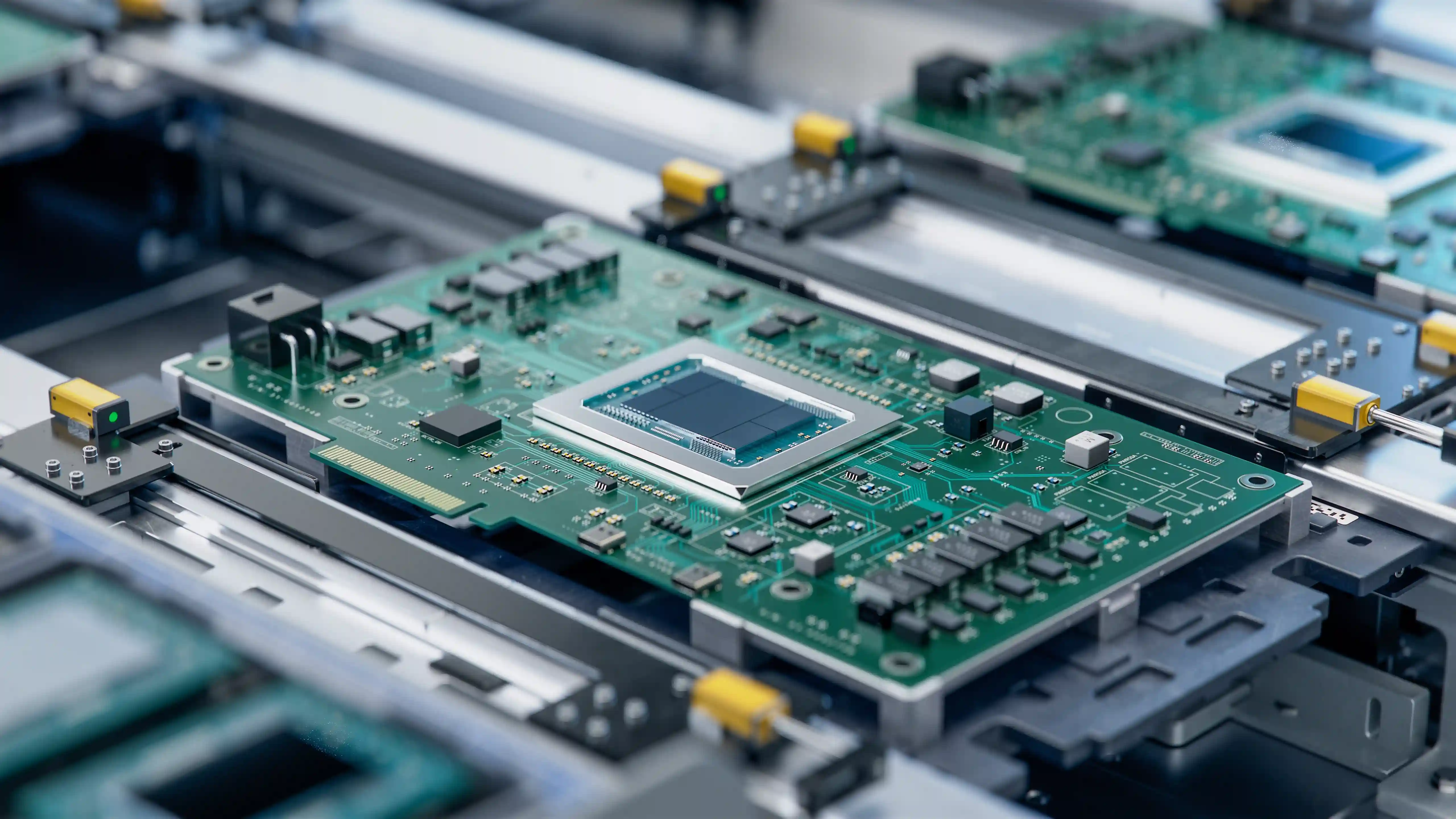
Electronics manufacturing services encompass companies that design, manufacture, test, distribute, and provide repair services for electronic components and assemblies on behalf of original equipment manufacturers (OEMs). The concept is also referred to as electronics contract manufacturing (ECM).
The EMS model emerged as electronics companies recognized that specialized manufacturers could produce their products more efficiently than internal operations. By consolidating production for multiple customers, EMS providers achieve economies of scale while investing in advanced equipment and processes that individual OEMs might not justify independently.
Modern EMS relationships extend far beyond simple assembly services. Leading providers offer comprehensive capabilities spanning product design support, supply chain management, manufacturing, testing, logistics, and aftermarket services. This full-service approach enables OEMs to outsource complete product programs while maintaining focus on product strategy, intellectual property, and customer relationships.
Key Benefits of EMS Outsourcing
Cost Efficiency
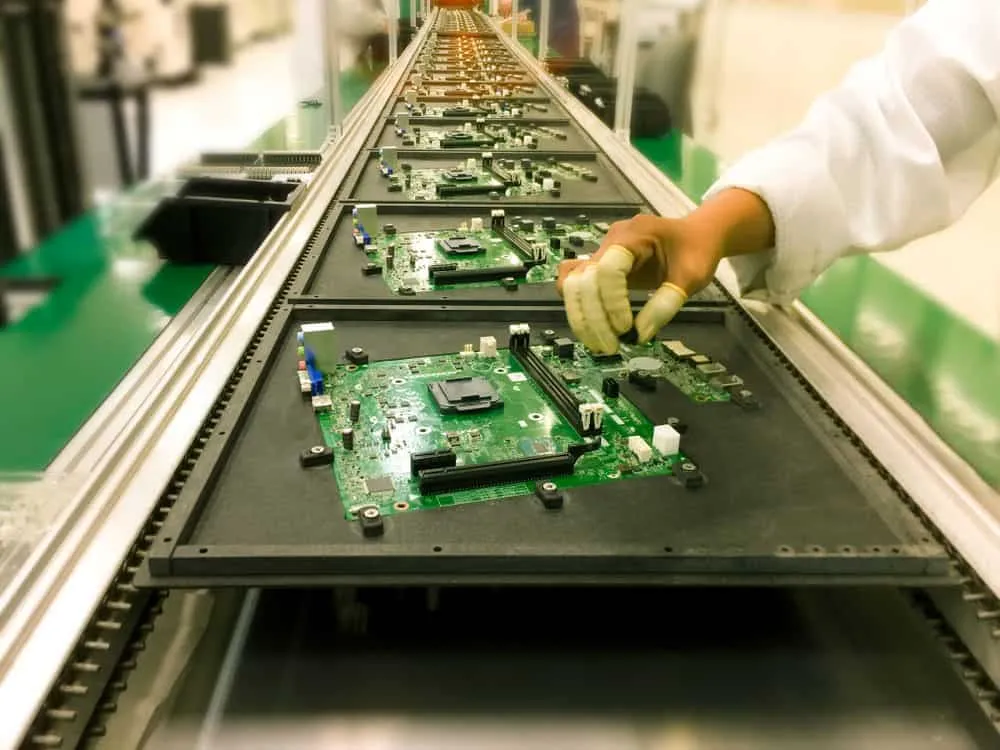
Outsourcing to EMS providers can reduce labor and infrastructure costs by up to 50% compared to in-house production. EMS companies spread fixed costs across multiple customers, achieving purchasing power and production efficiency that individual OEMs cannot match.
Component procurement represents a significant cost advantage. EMS providers purchase materials in large volumes across customer programs, negotiating better pricing than individual customers could achieve. Inventory management expertise further optimizes material costs while reducing obsolescence risk.
Capital investment requirements decrease dramatically when outsourcing. OEMs avoid purchasing expensive production equipment, maintaining facilities, and staffing specialized manufacturing operations. These resources can instead support product development, marketing, and business expansion.
Faster Time-to-Market
Established production lines, qualified processes, and experienced teams accelerate new product introduction (NPI). EMS providers with infrastructure already in place can begin production faster than companies establishing new manufacturing capabilities.
Rapid prototyping services enable quick design iteration during development phases. Products move from design to production without delays associated with setting up internal manufacturing. Experienced EMS partners identify manufacturing issues early, preventing costly delays later in product launches.
Access to Technology
EMS providers invest in advanced equipment and testing capabilities that individual OEMs might not justify. Surface mount technology lines, automated optical inspection, X-ray inspection, and specialized testing equipment represent substantial investments that EMS companies spread across customer programs.
Technical expertise develops through experience serving diverse customers and applications. Process engineers, quality specialists, and manufacturing technicians accumulate knowledge transferable across programs. This expertise benefits customers who gain access to capabilities developed through broader industry experience.
Scalability and Flexibility
Production volumes can scale to match demand fluctuations without fixed cost penalties. EMS providers balance capacity across customer programs, absorbing volume variations that would challenge dedicated facilities.
Product mix flexibility allows OEMs to introduce new products without manufacturing infrastructure changes. EMS partners configure existing capabilities for new programs, enabling rapid market response. Seasonal demand patterns become manageable through EMS relationships that adjust capacity accordingly.
Focus on Core Competencies
OEMs can concentrate resources on product strategy, intellectual property development, and customer relationships while outsourcing manufacturing complexity. Engineering talent focuses on innovation rather than production operations.
Reduced operational distractions enable strategic business development. Management attention shifts from manufacturing challenges to market opportunities and competitive positioning. This focus often accelerates business growth beyond what vertically integrated operations would support.
Risk Mitigation
Diversified sourcing, structured quality systems, and traceability reduce supply chain disruption risks. EMS providers develop alternative sources and buffer strategies protecting customer programs from material shortages.
Regulatory compliance expertise addresses requirements across industries and geographies. Certifications, documentation systems, and audit readiness transfer to customer products without dedicated internal resources. Quality risk decreases through systematic processes proven across multiple programs.
EMS Service Offerings
Design Support Services
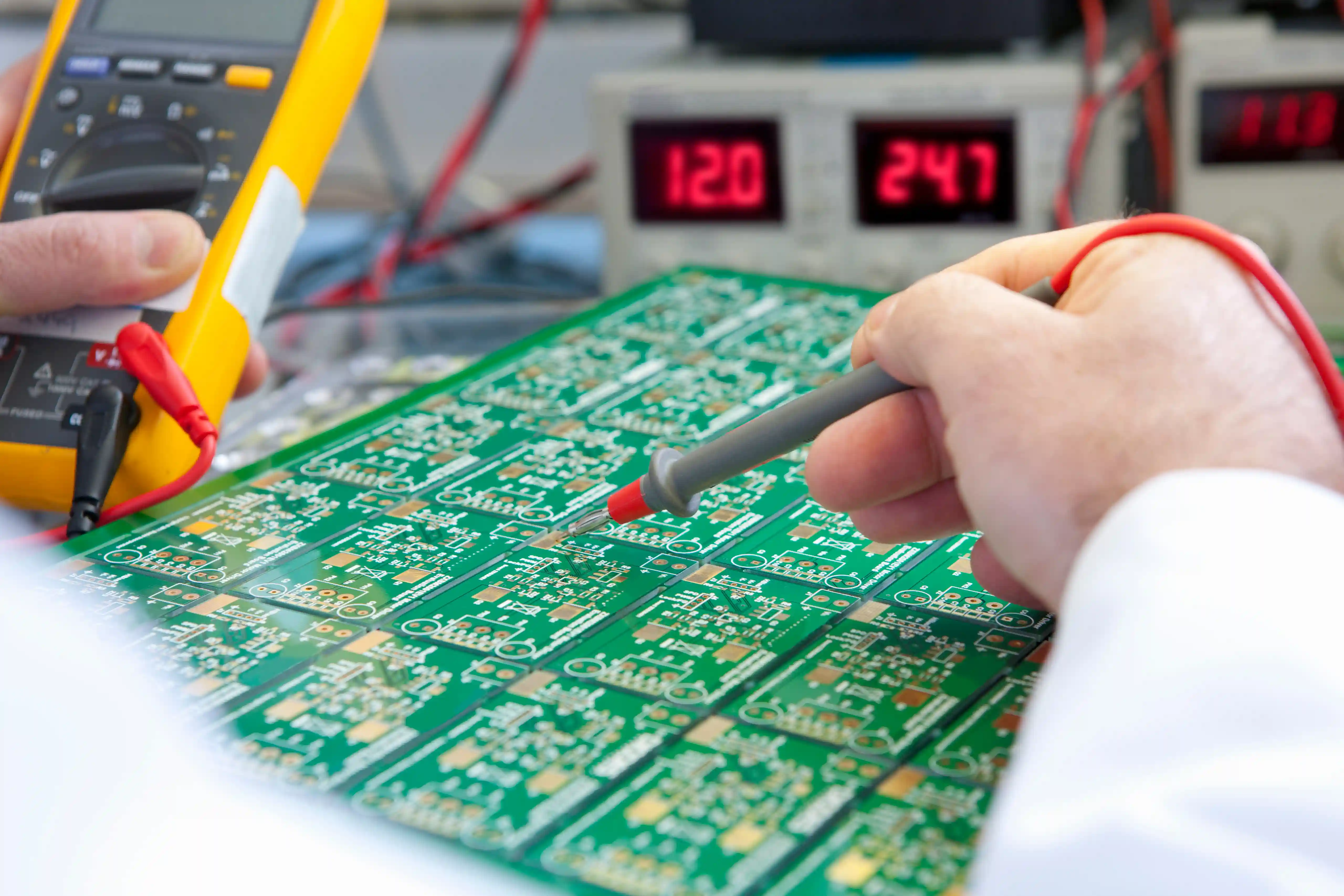
Many EMS providers offer design support ranging from design for manufacturability (DFM) review through complete product design services. DFM analysis identifies manufacturing issues before production begins, preventing costly redesigns and production problems.
Design engineering services can include schematic design, PCB layout, mechanical engineering, and firmware development. Some EMS companies maintain dedicated design teams capable of developing products from initial concept through production-ready designs.
PCB Assembly
Core EMS capabilities include surface mount technology (SMT) and through-hole technology (THT) assembly. Modern SMT lines place thousands of components per hour with precision that manual assembly cannot approach. Mixed technology assembly combines SMT and THT processes for complex boards.
Assembly capabilities span from simple boards through high-density interconnect (HDI) designs with fine-pitch components, ball grid arrays (BGAs), and micro-packages. Specialized processes address unique requirements including press-fit connectors, selective soldering, and conformal coating.
Testing and Inspection
Comprehensive testing ensures product quality before shipment. In-circuit testing (ICT) verifies component placement and solder connections. Functional testing confirms circuit operation meets specifications. Environmental testing subjects products to temperature, humidity, and vibration to verify reliability.
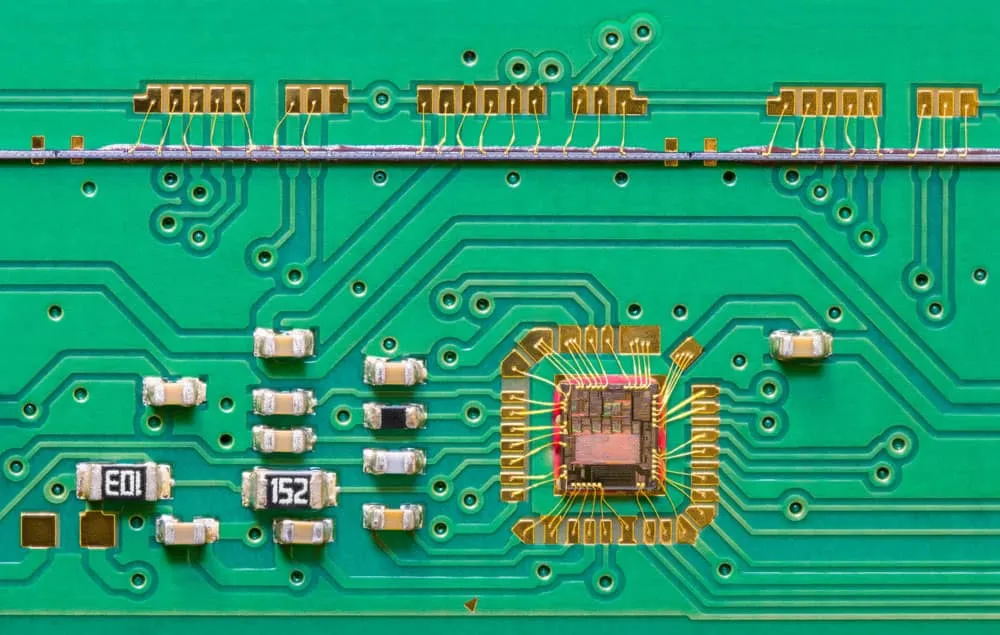
Automated optical inspection (AOI) catches visual defects including solder problems and component issues. X-ray inspection verifies hidden connections under BGAs and other area-array packages. Flying probe testing provides flexibility for prototype and low-volume products.
System Integration (Box Build)
Box build services extend beyond PCB assembly to complete product integration. Mechanical assembly, cable harnesses, enclosure integration, and final product assembly create finished products ready for customer distribution.
System-level testing verifies complete product functionality including software loading and configuration. Packaging and labeling prepare products for shipment to customers or distribution channels.
Supply Chain Management
Component procurement leverages EMS purchasing power while managing supply risks. Approved vendor programs ensure material quality while strategic sourcing optimizes costs. Inventory management balances material availability against carrying costs and obsolescence risk.
Supply chain visibility provides real-time status on material availability and production progress. Electronic data interchange and customer portals enable program monitoring without manual communication overhead.
Aftermarket Services
Repair and refurbishment services extend product lifecycles. Warranty processing, failure analysis, and field returns handling provide complete product support. End-of-life management addresses legacy products requiring ongoing support.
Spare parts manufacturing and kitting support field service operations. Reverse logistics handles product returns for repair, refurbishment, or recycling.
Industries Served by EMS Providers
Medical Devices
Medical device manufacturing requires ISO 13485 certification and rigorous documentation supporting regulatory compliance. Traceability, controlled processes, and quality systems address FDA and international regulatory requirements. Clean room facilities support devices requiring contamination control.
Aerospace and Defense
Aerospace manufacturing requires specialized processes and documentation for high-reliability applications. Defense work may require ITAR compliance and secure facilities. Counterfeit component prevention and traceability address supply chain integrity concerns.
Automotive
Automotive electronics require IATF 16949 certification and production systems meeting automotive quality standards. High-volume capabilities support automotive production requirements while advanced packaging addresses space-constrained applications.
Telecommunications
Telecommunications equipment manufacturing spans from infrastructure products through consumer devices. High-frequency assembly capabilities address 5G and wireless applications. Rapid scaling supports product launches with significant volume ramp requirements.
Industrial Equipment
Industrial electronics serve harsh environments requiring ruggedized assemblies. Long product lifecycles demand component management and obsolescence planning. Certification requirements vary by application and deployment environment.
Consumer Electronics
Consumer electronics require cost-optimized manufacturing at high volumes. Rapid product cycles demand quick NPI capabilities. Quality requirements balance reliability expectations against competitive pricing pressure.
Selecting an EMS Provider
Certification Requirements
Verify certifications appropriate for your industry and applications. Essential certifications include:
- - ISO 9001: Quality management systems
- ISO 13485: Medical device manufacturing
- IATF 16949: Automotive quality management
- IPC-A-610: Electronics assembly workmanship standards
- Applicable safety requirements: Product and material compliance
Industry Experience
Seek providers with relevant experience in your industry and product type. Understanding regulatory requirements, quality expectations, and design constraints specific to your market accelerates program launches while reducing risk.
Request references from customers with similar products and requirements. Past performance provides the best indicator of likely results for your programs.
Technical Capabilities
Evaluate manufacturing capabilities against your specific product requirements. Component technologies, board complexities, production volumes, and special processes must align with provider capabilities.
Assess equipment condition and technology currency. Modern equipment supports current component packages and provides the precision demanding applications require.
Supply Chain Strength
Evaluate component sourcing capabilities, approved vendor programs, and supply risk management approaches. Strong supply chains prevent production disruptions while optimizing material costs.
Inventory management practices affect both availability and cost. Buffer strategies, demand planning, and obsolescence management all impact program success.
Communication and Culture
Effective partnerships require compatible communication styles and business cultures. Response times, transparency, and problem-solving approaches significantly impact working relationships.
Proximity considerations affect collaboration ease. Time zone alignment, language capabilities, and ability to visit facilities all influence partnership effectiveness.
Financial Stability
Evaluate provider financial health to ensure partnership continuity. Manufacturing relationships represent significant commitments that require stable partners capable of supporting programs over product lifecycles.
EMS Industry Trends for 2025
Automation and Industry 4.0
Increasing automation addresses labor cost pressures while improving quality consistency. Robotics, artificial intelligence, and machine learning optimize production processes. Connected equipment provides real-time visibility and predictive maintenance capabilities.
Sustainability Focus
Environmental considerations increasingly influence manufacturing decisions. Energy efficiency, waste reduction, and sustainable materials address both regulatory requirements and customer preferences. Circular economy approaches extend product lifecycles through repair and refurbishment.
Supply Chain Resilience
Recent disruptions have emphasized supply chain risk management. Geographic diversification, increased inventory buffers, and alternative source development improve resilience. Digital tools enhance visibility and enable faster response to disruptions.
Technology Applications
Emerging applications including IoT devices, electric vehicles, 5G equipment, and edge AI systems create new manufacturing requirements. EMS providers developing capabilities for these growth areas position themselves for market expansion.
Summary
Electronics Manufacturing Services enable OEMs to access specialized manufacturing capabilities while focusing resources on core business activities. Benefits include cost efficiency, faster time-to-market, technology access, scalability, and risk mitigation. Successful EMS relationships require careful provider selection based on certifications, experience, capabilities, and cultural fit. Industry trends toward automation, sustainability, and supply chain resilience continue shaping EMS service offerings and competitive positioning.
For companies seeking comprehensive electronics manufacturing services, WellPCB provides complete solutions from design support through production. Contact WellPCB for a quote on your EMS requirements.
Frequently Asked Questions
What is the difference between EMS and ODM?
Electronics Manufacturing Services (EMS) companies manufacture products designed by their customers, providing assembly and support services while customers retain design ownership. Original Design Manufacturers (ODM) design and manufacture products that customers sell under their own brands. EMS preserves customer design control while ODM provides turnkey product solutions.
What certifications should EMS providers have?
Required certifications depend on industry and application. ISO 9001 provides baseline quality management. ISO 13485 is essential for medical devices, IATF 16949 for automotive, and aerospace programs may require additional documented quality controls. IPC standards address assembly workmanship. Verify certifications match your specific requirements.
How do I choose between multiple EMS providers?
Evaluate providers based on relevant industry experience, technical capabilities matching your product requirements, certification coverage, supply chain strength, communication effectiveness, and financial stability. Request references from similar customers and conduct facility assessments before final selection.
What are the main risks of EMS outsourcing?
Key risks include intellectual property protection, quality control, supply chain disruptions, communication challenges, and provider dependency. Mitigate risks through careful partner selection, clear contracts, quality oversight, and contingency planning. Strong partnerships built on transparency and communication minimize most risk factors.
Related Articles
Continue exploring similar topics
AOI Testing Guide: PCB Automated Optical Inspection Explained
Complete guide to Automated Optical Inspection (AOI) for PCB manufacturing. Learn how AOI works, defect detection capabilities, 2D vs 3D systems, and implementation best practices.
Bed of Nails Test Fixture Guide: PCB In-Circuit Testing Explained
Complete guide to bed of nails test fixtures for PCB testing. Learn about fixture types, pogo pins, ICT procedures, and quality control applications.
Double-Sided PCB: Complete Design and Manufacturing Guide
Master double-sided PCB design with our comprehensive guide covering manufacturing processes, layout strategies, via specifications, and cost optimization tips.
Ready to bring your PCB design to life?
Get an engineer-reviewed quote for your custom PCB fabrication and assembly needs.
Request a Quote