Controlled Mixed-Technology Assembly
Selective Soldering Service for Mixed SMT and Through-Hole PCB Builds
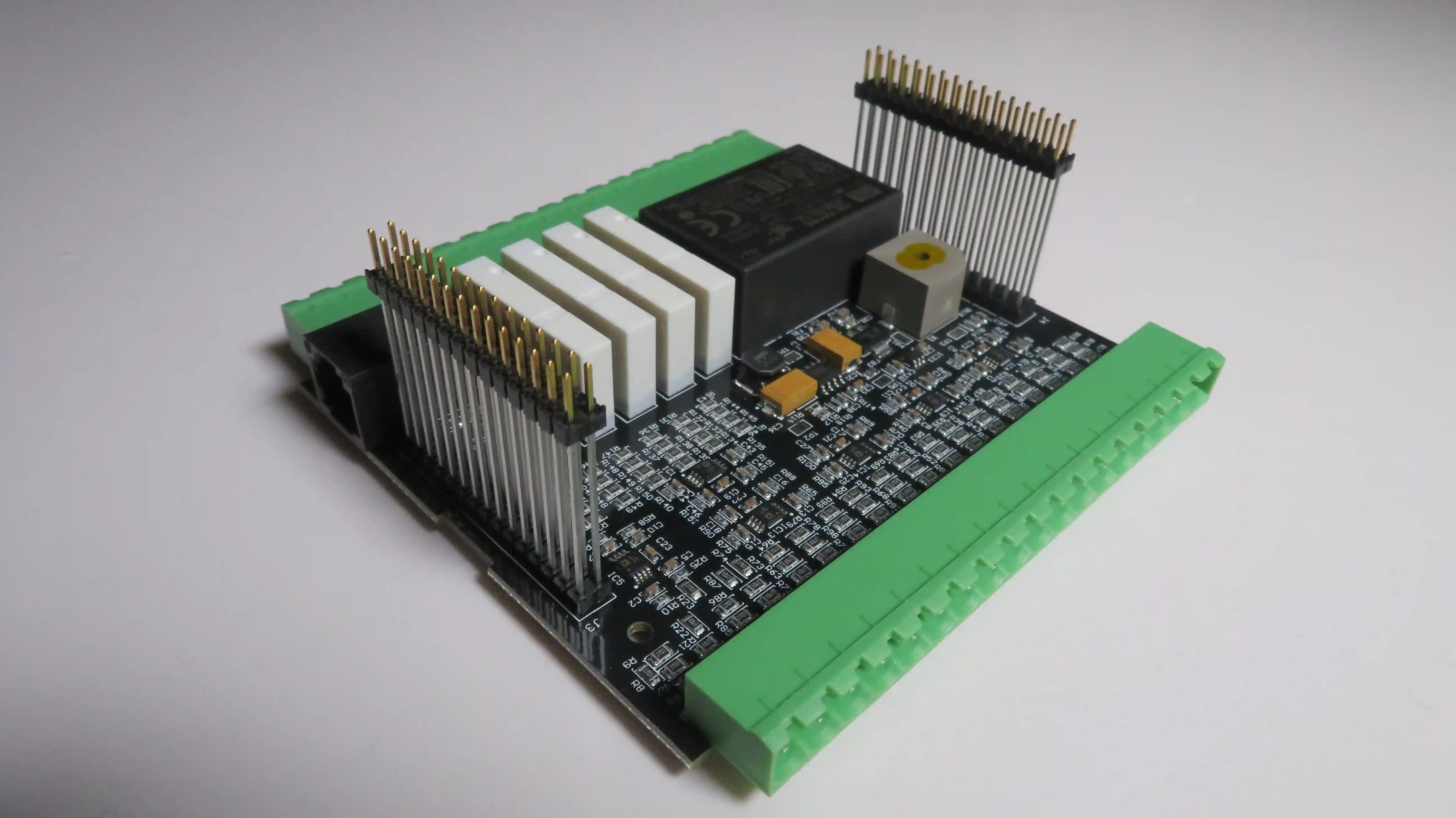
PCBInsider supports selective soldering for PCB assemblies that combine reflowed SMT parts with connectors, terminals, relays, and power components. We review nozzle access, fixture needs, thermal exposure, inspection records, and downstream test before quoting production release.
SMT + THT
Mixed Assembly Flow
AOI + X-Ray
Inspection Evidence
IPC-A-610
Workmanship Reference
NPI to Volume
Build Coverage
TL;DR
- Selective soldering is best when heat-sensitive SMT parts sit near through-hole pins.
- We review nozzle access, keep-out zones, pallet needs, and solder drainage before release.
- Typical targets include connectors, terminal blocks, relays, transformers, and power parts.
- Quotes need Gerber or ODB++, BOM, centroid data, assembly drawing, and quantity targets.
Selective Soldering Capabilities Buyers Should Verify
Selective soldering is a localized soldering process used after surface-mount technology reflow when only specific through-hole joints need solder. A PCBA is a printed circuit board assembly that already includes mounted electronic components. IPC is an electronics industry standards organization referenced for workmanship expectations in production release. The practical question is whether the supplier can prove stable solder fill without overheating neighboring parts.
Nozzle Access Review
We check pin rows, adjacent SMT clearance, board edges, component height, and pallet needs so the solder nozzle can reach the joint without damaging nearby.
Flux and Thermal Control
Flux deposition, preheat, dwell time, solder temperature, and nitrogen strategy are tuned to the real board mass instead of treated as a generic.
Connector and Power Part Soldering
Selective soldering supports high-pin-count connectors, terminal blocks, relays, transformers, inductors, and mixed power assemblies where hand soldering is.
Inspection Evidence
AOI, visual inspection, cross-process checks, and X-ray by package risk help catch skips, bridges, insufficient fill, lifted leads, and hidden solder.
First Article Release
First article builds can include solder-fillet review, process notes, test status, and repair limits so buyers know when the recipe is ready.
Downstream EMS Integration
The same job can continue into functional test, conformal coating, cable integration, enclosure work, or box build assembly when the PCBA is only one.
Selective Soldering Capability Snapshot
Service focus
Selective soldering for mixed SMT and through-hole PCB assembly
Common parts
Connectors, terminal blocks, relays, transformers, inductors, sockets, shield cans
Board types
Rigid FR-4, high-Tg FR-4, aluminum by review, flex or rigid-flex by fixture review
Input files
Gerber or ODB++, BOM, centroid, assembly drawing, test plan, quantity target
Process controls
Flux volume, preheat profile, solder temperature, dwell time, nozzle path, pallet fit
Inspection
Visual inspection, AOI, X-ray by package risk, electrical or functional test by requirement
Standards references
IPC-A-610 workmanship, J-STD-001 soldered electrical assembly principles
Best fit
Mixed-technology boards where full wave soldering would expose SMT parts or masking risk
Sourcing models
Turnkey, consigned, or hybrid component supply
Release evidence
FAI notes, inspection records, test records, nonconformance containment where needed
Process Route Decision
Choose selective soldering when
The board has bottom-side SMT parts, heat-sensitive components, localized through-hole joints, or connector banks that need a repeatable solder process.
Use wave soldering when
Most through-hole pins can pass through a common wave without unacceptable masking, thermal exposure, or post-process cleanup risk.
Keep hand soldering limited
Manual soldering is practical for rework, prototypes, or low-count joints, but it is harder to control at repeat production volumes without strict operator.
Standard Selective Soldering Workflow
A selective soldering process is only repeatable when the quote, first article, and production release use the same assumptions. We structure the route around access, heat, solder fill, and inspection evidence before volume work begins.
Step 1
Review the mixed-technology layout
Engineering checks through-hole locations against SMT keep-outs, bottom-side parts, tall components, board edges, thermal mass, and any fixture constraints.
Step 2
Choose the soldering route
We decide whether the build fits selective soldering, wave soldering with masking, hand soldering, or a combined route based on access, repeatability, and cost.
Step 3
Set flux, preheat, and nozzle parameters
The process window is built around solder fill, hole size, copper weight, component heat limits, and target throughput, then adjusted during first article.
Step 4
Inspect the first article evidence
Solder fillets, hole fill, bridging, skipped joints, flux residue, polarity, and test status are checked before the job is released into the planned quantity.
Step 5
Ship boards or continue integration
Released PCBAs can move to test, conformal coating, cable attachment, box build assembly, labeling, and final packaging under the same manufacturing program.
Engineering Notes Before You Release the RFQ
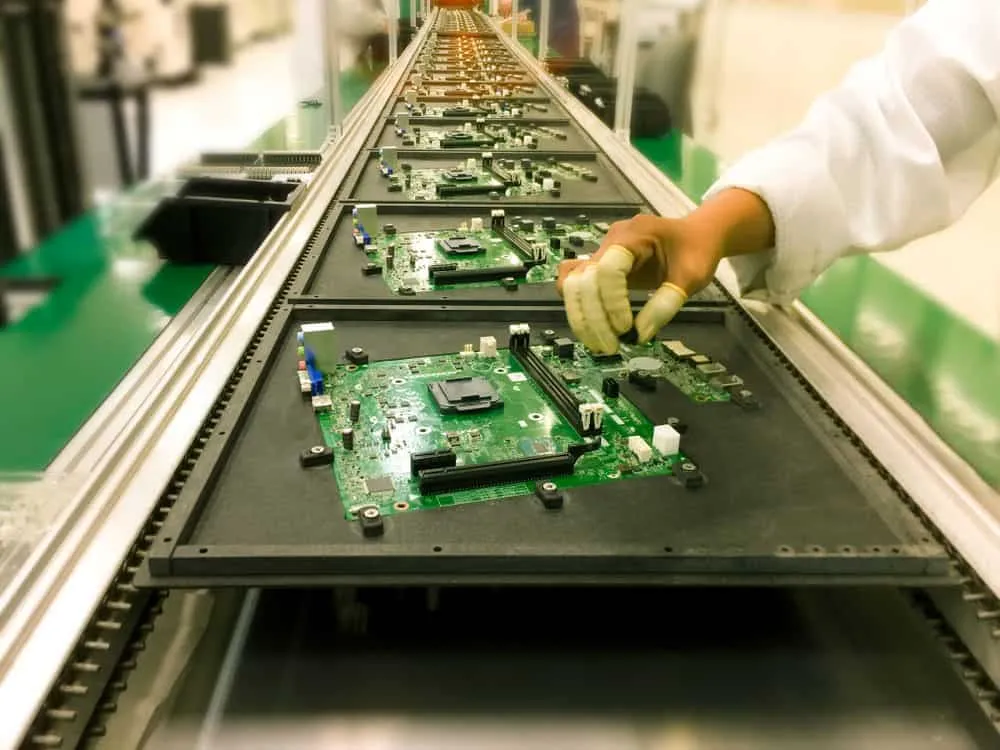
The strongest selective soldering RFQs identify component keep-out areas, connector datasheets, test requirements, and accepted workmanship criteria. For background, a printed circuit board is the base structure that mechanically supports and electrically connects components, while IPC publishes electronics manufacturing standards used by many buyers and suppliers. We tie those references to the drawing, not to generic marketing claims.
Best fit programs
Industrial controls, power electronics, IoT gateways, medical equipment modules, robotics boards, and electromechanical products that combine reflowed SMT with high-retention through-hole interfaces.
Useful buyer guide
For design-stage detail, review our selective soldering guide before releasing the final BOM and assembly drawing.
Selective Soldering FAQ
What is selective soldering in PCB assembly?
Selective soldering is a localized soldering process for through-hole pins on a circuit board after SMT reflow. It uses targeted fluxing, preheat, and a controlled solder nozzle instead of exposing the full board to a wave.
When should we specify selective soldering instead of wave soldering?
Specify selective soldering when the board has bottom-side SMT parts, limited through-hole areas, tall connectors, heat-sensitive parts, or masking risk. Wave soldering can be more efficient when the entire underside can safely pass through a common wave.
What files do you need to quote selective soldering?
Send Gerber or ODB++ data, BOM, centroid file, assembly drawing, test requirements, target quantity, and any connector datasheets that define soldering limits. The earlier we see the keep-out areas, the faster we can identify nozzle and pallet risk.
Can you support split delivery or multi-PO selective soldering programs?
Yes. We can manage multi-PO programs with clear payment confirmation and an early delivery warning for any constrained order, keeping the remaining purchase orders visible and on schedule for the buyer.
Which standards are used for workmanship review?
We reference IPC-A-610 workmanship expectations and J-STD-001 soldered assembly principles during review. IPC is an electronics standards organization, and J-STD-001 is commonly used for soldered electrical and electronic assemblies.
Can selective-soldered boards continue into box build?
Yes. Selective-soldered PCBAs can continue into functional test, conformal coating, cable integration, box build assembly, labeling, and final packaging when your product needs a broader EMS workflow.
Related Services
Use selective soldering when the through-hole portion of the board needs targeted process control. Move to the broader pages below when your RFQ includes the full build package.
Through-Hole PCB Assembly
THT assembly for connectors, terminals, relays, and mixed SMT/THT boards.
Explore serviceSMT Assembly Services
Surface mount assembly for the reflow side of mixed-technology PCB builds.
Explore servicePCB Assembly (PCBA)
Full PCBA support across SMT, THT, inspection, test, and sourcing.
Explore serviceBox Build Assembly
Continue the released PCBA into enclosure, cable, and final system assembly.
Explore serviceNeed selective soldering reviewed before your next PCBA build?
Send the Gerber or ODB++ data, BOM, centroid file, assembly drawing, connector datasheets, and target quantity. We'll review access, thermal risk, inspection needs, and the most practical soldering route.