Robot Control Boards, Sensor PCBAs, and Cable Integration
Robotics PCB Assembly for Control, Motion, and Sensor Electronics
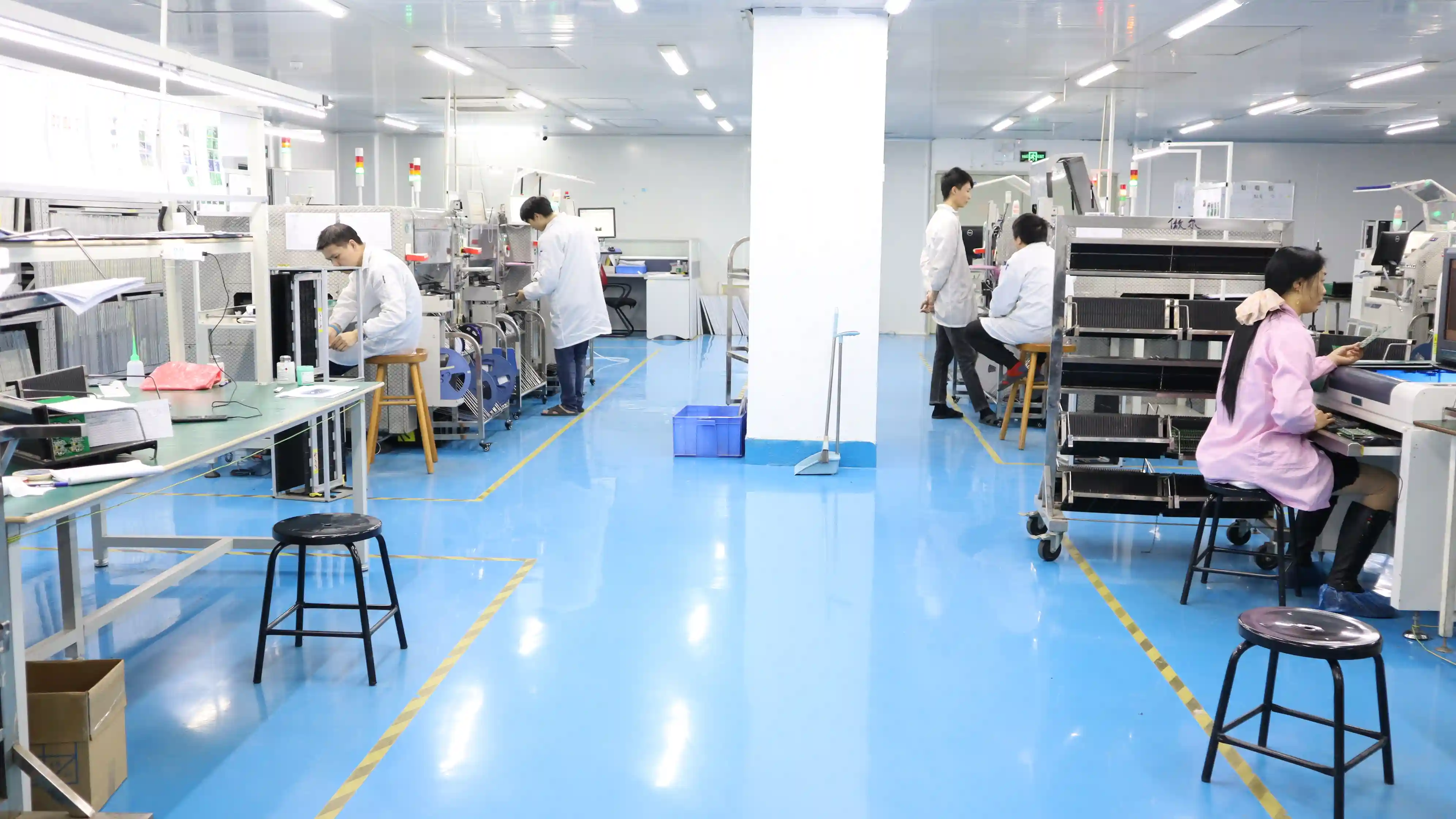
PCBInsider builds robotics PCB assemblies for OEM teams that need more than component placement. We connect SMT assembly, inspection, firmware loading, functional test, cable mating, and split-delivery release control so robot electronics can move from pilot build to production without losing engineering visibility.
TL;DR
Robotics PCBA quote control in one screen
- Robotics PCB assembly covers control, sensor, power, motion, and communication boards for robots and automation equipment.
- Best-fit RFQs include Gerbers, BOM, centroid, firmware needs, test method, cable interfaces, and delivery split rules.
- Inspection usually combines SPI, AOI, X-ray for BGAs, first article review, and powered functional testing.
- PCBInsider can coordinate PCBA, robotic cable assemblies, enclosure integration, and release records under one manufacturing plan.
SMT + THT
Mixed robotics board assembly
AOI + X-Ray
Hidden-joint inspection path
Firmware + FCT
Programming and functional test
Split PIs
Multi-PO delivery control
Robot Electronics Need Assembly Control, Not Just SMT Capacity
Robotics PCB assembly is a manufacturing service for robot control boards, motor-drive boards, sensor-interface boards, and gateway boards after the bare printed circuit board design is released. PCBA is a finished printed circuit board assembly that combines the fabricated board, placed components, soldered joints, inspection records, and test evidence into a production-ready electronic module.
Robot electronics create practical manufacturing trade-offs: dense BGAs improve compute density but raise X-ray and rework needs; high-current motor connectors may need selective soldering access; sensor cables can turn a correct board into a failed system if orientation, shielding, or strain relief is missed. Our quote review connects PCB assembly with cable and test planning before a robot build reaches the purchase-order release gate.
Robot Control Board PCBA
SMT and through-hole assembly for main controller boards, MCU boards, edge AI modules, IO expansion boards, safety interfaces, and communication boards.
Motor Drive and Power Electronics
Assembly review for MOSFETs, drivers, shunts, high-current connectors, heat paths, creepage spacing, and selective soldering access on mixed-technology boards.
Fine-Pitch and BGA Inspection
SPI, AOI, and X-ray gates for fine-pitch ICs, BGAs, QFNs, connectors, and dense sensor-interface boards where hidden solder joints raise field risk.
Programming and Functional Test
Firmware loading, checksum control, serial-number capture, fixture readiness review, and powered test planning before pilot and production release.
PCBA-to-Cable Integration
Board connector orientation, harness mating, strain relief, pinout checks, and final box-build routing support for robots that combine PCBAs and custom cables.
NPI-to-Production Control
DFM/DFA review, first article evidence, controlled revisions, split-delivery planning, and repeat-order release records for robotics OEM purchasing teams.
Real Project Snapshot
Robotics Multi-PO PCBA Delivery
An Asia-Pacific robotics OEM required PCB and assembly services for a product rollout structured as a multi-PO program with split deliveries. The risk was not only solder quality; one constrained purchase order needed immediate schedule visibility while other purchase orders stayed on track.
Our team used proactive order management, provided same-day payment confirmation, and issued an early delivery timeline warning for the constrained PO. The concrete case-bank signals were: multi-PO program, split PIs, same-day payment confirmation, early delivery warning issued.
Robotics PCBA Capability Scope
Service focus
Robotics PCB assembly for control, sensor, motor, power, communication, and interface boards
Best-fit buyers
Robotics OEMs, automation integrators, industrial machinery builders, AGV/AMR teams, and lab automation equipment teams
Assembly process
SMT, through-hole, selective soldering, hand-soldered connectors, conformal coating review, and box-build-ready release
Inspection path
Solder paste inspection, AOI, X-ray for hidden joints, visual workmanship review, and first article evidence
Testing support
ICT or flying probe when appropriate, firmware programming, powered functional test, golden-unit comparison, and serial records
Typical RFQ inputs
Gerber or ODB++, BOM with AVL notes, centroid, assembly drawing, test plan, firmware notes, cable interface drawings, target quantity
Standards context
IPC-A-610 workmanship, IPC J-STD-001 soldering process awareness, ISO 9001-style process control, and buyer-specific release gates
MOQ and lead time
Prototype and pilot lots are accepted; quick-turn timing depends on component availability, stencil readiness, and test fixture maturity
Standards, Test Evidence, and Buyer Release Gates
IPC-A-610 is the common workmanship reference buyers use when deciding how visible solder joints, component orientation, damage, cleanliness, and acceptance classes should be reviewed. The public IPC electronics standards context helps frame the conversation, but your RFQ still needs board-level acceptance criteria, test coverage, and release records.
IPC J-STD-001 is a soldering process reference, while ISO 9001 is a quality-management framework for controlled procedures, corrective actions, and traceability. A robotics buyer should use those references with practical evidence: first article photos, AOI/X-ray records, firmware logs, functional-test reports, cable mating checks, and shipment release status. Public background on ISO 9000 quality management is useful, but it does not replace lot-specific evidence.
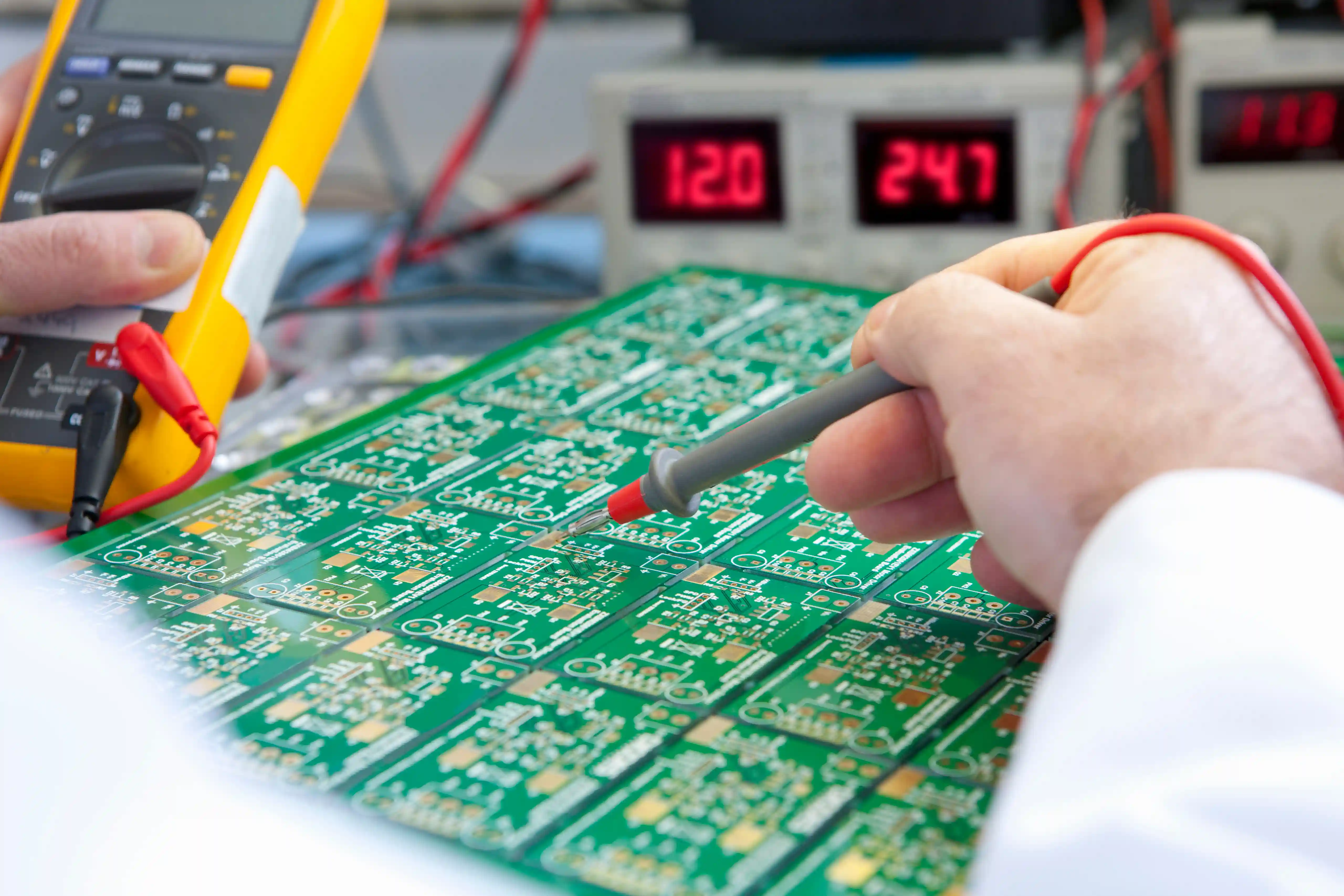
Functional test is a powered verification step that confirms the assembled board performs defined electrical or firmware behavior before shipment. For robot electronics, that can mean boot checks, current measurement, CAN or Ethernet communication, encoder signal response, safety IO behavior, or a golden-unit comparison tied to a fixture-ready release plan.
Common Robotics Board Types We Assemble
A robotics assembly quote should separate board function, risk drivers, and release evidence. One robot may contain multiple PCBAs that need different soldering, inspection, and test paths.
| Board type | Typical role | Manufacturing risk to control |
|---|---|---|
| Main controller PCBA | MCU, MPU, edge AI, memory, communication, and supervisory functions | Firmware access, revision lock, boot validation, and serial traceability |
| Motor drive PCBA | Drivers, MOSFETs, shunts, protection circuits, current sensing, and power connectors | Thermal path, solder volume, creepage, high-current connector fit, and burn-in needs |
| Sensor interface PCBA | Camera, encoder, force, pressure, lidar, proximity, and safety sensor interfaces | Connector orientation, shield grounding, low-noise layout, ESD handling, and cable mating |
| IO and gateway PCBA | Ethernet, CAN, RS-485, USB, IO expansion, and wireless module carrier boards | Impedance, isolation, test pads, ESD protection, and enclosure grounding |
| Battery and charging PCBA | Low-voltage power distribution, charger interface, pack monitor, and auxiliary boards | Current rating, insulation, harness interface, conformal coating, and functional test limits |
Robotics PCB Assembly Workflow
The workflow is built for procurement engineers evaluating multiple suppliers during RFQ. Each stage makes the next release decision clearer: quote, sample, pilot, production, and shipment.
Step 1
RFQ and release-data review
We check the Gerber package, BOM, centroid, assembly drawing, firmware notes, test expectations, cable interfaces, and delivery split before quoting.
Step 2
DFM/DFA and sourcing triage
Engineering reviews footprint risk, BGA or QFN process windows, connector access, stencil strategy, AVL constraints, and long-lead robotics components.
Step 3
Prototype or pilot build
The first lot uses controlled SMT programming, solder paste inspection, AOI, X-ray where needed, and first article review before broader release.
Step 4
Programming and functional test
Firmware loading, fixture checks, powered functional test, cable-mating verification, and serial records are aligned with the buyer approval plan.
Step 5
Production and split delivery
Released lots move through repeatable build controls, lot records, packaging review, and delivery-risk communication when a multi-PO program needs split shipments.
Author and Factory Credentials
Written with PCBInsider manufacturing input
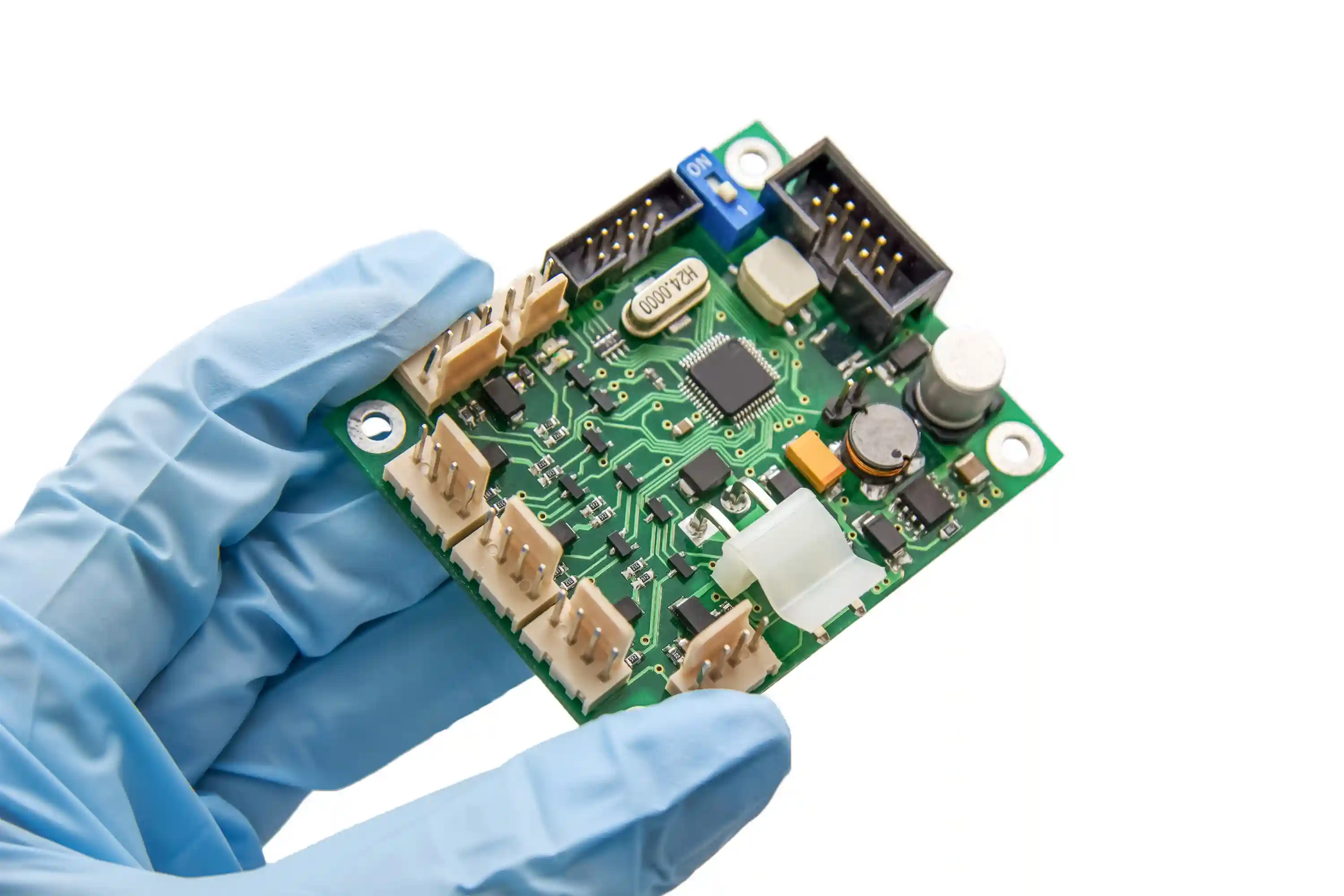
PCBInsider supports PCB fabrication, PCB assembly, wire harness, cable assembly, and box-build programs for OEM electronics buyers. The practical focus on this page comes from factory-side RFQ review: board data completeness, component sourcing, inspection gates, firmware test, and split-delivery execution.
ISO 9001
Process-control context
IPC-A-610
Workmanship reference
IATF 16949
Automotive-quality context
Price range depends on BOM value, board complexity, test fixture maturity, and quantity. Prototype quotes normally separate stencil, setup, component sourcing, assembly, inspection, test, and freight so buyers can compare supplier proposals cleanly.
Useful Before You Release a Robotics PCBA RFQ
These resources help buyers define test access, fixture readiness, and environmental risk before a robot board reaches production.
Boundary Scan Testing for PCB Assembly
How JTAG-style access can support dense robot control boards when physical probe access is limited.
Test Fixture Readiness for PCB Assembly
Release-gate guidance for fixture maturity, golden units, GR&R, and conditional shipment risk.
PCB Solutions for Agricultural Robotics
Design and manufacturing concerns for robotic electronics used in vibration, dust, and outdoor equipment.
Related Manufacturing Services
Robotics programs often need PCBAs, cable assemblies, programming, test fixtures, and final electromechanical integration released as one practical manufacturing package.
PCB Assembly (PCBA)
General SMT, through-hole, mixed-technology, inspection, and turnkey PCBA manufacturing.
Robotic Cable Assemblies
Continuous-flex, EOAT, sensor, and robot dress-pack cable assemblies for the same robot platform.
PCBA Programming & Functional Testing
Firmware loading, functional test fixtures, serial records, and shipment-release evidence.
Box Build Assembly
Coordinate PCBAs, cable sets, enclosure hardware, final test, labels, and shipment packaging.
Robotics PCB Assembly FAQ
These are the questions procurement engineers usually ask before releasing robot control board PCBAs to a manufacturing partner.
What files do you need to quote robotics PCB assembly?
Send Gerbers or ODB++, BOM with manufacturer part numbers and approved alternates, centroid data, assembly drawing, firmware notes, test plan, cable interface drawings, target quantity, and any split-delivery requirement. If the robot uses matched controller, sensor, and cable sets, include the system-level interconnect drawing so connector orientation and harness mating are reviewed before the first build.
Can you build both robot control PCBAs and robotic cable assemblies?
Yes. PCBInsider can coordinate PCB assembly and robotic cable assemblies when the product uses board-to-cable interfaces, sensors, EOAT wiring, or enclosure routing. One relevant case involved a long-standing industrial customer that moved from separate harness and PCBA suppliers toward PCB/PCBA manufacturing integration and Multi-category supply consolidation, including IC STM32-family MCU sourcing.
How do you test robot PCB assemblies before shipment?
The test plan depends on board function. A typical route can include SPI, AOI, X-ray for BGA or QFN devices, first article inspection, firmware programming, boundary scan or ICT where designed in, powered functional test, and cable-mating verification. For released production, we recommend serial-number capture and retained test records rather than relying only on visual inspection.
Can you support prototype robotics PCBA and then scale to production?
Yes. Prototype and pilot builds are handled with quick-change SMT programming, stencil review, component sourcing triage, and first article feedback. The production plan should be locked only after the buyer approves firmware behavior, test fixture readiness, connector mating, and any mechanical fit checks inside the robot enclosure.
What lead time should I expect for a robotics PCB assembly order?
Lead time depends mainly on component availability, bare-board complexity, stencil readiness, firmware access, and test fixture maturity. Straightforward prototype PCBAs can move quickly when the BOM uses available parts. Robot control boards with long-lead ICs, custom cables, conformal coating, or fixture development need a staged schedule with clear release gates.
Do robotics PCBAs need conformal coating or potting?
Not always. Indoor collaborative robots may only need clean assembly, ESD protection, and controlled packaging. Outdoor robots, agricultural robots, mobile platforms, or dusty industrial equipment may need conformal coating, potting, gasketed enclosure design, or cable-exit sealing. The right choice depends on moisture, vibration, service access, heat, and connector exposure.
Need a robotics PCB assembly quote with real release evidence?
Send your Gerber package, BOM, centroid, assembly drawing, firmware notes, test requirements, cable interfaces, and delivery schedule. PCBInsider will review the PCBA build path and flag the risks that matter before prototype, pilot, or production release.