Sealed Connector Service
Deutsch Connector Assembly for Rugged Harness Programs
PCBInsider supports Deutsch connector assembly for harsh-environment wire harnesses and cable assemblies. We help OEM teams control the parts that usually fail in the field: contact fit, cavity mapping, wedgelock seating, sealing details, and final test coverage.
100%
Electrical Test Coverage
DT / DTM / DTP
Common Series Support
IP67-IP69K
Sealing-Oriented Programs
Prototype to Production
Program Continuity
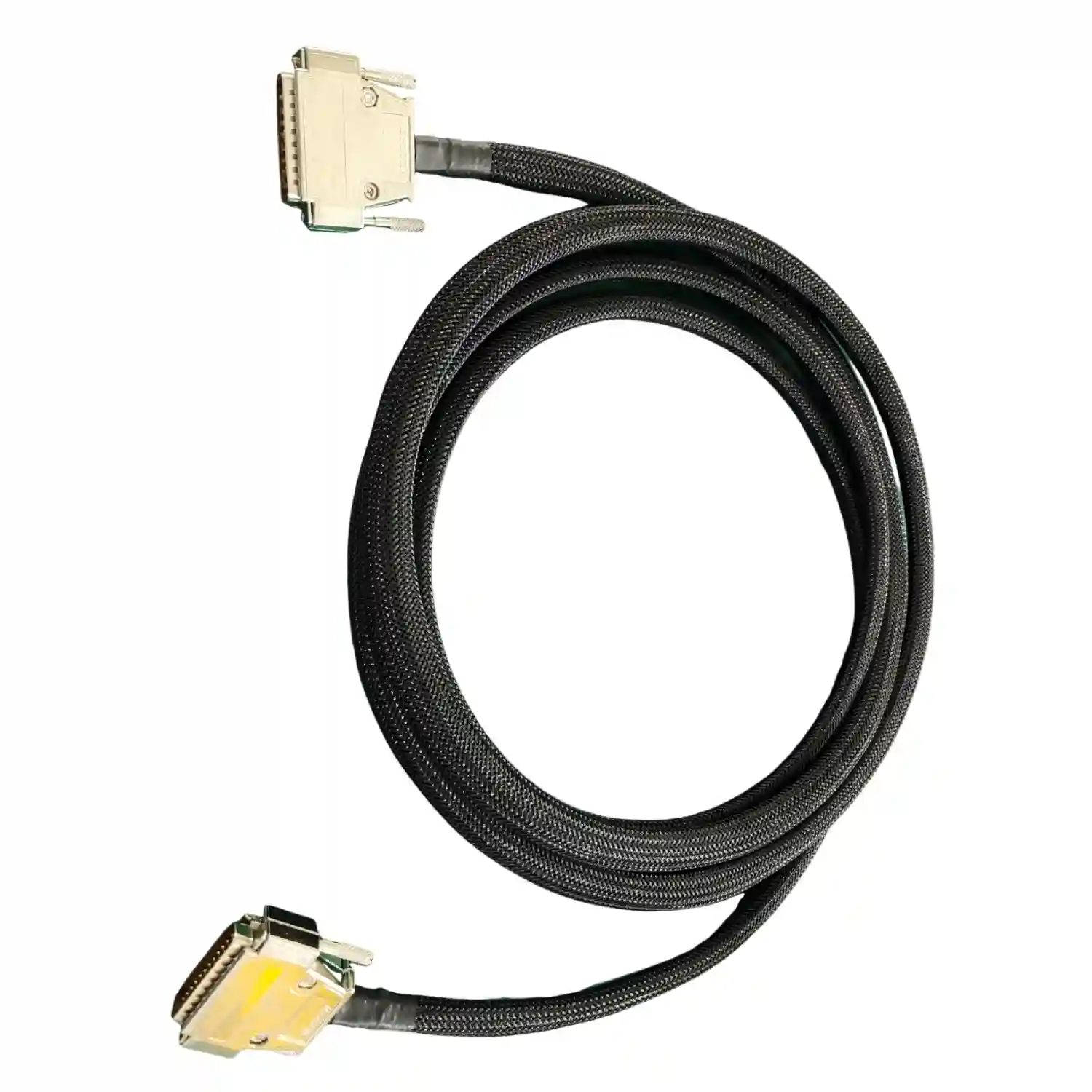
Why buyers ask for Deutsch connector assembly specifically
Generic connector support is not always enough. Deutsch-style sealed systems are usually selected because the harness has to survive vibration, splash, contamination, and repeated service in the field. That creates a narrower production problem than broad connector sourcing, and it needs tighter release control.
Deutsch Connector Builds for Real Field Conditions
Deutsch-style connector programs are usually chosen for vibration, dust, water, and service-life risk, not cosmetic preference.
Terminal, Seal, and Wedgelock Control
Most field issues come from the wrong contact size, seal mismatch, incomplete insertion, or wedgelock mistakes rather than from the housing alone.
Sealed Harness Planning
A sealed connector only stays sealed when the cable OD, rear sealing, branch breakout, and strain-relief strategy are aligned.
Crimp Validation and Cavity Verification
Deutsch connector assembly depends on stable crimp height, pull-force behavior, cavity orientation, and retention checks.
Harness and Cable Assembly Integration
This service is aimed at finished assemblies, not loose connector resale.
Revision and Mating-Part Discipline
Rugged connector programs still fail when cavity counts drift, keying is misread, or mating halves change without the harness following.
Deutsch assembly capabilities
- Service focus
- Deutsch connector assembly for sealed wire harnesses, cable assemblies, and rugged electromechanical builds
- Connector scope
- DT, DTM, DTP, and customer-specified Deutsch-style sealed connector systems
- Typical circuits
- Low-circuit sensor links through higher-current power branches, depending on the selected series and contacts
- Wire range
- Matched to the approved terminal and seal family rather than assumed from the housing alone
- Assembly controls
- Crimp setup, contact insertion, wedgelock verification, cavity map control, labeling, and strain relief
- Validation
- Continuity, shorts, insulation resistance, hipot where required, retention checks, and first-article review
- Common markets
- Automotive, off-highway, industrial equipment, aerospace support systems, and harsh-environment embedded electronics
- Project stage
- Prototype, NPI, bridge build, and recurring production
Common Deutsch connector programs
Vehicle and Mobile Equipment Harnesses
Deutsch connector assembly is common where vibration, splash exposure, service access, and field repair matter.
Industrial Equipment and Outdoor Controls
Sensors, actuators, HMI enclosures, pumps, compressors, and distributed control modules often use sealed connector systems to survive dust, fluids.
Aerospace Support and Rugged Electronics
Ground-support electronics, UAV subsystems, and rugged embedded equipment often need compact sealed interconnects with documented cavity control.
Box Build and Hybrid Cable Assemblies
Deutsch connectors are often one part of a larger assembly that also includes PCBAs, enclosure wiring, relays, glands, or panel interfaces.
Process for sealed connector release
The target is repeatable field performance, not just a connector that snaps together once on the bench.
Step 1
Review the connector family and mating context
We start with the drawing set, mating-half callouts, wire list, current levels, environmental notes, and installed geometry.
Step 2
Lock terminals, seals, and cavity map
Once the connector intent is confirmed, we fix the contact family, wire gauge match, seal selection, cavity positions, insertion checks, and any rear.
Step 3
Build first articles with production-intent controls
Prototype assemblies are built using controlled stripping, crimping, insertion, wedgelock installation, and labeling instructions.
Step 4
Release tested production assemblies
After approval, the assembly flows into controlled production with revision-managed documents, material traceability, electrical test coverage.
Authority references
These public references are useful when buyers need background context for connector selection, sealing language, and termination control.
Electrical connector overview
Background on connector categories, mating concepts, and interface fundamentals relevant to sealed connector selection.
Crimp termination reference
Useful context for why terminal geometry, tool setup, and pull performance matter in connector assembly.
IP code reference
Explains the ingress-protection framework often discussed when sealed connector systems are compared.
IPC standards background
High-level reference for the standards ecosystem commonly used in wire harness and electronics manufacturing.
Related reading and services
Use these pages when the connector decision overlaps with full harness manufacturing, vehicle programs, or workmanship review.
Wire Harness Connectors
Broader connector-integration support when the program is not limited to Deutsch-style sealed systems.
Wire Harness Manufacturing
Full harness production for custom routing, formboards, labeling, and electrical test coverage.
Custom Cable Assembly
Useful when Deutsch connectors are part of a larger signal, power, or hybrid cable assembly.
Automotive Wire Harness
Relevant when sealed connector decisions are tied to vehicle validation, PPAP, and recurring production.
IPC/WHMA-A-620 Standard Guide
Explains the workmanship framework buyers often reference for cable and wire harness acceptance.
How to Crimp Wires
Useful background if your team needs a practical refresher on termination quality and crimp basics.
Deutsch connector assembly FAQ
Short answers to the questions that usually block sourcing and NPI approval.
What information helps you quote a Deutsch connector assembly accurately?
The best package includes the harness drawing, connector series, mating-half part numbers, wire list, circuit map, environmental notes, test requirements, and expected lot size. If the design is still early, a schematic plus installation photos is enough for a manufacturability review and budgetary quote.
Do you support DT, DTM, and DTP connector assembly?
Yes. We support common Deutsch-style sealed connector families such as DT, DTM, and DTP when the released design or application calls for them. The exact assembly plan still depends on the approved contacts, wire range, sealing parts, and mating context.
Why is Deutsch connector assembly treated as a separate service?
Because buyers often need more than generic connector integration. Deutsch-style programs usually involve sealed interfaces, harsh-environment routing, contact-size discipline, wedgelock verification, and field-service expectations that deserve a dedicated manufacturing review.
Can you provide only terminated connectors, or do you build the full harness?
We can discuss subassemblies, but the core service is full assembly integration. Most customers get more value from a labeled, electrically tested harness or cable assembly than from buying terminated connectors and managing final integration themselves.
How do you reduce field failures on sealed connector harnesses?
We control the approved terminal and wire match, insertion depth, wedgelock seating, cavity assignment, rear sealing approach, and end-of-line electrical test coverage. On many programs, those details matter more than the connector housing itself.
Need a sealed connector harness reviewed before release?
Send the drawing, connector series, cavity map, and installed environment. We can review the Deutsch assembly path, termination risks, and production readiness before your team locks the BOM.