Top 21 Largest EMS Companies in the World: 2025 Revenue Rankings
Comprehensive guide to the world's largest electronics manufacturing services companies ranked by revenue. Explore industry leaders and their capabilities.
The electronics manufacturing services industry reached $477 billion in assembly revenue in 2024, with the top 50 firms growing 12.7% year-over-year. This market consolidation has created an industry dominated by a handful of manufacturing giants, with the top 10 companies accounting for nearly 88% of total revenue. Understanding these industry leaders helps OEMs identify potential partners capable of handling complex, high-volume manufacturing programs.
Understanding EMS Manufacturing
EMS manufacturing encompasses the complete production lifecycle for electronic products. These specialized companies handle PCB design, fabrication, component procurement, assembly, testing, and distribution on behalf of original equipment manufacturers. The model enables OEMs to focus on product development and marketing while leveraging manufacturing expertise developed through serving diverse customers across multiple industries.
The EMS business model creates value through economies of scale, specialized equipment investments, and accumulated process knowledge. Contract manufacturers spread fixed costs across numerous customer programs, achieving efficiency levels that individual OEMs cannot match independently. This approach has proven particularly effective for companies requiring flexible capacity, rapid scaling, or access to manufacturing technologies without significant capital investment.
Key Factors for Evaluating EMS Companies
Experience and Track Record
Seasoned EMS providers demonstrate extensive portfolios serving diverse customers across multiple industries. Companies with decades of operational history have navigated economic cycles, supply disruptions, and technology transitions successfully. This accumulated experience translates into robust processes, established supplier relationships, and problem-solving capabilities refined through countless programs.
Certifications and Compliance
Industry certifications indicate adherence to recognized quality standards. ISO 9001 provides baseline quality management, while specialized certifications like ISO 13485 for medical devices and IATF 16949 for automotive applications demonstrate capability for regulated industries, while aerospace programs may require additional documented controls IPC workmanship standards ensure consistent assembly quality across production runs.
Manufacturing Capacity
Reliable EMS partners offer sufficient production capacity to handle customer requirements without compromising delivery schedules. This includes qualified workforce, precise equipment, efficient PCB assembly lines, and design capabilities supporting programs from prototypes through high-volume production.
Testing and Quality Assurance
Comprehensive testing ensures products function correctly under intended operating conditions. Environmental testing subjects assemblies to temperature extremes, humidity, and vibration. Electrical testing verifies circuit performance meets specifications. Quality systems prevent defects from reaching customers while driving continuous improvement.
Communication and Support
Responsive customer service reduces friction throughout program execution. Active communication channels enable quick resolution of technical questions, schedule updates, and design changes. Effective partnerships require transparency and collaborative problem-solving approaches.
Top 21 Largest EMS Companies Ranked by Revenue
1. Foxconn (Hon Hai Precision Industry) – $214.5 Billion
Foxconn dominates the global EMS landscape with revenue exceeding $214 billion and approximately 40% market share. The Taiwan-headquartered giant employs over one million workers across manufacturing facilities worldwide. Their customer roster includes technology leaders like Apple, Sony, Nintendo, and Microsoft.
The company's manufacturing prowess spans consumer electronics, computing devices, telecommunications equipment, and medical devices. Their expertise in high-volume precision manufacturing has made them the preferred partner for complex consumer products requiring massive production scale.
2. Pegatron Corporation – $40 Billion
Pegatron ranks as the second-largest EMS provider globally with annual revenue around $40 billion. Spun off from Asus in 2008, this Taiwan-based company specializes in consumer electronics, IT products, and communication devices. Major customers include Apple and Microsoft.
The company operates major manufacturing facilities in Taiwan, China, Mexico, and Poland. Their capabilities encompass case tooling, plastic injection molding, system assembly, and production of peripherals and components. Pegatron's after-market services provide comprehensive support throughout product lifecycles.
3. Wistron Corporation – $31.37 Billion
Wistron stands among the world's largest ODM contract manufacturers, specializing in information and communication technology products. The Taiwan-based company produces laptops, desktop systems, servers, storage devices, networking, and communication products.
Their expertise extends into medical equipment manufacturing, where precision and reliability directly impact patient outcomes. Wistron's engineering capabilities support product development from concept through volume production.
4. Jabil Inc. – $29.3 Billion
Florida-based Jabil operates as a Fortune 500 company with approximately 140,000 employees across global manufacturing sites. Their diverse product portfolio ranges from coffee machines to advanced healthcare diagnostics equipment.
Jabil's strategic investments in AI-powered manufacturing for data center infrastructure position them well for emerging technology applications. Comprehensive services span PCB assembly, precision machining, system integration, supply chain management, and product lifecycle management.
5. Flex Ltd. – $25 Billion
Flex operates across 30 countries with approximately 200,000 employees, providing end-to-end manufacturing services from prototypes through high-volume production. The California-based company serves diverse industries including healthcare, automotive, consumer electronics, and industrial equipment.
Notably, Flex partnered with Philips in 2019 to rapidly increase ventilator production during the global health crisis. Their sustainability focus and versatility make them a preferred partner for companies prioritizing environmental responsibility alongside manufacturing excellence.
6. BYD Electronics – $10.59 Billion
BYD Electronics emerged as a significant EMS player, demonstrating remarkable agility during the COVID-19 pandemic by rapidly scaling mask production. The Chinese company leverages vertical integration and manufacturing expertise developed through parent company BYD's electric vehicle business.
Their capabilities span consumer electronics, automotive electronics, and medical device manufacturing. Technical expertise combined with competitive pricing makes BYD Electronics attractive for cost-sensitive high-volume applications.
7. USI (Universal Scientific Industrial) – $9 Billion
USI provides mechanical and electronic design manufacturing across computing, communications, automotive electronics, automation, and biotechnology sectors. The Taiwan-based company specializes in miniaturization technologies critical for compact electronic devices.
Services include joint design manufacturing, automation solutions, precision molding and tooling, system assembly, and integration. Their expertise in automotive and cloud infrastructure positions them well for growth markets.
8. Sanmina Corporation – $6.96 Billion
Sanmina delivers end-to-end manufacturing solutions from their California headquarters, operating approximately 80 production sites worldwide. The company has developed particular strength in medical device manufacturing, producing MRI systems, surgical robots, X-ray machines, and diagnostic equipment.
Their engineering capabilities support development of advanced optical sensors and other technologies enabling less invasive medical procedures. Expertise spans industrial, automotive, communications, medical, and defense sectors.
9. New Kinpo Group – $7.5 Billion
New Kinpo Group provides comprehensive manufacturing from product concept through volume production and field services. The Taiwan-based company serves ICT, automotive, healthcare, IoT, and automation industries.
During the pandemic, New Kinpo contributed to public health efforts by producing ventilators, masks, and temperature-detection devices. Their vertical manufacturing capabilities and aftersales support provide complete program solutions.
10. Celestica Inc. – $5.9 Billion
Toronto-headquartered Celestica operates 50 sites across 15 countries, delivering end-to-end product lifecycle solutions. Their expertise spans design and engineering, manufacturing, test development, global distribution, and after-sales services.
Strategic positioning in AI-powered infrastructure has driven impressive growth. Celestica serves major OEMs in aerospace, industrial, healthtech, capital equipment, and semiconductor markets with sophisticated hardware platform solutions.
11. WellPCB
WellPCB has established itself as a trusted EMS provider specializing in PCB fabrication and assembly services. Operating from China with global reach, the company serves customers across consumer electronics, medical devices, industrial equipment, and telecommunications sectors.
Their comprehensive capabilities span prototype development, component sourcing, SMT assembly, through-hole assembly, testing, and fulfillment. Engineering support helps customers optimize designs for manufacturability while maintaining competitive pricing.
12. Plexus Corporation – $3.5 Billion
Plexus delivers product realization solutions for companies in healthcare/life sciences, industrial/commercial, defense/security/aerospace, and communications sectors. The Wisconsin-based company has maintained performance excellence since the 1970s.
Services encompass supply chain management, product design, PCB assembly, cable assemblies, and complete program management. Plexus takes pride in quality standards that ensure flawless products while recruiting engineers with extensive technical backgrounds.
13. Infineon Technologies
Infineon represents a major force in the Malaysian electronics sector, focusing on semiconductor development and manufacturing. Their products deliver reliability and error-free performance for automotive, industrial, and IoT applications.
Cutting-edge technologies support semiconductor solutions across diverse technical domains. Strong market positioning stems from product durability and service transparency that builds customer confidence.
14. Keysight Technologies
Keysight specializes in electronics measurement solutions, serving customers requiring precision testing and characterization capabilities. Their expertise spans modular device innovation, software development for technical domains, wireless gadget engineering, and complex electronics design.
Prototyping services ensure 100% efficient performance before volume production. The company's measurement expertise proves invaluable for customers developing high-frequency, high-speed, and precision electronics.
15. Venture Corporation
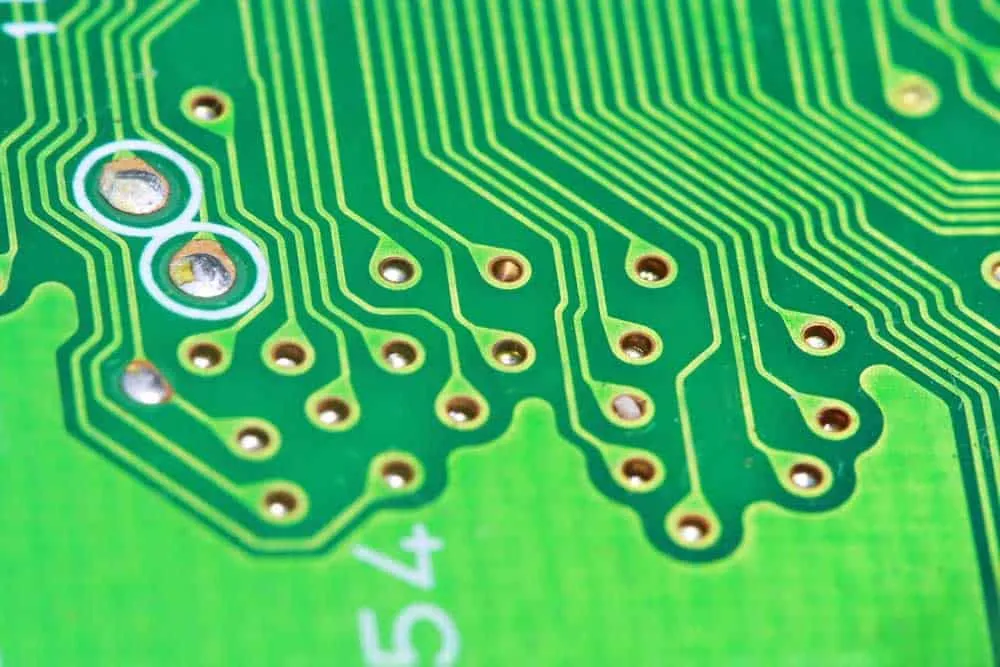
Venture focuses on electronics design and production while evolving technologies to meet future standards. ISO certifications demonstrate commitment to quality, with products undergoing verification processes before customer delivery.
Flexible payment terms and active customer support address client queries and follow-ups. The company never compromises product quality, building lasting relationships through reliability and responsiveness.
16. First Solar
First Solar has operated for approximately 15 years, establishing global presence in photovoltaic solar panel manufacturing. Their workforce of skilled engineers produces flawless solar panels and complete system assemblies.
Slim module designs minimize technical issues while maximizing energy output. Cost-efficient solar systems contribute to sustainable energy infrastructure supporting economic and environmental goals.
17. Ryder Industries (Xin Feng)
This Chinese EMS provider specializes in turnkey solutions for consumer electronics. Comprehensive quality checks ensure electronics function reliably throughout their intended lifecycles.
Services include firmware development, software programming for healthcare applications, component sourcing, and PCB design with prototyping. Their systematic approach sets things right from process initiation through final delivery.
18. Fuji Electric
Fuji Electric has operated since the 1990s, specializing in three major areas: consumer electronics, electrical solutions and energy regulatory devices, and retail systems. Their diversified expertise provides competitive advantages across multiple markets.
Products and services include turbine production, power module development, electronic solutions engineering, and refrigeration services. This breadth enables comprehensive solutions for industrial customers.
19. Benchmark Electronics – $2.3 Billion
Benchmark operates from Arizona providing contract-based design and production services. Eight factories across different regions deliver integrated expertise serving medical/healthcare, aerospace, and defense applications.
Services encompass complete component inspection, precision technology implementation, PCB design engineering, computing solutions, critical data storage, and RF/high-speed product design. Order completion capabilities ensure timely delivery.
20. EE Technologies
This Nevada-based American EMS provider works with numerous OEMs designing and producing advanced electronics. Their expertise in PCB assembly simplifies complex manufacturing challenges for customers.
Products deliver consistent performance and efficiency across demanding applications. Advanced technologies enable development of next-generation electronics meeting evolving market requirements.
21. Shenzhen Kaifa Technology
Kaifa Technology ranks among top Asian EMS providers with impressive ratings from technical institutes worldwide. Their turnkey approach ensures consistent end products meeting customer specifications.
PCB solutions extend the lifespan of electronics and medical equipment. OEMs from diverse domains maintain ongoing relationships based on quality and reliability. Additional services include procurement management and logistics control.
Advantages of Partnering with EMS Companies
Technical Expertise
EMS firms handle complex technical aspects including production, design, and inspection. Their specialized knowledge accelerates program development while reducing risk of manufacturing issues.
Operational Flexibility
Flexible services adapt to customer requirements, alleviating program management burden while saving time. Capacity scales with demand fluctuations without fixed cost penalties.
Cost Efficiency
EMS partnerships typically prove cost-effective compared to in-house manufacturing. Consultation establishes pricing packages aligned with specific program needs.
Accelerated Time-to-Market
Outsourcing production tasks to specialized providers increases turnaround speed. Established infrastructure and experienced teams compress development timelines.
Supply Chain Management
EMS providers source production materials and manage logistics independently. Component procurement leverages volume purchasing power while shipping expertise ensures timely delivery.
Potential Challenges with EMS Partnerships
Quality Oversight
Bulk production occasionally risks quality variations requiring active oversight. Clear specifications and inspection protocols mitigate this concern.
Communication Requirements
Active communication ensures EMS providers understand requirements and expectations. Responsive engagement prevents misunderstandings that could complicate manufacturing.
Dependency Considerations
Excessive reliance on external partners may impact business flexibility over time. Balanced sourcing strategies maintain competitive options.
Intellectual Property Protection
Data security practices vary across EMS providers. Due diligence and contractual protections address intellectual property concerns.
Price vs. Quality Tradeoffs
Low-cost providers may compromise material quality affecting final products. Partner selection should balance cost efficiency with quality requirements.
Summary
The global EMS industry continues consolidating around major manufacturers capable of delivering complex, high-volume production programs. Understanding the capabilities, specializations, and track records of leading providers helps OEMs identify partners aligned with their specific requirements. Whether seeking massive production scale, specialized industry expertise, or responsive service for complex programs, the EMS landscape offers options across the spectrum.
For comprehensive electronics manufacturing services, contact WellPCB for a quote on your specific requirements.
Frequently Asked Questions
Which company is the world's largest EMS provider?
Foxconn (Hon Hai Precision Industry) leads the global EMS market with annual revenue exceeding $214 billion and approximately 40% market share. Their manufacturing prowess spans consumer electronics, computing, telecommunications, and medical devices.
What industries do EMS companies typically serve?
EMS providers serve diverse sectors including consumer electronics, medical devices, automotive, aerospace/defense, telecommunications, industrial equipment, and computing. Specialized certifications enable service across regulated industries with stringent quality requirements.
How should I evaluate potential EMS partners?
Evaluate EMS providers based on relevant industry experience, appropriate certifications, manufacturing capacity, testing capabilities, communication responsiveness, and financial stability. Request references from comparable customers and conduct facility assessments before final selection.
What is the difference between EMS and ODM companies?
EMS companies manufacture products designed by their customers, while ODM companies design and manufacture products sold under customer brands. The choice depends on whether you need manufacturing services for your existing design or complete turnkey product development.
Related Articles
Continue exploring similar topics
Top PCB Manufacturers in Canada 2025: Complete Industry Guide
Comprehensive guide to PCB manufacturers in Canada including Toronto, Ontario, and Quebec. Learn about leading Canadian circuit board companies serving medical, aerospace, and IoT industries.
Top PCB Manufacturers in Colorado: Complete 2025 Guide
Discover leading Colorado PCB manufacturers offering quick-turn prototyping, assembly services, and specialized capabilities for aerospace and defense industries.
Top 18 Electronic Assembly Companies in the SMT Industry: 2025 Guide
Comprehensive guide to leading electronic assembly and EMS companies worldwide, covering SMT capabilities, selection criteria, and industry trends.
Ready to bring your PCB design to life?
Get an engineer-reviewed quote for your custom PCB fabrication and assembly needs.
Request a Quote