Top PCB Manufacturers in Canada 2025: Complete Industry Guide
Comprehensive guide to PCB manufacturers in Canada including Toronto, Ontario, and Quebec. Learn about leading Canadian circuit board companies serving medical, aerospace, and IoT industries.
Canada has developed a sophisticated electronics manufacturing ecosystem that supports domestic technology companies while serving international markets requiring North American production capabilities. The country's PCB manufacturing sector combines strict quality standards, technical innovation, and proximity to major customers in aerospace, medical devices, and automotive electronics. Understanding the Canadian PCB landscape helps procurement teams and engineers identify suppliers matching their specific requirements for quality, capability, and regulatory compliance.
The Canadian PCB market has grown steadily over recent years, with industry analysts projecting continued expansion through 2025 and beyond. Factors driving this growth include increasing demand for medical electronics, proliferation of Internet of Things devices, government support for domestic high-tech manufacturing, and a skilled workforce with expertise in advanced electronics production. The market increasingly emphasizes specialized capabilities for regulated industries rather than competing on volume pricing with Asian manufacturers.
Geographic Distribution of Canadian PCB Manufacturing
Ontario dominates Canadian PCB manufacturing, with the Greater Toronto Area serving as the primary hub for both fabrication and assembly services. The concentration of technology companies, aerospace manufacturers, and automotive suppliers in this region creates natural demand for local PCB production capabilities. Proximity to major customers enables rapid prototyping, just-in-time delivery, and collaborative engineering that offshore production cannot match for time-sensitive projects.
Toronto itself hosts numerous PCB assembly houses and turnkey manufacturing providers serving diverse industry segments. The city's position as Canada's largest metropolitan area provides access to skilled technicians, engineers, and supply chain resources essential for electronics manufacturing operations. Companies operating in Toronto benefit from established logistics networks connecting to both domestic customers and export markets in the United States and globally.
Ottawa's technology sector creates demand for specialized PCB manufacturing serving telecommunications, semiconductor equipment, and defense electronics applications. The concentration of engineering talent in Canada's capital city supports manufacturers offering design assistance and prototype development services. Companies in this region often emphasize rapid turnaround capabilities serving the area's numerous technology startups and established firms.
Quebec's manufacturing base includes PCB producers in the Montreal metropolitan area, with particular strength in flexible circuit production and aerospace-related electronics. The province's aerospace industry, centered around Montreal, creates demand for high-reliability boards meeting stringent aviation requirements. Quebec manufacturers often serve both local aerospace customers and broader North American markets.
British Columbia hosts PCB manufacturers in the Vancouver area serving the region's technology sector and providing Pacific Rim logistics advantages. Companies in this region often specialize in telecommunications and high-frequency applications reflecting local industry strengths. Proximity to Asian suppliers enables hybrid approaches combining domestic assembly with overseas board fabrication.
Major PCB Manufacturers in Ontario
CCI Canadian Circuits has established itself as one of Canada's leading PCB fabricators, offering prototype and production services to customers across multiple industries. The company specializes in quick-turn prototyping with 24-hour rush capabilities that serve development teams requiring rapid iteration cycles. Their manufacturing capabilities span from simple double-sided boards through complex multilayer constructions for demanding applications.
Bittele Electronics operates comprehensive PCB assembly services from their Toronto facility, providing turnkey manufacturing that combines board fabrication with component sourcing and assembly. Their business model emphasizes small-to-medium production volumes where the flexibility and responsiveness of a Canadian facility provides advantages over offshore alternatives. Multi-site capabilities across Canada, Malaysia, and China enable customers to balance cost and delivery requirements.
Circuits Central delivers full-turnkey PCB manufacturing and assembly services from prototype development through final box-build assemblies. Their Toronto operation serves industries including automotive, aerospace, and medical electronics where domestic production provides quality visibility and simplified logistics. The company's capabilities extend beyond bare boards to complete electronic assemblies ready for integration into finished products.
Summit Interconnect operates advanced manufacturing capabilities at their Markham, Ontario facility specializing in rigid-flex and flexible circuit production. Their expertise includes multilayer flex, bookbinder construction, adhesiveless materials, and laser ablation processes that support demanding applications in aerospace, medical, and industrial markets. The company's focus on complex interconnect solutions positions them for applications where standard rigid board construction cannot meet mechanical or space requirements.
Celestrica Incorporated represents one of Canada's largest electronics manufacturing services providers, headquartered in Toronto with global operations spanning fifty sites across fifteen countries. While not a pure-play PCB manufacturer, their comprehensive services from design through manufacturing and aftermarket support serve major aerospace, defense, and communications customers requiring integrated supply chain solutions. Their scale enables handling large programs that smaller Canadian manufacturers cannot accommodate.
Quebec and Western Canada Manufacturers
Montreal's electronics manufacturing base includes companies serving the region's substantial aerospace industry alongside broader commercial electronics markets. Local manufacturers often develop specialized capabilities matching the demanding requirements of aerospace customers including Bombardier, CAE, and numerous tier suppliers. French-English bilingual operations facilitate business relationships with Quebec's francophone business community while serving broader North American markets.
Flexible PCB production represents a particular strength among Quebec manufacturers, with companies developing expertise in polyimide-based circuits for applications requiring mechanical flexibility or space-constrained packaging. These capabilities serve medical device manufacturers, consumer electronics companies, and industrial equipment producers requiring interconnect solutions impossible with rigid board construction.
Vancouver-area manufacturers serve British Columbia's technology sector while leveraging Pacific time zone advantages for communication with Asian suppliers. High-frequency PCB production capabilities address telecommunications applications where RF performance requirements demand specialized materials and controlled impedance construction. Some companies operate hybrid models combining domestic assembly with offshore board fabrication to optimize cost and capability.
Prairie province manufacturers in cities like Winnipeg and Calgary serve local industrial and energy sector customers while competing for national business requiring quick-turn capabilities. These smaller operations often excel at prototype services and low-volume production where larger manufacturers cannot provide competitive attention. Geographic diversity in manufacturing options provides supply chain resilience for customers valuing domestic production.
Industry Specializations and Capabilities
Medical device manufacturing represents a significant growth sector for Canadian PCB producers. Manufacturers serving this market maintain ISO 13485 quality management certification required for medical device supply chains. Clean room facilities, rigorous traceability systems, and documented quality processes address regulatory requirements from Health Canada and the FDA for devices sold in North American markets.
The specialized requirements of medical PCBs extend beyond certification to technical capabilities including fine-pitch component assembly, conformal coating application, and testing protocols appropriate for life-critical applications. Biocompatibility considerations affect material selection for devices contacting patients. Implantable device applications demand the highest reliability standards with zero tolerance for defects that could endanger patient safety.
Aerospace and defense electronics manufacturing serves Canada's substantial aviation industry alongside military programs requiring domestic production. High-reliability quality systems and ITAR registration support aerospace and defense work where controlled technical data is involved. Some Canadian manufacturers participate in the Joint Certification Program enabling access to unclassified military technical data from both Canadian and American defense departments.
Complex multilayer construction, controlled impedance routing, and high-reliability assembly processes characterize aerospace-grade production. Extended testing protocols including environmental stress screening, thermal cycling, and vibration testing verify board reliability before deployment in safety-critical aviation systems. Traceability requirements track materials and processes throughout production to support failure analysis if field issues arise.
Internet of Things and connected device manufacturing has emerged as a growth market for Canadian PCB producers. These applications often require small form factors, integrated wireless capabilities, and low power consumption optimization. Local manufacturing advantages include rapid prototype iteration, design collaboration, and simplified logistics for products requiring frequent engineering changes during development phases.
Quality Certifications and Standards
ISO 9001:2015 certification provides baseline quality management system validation that customers should expect from any serious PCB manufacturer. This internationally recognized standard ensures documented processes, continuous improvement practices, and quality-focused organizational culture. Virtually all Canadian manufacturers serving commercial markets maintain current ISO 9001 certification.
ISO 13485 certification specifically addresses medical device manufacturing quality systems, adding requirements for risk management, regulatory compliance, and product traceability beyond general ISO 9001 provisions. Medical device customers should verify current ISO 13485 certification and audit results before qualifying new suppliers. Maintaining this certification requires annual surveillance audits and periodic recertification demonstrating ongoing compliance.
Aerospace programs often impose additional quality controls for configuration management, risk mitigation, traceability, and supply chain flow-down. Customers should verify the exact program requirements and audit evidence before qualifying PCB suppliers.
ITAR registration enables manufacturers to handle technical data controlled under International Traffic in Arms Regulations, essential for defense-related electronics production. Canadian manufacturers participating in defense supply chains often maintain ITAR registration alongside corresponding Canadian Controlled Goods Program registration. These registrations require facility security measures, personnel screening, and documented handling procedures for controlled information.
IPC standards govern PCB fabrication and assembly quality, with IPC-A-600 addressing bare board acceptability and IPC-A-610 covering assembled board requirements. Different industry segments typically specify Class 2 requirements for commercial electronics or Class 3 requirements for high-reliability aerospace and medical applications. Manufacturers should demonstrate familiarity with applicable IPC standards and maintain trained inspection personnel.
Selecting a Canadian PCB Manufacturer
Capability matching represents the first consideration when evaluating potential suppliers. A manufacturer excellent for high-volume consumer electronics may lack the certifications, processes, or expertise needed for medical device production. Conversely, a specialized aerospace supplier may have inappropriate cost structures for commercial applications. Understanding what capabilities each manufacturer actually possesses prevents qualification efforts directed at inappropriate candidates.
Volume requirements significantly influence supplier selection. Small prototype quantities suit different manufacturers than ongoing production volumes in thousands of units per month. Some companies specialize in quick-turn prototype services with pricing structured for low quantities and fast turnaround. Production-focused manufacturers may impose minimum order quantities or longer lead times that make them inappropriate for development-phase requirements.
Technical complexity affects which manufacturers can successfully execute a given design. Simple double-sided boards fall within capabilities of essentially any qualified manufacturer. Complex multilayer constructions with controlled impedance, blind and buried vias, and tight tolerances require manufacturers with appropriate equipment, process controls, and engineering expertise. Evaluating manufacturer capabilities against specific design requirements prevents qualification of suppliers unable to meet technical needs.
Geographic considerations include proximity for site visits, time zone alignment for communication, and logistics efficiency for delivery. Canadian manufacturers provide obvious advantages for domestic customers valuing local support and simplified import logistics. Companies serving international markets should evaluate shipping costs and transit times that offset any manufacturing cost advantages.
Cost Considerations and Value Proposition
Canadian PCB manufacturing typically carries price premiums compared to Asian alternatives, reflecting higher labor costs, smaller production scales, and the overhead required to maintain quality certifications for regulated industries. However, total cost analysis often reveals that domestic production provides better value for certain application profiles despite higher unit prices.
Shipping costs and transit times add significant expense to offshore PCB procurement, particularly for prototype quantities where express shipping may be required. Customs duties, brokerage fees, and the administrative burden of import documentation further increase effective costs for international purchases. Domestic shipments avoid these expenses while providing faster and more predictable delivery schedules.
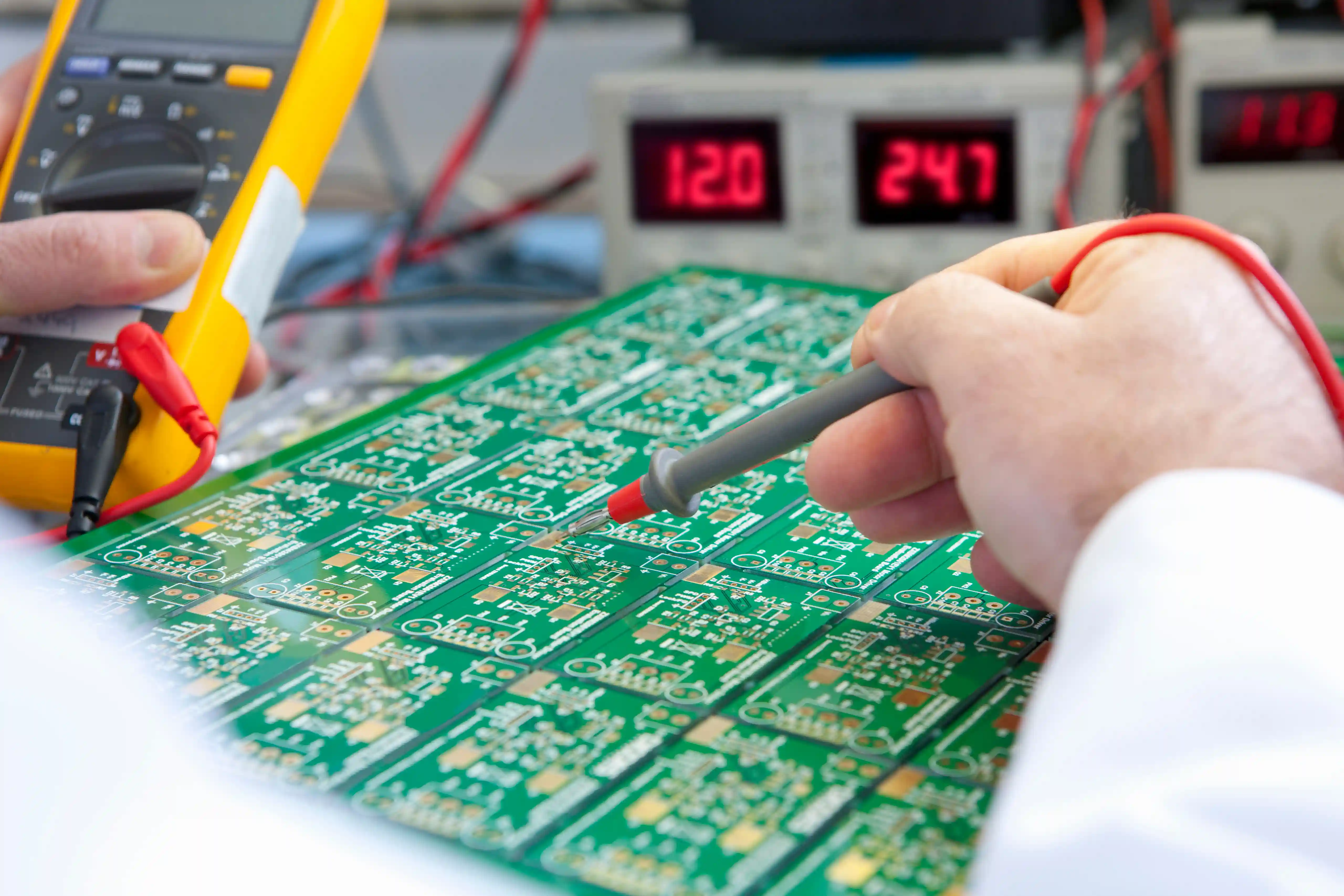
Quality-related costs including inspection, rework, and warranty claims can significantly impact total procurement costs. Manufacturers operating under rigorous quality systems typically deliver lower defect rates that reduce downstream costs. The ability to visit manufacturing facilities, audit processes, and maintain direct communication with production personnel helps identify and resolve quality issues before they create expensive problems.
Intellectual property protection concerns favor domestic manufacturing for sensitive designs. Canadian manufacturers operate under established legal frameworks protecting trade secrets and proprietary designs. On-site audits can verify security practices. These considerations particularly affect defense, medical, and innovative commercial products where design confidentiality has significant business value.
Supply chain resilience has gained prominence following global disruptions that revealed vulnerabilities in extended international supply chains. Maintaining domestic manufacturing relationships provides alternatives when international logistics face disruption. Many companies have rebalanced supply chains to include local capabilities alongside offshore production, improving resilience without entirely eliminating cost optimization through global sourcing.
Market Outlook and Industry Trends
The Canadian PCB industry continues evolving toward higher-value specialized production as commodity manufacturing gravitates toward lower-cost regions. Manufacturers investing in capabilities for medical, aerospace, and advanced technology applications position themselves for sustainable growth. Those attempting to compete on price for standard commercial boards face challenging economics against established Asian production.
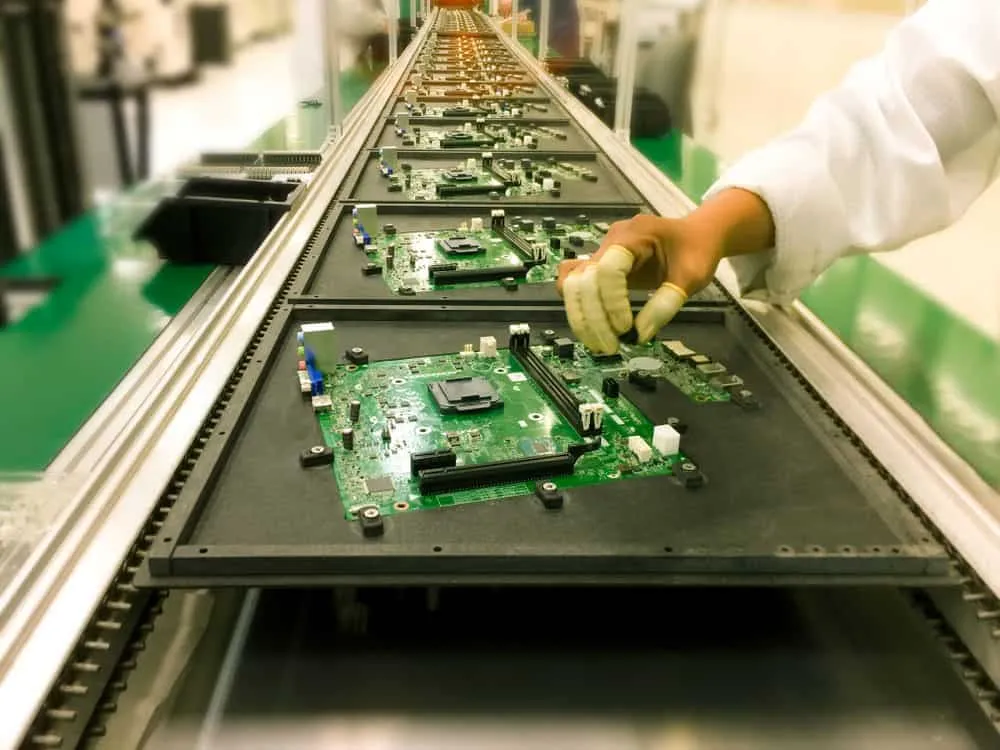
Automation and advanced manufacturing technologies help Canadian producers improve productivity and quality consistency. Automated optical inspection, X-ray inspection for hidden features, and statistical process control systems enable quality levels matching or exceeding offshore alternatives. Investment in these technologies differentiates competitive manufacturers from those relying solely on manual processes.
Turnkey manufacturing models that combine board fabrication, component sourcing, and assembly services provide comprehensive solutions simplifying customer supply chains. This integrated approach reduces the coordination burden on customers while enabling manufacturers to capture more value from each customer relationship. Companies offering complete solutions from design support through finished assemblies compete effectively against lower-cost board-only alternatives.
Environmental sustainability increasingly influences customer purchasing decisions and regulatory requirements. Manufacturers implementing lead-free processes, managing hazardous materials responsibly, and reducing waste position themselves favorably with environmentally conscious customers. Canadian environmental regulations generally exceed requirements in many competing regions, providing baseline compliance advantages for exports to markets with strict environmental standards.
Conclusion
Canada's PCB manufacturing industry provides valuable capabilities for customers requiring domestic production, regulated industry expertise, or the responsiveness that proximity enables. The concentration of manufacturers in Ontario, particularly the Greater Toronto Area, creates a competitive market offering choices across capability levels and price points. Specialized manufacturers across the country serve niche markets including aerospace, medical devices, flexible circuits, and high-frequency applications.
Selecting the right Canadian PCB manufacturer requires matching specific project requirements against manufacturer capabilities, certifications, and business models. Understanding the strengths and limitations of available options enables informed sourcing decisions that optimize quality, cost, and delivery performance. For projects where domestic production provides genuine advantages, Canada's manufacturing base offers capable suppliers across the full range of PCB technologies.
For professional PCB manufacturing and assembly services with comprehensive quality certifications, contact WellPCB for competitive quotes and expert engineering support for your circuit board requirements.
Frequently Asked Questions
What are the largest PCB manufacturers in Canada?
Major Canadian PCB manufacturers and assembly providers include Celestica (Toronto), CCI Canadian Circuits, Bittele Electronics, Circuits Central, Summit Interconnect (Markham), and QualiEco Circuits. These companies serve diverse industries including aerospace, medical devices, telecommunications, and consumer electronics with capabilities ranging from prototype services to production manufacturing.
Where are most PCB manufacturers located in Canada?
Ontario hosts the majority of Canadian PCB manufacturing capacity, with the Greater Toronto Area serving as the primary hub. Toronto, Markham, and surrounding municipalities contain numerous fabrication and assembly facilities. Montreal provides Quebec's manufacturing center with particular strength in aerospace and flexible circuits. Vancouver serves British Columbia's technology sector.
What certifications should Canadian PCB manufacturers have?
Baseline ISO 9001:2015 certification demonstrates quality management system compliance. Medical device applications require ISO 13485 certification. Aerospace and defense work may require documented high-reliability processes, ITAR registration, and Canadian Controlled Goods Program compliance. IPC standards govern specific fabrication and assembly quality requirements.
Are Canadian PCBs more expensive than Asian alternatives?
Canadian PCB manufacturing generally costs more than Asian alternatives due to higher labor rates and smaller production scales. However, total cost analysis including shipping, duties, quality-related expenses, and intellectual property considerations may favor domestic production for certain applications. Prototype quantities and time-sensitive projects often benefit from local manufacturing despite higher unit prices.
What industries do Canadian PCB manufacturers primarily serve?
Canadian PCB manufacturers focus on high-value market segments including medical devices, aerospace and defense, telecommunications, industrial equipment, and automotive electronics. These industries value the quality systems, regulatory compliance capabilities, and supply chain security that domestic manufacturing provides. Lower-value commodity applications typically source from Asian manufacturers offering better pricing.
Related Articles
Continue exploring similar topics
Top PCB Manufacturers in Colorado: Complete 2025 Guide
Discover leading Colorado PCB manufacturers offering quick-turn prototyping, assembly services, and specialized capabilities for aerospace and defense industries.
Top 18 Electronic Assembly Companies in the SMT Industry: 2025 Guide
Comprehensive guide to leading electronic assembly and EMS companies worldwide, covering SMT capabilities, selection criteria, and industry trends.
Top 30 Electronic Manufacturing Services Companies in the World (2025 Update)
Comprehensive guide to the world's top 30 EMS companies. Explore industry leaders, emerging trends, and how to select the right manufacturing partner.
Ready to bring your PCB design to life?
Get an engineer-reviewed quote for your custom PCB fabrication and assembly needs.
Request a Quote