How Do Heatsinks Work?
How do heatsinks work? Electronic devices with CPUs generate heat during operation. And the higher the processing power, the more the heat.
How do heatsinks work?
Electronic devices with CPUs generate heat during operation. And the higher the processing power, the more the heat.
If unchecked, this heat can lead to malfunctioning or permanent processor damage. So it is imperative to employ efficient heat dissipation mechanisms to transfer heat energy away from the heat source.
And one of the most effective mechanisms is a heat sink. These devices hasten heat dissipation to keep the hot components functioning at optimal temperatures. Let’s look at how they work.
What Is a Heat Sink?
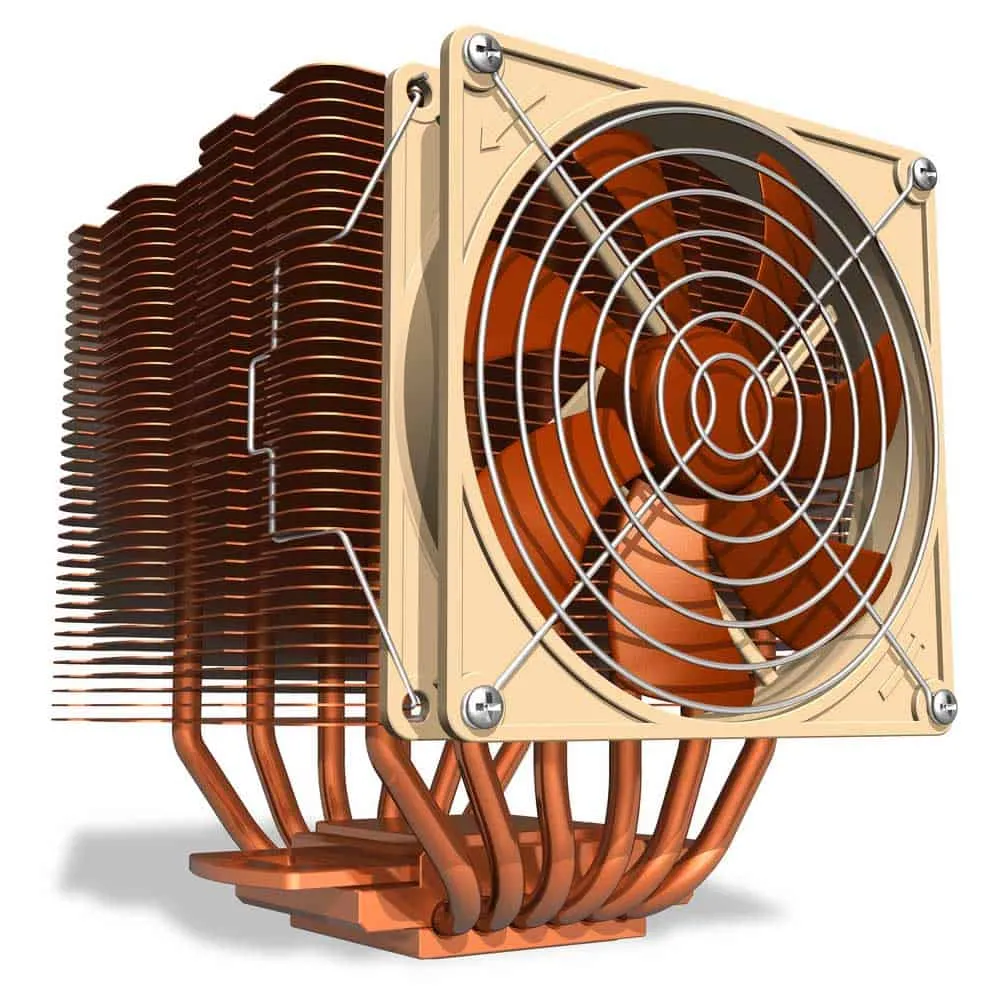
A heat sink is a thermal exchanger that regulates the temperatures in electrical or mechanical devices. The devices are typical in electronics, where they cool computer components like GPUs and microprocessors. And they usually consist of pins or fins to increase the surface area for dissipating heat.
How a Heat Sink Works
Heat sinks are equivalent to vehicle radiators; they transfer heat from heat-generating components to air or liquid coolant. So they primarily operate using convection, with a little bit of radiation.
The convective heat transfer occurs in two ways.
- - Natural convection: Fluid flow occurs due to local density changes. The air or liquid particles near the fins become lighter than the fluid further out, creating some circulation that dissipates the heat.
- Forced convection: Instead of relying on local density changes, forced convection uses a fan or blower to circulate the fluid. This mechanism hastens the cooling process by increasing the heat removal capacity.
The convection process requires an increased surface area to dissipate the heat to the surrounding fluid. So heat sinks must have fins or pins to be effective.
Heat Sink Types
Considering the convection cooling process described above, we have these three heat sink types.
Passive Heat Sinks
Passive heat exchangers rely on natural convection to cool hot components.
So as the hot air around the heat sink rises, cool air moves in from the sides, forming a continuous airflow.
This simple operation mechanism has zero chances of failure because it does not have moving parts.
Also, it cools the system quietly (fans or blowers can be noisy). Lastly, since it does not have moving parts, it eliminates the risk of overheating in case of fan failure.
However, relying on natural convection is ineffective for managing super-hot components.
And most passive heat sinks are sizable to create enough surface area for natural thermal diffusion.
Active Heat Sinks
Active heat sinks rely on forced air generated by a blower or fan to circulate cold air around the fins.
Some sophisticated systems even use water or other coolants to transfer heat away from the components.
This liquid goes through a heat exchanger (radiator) outside the electronic device.
Hybrid Heat Sinks
Most computers utilize this system. You only hear the fan spinning when running heavy applications like games or video/photo editors.
How To Manufacture Heat Sinks
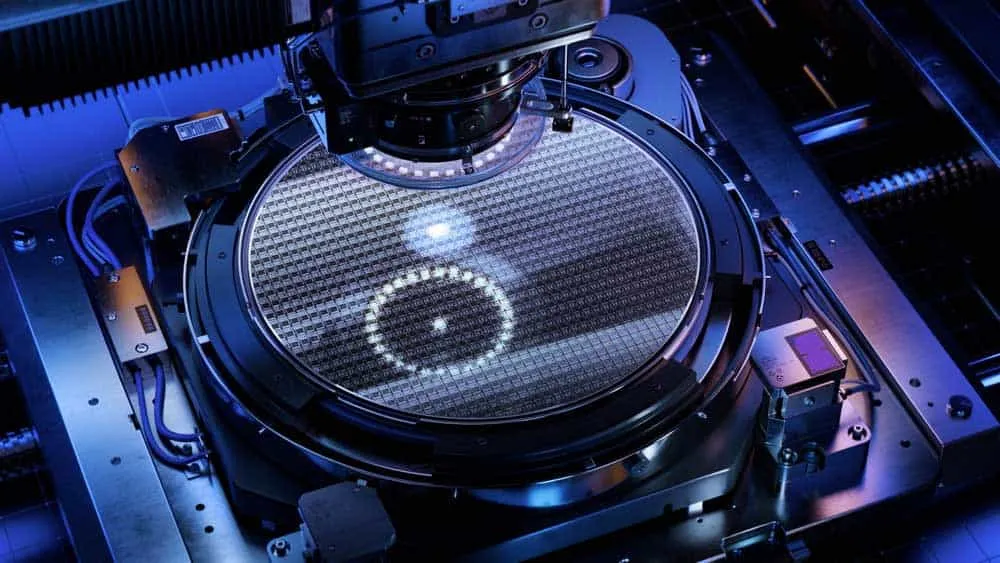
You can make heat sinks using either of these technologies.
Skiving
Also known as scarfing, skiving involves cutting materials into slices. So you can take a metal block and cut one end to form pins or fins.
With skiving, you can cut more closely packed fins with high surface roughness. Such a surface increases the surface area for dissipating heat.
Extrusion
Instead of cutting, extrusion involves forcing a tiny, hot metal block through a steel die.
Milling
Milling also begins with a metal blank. This block goes through subtractive machining, where you can create virtually any heat sink geometry you need.
Although milling is expensive for large-scale production, it is relatively quick.
Casting
Casting involves pouring hot molten metal into a mold. The process takes a lot of time because you must wait for the metal to cool.
But you can create complex heat sinks using pressure die casting. And the metal product formed afterward has superb mechanical properties.
3D Printing
Unlike milling, 3D Printing is an additive manufacturing process that can create intricate heat sink designs. However, it is relatively slow, especially for high-volume production.
Heat Sink Structure Types
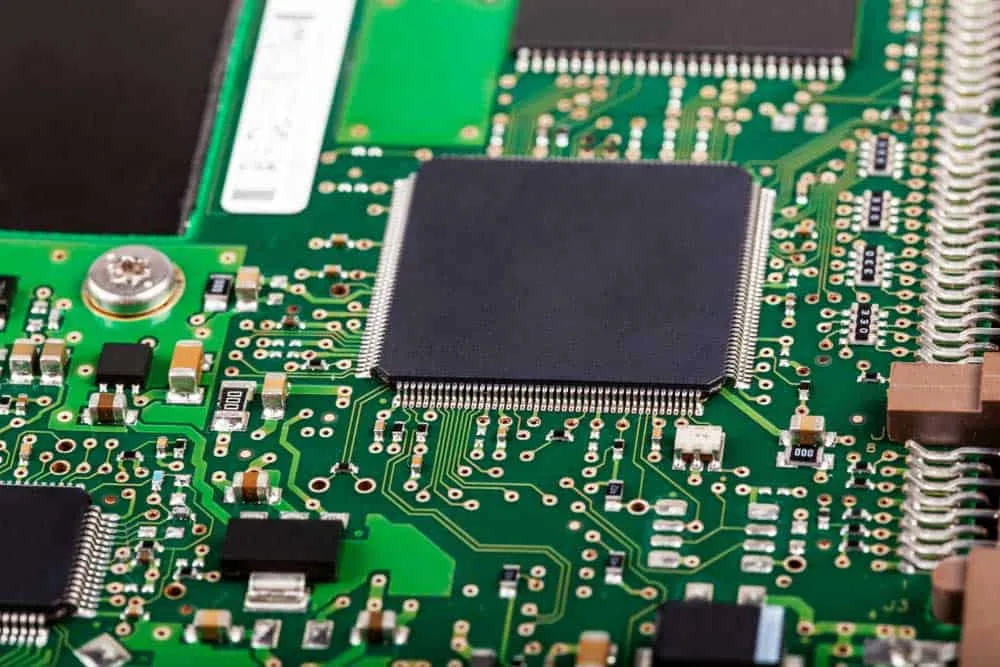
Most heat sinks have a solid base with pins or fins sticking out. So the difference is in these protrusions, which results in these four types.
Pin-Fin Heat Sink
As the name suggests, this heat sink contains rods or pins that extend outward from the core block.
But these pin fins are seldom used because they don’t provide significant heat removal for most applications.
However, they are ideal for multidirectional or random airflow conditions because convection can pull air from any side.
Plate-Fin Heat Sink
Plate heat exchangers are more typical in electronics because they provide the largest surface area for heat removal.
In other words, they are the most efficient. Most have rectangular fins that extend outward from the base.
These plates are ideal for cooling when the airflow is unidirectional.
Flared-Fin Heat Sink
Flared fins are flat plate fin variations that decrease flow resistance, leading to more efficient cooling.
Cold Plates
These heat sinks are more like radiators; they use a coolant medium to transfer the heat to a remote heat exchanger.
This heat exchanger releases the heat to the surrounding environment or secondary cooling system.
These systems are highly efficient, making them ideal for cooling high-thermal devices like:
- - Medical equipment
- High power lasers
- Batteries
- Fuel cells
Heat Sink Materials
The most common materials used to make heat sinks are aluminum and copper.
Aluminum
Aluminum is a light and inexpensive material with a thermal conductivity of around 237W/m-K.
Manufacturers usually use aluminum 1050 over 6060, 6061, and 6063 because it is more thermally conductive.
But the other three have better mechanical properties. So the aluminum used depends on the application.
Copper
Copper is a more thermally conductive material than aluminum (400W/m-K). So it is a better heat sink thermal conductor material.
However, it is more expensive, heavier, and more difficult to form than aluminum.
So copper heat sinks are premium options compared to the aluminum or aluminum alloy types.
Heat Sink Attachment Methods
You can install heat sinks above chips and other hot components using either of the following methods.
- - Epoxy resin (creates a strong irreversible bond)
- Heat conductive tape/thermal tape (suitable for low-mass heat sinks)
- Threaded standoffs (ideal for large heat sinks)
- Wire form Z-clips
- Clips
- Plastic or brass push pins
Factors Affecting Heat Sink Performance
- - Air flow rate (air velocity)
- Material thermal conductivity
- Heat transfer coefficient
- Heat sink surface treatment
- Duct size between the pins/fins
- Heat sink size
- Interface with the chip
- Geometry (type, arrangement, and number of pins/fins)
Wrap Up
As you can see, heat sinks are critical components for devices that generate excessive heat. These include chips, CPUs, integrated circuits, etc.
High temperatures can damage these components if you don’t use heat exchangers, leaving you with expensive repairs.
So you need to pick the most appropriate heatsink assembly for your project.
And if you need help, don’t hesitate to contact us for guidance. We’ll be happy to assist. Explore our PCB assembly services for thermal management solutions.
Related Articles
Continue exploring similar topics
How to Identify Diodes
Learn how to identify diodes by type and polarity. Understand markings, use multimeter testing, and recognize common diode types for your electronic projects.
How to Solder Wires to a Circuit Board
Do you know how to solder wires to a circuit board? It is straightforward, but you must perform it correctly to ensure a perfect electrical connection.
How To Mix Ferric Chloride for Etching
Learn how to mix ferric chloride for PCB etching. Get the right ratios, safety tips, and step-by-step instructions for etching copper-clad boards at home.
Ready to bring your PCB design to life?
Get an engineer-reviewed quote for your custom PCB fabrication and assembly needs.
Request a Quote