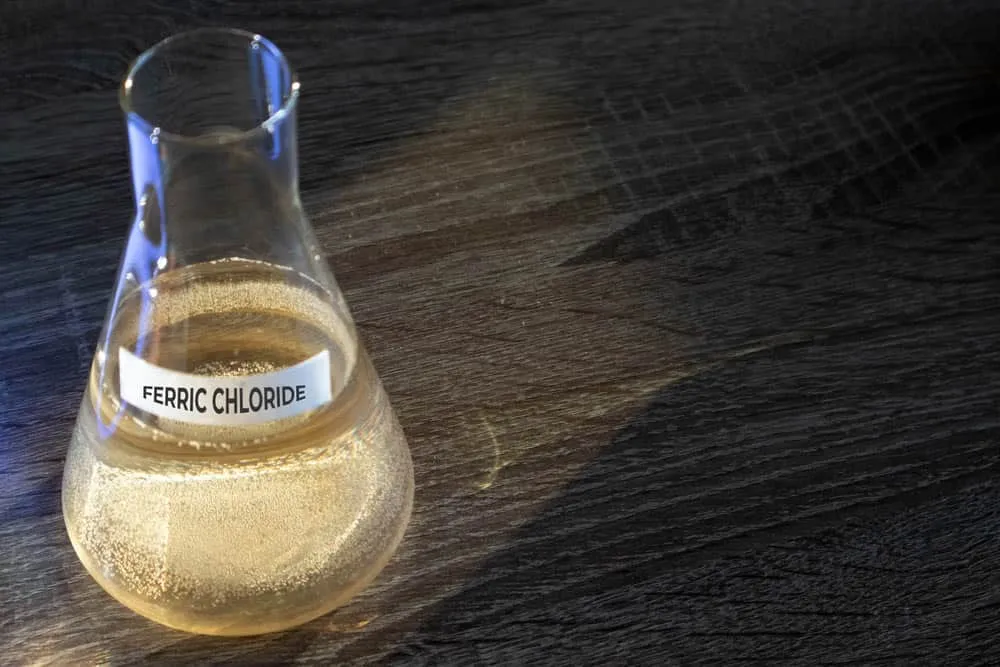
How To Mix Ferric Chloride for Etching
Learn how to mix ferric chloride for PCB etching. Get the right ratios, safety tips, and step-by-step instructions for etching copper-clad boards at home.
This article is about how to mix ferric chloride for etching.
Ferric chloride is the ideal corrosive chemical for etching copper-clad boards when making PCBs at home.
While you can buy the chemical solution ready-made, it is possible to make it cheaply as part of your DIY project. After all, the homemade PCB etching process is all about cutting costs.
So let’s look at how to mix ferric chloride for etching for your project. Read on to learn more!
How To Mix Ferric Chloride for Etching

If you want to begin from scratch, you need the following materials.
- - Iron
- Distilled water
- Hydrochloric acid
- Glass or plastic container
- Safety goggles
- Latex gloves
- Thermometer

For iron, use steel wool, iron nails, or any material containing iron atoms. If unsure, use iron or metal that is rusting.
Metals with chromium or zinc coatings do not rust. And we don’t need these elements.
Also, avoid tap water because it might have other elements or chemicals that can mess up the etching solution formula.
Procedure
First, wear the safety goggles and latex gloves for protection. After that, place about 20 grams of iron in the container, then add about 100ml of water.
Cold water can slow the reaction. So you can use hot water. But remember to place a flask of cold water above the container to minimize evaporative losses from the warm water-iron-acid solution.
When the reaction is complete, you’ll have a ferrous chloride solution, which is not ideal for etching.
This chemical reaction is exothermic, so add the hydrogen peroxide slowly while stirring. And use a thermometer to monitor the process.
If temperatures exceed 60°C, stop adding hydrogen peroxide. Let the solution cool before proceeding.
Although quick, the process can dilute the ferric solution. So you might want to consider the alternative if you have time.
The alternative is to use an aquarium air pump to push air bubbles through the solution.

How To Mix Ferric Chloride Powder For Etching

Purchasing the etching powder is also cheaper than getting the ready-made solution. You’ll need these items to make the solution.
- - Ferric chloride powder
- Distilled water
- Etch-resistant container (glass or plastic)
- Weighing scale
- Latex gloves
- Safety goggles
Procedure

We want to create a solution with 200 grams of ferric chloride per liter.
So you can adjust the weight of the powder depending on the etching solution quantity (liters) you need for your project.
Pour the weighted powder slowly into the warm water to prevent splashing, then stir the mix until all the powder dissolves.
How To Mix Ferric Chloride for Etching: Concentrated Ferric Chloride Dilution
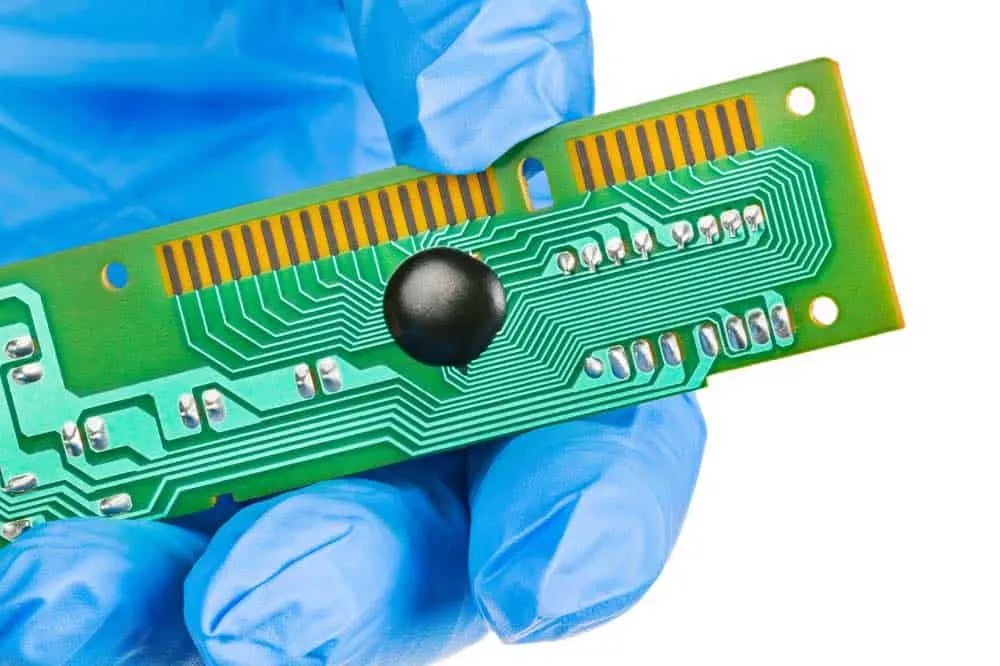
If you have several projects that require etching, you can also buy a concentrated ferric chloride solution, such as a 40% acid.
Whenever you need to etch, dilute the liquid using these steps. But first, here’s what you need.
- - Concentrated ferric chloride solution
- Glass or plastic container
- Distilled water
Procedure
Determine the concentration level you need for the etching project. For instance, if you have a 40% ferric chloride solution and need to lower it to 20%, pour an equivalent amount of water and acid into the bowl.
To create a liter of acid, pour 500 ml of distilled water into the container, followed by 500 ml of the concentrated ferric chloride etching solution.
Pour the acid slowly to avoid splashing, which can cause reactions with nearby surfaces and release toxic fumes. Stir the mix until the solution dissolves completely.
Why Use Ferric Chloride


And since the chemical is mild, it causes minimal skin damage if exposed and does not emit toxic vapors.
But it takes a lot of time to etch, and you need to shake the copper-clad laminate when inside the solution. Shaking is necessary to shake off the crystal sediments that form on the surface.
And we still recommend wearing protective clothing even if the acid is mild.
How To Store Ferric Chloride
A ferric chloride solution does not have a long shelf life, so storing it in powder form is better. But if already in liquid form, keep it in a sealed bottle in a dark room. And ensure it is out of the reach of children.
[How To Dispose of Ferric Chloride Solutions](https://pcbinsider.com/how-to-dispose-of-ferric-chloride) After Use
Although the corrosive salts react with the metal and get used, the solution remains toxic and harmful after etching. So the first step in disposing of it is to neutralize the reactive ions. Use these steps for this process.
- Add a base to the solution to neutralize the acid. Sodium hydroxide or sodium carbonate will do. Test the pH while adding this base and stop when it is between 7 and 8. You will know the solution is neutral when the reaction stops. But it can take hours if the concentration is low.
- - The etched copper from the copper-clad laminate will drop to the bottom of the container after neutralization.
- Pour the solution above the sludge into another container, then dilute it with water before pouring it into the drain. But if your local authorities don’t allow this disposal, follow the set guidelines. Most city councils have hazardous waste collection centers where you can drop the liquid while packaged in plastic containers. Or you can organize a pick-up.
- Collect the copper sludge in disposable plastic bags, then take it to your local hazardous waste collection center.
Wrap Up
The common denominator among these ferric chloride mixing processes is the use of safety equipment.
Always handle the chemicals using gloves and goggles. And use distilled water to mix the solution due to its purity.
We hope this article has been insightful. Contact us if you need more information or guidance about the mixing process. For professional PCB etching, check out our PCB manufacturing services.
Related Articles
Continue exploring similar topics

How to Identify Diodes
Learn how to identify diodes by type and polarity. Understand markings, use multimeter testing, and recognize common diode types for your electronic projects.
How to Solder Wires to a Circuit Board
Do you know how to solder wires to a circuit board? It is straightforward, but you must perform it correctly to ensure a perfect electrical connection.

How To Trace a Circuit: Best Methods
We'll look at how to trace a circuit in electronic devices and buildings using a multimeter and circuit tracer.
Ready to bring your PCB design to life?
Get an engineer-reviewed quote for your custom PCB fabrication and assembly needs.
Request a Quote