
What is a Copper-Clad Board?
What is a copper-clad board? PCB manufacturers are under constant pressure from device makers to develop circuit boards that can withstand all conditions.
What is a copper-clad board? PCB manufacturers are under constant pressure from device makers to develop circuit boards that can withstand all conditions.
One of their most cardinal concern is finding the balance between mechanical properties like excellent heat dissipation, lightweight, and outstanding electrical performance.
But copper-clad laminates have proven to be one of the revelations to this industry as they excellently tick all the above conditions.
We’ll discuss its features in detail while expounding other critical insights on copper PCB. Take a look.
What is a Copper Clad Laminate

It is a thin copper layer covering one or both faces of a PCB substrate.
The copper layer is an excellent additive, especially in the industrial fabrication of the core material in multilayer board assembly.
In the presence of this core, the PCB is strong enough to incorporate other additional layers.
The popularity of copper as the base material in boards is because of its excellent features, such as curtailing jamming in circuits and lowering the boards’ impedance.
Moreover, the laminate guarantees top performance of the circuit board in high-frequency applications while also making the device portable as its lightweight.
Lastly, we also regard circuit boards comprising pure copper as copper-clad boards, although others refer to them as raw boards.
Types and Classification of Materials for Copper Clad Boards
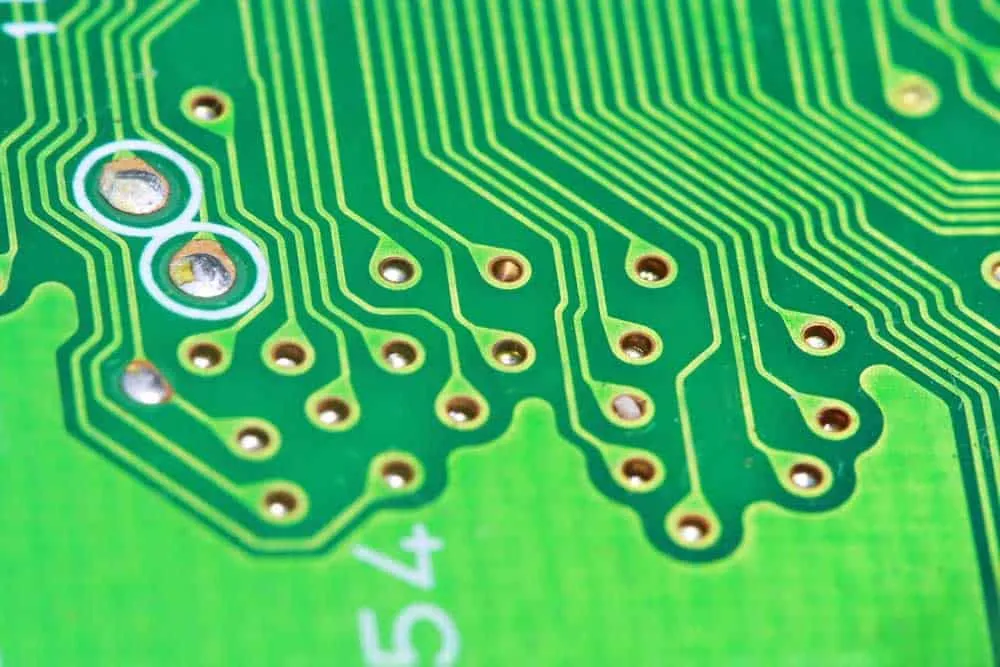
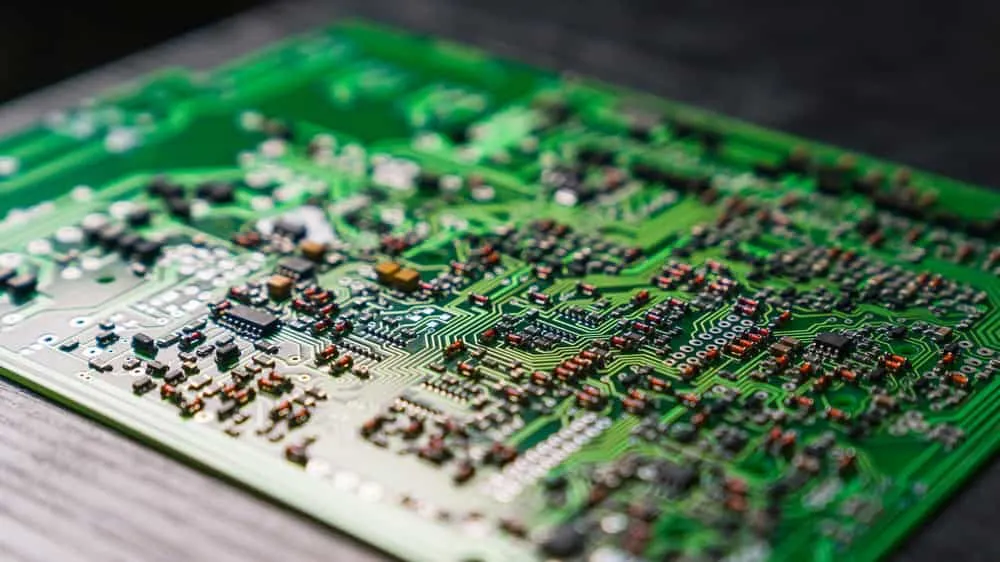
The table below provides the different categories of copper-clad laminate boards and the different materials used in the assembly.
| Primary Classification | Types of Copper Clad Laminate (CCL) | Examples | Reinforcing material/insulation material | Glass fiber cloth-based CCLs | FR-5 and FR-4 | Paper-based CCLs | XPC | Special material base CCLs | Ceramic base copper, Metal core base CCL | Compound CCLs | CEM-1, CEM-3 (Composite Epoxy Material Grade-3) | Applied Insulation Resin | Polyester resin | | Phenolic resin | FR-1, FR-2, XPC, XXXPC | Epoxy resin | FR-3 | Performance Classification | General Performance Copper Clad Laminate | | High heat resistance copper-clad laminate. | | Low Coefficient of thermal expansion copper clad laminate | | Low dielectric constant CCL | | Mechanical Strength Classification | Rigid copper-clad laminate | CEM-1 and FR-4 | Flexible Copper Clad Laminate | FPC and FCCL | Thickness Classification (Note that this doesn’t entail copper thickness.) | Thin Copper Clad Laminate | It measures 0.5mm and below in thickness. | Standard Thickness CCL | Thickness above 0.5mm.
Advantages of Copper Clad Laminates

- - It guarantees a low electrical impedance of the PCB, thus eliminating the need to use circuit capacitors to modify impedance levels. It is critical to improving its performance.
- Secondly, heat accumulation is not an issue with this laminate since it uses copper, which is renowned for its excellent thermal and electrical conductivity. It also has impressive signal transmission of electrical signals.
- Thirdly, copper-clad laminate is versatile in its applications. It all depends on the PCB layout of the manufacturer, and it can be fit even for use in multilayer boards.
- Also, it is seamless to install electronic components on a CCL board. The board is also affordable, making it ideal for DIY hobbyist projects.
- Finally, it is arguably the best finish type of circuit board material as it guarantees the top-notch quality of the PCB surface.
Features of the Best Copper Clad PCB

So what are some of the best properties of a CCL that make it outstanding over other laminate materials?
Appearance
The best PCB laminate is a material that is perfect from the outside, and with CCL, you can quickly tell when there’s an issue with the coating.
It shouldn’t have any resin materials, and the manufacturer should be conscientious about avoiding introducing dents and scratches on the circuit board surface.
So why does the appearance matter?
It will not have the exquisite responsiveness necessary for a PCB if it features imperfections, especially if used in highly demanding applications such as military equipment.
Size
Is the diagonal deviation of the CCL PCB as per the standard specifications, or is it uneven?
It is also one of the parameters that should be perfect for optimal circuit board performance. Otherwise, it’ll not yield the responsiveness that it ought to provide.
Electrical Conductivity
Another key bare minimum for copper-clad laminate boards is that they must exhibit flawless electrical performance.
So when checking if your PCB meets the necessary electrical requirements, you need to test for parameters such as the dissipation factor, as it’s essential for excellent performance.
Moreover, volume resistance is a feature that is key in ensuring great electrical performance.
Chemical Performance
Can your PCB withstand chemical reagent attacks, or will an attack significantly damage its conductivity and performance?
It should be among your core considerations when choosing the best-performing CCL boards.
For circuit boards operating in heat-intensive or rugged environments, you need to check their tolerance levels to flammability.
Physical and Environmental Performance
How efficient is the PCB when exposed to forces that compel it to bend or excessive heat?
The best PCBs should perform excellently in these respects.
Also, a high-quality CCL PCB should be adaptable to all working environments without a dip in performance and dependability.
Applications of Copper Clad Laminates

Here are some of the most common industrial uses of copper-clad laminates.
- - They are highly regarded by manufacturers in aerospace and military-ware electronic equipment assembly primarily because they are made to withstand harsh conditions.
- CCL boards barely break down, and this feature makes them a perfect fit for the manufacture of medical equipment such as pacemakers. Reliability in such equipment is significant as they serve cardinal roles in treatment.
- The electrical conductivities of CCL boards also translate to excellent signal transmission, which explains why they are popular in the telecommunications industry. They can also withstand harsh weather and operate optimally in masts and outdoor satellites.
- Also, they are among the best material for manufacturing power and consumer electronics. It is primarily because of their top-notch thermal stability and low cost.
- Finally, they are useful in PCB creation. It makes them the basis of all electronic parts, as the circuit board is the core component in an assembly.
Using a Copper Clad Laminate for a PCB


- - It starts with the circuit design, which involves designing the circuit and planning the necessary parts and nodes.
- Next, the manufacturer creates a board layout as a Gerber file after the design.
- The final stage involves imposing the design onto a copper plate via copper etching. Now you have a final circuit, and what remains is component placement.
New Trend of CCL
Electronic wastes are rising, and control agencies such as the Restriction of Hazardous Substances (RoHS) have encouraged manufacturers to opt for safer practices.
Below are the latest trends in the CCLs industry.
- - We now have CCLs without lead solder, as the material is a pollutant. They also don’t have materials such as Polybrominated diphenyl ethers (PBDEs) and polybrominated biphenyls (PBBs).
- Also, manufacturers no longer create halogen PCBs but instead opt for alternatives such as FR-4 CCLs, which are better in bending and peel strength.
Summary
We have elaborated on the features of copper-clad laminates, and we hope that you understand everything about their features and applications.
For more on different laminate materials, check out other articles on our site where we have explicitly elaborated on PCBs.
Thanks for your time, and we wish you all the best in your DIY hobbyist PCB project. Check out our PCB manufacturing services for professional board production.
Related Articles
Continue exploring similar topics
PCB Assembly Machine
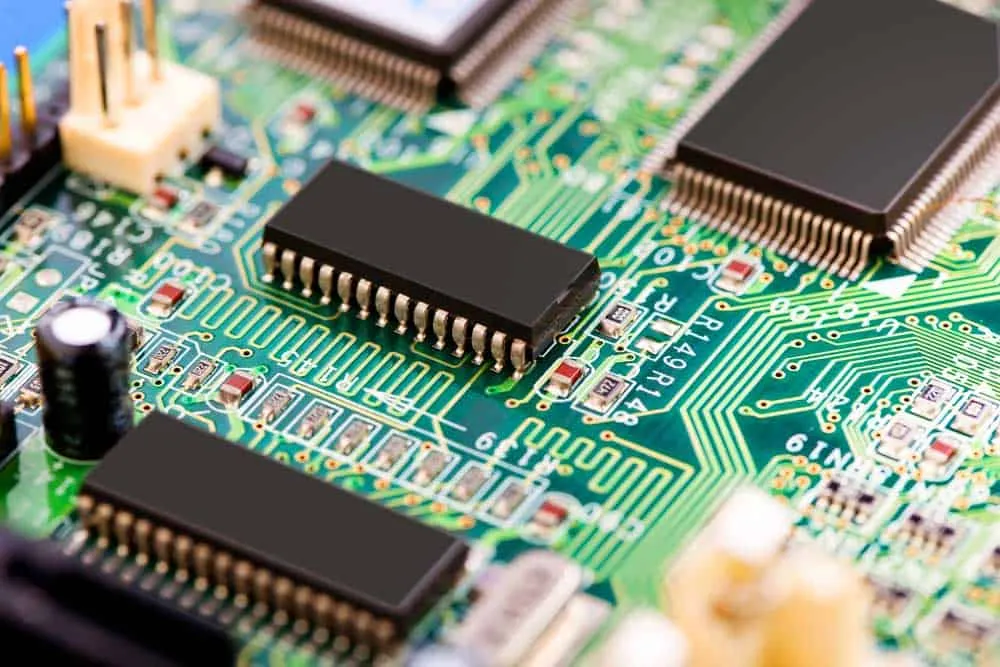
So assemblers need high-tech PCB assembly machine to mount and weld components on the board to make the circuit function as required.
What Is First Article Inspection?
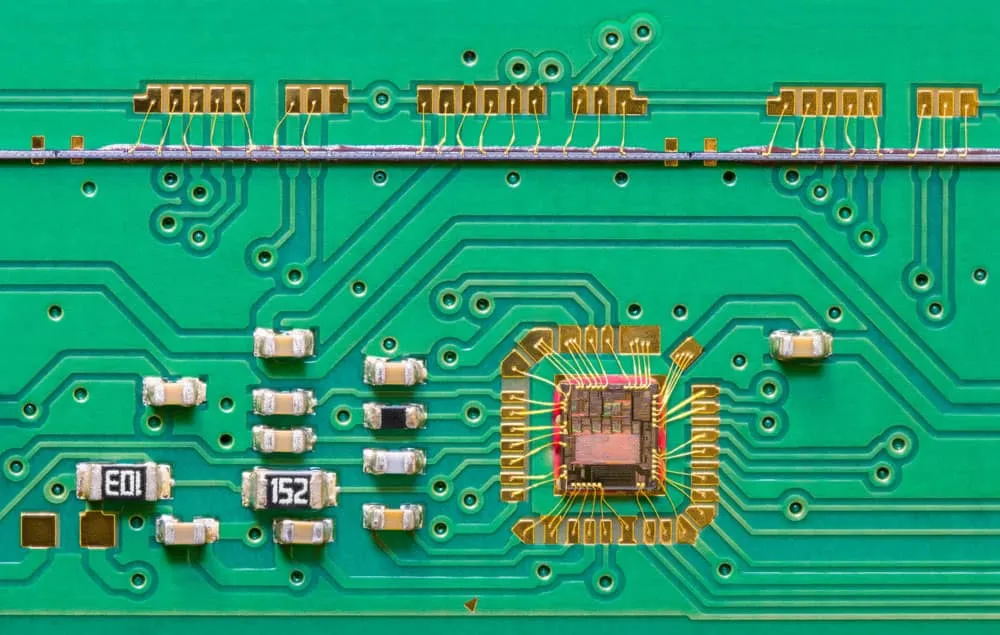
What is a first article inspection?
What is CNC Technology? Industrial Guide
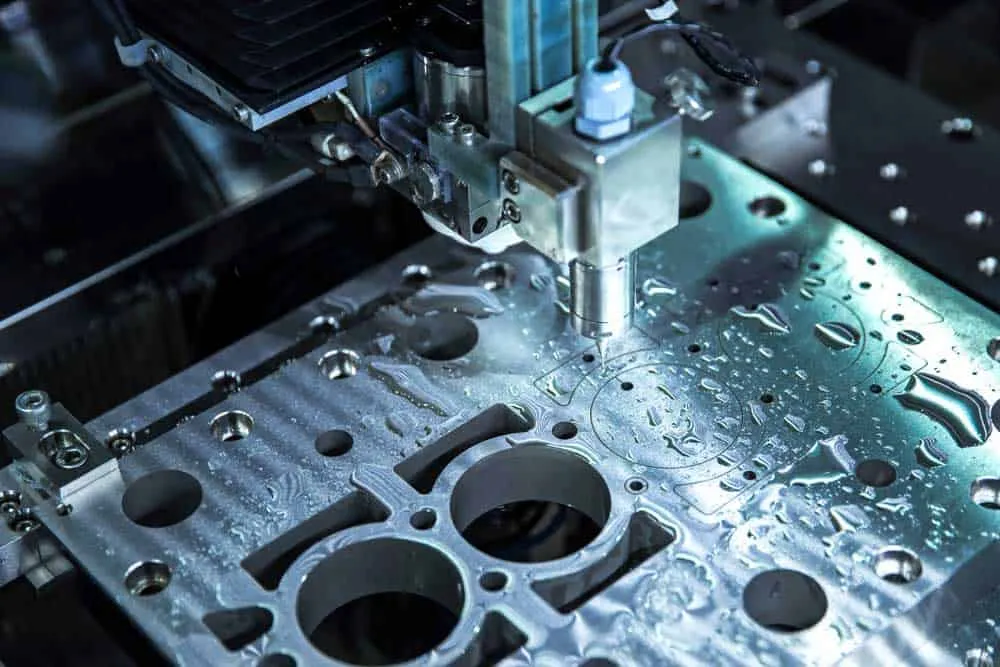
Discover what CNC technology is and how computer numerical control revolutionizes manufacturing. Learn about CNC machining applications in electronics assembly and PCB production.
Ready to bring your PCB design to life?
Get an engineer-reviewed quote for your custom PCB fabrication and assembly needs.
Request a Quote