Top 18 EMS Contract Manufacturing Companies in 2025: Industry Leaders Guide
Discover the world's leading EMS contract manufacturing companies in 2025. Comprehensive guide covering capabilities, services, and selection criteria.
The electronics manufacturing services industry has evolved into a $504 billion global market, with projections reaching $707 billion by 2030. OEMs across diverse sectors increasingly rely on specialized contract manufacturers to handle production, testing, and supply chain management. This comprehensive guide profiles the leading EMS companies shaping the industry in 2025 and provides insights for selecting the right manufacturing partner.
What is EMS Contract Manufacturing?
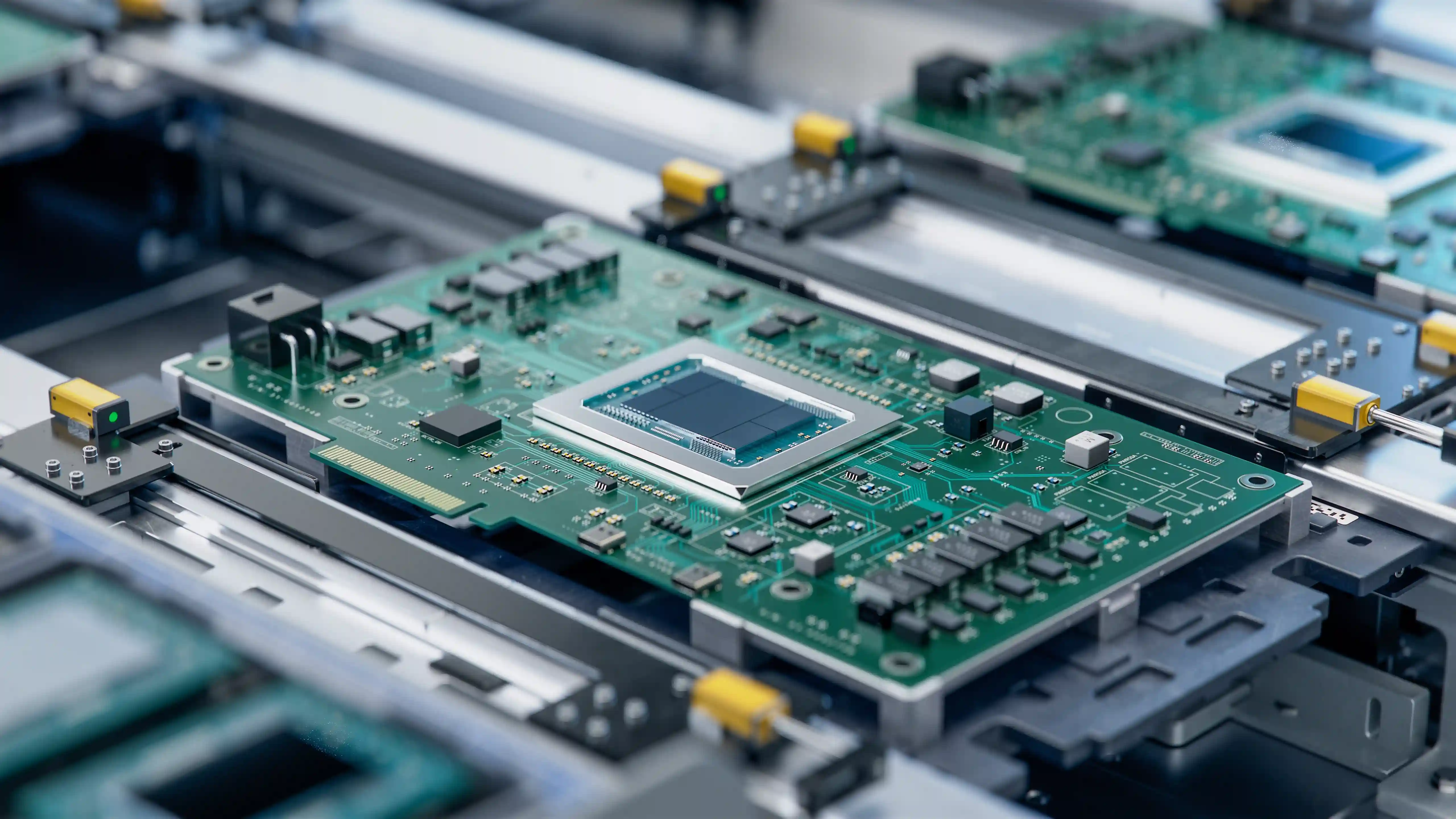
EMS contract manufacturing involves outsourcing electronic product production to specialized third-party companies. These partners handle everything from PCB fabrication and component procurement to final assembly, testing, and distribution. The model allows original equipment manufacturers to focus on product development and market strategy while leveraging manufacturing expertise developed through serving multiple customers across various industries.
The EMS business model delivers value through economies of scale, specialized equipment investments, and accumulated process knowledge. Contract manufacturers spread fixed costs across numerous customer programs, achieving efficiency levels impossible for individual OEMs to match. This approach accelerates time-to-market while reducing capital requirements and operational risks associated with in-house production.
Core Services Offered by EMS Providers
Leading EMS companies deliver comprehensive capabilities extending far beyond basic assembly operations. Services typically include design for manufacturability analysis, component sourcing and supply chain management, surface mount and through-hole assembly, comprehensive testing and inspection, system integration and box build, and aftermarket support including repair and warranty services.
Advanced EMS partners also provide engineering support spanning schematic design, PCB layout, mechanical engineering, and firmware development. This full-service approach enables OEMs to outsource complete product programs while maintaining control over intellectual property and customer relationships. The partnership model has proven particularly valuable for companies entering new markets or scaling rapidly.
Leading EMS Companies in 2025
1. WellPCB
WellPCB stands out as a premier ISO-certified EMS provider delivering comprehensive manufacturing solutions. The company specializes in complex electronics serving automotive, industrial, medical, and semiconductor markets. With IATF 16949 certification, WellPCB excels at high-mix production requiring precision and reliability.
Key Capabilities: PCB fabrication, SMT assembly, through-hole assembly, test development, box build, global fulfillment
Industries Served: Automotive, industrial, medical, semiconductor
2. Flex Ltd.
Operating across 30 countries with approximately 200,000 employees, Flex ranks among the world's largest contract manufacturers. The company provides end-to-end services from prototype development through high-volume production and aftermarket support. Their global footprint enables localized manufacturing while maintaining consistent quality standards worldwide.
Key Capabilities: Prototyping, systems integration, logistics, aftermarket repair
Industries Served: Automotive, aerospace/defense, networking, medical, industrial
Annual Revenue: $25 billion
3. Jabil Inc.
This Fortune 500 company serves major OEMs worldwide with comprehensive manufacturing capabilities. Jabil's expertise spans PCB assembly, precision machining, system integration, and complete supply chain management. The company has made significant investments in AI-powered manufacturing for data center infrastructure.
Key Capabilities: PCB assembly, test development, additive manufacturing, product design
Industries Served: Automotive, 5G telecom, cloud computing, healthcare
Annual Revenue: $29.3 billion
4. Benchmark Electronics
Benchmark delivers integrated design, engineering, and manufacturing services supporting prototype through high-volume production. The company leverages advanced technologies including IoT integration, AR/VR applications, and additive manufacturing to optimize customer solutions.
Key Capabilities: Engineering services, precision technology, supply chain management
Industries Served: Aerospace/defense, medical technologies, complex industrials
Annual Revenue: $2.3 billion
5. Sanmina Corporation
Sanmina provides complete manufacturing solutions encompassing electronic engineering, PCB fabrication, enclosure machining, systems integration, and global fulfillment. Their AI-powered operations have positioned them as a leader in high-value manufacturing for demanding applications.
Key Capabilities: Engineering, PCB fabrication, test development, repair services
Industries Served: Industrial, automotive, communications, medical, defense
Annual Revenue: $6.7 billion
6. Plexus Corp
Plexus specializes in product realization solutions for regulated industries requiring rigorous quality systems. Their comprehensive approach encompasses engineering, test development, manufacturing, supply chain management, and logistics.
Key Capabilities: Product design, PCB assembly, cable assemblies, full product realization
Industries Served: Healthcare/life sciences, industrial equipment, communications, defense
Annual Revenue: $3.5 billion
7. Celestica Inc.
Celestica delivers end-to-end product lifecycle solutions spanning design, manufacturing, testing, distribution, and aftermarket services. The company caters to OEMs requiring sophisticated hardware platform solutions and engineering expertise.
Key Capabilities: Hardware platform solutions, engineering services, system integration
Industries Served: Aerospace/defense, industrials, healthtech, semiconductor
Annual Revenue: $5.9 billion
8. Compal Electronics
As the world's largest notebook computer manufacturer, Compal extends expertise into diverse electronics manufacturing including automotive, AI/IoT, 5G telecommunications, and AR/VR applications. Their joint design manufacturing model enables deep collaboration with customers.
Key Capabilities: Joint design manufacturing, product miniaturization, automated production
Industries Served: Notebooks, automotive, AIoT, AR/VR
Annual Revenue: $67 billion
9. Pegatron Corporation
Pegatron designs, manufactures, and integrates products across computing, communications, and consumer electronics segments. Specialized capabilities include case tooling, plastic injection molding, system assembly, and component production.
Key Capabilities: Case tooling, system assembly, plastic injection molding
Industries Served: Computing, networking, smart home, gaming, IoT
Annual Revenue: $40 billion
10. Quanta Computer
Quanta leads in notebook design and ODM services while providing comprehensive manufacturing from product concept through logistics management. Their expertise serves global customers in data center, 5G infrastructure, automotive electronics, and medical industries.
Key Capabilities: ICT hardware design, device integration, automated production
Industries Served: Data center, 5G infrastructure, automotive electronics, medical
Annual Revenue: $42 billion
11. Creation Technologies
Creation provides complete electronics product design and manufacturing services including rapid prototyping, PCB assembly, systems build, and aftermarket support. North American facilities support customers requiring regional manufacturing.
Key Capabilities: Prototyping, PCB assembly, system integration, repair services
Industries Served: Industrial equipment, telecom, medical devices, clean tech, IoT
Annual Revenue: $1 billion
12. USI (Universal Scientific Industrial)
USI provides mechanical and electronic design manufacturing across computing, communications, automotive electronics, automation, and biotechnology. Capabilities span supply chain management through precision molding and system integration.
Key Capabilities: Joint design manufacturing, automation, tooling
Industries Served: Automotive, cloud, 5G infrastructure
Annual Revenue: $9 billion
13. Zollner Elektronik Group
Zollner provides full system design-to-manufacturing services spanning concept development, engineering, prototyping, testing, system integration, and box-build assembly. European manufacturing capabilities serve customers requiring regional production.
Key Capabilities: Electronic engineering, PCB layout, test engineering, manufacturing execution
Industries Served: Industrial electronics, automotive, telecom, aviation, medical
Annual Revenue: $1.3 billion
14. Key Tronic Corporation
Key Tronic specializes in electronic product manufacturing, integration, and fulfillment. Comprehensive capabilities include PCB assemblies, cable assemblies, precision molding, tooling design, and complete system integration.
Key Capabilities: PCB assembly, cable harness assembly, precision molded parts, system build
Industries Served: Industrial, aerospace, healthcare, automotive
Annual Revenue: $449 million
15. VTech EMS
VTech EMS provides end-to-end contract manufacturing from product design through logistics. Vertical integration of key components including batteries and LCDs enables optimized solutions for high-volume applications.
Key Capabilities: Vertical integration, automated production, plastic injection molding
Industries Served: Automotive, industrial equipment, smartphones
Annual Revenue: $2 billion
16. Enics AG
Enics provides full product life-cycle engineering and manufacturing services. Expertise covers industrial design, PCB fabrication, automation, test system design, and supply chain optimization.
Key Capabilities: Electronics manufacturing, test development, automation
Industries Served: Automotive, industrial, aerospace, healthcare
Annual Revenue: $500 million
17. New Kinpo Group
New Kinpo Group delivers end-to-end manufacturing from product concept through volume production and field services. Vertical manufacturing capabilities serve ICT, automotive, healthcare, IoT, and automation industries.
Key Capabilities: ICT hardware design, precision manufacturing, aftersales support
Industries Served: ICT, automotive, medical devices
Annual Revenue: $7.5 billion
18. Welles Enterprises
Welles specializes in full turnkey design, engineering, and electronics manufacturing for OEMs in industrial, medical, transportation, military, and aviation segments. North American manufacturing serves customers requiring domestic production.
Key Capabilities: PCB design, test development, NPI builds, cable assembly
Industries Served: Industrial equipment, medical, military/avionics
Annual Revenue: $230 million
How to Select the Right EMS Partner
Choosing an EMS provider requires careful evaluation across multiple dimensions. Industry experience matters significantly because manufacturers serving your market understand regulatory requirements, quality expectations, and design constraints. Technical capabilities must align with specific product requirements including component technologies, board complexity, and production volumes.
Certifications demonstrate compliance with industry standards. Look for ISO 9001 as a baseline, with specialized certifications like ISO 13485 for medical devices or IATF 16949 for automotive applications, plus documented aerospace quality controls when applicable. IPC workmanship standards ensure consistent assembly quality.
Supply chain capabilities increasingly differentiate EMS partners. Strong procurement, approved vendor programs, and supply risk management protect programs from disruptions. Evaluate inventory management practices, demand planning approaches, and obsolescence mitigation strategies.
Cultural fit and communication effectiveness often determine partnership success. Response times, transparency during challenges, and collaborative problem-solving approaches significantly impact working relationships. Consider geographic proximity, time zone alignment, and language capabilities.
Financial stability ensures partnership continuity over product lifecycles. Evaluate provider financial health, customer diversification, and investment in capabilities. Manufacturing relationships require stable partners capable of supporting long-term programs.
Benefits of EMS Outsourcing
Outsourcing to EMS providers delivers multiple advantages for OEMs. Cost reduction through economies of scale can lower labor and infrastructure expenses by up to 50% compared to in-house production. Component purchasing power and material management expertise further optimize total costs.
Faster time-to-market results from established production capabilities and experienced teams ready to support new programs. Infrastructure already exists, processes are qualified, and specialized knowledge accelerates launches. Rapid prototyping enables quick design iteration during development.
Technology access expands through EMS partnerships. Contract manufacturers invest in advanced equipment and develop expertise serving diverse customers. This accumulated knowledge transfers to customer programs without requiring independent capability development.
Scalability and flexibility enable response to market demand fluctuations without fixed cost penalties. EMS providers balance capacity across programs, absorbing volume variations challenging for dedicated facilities. Product mix changes require minimal infrastructure adjustment.
Focus on core competencies improves when manufacturing complexity shifts to specialized partners. Engineering resources concentrate on innovation while management attention addresses market opportunities rather than production challenges.
Industry Trends Shaping EMS in 2025
Automation and Industry 4.0 technologies continue transforming manufacturing operations. Robotics, artificial intelligence, and machine learning optimize production processes while improving quality consistency. Connected equipment provides real-time visibility and predictive maintenance capabilities.
Sustainability has become a priority for EMS operations. Energy efficiency, waste reduction, and sustainable materials address regulatory requirements and customer preferences. Circular economy approaches extend product lifecycles through repair and refurbishment programs.
Supply chain resilience has gained emphasis following recent disruptions. Geographic diversification, increased inventory buffers, and alternative source development improve continuity. Digital tools enhance visibility and enable faster response to supply challenges.
Emerging applications including AI data center infrastructure, electric vehicles, 5G equipment, and edge computing systems create new manufacturing requirements. EMS providers developing capabilities for these growth segments position themselves for market expansion.
Summary
The EMS contract manufacturing industry provides essential services enabling OEMs to leverage specialized capabilities while focusing on core business activities. Leading providers deliver comprehensive solutions from design support through aftermarket services. Selecting the right partner requires evaluating industry experience, technical capabilities, certifications, supply chain strength, and cultural fit. As the industry evolves toward greater automation, sustainability, and supply chain resilience, EMS partnerships will remain critical for companies seeking competitive manufacturing solutions.
For comprehensive electronics manufacturing services, contact WellPCB for a quote on your EMS requirements.
Frequently Asked Questions
What is the difference between EMS and ODM?
EMS (Electronics Manufacturing Services) companies manufacture products designed by their customers, maintaining customer control over intellectual property. ODM (Original Design Manufacturer) companies design and manufacture products that customers sell under their own brands. The choice depends on whether you need manufacturing services for your design or complete turnkey product solutions.
Which industries benefit most from EMS partnerships?
Industries with complex electronics, regulatory requirements, or volume fluctuations benefit significantly from EMS relationships. Medical devices, aerospace/defense, automotive, telecommunications, and industrial equipment commonly leverage EMS capabilities. Consumer electronics companies also rely heavily on contract manufacturing for cost-competitive high-volume production.
How do I evaluate EMS provider capabilities?
Evaluate capabilities based on relevant certifications, technical equipment matching your product requirements, industry experience similar to your applications, supply chain strength, and facility audits. Request references from comparable customers and assess financial stability for long-term partnership viability.
What should be included in an EMS contract?
Comprehensive EMS contracts address pricing structures, quality requirements, intellectual property protection, capacity commitments, lead times, liability provisions, and termination conditions. Clear specifications prevent misunderstandings while flexible provisions accommodate program changes.
Related Articles
Continue exploring similar topics
Top PCB Manufacturers in Canada 2025: Complete Industry Guide
Comprehensive guide to PCB manufacturers in Canada including Toronto, Ontario, and Quebec. Learn about leading Canadian circuit board companies serving medical, aerospace, and IoT industries.
Top PCB Manufacturers in Colorado: Complete 2025 Guide
Discover leading Colorado PCB manufacturers offering quick-turn prototyping, assembly services, and specialized capabilities for aerospace and defense industries.
Top 18 Electronic Assembly Companies in the SMT Industry: 2025 Guide
Comprehensive guide to leading electronic assembly and EMS companies worldwide, covering SMT capabilities, selection criteria, and industry trends.
Ready to bring your PCB design to life?
Get an engineer-reviewed quote for your custom PCB fabrication and assembly needs.
Request a Quote