
What Is NPI? New Product Introduction
What is NPI (New Product Introduction)? When you have a product idea and want to develop it for the market, you must follow some steps to ensure success.
What is NPI (New Product Introduction)?
When you have a product idea and want to develop it for the market, you must follow some steps to ensure success.
The new product introduction process can be daunting but usually varies depending on the organization. So what are the NPI steps? Let’s find out!
What Is NPI?
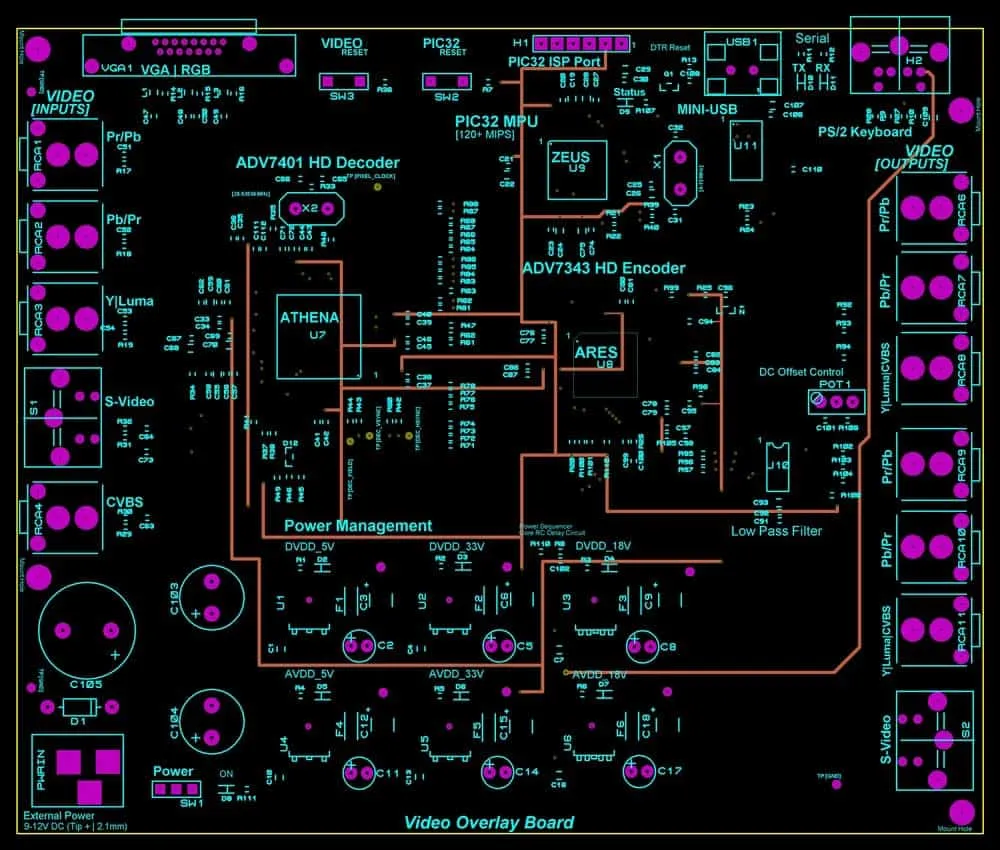
Usually, a cross-functional team manages this program, with approval gates controlling the different NPI phases. These gates ensure the project phase meets specific criteria before advancing to the next stage.
NPI Steps
Although NPI programs can vary depending on the organization, they usually have these six phases with five approval gates.
Idea Definition
- - Product functionality definition: List the product or service’s performance abilities for product definition
- Design specification support: Use internal design and engineering teams for technical consultation
- Material specifications: Get material specifications based on the design and engineering specifications
- Risk assessment: Analyze the industry-specific and manufacturing risks
Product Feasibility Study
This phase usually involves upper-level management to help assess the new product’s potential for success.
Also known as concept development or scoping, this process relies heavily on the customer’s needs because you should answer questions like:
- - Do people want or need the product/service?
- Can we make money from the product/service?
- Can we develop the product or service?
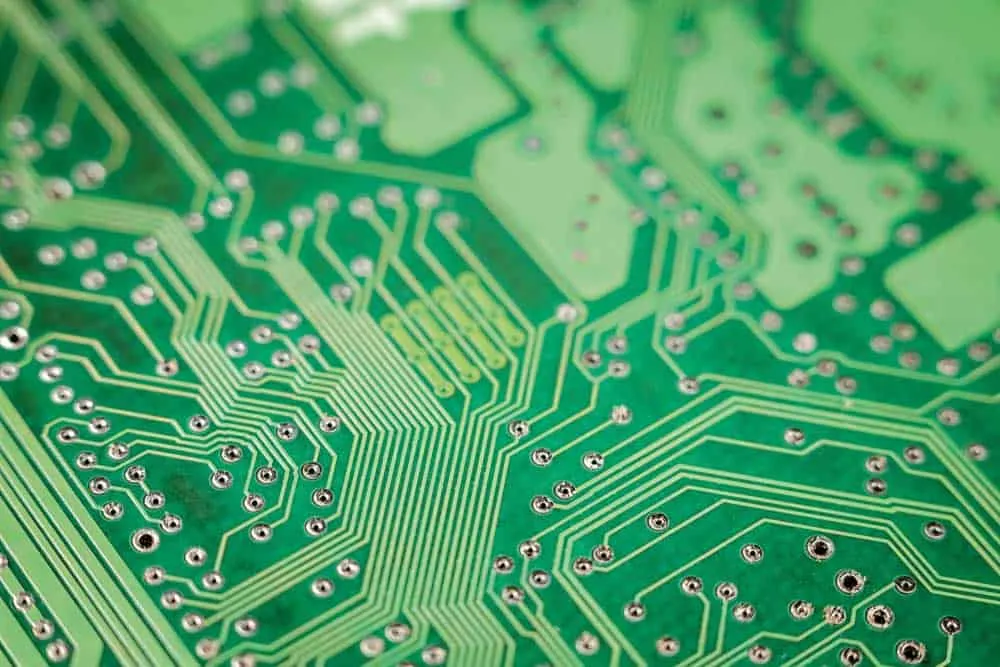
And to answer these questions, you need to look at these areas.
- - Options testing: Evaluate multiple product designs and materials
- [DFM](https://en.wikipedia.org/wiki/Design_for_manufacturability) support: Plan early to enable smooth progression from development to production
- Technical feasibility: Test and evaluate techniques that can convert audiences to customers
Prototype Development
Prototyping aims to justify the organization’s investment in the product or service. It defines the features more clearly by actualizing the product concept into a reality.
You’ll also have to choose the product material to actualize the design, which gives insights into the development cost.
Ideally, this phase covers the following steps.
- - Prototyping: Build several initial samples to test the product’s feasibility and accelerate testing
- [Design for assembly](https://en.wikipedia.org/wiki/Design_for_assembly): Streamline the product’s design for easier and cheaper assembly
- Validation: Define protocols for product testing and evaluation
Prototype Validation
Once the prototype is ready, test it to determine if it meets internal and external quality standards. You might have to alter the product design if it fails these standard test approval gates.
Some of the tests to cover include:
- - Performance tests: Test the product along the lines of its intended use when released to the market
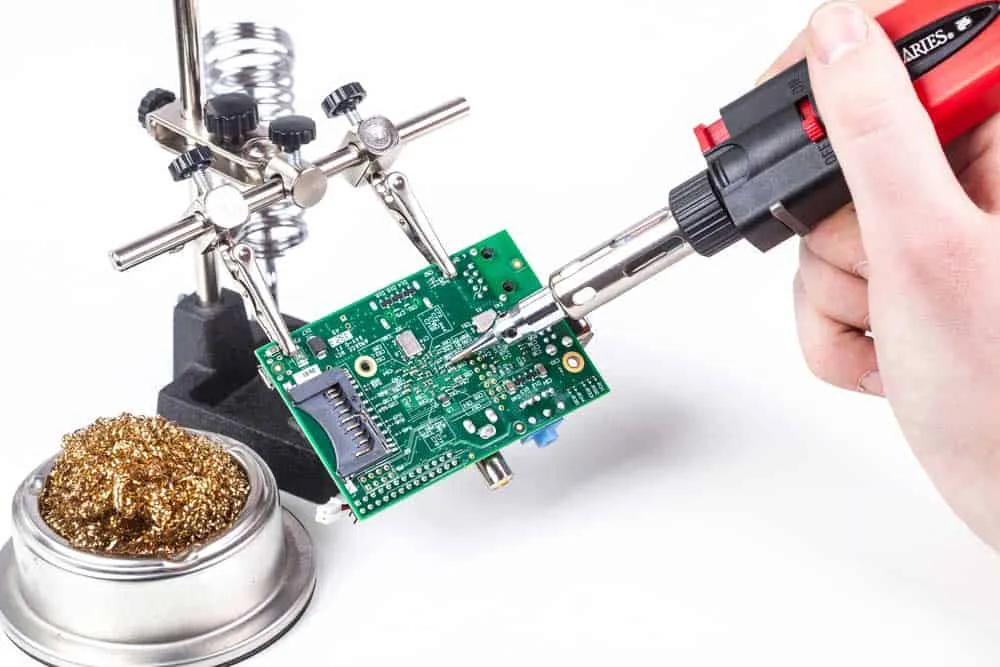
- Electrical tests: If making an electronic product, test the electrical components
- Environmental tests: Subject the product to extreme conditions, such as high temperatures, dust, humidity, etc.
Implementation
After finalizing the prototype design, the next question should be how to get the product to market. The best way to go about this phase is to study past metrics of similar products launched by other companies.
So cover these areas during the implementation process.
- - Process development: Determine the most efficient and cost-effective manufacturing process. Also, develop instructional workflow documents to standardize the manufacturing process to ensure consistent quality.
- Production support: Provide technical/engineering support when in production
- Launch support: Plan and execute the product launch
Evaluation
After launch, have a team monitor the success of the product and the earlier NPI steps. And use data-driven insights to get meaningful data for making informed decisions to improve the NPI phases.
Some areas to cover include:
- - Gathering customer feedback: Customer feedback will give you insights into the user experience to determine what works, what doesn’t, and what to change
- Post-launch support: Offer customer support after product launching
- Product evaluation: Assess all the data and make the necessary product/service changes
Benefits of NPI
A well-executed product development process results in the following benefits.
Quick Time To Market
Low Production Costs
The feasibility studies, design optimizations, and prototyping stages refine the design concept before mass production. They include things like DFM and DFA, which optimize the production process to lower the time and costs.
High-Profit Margins
Lower production costs ultimately increase the profit margins per product. Alternatively, you can lower the final product price to sell in large volumes, which increases your profit margins.
High-Quality Products
Testing and redesigning the product/service improves its quality and durability. These quality control processes ensure the item meets the customer’s specifications as much as possible.
Increased Market Share
Optimized Manufacturing
You’ll optimize the small or large-scale manufacturing processes by engaging in the production processes. These optimizations cut production time and cost.
Brand Loyalty Due To Customer Engagement
Engaging the customers by collecting feedback and implementing their recommendations makes them feel part of the brand. So they are more likely to stick around and bring in more customers.
Skills Required for Successful NPI
These four skills are critical to ensuring a successful new product introduction process.
Process Engineering
This skill enables the optimization of niche and high-volume manufacturing environments. Also, it ensures the products meet the required specifications & quality standards and are error-free.
Design for Manufacturing and Assembly
Optimizing the manufacturing and assembly requirements from the early production phases ensures efficiency and improvement. This skill will translate to profitability later on.
Quality Management
Supply Chain Management
Large-scale manufacturers usually have a longer supply chain than startups.
So as your company grows and the customer base expands, ensure you have the personnel to manage the complex supply chain.
The goal is to optimize the process to achieve efficiency while lowering costs.
NPI Challenges
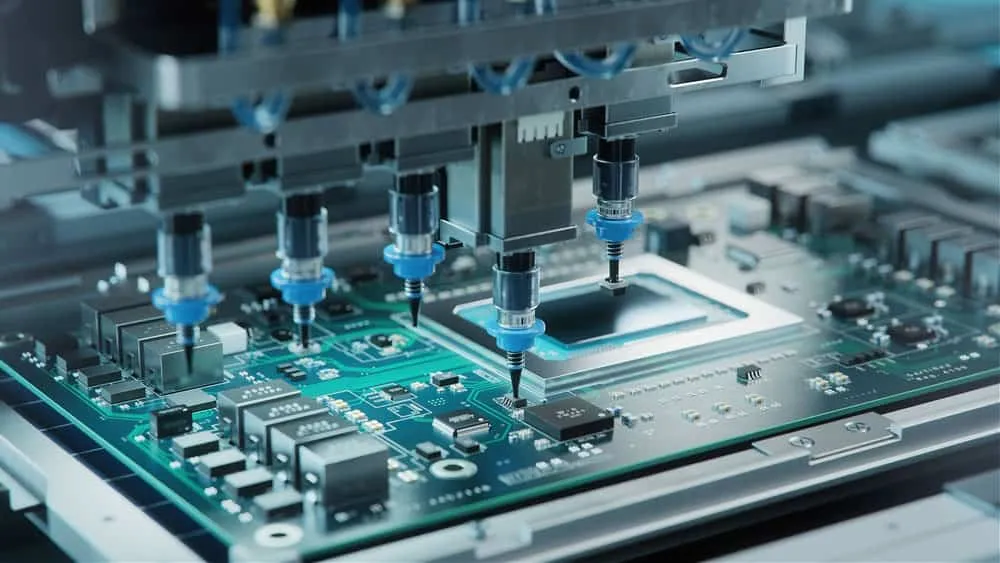
The NPI process involves many stakeholders, such as upper-level management, marketing teams, engineers, design teams, etc. Keeping all these teams on the same page is challenging due to these issues.
Inventory Management
You must have sufficient raw materials to handle the production process from the prototyping stage. But don’t purchase too much inventory because it can become obsolete.
Lead Time Management
Lead time refers to the period it takes to receive materials and other parts from suppliers.
Faster lead times are usually more expensive than slow delivery times. So try to balance this time and the cost that meets your production budget.
Capacity Management
You should have enough manufacturing capacity to meet the customer demand. Some tips to help in capacity management are enhancing manufacturing efficiency and hiring trained staff to handle the machinery.
NPI Best Practices

Some tips you can use to ensure a successful NPI process include:
Create a Cross-Functional NPI Team
Define Everyone’s Roles and Responsibilities
This definition will help avoid confusion or conflicts later in the NPI phases.
Lay Out Clear Objectives and Timelines
While defining the internal team member roles, establish clear timelines and objectives for the project. Ensure they are:
- - Measurable
- Specific
- Time-bound
- Relevant
- Achievable
Create Detailed Plans for Each Phase
Every phase should have plans and procedures that lead to the approval gate to unlock the following stage. So assign the tasks to team members and give realistic timelines for task completion.
And ensure you communicate this information with the team members. Also, maintain open communication with the team members to keep everyone in the loop and the project on track.
Track the Progress
Plan for the Worst
Hope for the best, but expect the worst. So have a plan to handle worst-case scenarios right from the start.
Test the Product Thoroughly
Test the product extensively to ensure quality before launch. Similarly, collect customer feedback to optimize the product post-production when releasing new versions.
Prepare for the Long Haul (Including Post Launch)
The NPI process can take time, especially if developing a complex product.
So have a system that shows the achieved milestones, status reports, project updates, etc.
And after launch, don’t forget to follow up with the customers to address emerging issues.
Wrap Up
As you can see, the NPI process can take varying amounts of time, depending on the product.
But if managed properly, you can navigate this journey with minimal or zero issues and launch successfully.
And if you need help managing such a process, contact us for more tips. Check out our PCB prototype services for NPI support.
Related Articles
Continue exploring similar topics
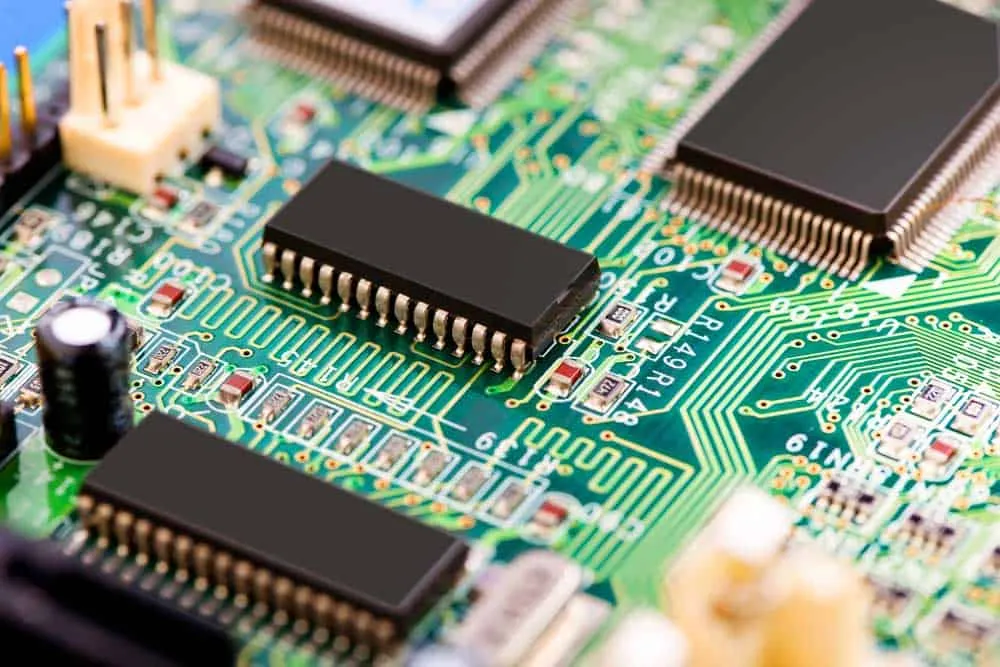
PCB Assembly Machine
So assemblers need high-tech PCB assembly machine to mount and weld components on the board to make the circuit function as required.
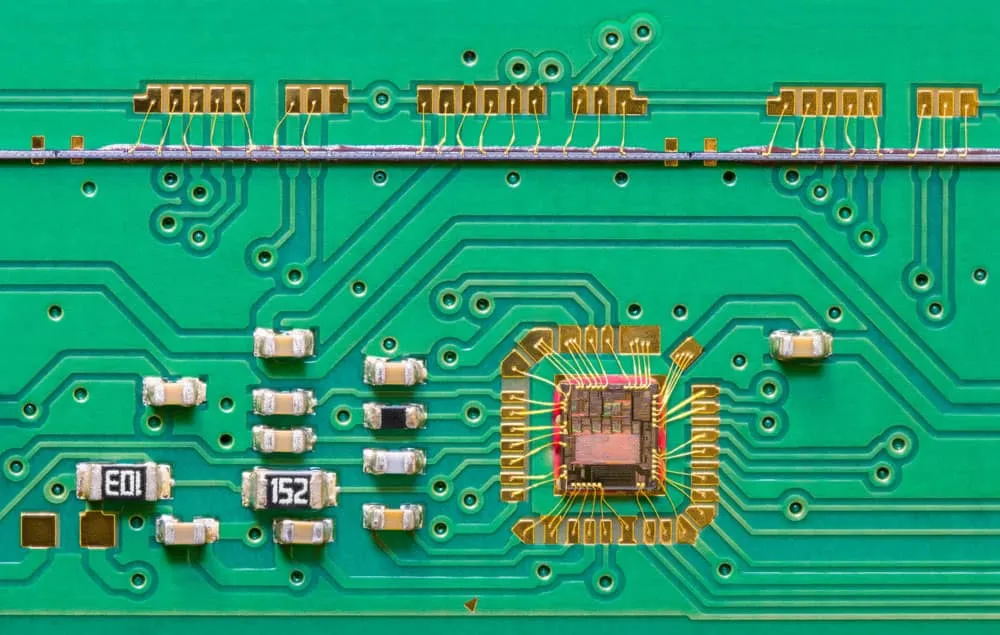
What Is First Article Inspection?
What is a first article inspection?
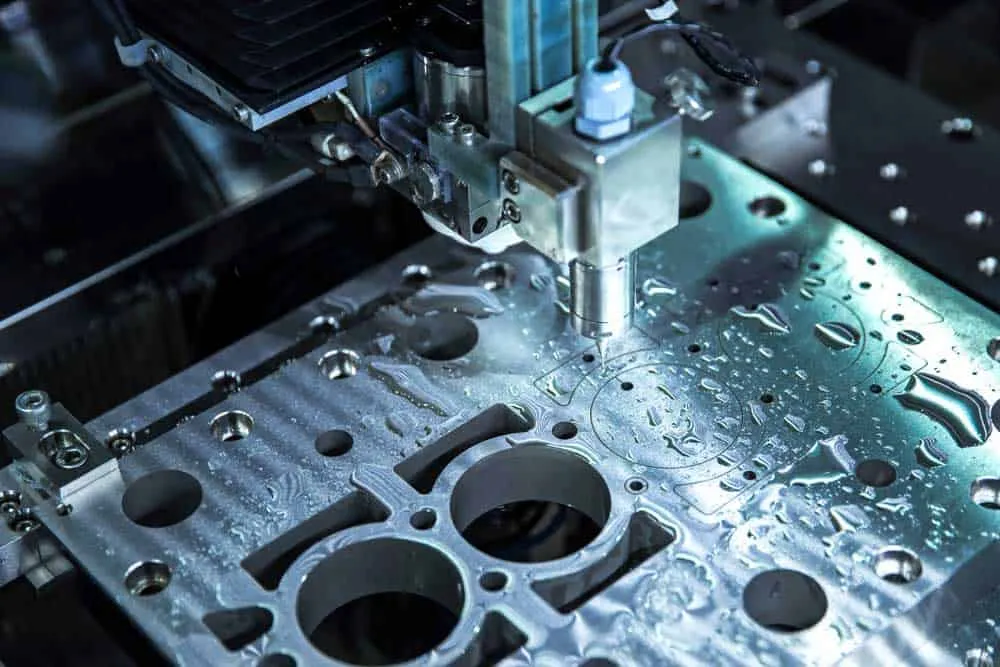
What is CNC Technology? Industrial Guide
Discover what CNC technology is and how computer numerical control revolutionizes manufacturing. Learn about CNC machining applications in electronics assembly and PCB production.
Ready to bring your PCB design to life?
Get an engineer-reviewed quote for your custom PCB fabrication and assembly needs.
Request a Quote