Portable Equipment Harness Service
Power Tool Wire Harness Manufacturing for Compact, High-Use Electrical Assemblies
PCBInsider supports power tool wire harness programs for corded and cordless products that need practical routing control, durable terminations, and defined electrical test logic before the build moves into recurring production.
Buyers sourcing a power tool harness are usually balancing current path, switch integration, motor proximity, vibration, user handling, and tight housing constraints at the same time. This page is built around that reality rather than generic harness language.
100% Electrical Verification OptionsTrigger, Motor, and Battery BranchesPrototype to Recurring Production
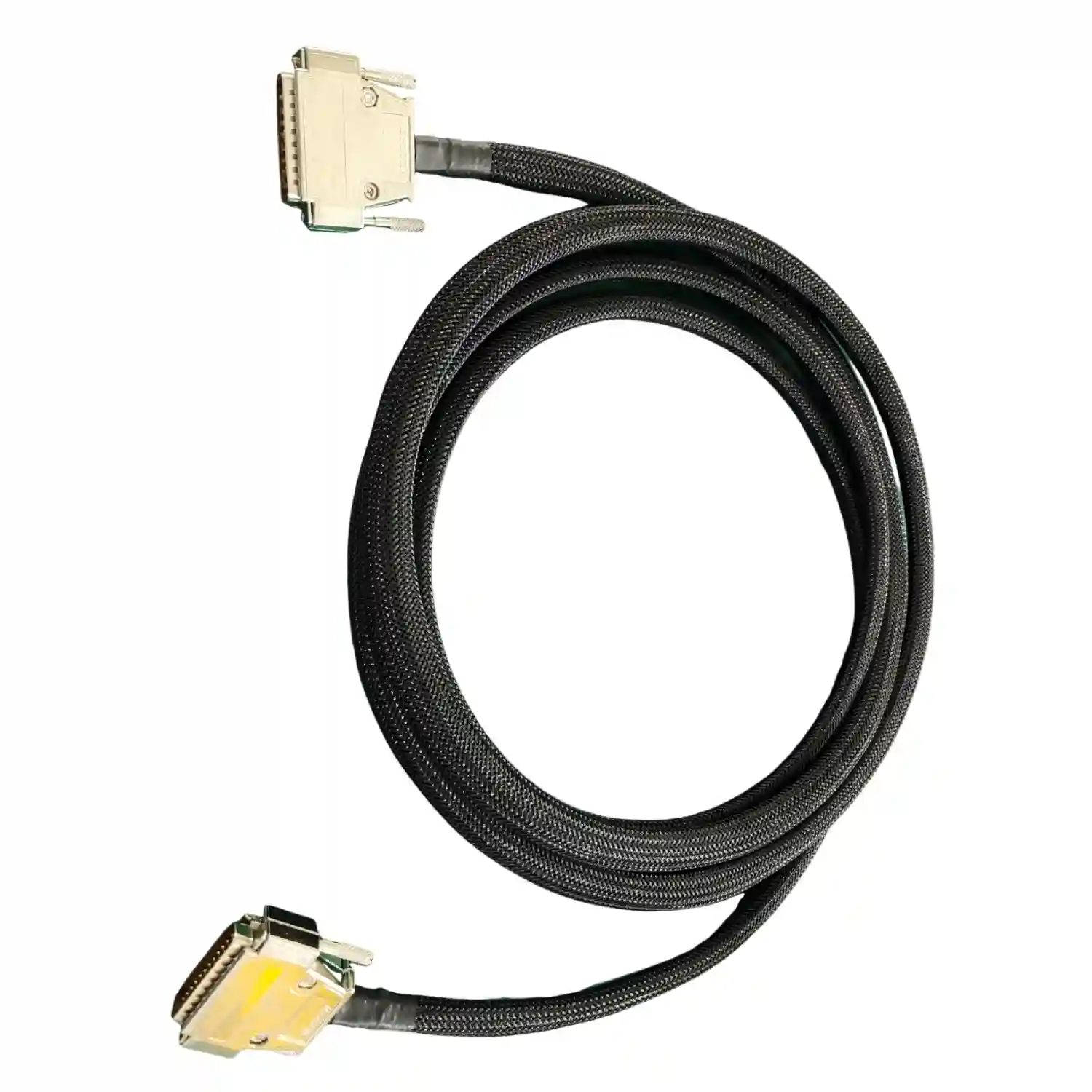
5-10 Days
Typical Prototype Window
100%
Continuity + Shorts Test
Corded + Cordless
Platform Coverage
5-10 Days
Prototype Timing
IPC/WHMA-A-620
Workmanship Framework
What Makes Power Tool Harnesses Different
Portable tools combine tight packaging, repeated user handling, vibration, motor heat, and branch points around triggers or battery interfaces. That makes them more demanding than many general-purpose internal harnesses.
Buyers evaluating this category should think about the full product path: current draw, duty cycle, service bends, insulation temperature, cord-entry control, and how the harness interacts with switches, motors, and control electronics. Background references such as power tool product architecture, UL safety certification frameworks, and IEC standards bodies help explain why workmanship and insulation decisions matter so much in portable equipment.
When a tool platform also includes control boards, chargers, or final boxed subsystems, we can align the harness release with PCB assembly, electromechanical assembly, and box build assembly so the interconnect package is managed as part of the full product rather than as a late-stage purchasing item.
Power Tool Harness Capability Snapshot
A fast commercial view of program fit, protection options, validation scope, and production discipline for portable equipment.
Built Around Real Tool Architecture
Power tool wire harnesses do not live in a benign cabinet.
Corded and Battery Tool Support
We support corded tools, cordless tools, chargers, battery-adjacent subassemblies, and mixed power plus control harnesses.
Strain Relief and Safety-Focused Routing
Many field failures start at the exit point, switch interface, or repeated service bend.
Production Intent Test Coverage
Every released harness should have defined pass-fail logic, not a vague instruction to check continuity.
Component Integration for Final Assembly
Power tool programs often need more than loose wires with terminals.
Prototype Through Recurring Production
We build first articles, pilot lots, and recurring production using controlled BOMs and work instructions so what passes tool validation remains stable.
Commercial Fit and Technical Scope
Portable tool buyers usually need a concise view of platform type, termination scope, test expectations, and how repeat builds will be controlled after prototype approval.
| Service Focus | Power tool wire harnesses for drills, grinders, saws, garden tools, chargers, and portable equipment |
|---|---|
| Electrical Scope | AC mains input leads, DC battery paths, trigger-switch wiring, motor branches, sensor and control circuits |
| Wire Range | Fine-gauge control wiring through higher-current power conductors based on load and thermal path |
| Terminations | Quick-disconnects, ring terminals, ferrules, soldered joints, crimp contacts, and customer-specified connector systems |
| Protection Options | Heat shrink, sleeves, tubing, grommets, strain relief support, taping, and abrasion wraps |
| Validation | 100% continuity and shorts; IR, polarity, retention, and fixture checks by requirement |
| Program Types | Corded consumer tools, cordless tools, workshop equipment, chargers, and outdoor power equipment |
| Documents | Controlled travelers, FAI support, inspection records, revision-managed work instructions, and test logs |
| Prototype Timing | Typical 5-10 business days after files and materials are confirmed |
| Production Planning | Pilot lots, recurring production, and service-part replenishment aligned to forecast and component lead time |
Typical Product Programs
Corded Power Tools
Harnesses for drills, saws, sanders, and grinders that need mains input routing, trigger-switch interconnects, motor leads, noise-suppression component.
Cordless and Battery Platforms
Internal tool wiring for battery packs, trigger modules, motor controllers, fans, LEDs, and protection devices where compact packaging and service vibration.
Chargers and Docking Accessories
Power and control harnesses for charging cradles, external adapters, bench chargers, and accessory docks that combine user handling, heat exposure.
Outdoor and Workshop Equipment
Wiring assemblies for hedge trimmers, blowers, pressure washers, and stationary tools where dust, splash, abrasion, and longer cable runs change the design.
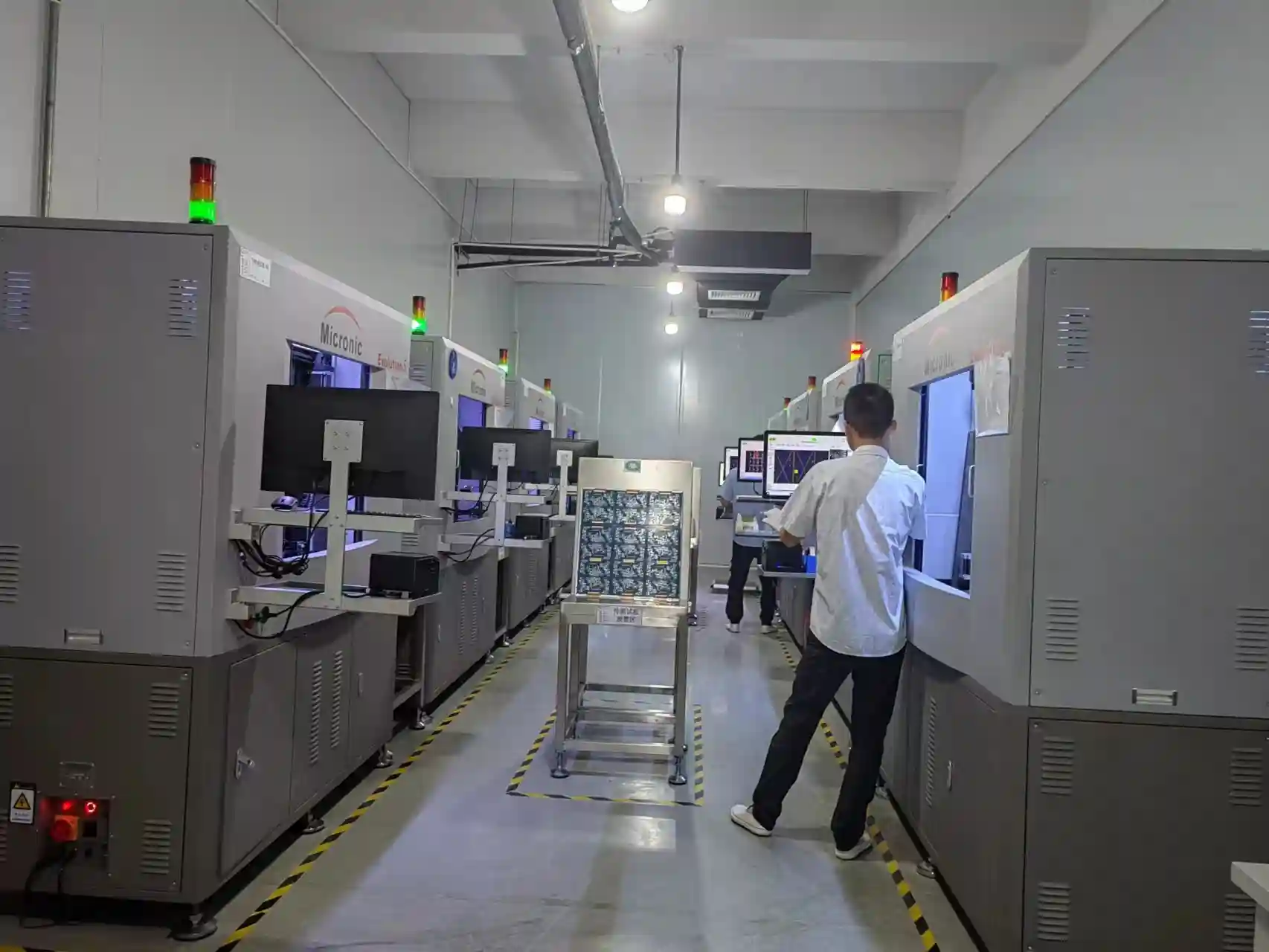
Test logic should be defined before sourcing pressure rises
Power tool harness issues often appear when a prototype was accepted without clear pass-fail criteria, then volume sourcing introduces substitutions or routing drift. We prefer the test plan to be explicit while the release package is still being stabilized.
From Prototype to Stable Production
Tool harness programs succeed when the sample build, validation logic, and production traveler all point to the same released intent. That is especially important when the same harness later becomes a field-service or replacement part.
1
RFQ review around current path and installed geometry
We review the drawing, schematic, connector and terminal callouts, conductor sizes, switch interfaces, protection parts, and actual housing path.
2
Prototype build with production-intent materials
First articles are built with the intended wire families, terminals, coverings, and test logic so the sample reflects repeatable production rather than.
3
Validation of fit, retention, and electrical logic
We verify branch orientation, housing clearances, switch and connector fit, and defined test results.
4
Controlled release for pilot and volume production
After approval, travelers, BOMs, inspection points, and electrical test programs are locked so production lots and service-part replenishment stay aligned.
What experienced buyers usually check first
Portable equipment buyers usually want to know whether the supplier has thought through the real electrical and mechanical stress points, not just whether the wires were terminated cleanly.
Do not let connector current ratings stand in for the whole harness
A power tool circuit survives only when conductor size, path length, heat near the termination, and duty cycle all make sense together.
Cord-entry and trigger zones deserve disproportionate attention
Repeated flexing, operator handling, and tight packaging concentrate stress at the tool entry point and switch interface.
Service-part repeatability matters after launch
Tool programs often need replacement harnesses months later.
Related Services and Buying Resources
Existing internal resources for engineers and sourcing teams comparing power paths, workmanship controls, and broader product-integration options.
Wire Harness Manufacturing
Broader harness capability for OEM programs that extend beyond handheld or portable tools.
Learn MoreCustom Cable Assembly
Useful when the product needs external power leads, detachable cords, or hybrid cable sets.
Learn MoreElectromechanical Assembly
System-level support when harnesses, PCBAs, enclosures, and final product assembly need one release flow.
Learn MoreTypes of Power Cables
Compare cord, DC lead, battery cable, and industrial power options before finalizing the interconnect strategy.
Learn MoreWire Harness Testing Methods
Review continuity, IR, hipot, and fixture-test options before setting incoming or release criteria.
Learn MorePortable Cord Types Guide
Helpful background for teams comparing cord jackets and flex behavior for portable equipment.
Learn MorePower Tool Wire Harness FAQ
What do you need to quote a power tool wire harness accurately?
The ideal package includes a schematic or harness drawing, branch dimensions, wire specifications, terminal or connector part numbers, expected load, environmental notes, and annual volume. Housing photos or CAD screenshots are also useful because tool packaging constraints often drive routing and strain-relief decisions.
Can you support both corded and cordless power tool programs?
Yes. We support mains-powered tools, battery-powered tools, chargers, and accessory assemblies. The exact harness construction depends on current path, thermal exposure, flex points, and whether the wiring interfaces with switches, motors, control boards, or battery-related hardware.
What testing is typical for power tool wire harnesses?
Most programs start with 100% continuity and shorts testing. Depending on product risk, we can also support insulation resistance, polarity verification, retention checks, and fixture-based validation tied to the tool's released electrical logic.
How quickly can prototype harnesses ship?
Straightforward prototype builds typically ship in 5 to 10 business days after design confirmation and material availability are cleared. Production timing then depends on terminal, switch, connector, and special protection-component lead times.
Can you integrate subcomponents such as switches, sleeves, or protective devices?
Yes. We can integrate terminals, sleeves, grommets, heat shrink, protective coverings, and customer-specified subcomponents so the harness arrives ready for the tool assembly line instead of as loose wiring pieces.
How is a power tool wire harness different from a general-purpose cable assembly?
Power tool harnesses usually route inside compact housings with higher vibration, tighter bends, repeated trigger use, and localized heat near motors or electronics. That means strain relief, conductor selection, terminal retention, and packaging discipline matter more than they would in a simple static cable run.
Need a power tool harness that is ready for production, not just prototyping?
Send the drawing, schematic, branch dimensions, and load details. We will review manufacturability, routing risk, and test coverage before quoting.