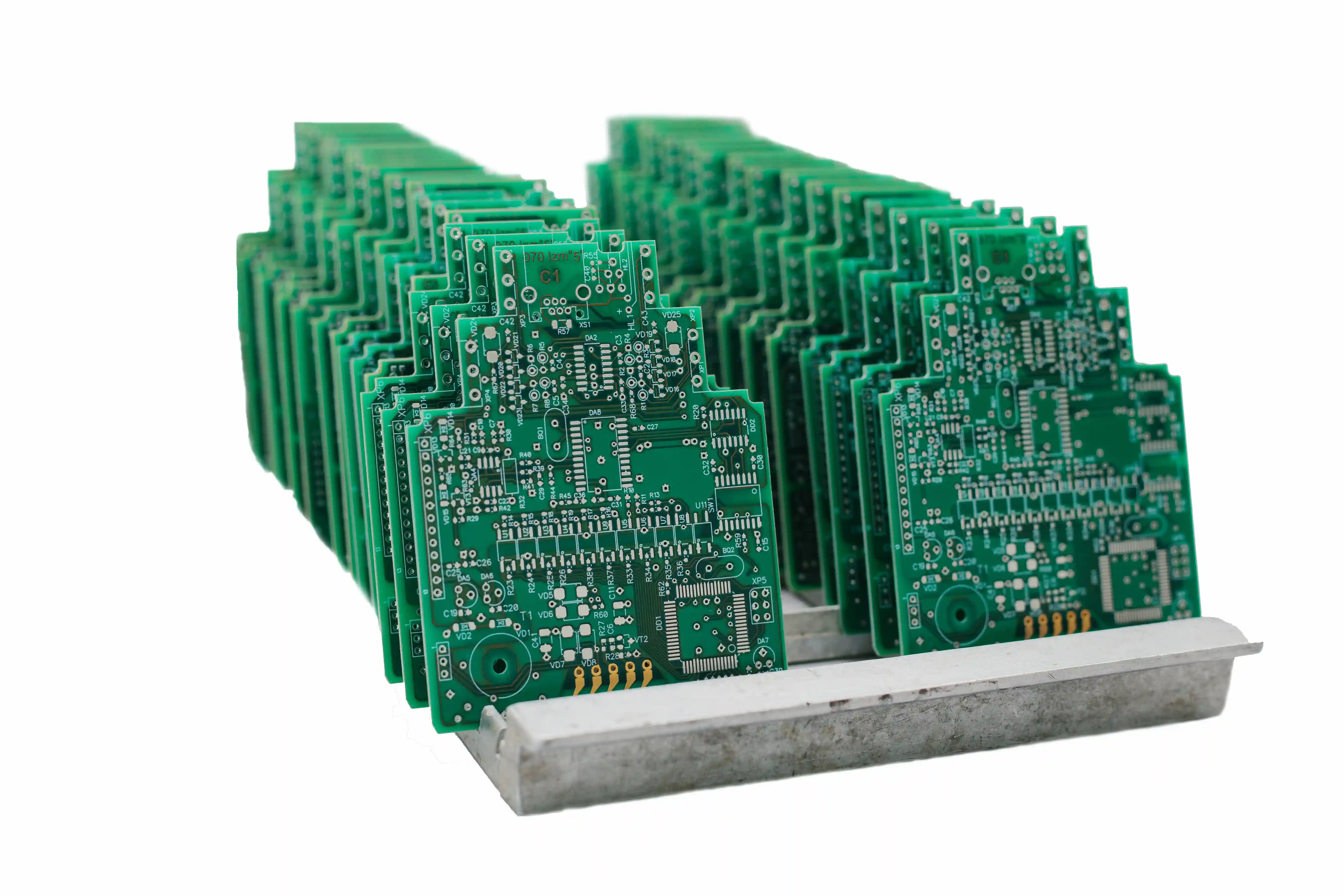
Production PCB Fabrication, Lot Control, and Delivery Planning
High Volume PCB Manufacturing for Released OEM Programs
PCBInsider supports repeat-production PCB fabrication with Gerber-controlled quoting, panel-yield review, electrical test planning, traceable shipment records, and production delivery communication for OEM buyers.
600,000
Annual-unit RFQ case reviewed
1-32
Layer range by design review
100%
Electrical test planning
ISO 9001
Quality system context
TL;DR
- High-volume PCB manufacturing only works when Gerber, drill, stackup, and acceptance files are released.
- Send target annual demand, release schedule, freight term, IPC class, and controlled-impedance notes with the RFQ.
- We review panel yield, material availability, electrical test, packing, and split delivery before quoting production price.
- Best fit: OEMs moving from pilot lots into repeat production, not designs still changing every week.
Volume PCB Pricing Starts With Released Manufacturing Data
A PCB is a printed circuit board that mechanically supports and electrically connects electronic components. High volume PCB manufacturing is repeat-production fabrication where annual demand, panel yield, tooling stability, electrical test, and shipment planning affect the commercial result as much as the board design itself.
Public references for printed circuit boards, IPC electronics standards, and ISO 9000 quality management explain the common vocabulary. The factory decision is more specific: a high-volume quote should not be frozen until the Gerber package, acceptance class, test method, release schedule, and freight term are all controlled.
Production-Ready RFQ Control
We review Gerber or ODB++, drill files, fabrication drawing, stackup, impedance notes, copper weight, surface finish, panel requirements, and acceptance class before treating a high-volume quote as firm.
Panel Yield and Stackup Review
High-volume pricing depends on panel utilization, drill count, copper balance, material set, and scrap exposure. We check those drivers before a buyer locks the purchase schedule.
Controlled Fabrication for Repeat Lots
Volume PCB fabrication needs stable tooling, released revisions, solder-mask control, final finish discipline, and electrical test planning so repeat lots match the approved production baseline.
Quality Evidence Tied to the Lot
Production shipments can include lot traceability, electrical test records, certificate of conformance, dimensional checks, impedance coupon data, and first article evidence where required.
Material and Capacity Planning
Longer production programs are reviewed for laminate availability, surface-finish risk, special copper needs, forecast stability, and whether release quantities should be split across delivery windows.
Freight and Split-Delivery Support
For global OEM programs, price and lead time must include packing method, carton rules, delivery terms, sea or air freight, and communication triggers when one purchase order becomes schedule-critical.
High Volume PCB Manufacturing Scope
Service focus
High volume PCB manufacturing and repeat-production bare board fabrication
Best-fit programs
Released OEM boards, bridge-to-volume programs, annual demand forecasts, and stable production revisions
Required quote files
Gerber or ODB++, NC drill, stackup, fabrication drawing, IPC class, surface finish, quantity breaks, and delivery terms
Manufacturing scope
Rigid FR-4, multilayer PCB, controlled-impedance PCB, heavy copper by review, and assembly-ready bare boards
Quality controls
CAM DFM, panel review, AOI, 100% electrical test planning, dimensional checks, lot traceability, and shipment release records
Commercial controls
Annual demand, release schedule, tooling status, packaging method, freight term, and approved revision freeze
Common blockers
Missing Gerber data, unclear stackup, uncontrolled revision changes, vague impedance notes, and incomplete delivery requirements
Buyer outcome
Cleaner production pricing, fewer quote resets, stronger schedule visibility, and lower risk before volume purchase orders are issued
Three entity definitions buyers should align on
Gerber is a manufacturing file set that defines the PCB copper, solder mask, silkscreen, and drill output. A stackup is the ordered layer and dielectric structure that controls thickness, routing, and impedance. IPC class is a workmanship and acceptance expectation that affects inspection evidence and buyer release criteria.
The practical boundary is simple: PCBInsider can quote production boards only as accurately as the released package allows. If a buyer asks for volume price without fabrication data, we separate budgetary discussion from a firm manufacturing offer.
Production RFQ Risks to Close Before a Volume PO
Volume manufacturing amplifies small quoting gaps. A missing drill file, vague stackup, or undefined delivery term may look harmless during early sourcing, then turn into tooling delay, price reset, or unusable delivered-cost comparison.
| RFQ gap | Production impact | Buyer control |
|---|---|---|
| Missing Gerber or ODB++ files | Quote remains budgetary only | Release fabrication data before requesting firm volume pricing. |
| Annual demand without release schedule | Capacity and cash-flow assumptions drift | Break demand into monthly, quarterly, or PO-based release windows. |
| Unclear stackup or impedance target | Material and test costs are wrong | Define dielectric target, layer order, copper weight, and coupon expectations. |
| Revision changes after tooling | Scrap, delay, and price reset risk | Freeze the production revision before the volume purchase order. |
| Freight term not defined | Delivered cost comparison becomes misleading | State EXW, FOB, CIF, DDP, or buyer-controlled logistics during RFQ. |
High Volume PCB Manufacturing Workflow
The workflow is designed to convert a released board package into repeatable production lots. Each step removes a different failure mode before the buyer commits production cash and schedule.
Step 1
Freeze the production data package
We confirm Gerber or ODB++, drill files, stackup, fabrication drawing, IPC class, impedance notes, quantity breaks, delivery terms, and target annual demand before the quote moves forward.
Step 2
Run CAM, panel, and material review
Engineering checks drill-to-copper clearance, annular ring margin, copper balance, panel utilization, laminate availability, final finish, and electrical test access.
Step 3
Confirm production pricing and release rules
The quotation separates tooling, unit price, lead time, packing, freight term, revision control, and any conditions that affect repeat lots or split purchase orders.
Step 4
Build first article or controlled pilot lot
A pilot run proves tooling, panel strategy, inspection method, electrical test, packing, and buyer acceptance before larger release quantities are started.
Step 5
Move into repeat production and delivery tracking
Released lots follow the approved traveler, inspection plan, shipment schedule, and communication rules so buyers see schedule risk early instead of after a missed delivery.
Evidence Buyers Should Expect Before Repeat Release
A volume PCB supplier should make release status visible. Buyers need more than a unit price; they need evidence that the board can be fabricated, inspected, tested, packed, and shipped repeatedly against the same revision.
PCBInsider uses IPC-A-600 and IPC-6012 expectations as practical reference points for bare-board workmanship and performance discussions, then ties the final acceptance plan to the buyer drawing and purchase order. That keeps the factory record aligned with what the OEM actually released.
CAM notes
DFM issues, stackup questions, drill or annular-ring risk
Test evidence
Electrical test plan, impedance coupon data where specified
Lot records
Accepted revision, material traceability, inspection status
Delivery control
Packing, split shipment, freight term, and schedule warnings
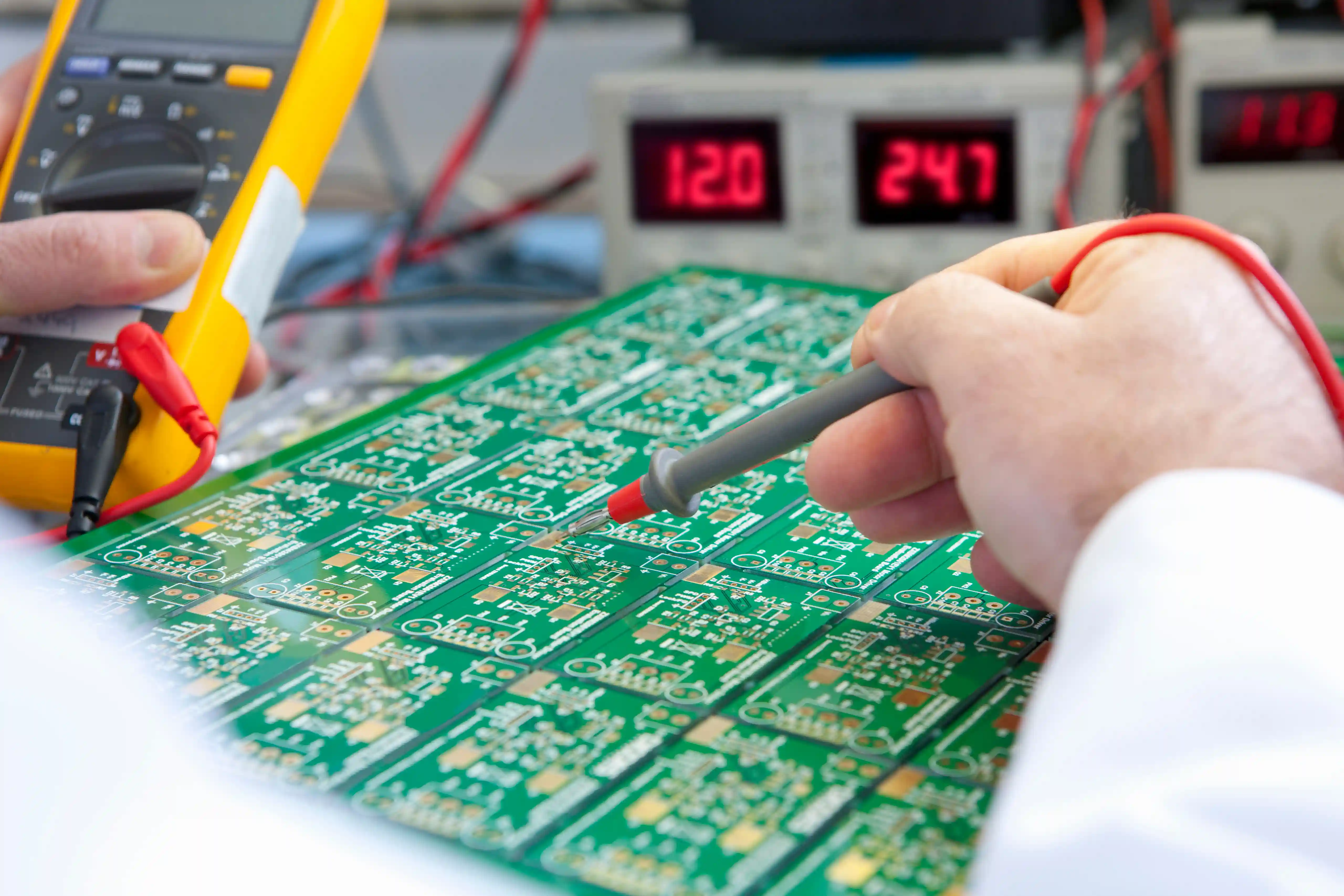
Related Manufacturing Services
High-volume PCB manufacturing usually connects to sourcing, assembly, test, and release planning around the same production program.
PCB Manufacturing
General PCB fabrication for prototypes, production boards, multilayer PCBs, HDI, rigid-flex, metal-core, and RF designs.
Learn moreLow Volume PCB Manufacturing
Small-batch PCB fabrication when the design is still moving through EVT, DVT, pilot, or controlled bridge production.
Learn morePCB Component Sourcing
BOM review, AVL control, shortage triage, and sourcing support when bare boards move into turnkey PCBA.
Learn morePCB Assembly
SMT, through-hole, mixed-technology assembly, AOI, X-ray, ICT, functional test, and production documentation.
Learn moreCat6a Ethernet PCB Assembly
Volume release support for Ethernet connector boards where Cat6a PCB data, RJ45 fit, and shipping terms must be reviewed together.
Learn moreBuyer Guides for Production PCB Planning
These PCBInsider resources help buyers prepare the technical and commercial inputs that decide whether a high-volume PCB quote can become a release-ready manufacturing plan.
High-Volume PCB RFQ Data Package
Prepare Gerber, stackup, drawing, quantity, freight, and acceptance data before requesting production pricing.
Read guidePCB Stackup Guide
Align layer order, reference planes, dielectric choices, and impedance targets before fabrication release.
Read guideFlying Probe vs ICT
Understand fixture cost, coverage, and test strategy when production boards move toward higher volumes.
Read guideHigh Volume PCB Manufacturing FAQ
What files do you need for high volume PCB manufacturing?
A firm high volume PCB manufacturing quote needs Gerber or ODB++ data, NC drill files, a fabrication drawing, stackup, copper weight, surface finish, IPC class, controlled-impedance notes, target annual demand, release schedule, and freight term. Without those files, the quote can only be budgetary because panel yield, material choice, electrical test, and logistics cost are not yet controlled.
Can you quote annual demand before we release Gerber files?
We can discuss rough manufacturing fit, but we do not treat annual demand alone as enough for firm production pricing. In a representative high-volume RFQ (illustrative), a buyer requested production PCB pricing for a large annual program on a defined board type with a CIF sea-freight term. The evaluation stalled because the internal technical data release process prevented Gerber files from reaching the manufacturing team.
What is the difference between low-volume and high-volume PCB manufacturing?
Low-volume PCB manufacturing is optimized for engineering learning, quick turns, and design flexibility. High-volume PCB manufacturing is optimized for repeatability, panel yield, stable tooling, material planning, electrical test strategy, and controlled delivery. The same board may pass through both stages, but the buying questions change once the revision is frozen and purchase orders repeat.
Do you support split deliveries for production PCB orders?
Yes. Split deliveries can work when the purchase orders, release windows, payment milestones, packing rules, and delivery-risk communication are agreed early. A multi-PO program with clear payment confirmation and an early delivery warning for any constrained order keeps the other orders on schedule. The key is transparency before a schedule risk becomes a dispute.
How do you control quality across repeat PCB lots?
Repeat-lot control starts with a frozen revision and a released traveler. We align CAM checks, panel rules, material callouts, AOI, electrical test, dimensional inspection, impedance coupon review where required, packing, and certificate records. IPC electronics standards help define the vocabulary, but the buyer should also require lot-specific evidence tied to the actual production shipment.
When should a buyer move from prototype PCB sourcing to production PCB sourcing?
Move to production sourcing after the design revision, stackup, surface finish, acceptance class, test method, and delivery plan are stable. If firmware, connectors, enclosure fit, or PCB assembly process windows are still changing, keep the order in pilot or bridge production. Volume pricing is useful only when the build package is stable enough to repeat.
Released Data to Repeat Production
Send the full PCB data package before volume pricing locks your schedule.
Share Gerber or ODB++, drill files, stackup, fabrication drawing, IPC class, quantity breaks, release schedule, freight term, and any assembly handoff requirements. PCBInsider will review production fit before the purchase order depends on assumptions.