Enclosure & Cable Integration
Cable Entry Systems for Sealed, Serviceable Enclosure Builds
PCBInsider helps buyers integrate cable entry systems into box build, custom cable assembly, and wire harness programs where sealing, strain relief, and pre-terminated cable routing matter. The goal is a buildable enclosure package, not a loose hardware recommendation that creates rework later.
IP-Rated
Sealing Strategy Support
Prototype to Production
Program Coverage
100%
Assembly-Level Test Planning
Box Build Ready
Integration Focus
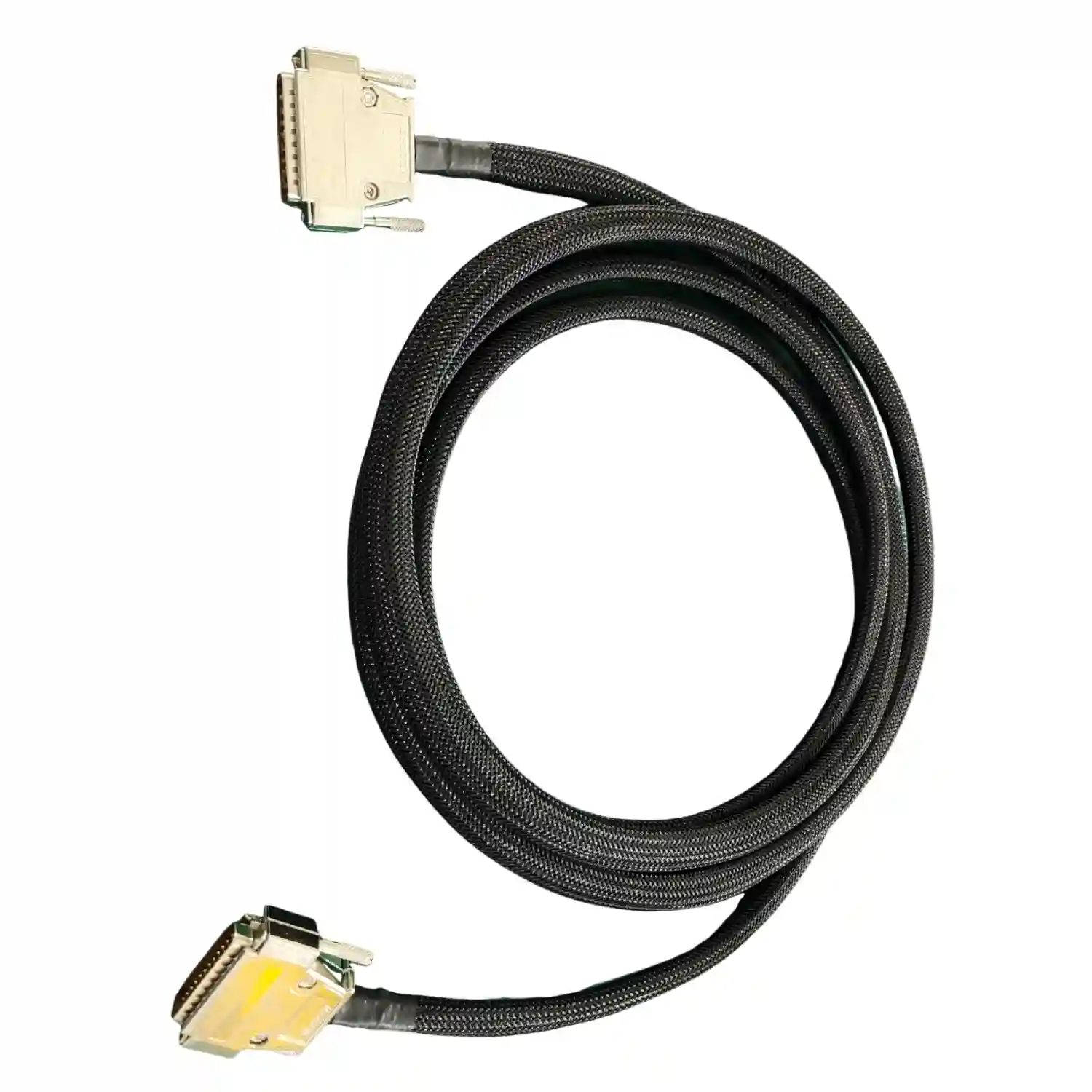
Why buyers search for cable entry systems
The commercial need is usually bigger than the phrase itself. Teams need a reliable way to bring cables into an enclosure without compromising sealing, retention, service access, or final assembly time. That makes cable entry a design-for-manufacturing and integration problem, not just a component lookup.
Cable Entry Planned Around the Enclosure Build
Cable entry systems should be chosen with the real enclosure, panel thickness, cutout geometry, and installation sequence in mind.
Sealing Strategy for Dust, Washdown, and Outdoor Use
A good cable entry design is not just a hole in a cabinet.
Split Frames for Pre-Terminated Cable Assemblies
Many programs need to route pre-terminated power, signal, or hybrid cables through an enclosure without cutting connectors off and re-terminating them.
Assembly Instructions That Actually Work on the Line
Cable entry parts are often simple in the BOM but awkward in production if torque, insert position, cable order, or bracket hardware are left vague.
Serviceability Without Sacrificing Retention
Buyers often need both protection and maintainability. We support cable entry layouts that keep pull-out risk, abrasion, and environmental exposure under.
Integrated Supply for Cable, Harness, and Box Build Programs
The value is not selling a standalone cable entry frame.
Cable entry integration capabilities
- Service focus
- Cable entry system selection and integration for enclosure, cable, and harness assemblies
- Entry formats
- Split frames, cable transit plates, bulkhead pass-throughs, grommet panels, and gland-style entries
- Typical assemblies
- Box build products, machine wiring kits, power distribution units, test equipment, and control cabinets
- Cable types
- Discrete wire bundles, shielded control cable, power cable, Ethernet, RF coax, and hybrid cable sets
- Engineering inputs
- Panel drawings, cutout dimensions, cable list, connector envelope, sealing target, and service access constraints
- Quality controls
- Cutout verification, hardware checks, installation instructions, torque control, and assembly-level electrical testing
- Project stages
- Prototype, enclosure validation, NPI, pilot build, and recurring production
- Related manufacturing
- Custom cable assembly, wire harness production, electromechanical assembly, and box build
Typical project types
Industrial Control Cabinets
Cabinets with multiple field cables, pre-terminated sensor leads, or mixed power-and-signal routing that need a cleaner pass-through strategy than loose.
Equipment Enclosures and Box Build Products
Products that combine PCBAs, displays, fans, power entry, and external cable sets where enclosure entry decisions affect both final assembly time and field.
Mobile and Harsh-Environment Systems
Vehicle, off-highway, and outdoor electronics where vibration, splash, dust, and repeated maintenance put more pressure on cable retention and ingress.
Retrofit and Upgrade Programs
Installed systems that need new cables added without redesigning the entire enclosure, often using split cable entry hardware.
Process for production-ready cable entry integration
The point of this workflow is to keep cable entry from becoming a late-stage enclosure problem. The entry method, cable routing, and service sequence have to agree before the build reaches pilot volume.
Step 1
Review the enclosure and cable package
We start with the enclosure drawing, cable list, connector envelope, cutout constraints, target environment, and assembly sequence.
Step 2
Choose the entry method and sealing stack
We align the cable entry approach to whether the cables are pre-terminated, how often they will be serviced, the IP target, and the mechanical retention.
Step 3
Lock the assembly details for pilot builds
Once the concept is set, we freeze the cutout, hardware, inserts, cable routing order, and work instructions so prototypes and first articles are built.
Step 4
Release controlled production assemblies
Approved programs move into controlled cable, harness, or box-build production with revision-managed documents, incoming checks on entry hardware.
Authority references
These references are useful background for cable-entry hardware, ingress protection, and retention principles.
Cable gland overview
Background on cable-entry hardware used for retention, sealing, and enclosure pass-through control.
Ingress protection rating reference
Useful context for IP-based sealing expectations when specifying enclosure cable entries.
Strain relief reference
Explains the mechanical principle behind retention and pull protection at cable exit points.
UL reference
General background for safety expectations that can affect enclosure and wiring decisions.
What to send for a faster review
A clear RFQ package shortens the cycle from concept to first-article build.
- Enclosure drawing with panel thickness and cutout limits
- Cable list with outside diameters and bend constraints
- Connector envelope details for any pre-terminated assemblies
- Target sealing level and real environmental exposure
- Installation sequence, service access notes, and annual volume
If the hardware is not chosen yet, that is still workable. A good early review can narrow the cable entry method before the enclosure and cable BOM are frozen.
Frequently asked questions
What information do you need to quote a cable entry system project accurately?
The most useful package includes the enclosure drawing, panel cutout dimensions, cable list with outer diameters, connector sizes if cables are pre-terminated, sealing target, installation environment, and expected production volume. If the enclosure is still early, product photos and a rough cable schedule are enough for an initial engineering review.
Can you support split cable entry systems for pre-terminated cables?
Yes. Split systems are often the right choice when the cable already has a connector or molded end that should not be removed. We review the connector envelope, cable diameter range, panel thickness, and service access so the selected frame works in assembly and during maintenance.
Do you manufacture the cable entry hardware itself?
This service is focused on integration rather than inventing a generic catalog part. We source or work with the specified cable entry hardware and then integrate it into the cable assembly, harness, enclosure, or box-build package so the finished product is production-ready.
How do you balance ingress protection with serviceability?
That depends on the environment and how often the cables need to be replaced. We look at gasket compression, insert style, strain relief, cable jacket tolerance, and access sequence so the design protects the enclosure without making service work impractical.
What projects benefit most from a dedicated cable entry system review?
The biggest gains usually come on enclosure builds with many cables, mixed cable diameters, pre-terminated assemblies, or outdoor and washdown exposure. Those are the programs where poor cable entry decisions create hidden rework, leakage risk, or painful final assembly steps.
Related services and resources
Use these pages if your cable entry requirement sits inside a wider cable, harness, or enclosure program.
Box Build Assembly
Complete enclosure integration when cable entry hardware is part of the final electromechanical product.
Explore pageCustom Cable Assembly
Pre-terminated power, signal, and hybrid cables that often drive the cable entry method.
Explore pageWire Harness Connectors
Useful when the cable entry decision is tied to connector envelope, sealing, or service access.
Explore pageElectromechanical Assembly
Integrated support for products that combine PCBAs, internal wiring, enclosure hardware, and system-level testing.
Explore pageWhat Is Cable Assembly?
Background if your team is aligning cable-entry choices with cable construction and installation needs.
Explore pageWire Harness DFM Tips
Practical design guidance for avoiding avoidable manufacturing friction in routing and installation.
Explore pageNeed help integrating cable entry into a real product build?
Share the enclosure concept, cable list, and target environment. PCBInsider can review the cable entry approach together with the cable assembly, harness, and box-build workflow so the final package is practical to manufacture and maintain.