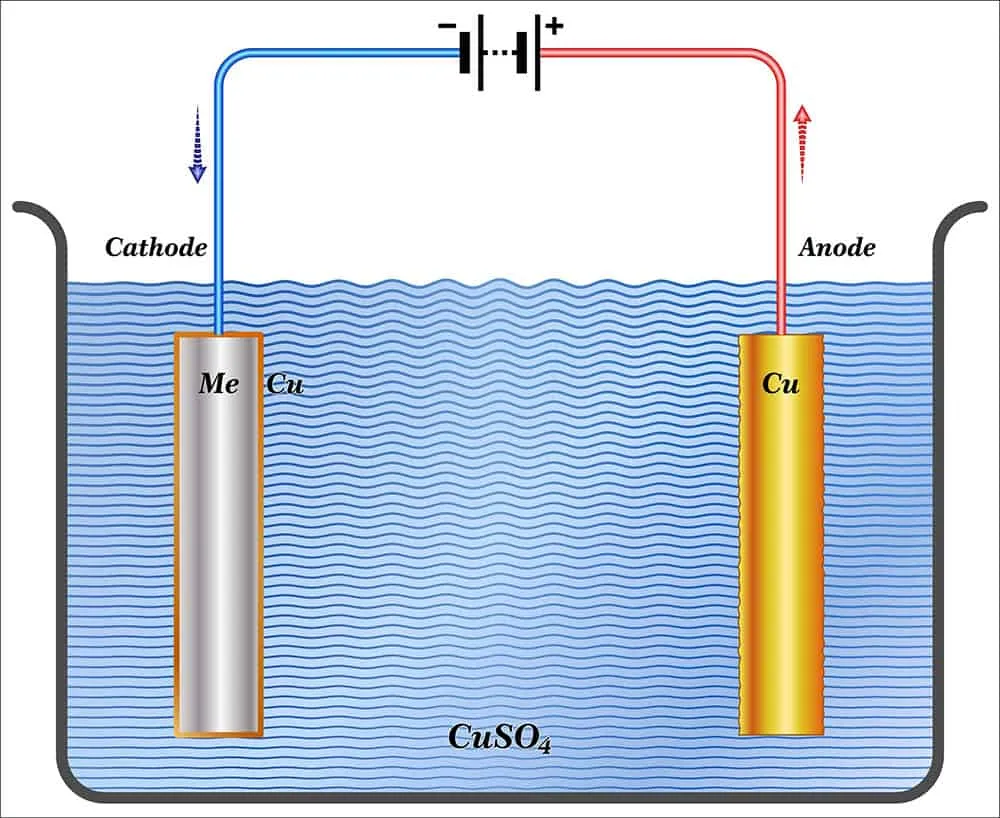
How To Gold-Plate Copper
Here's how to gold-plate copper if you have exposed surfaces on your board.Gold has superb electrical and corrosion-resistance properties.
Here’s how to gold-plate copper if you have exposed surfaces on your board.
Gold has superb electrical and corrosion-resistance properties. So it is the ideal candidate for coating copper surfaces on printed circuit boards and electrical connectors.
The material also enhances the PCB’s look due to its shiny appearance. Read on to learn more.
What Is Gold Plating?
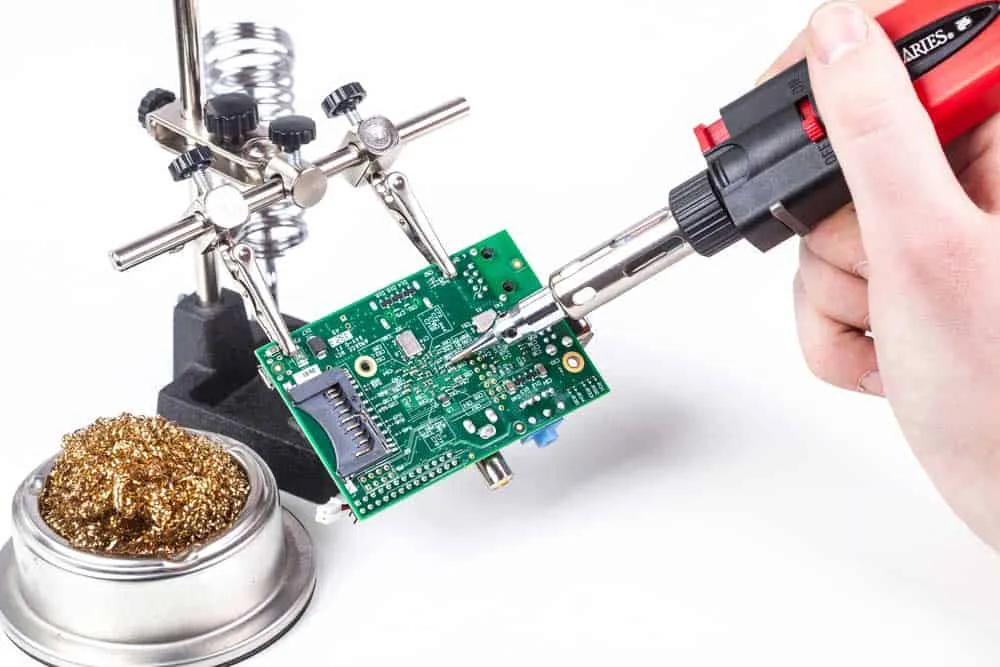
Gold plating involves layering a thin coat of gold above another metal base. The process began as a way to decorate watches, jewelry, and other wearables.
But it became handy in electronics due to the properties of gold and the inexpensive nature of the process.
Types of Gold Plating
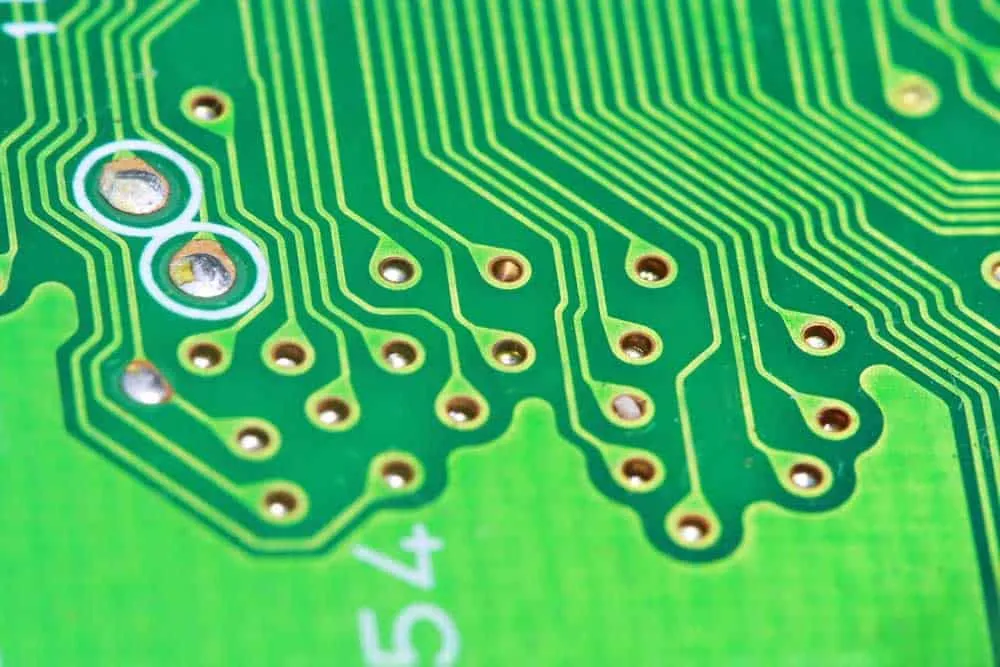
The electronics industry uses these four gold plating types.
Soft, Pure Gold Plating
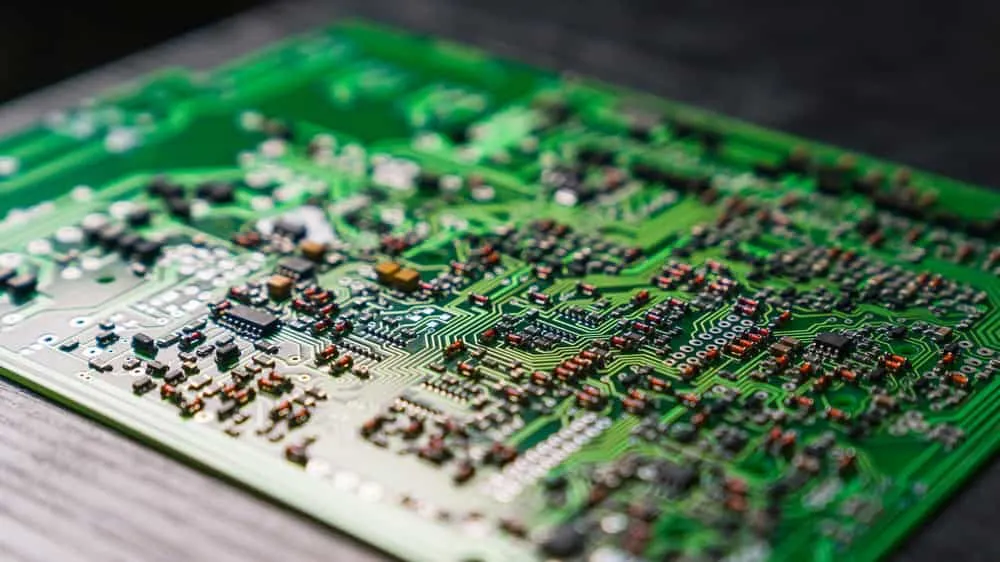
Soft, Pure Gold Deposited Using Special Electrolytes
This method can create gold layers for wire bonding. And you can use it to plate entire boards.
Bright, Hard Gold on Contacts
The gold used in this process is 99.7-99.9% pure because it contains tiny quantities of cobalt or nickel.
Although this mix gives a high Knoop hardness (120-300), it interferes with die bonding. So you cannot use this gold for semiconductors.
Bright, Hard Gold on PCB Tabs
This electrodeposition method uses baths with lower gold concentrations. The solution usually contains more cobalt or nickel than the type above, making it harder on the Knoop scale.
Which Metals Can You Gold Plate?
You can gold plate silver, nickel, tungsten, titanium, copper, stainless steel, and brass.
But silver is the most typical material used as the base layer for gold plating because it creates a strong foundation. Additionally, it creates a glossy yellow-gold finish.
However, gold plating directly on silver makes the surface tarnish quickly. So you should place a barrier metal layer (copper) between the two.
But copper is the material used to make the contact pads in PCBs. So you can electroplate directly on these surfaces.
However, most manufacturers place a nickel layer on the base metal to enhance wear resistance and reduce gold pores.
How To Gold-Plate Copper
This process requires the following steps.
Step 1: Preparation
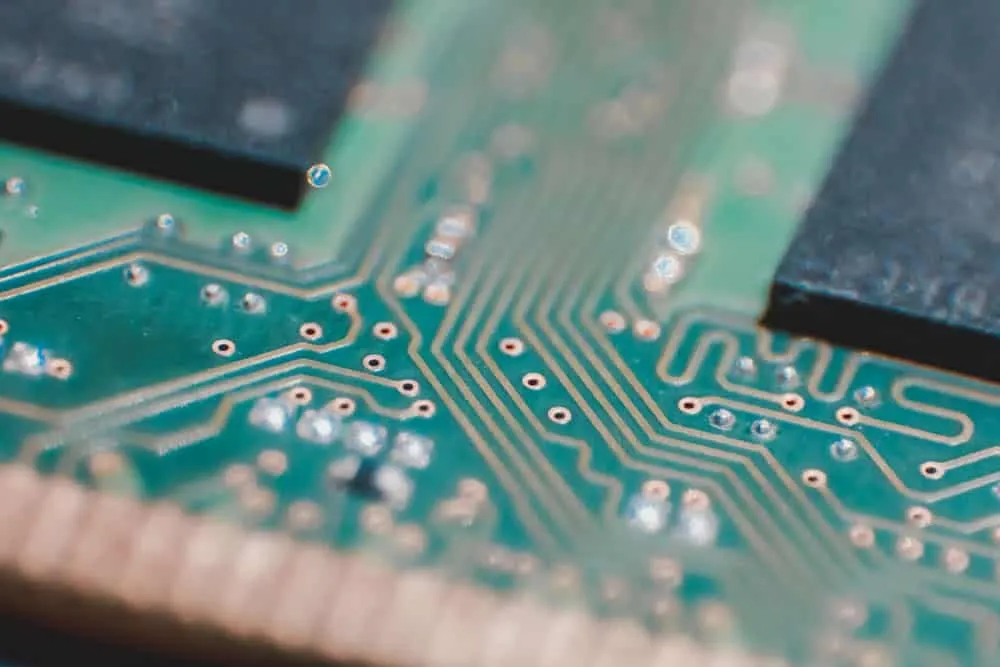
This step ensures the electrodeposited material adheres to the surface firmly. Additionally, it keeps the plating tanks contaminant-free.
Step 2: Rinsing
Rinse the surface using distilled water to remove any remaining residue and cleaning solution.
Step 3: Strike Layer Application
A strike layer is a buffer between the base metal and electroplated gold to increase gold adhesion. Also, it prevents gold tarnishing. Usually, this buffer is a layer of nickel.
Apply the layer via electroplating, then proceed to the next step.
Step 4: Rinsing
Rinse the surface after applying the nickel strike to eliminate any impurities.
Step 5: Coating
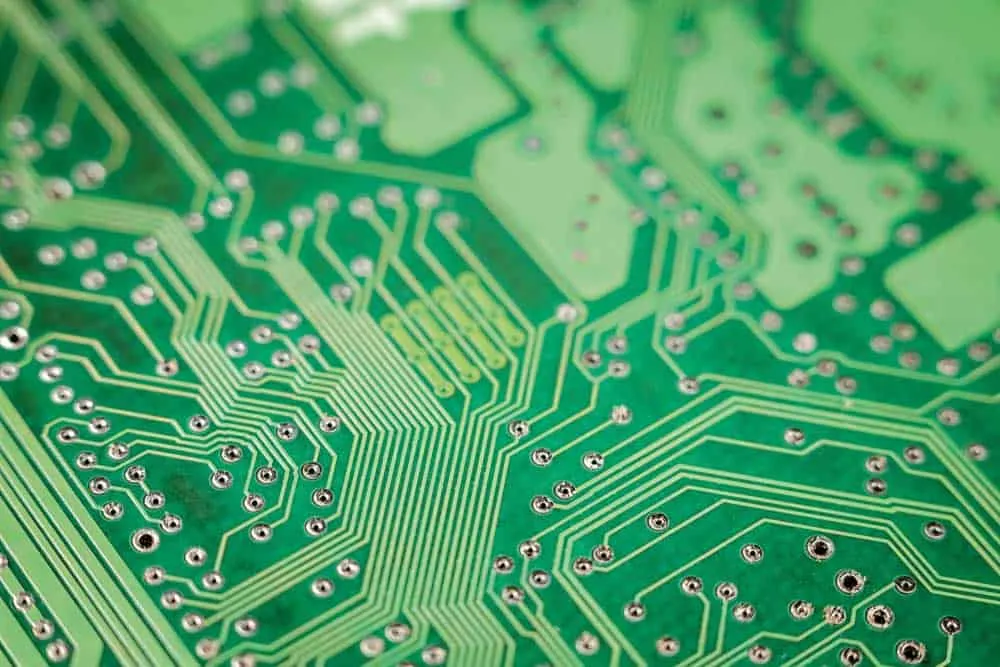
The gold ions will layer above the nickel strike uniformly. And the layer’s thickness will increase the more the workpiece stays in the gold solution.
Step 6: Final Rinsing
Rinse the gold-plated surface using distilled water to remove impurities, then leave the workpiece to dry. That’s it!
How Much Gold Gets Used?
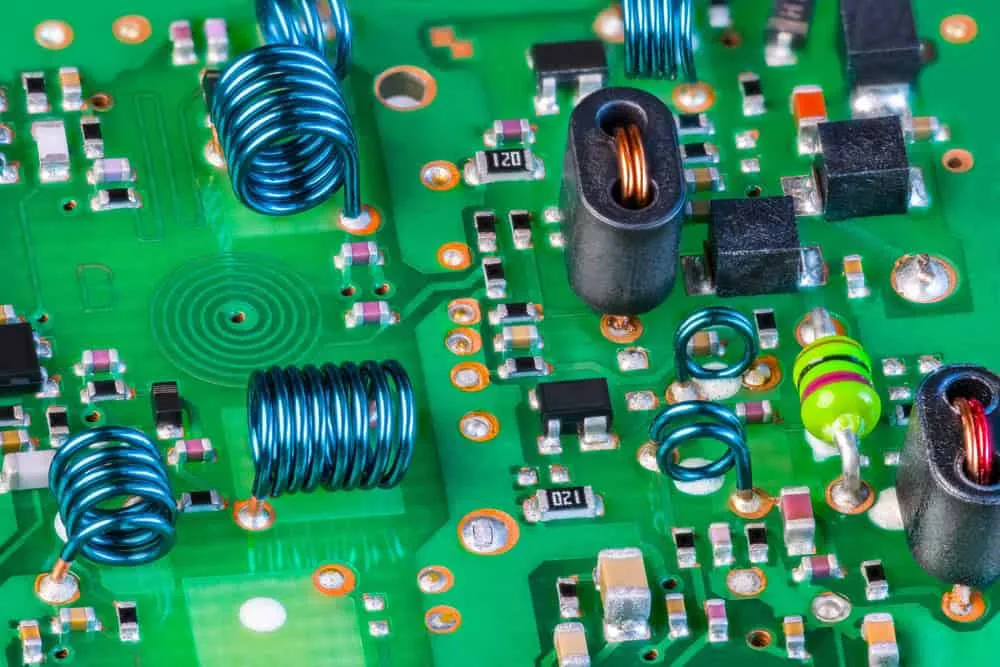
It depends on the required gold coating thickness. The more the copper piece stays in the gold bath solution, the more the gold will get used. And this gold usage directly impacts the gold layer thickness.
We measure thickness using microinches or microns. A microinch is a millionth of an inch, while one micron is equivalent to a thousandth of a millimeter.
This layer is considerably thinner than what you’d get in gold-coated jewelry because jewelry undergoes more wear and tear.
So how much gold you use depends on the required protective coating thickness, which depends on the application.
Is Gold-Plating Permanent?

The answer to this question depends on the gold coating thickness and the application area.
A thicker gold coating will last longer than a thin one due to the increased abrasion and chemical resistance.
When considering the application area, the layer will wear out faster when subjected to uncontrolled environments. Also, substances like salt water increase corrosion.
Eventually, though, the gold will wear out. It is not permanent. Its average lifespan is about two years.
And there is also the tarnishing issue. Alone, gold is tarnish resistant. But the plated metals like copper and nickel tarnish over time.
Their molecules diffuse into the gold coating, breaking it down and migrating to the top.
The metals oxidize when they interact with air, tarnishing the entire gold layer.
Gold Plating Soldering Issues
Although gold offers an excellent protection layer, it exhibits poor solderability. Gold is soluble in solder, and a solder joint containing as much as 4-5% gold will be brittle.
What happens is that Tin and Lead in hot, liquid form react with gold to create a brittle metal alloy known as an intermetallic.
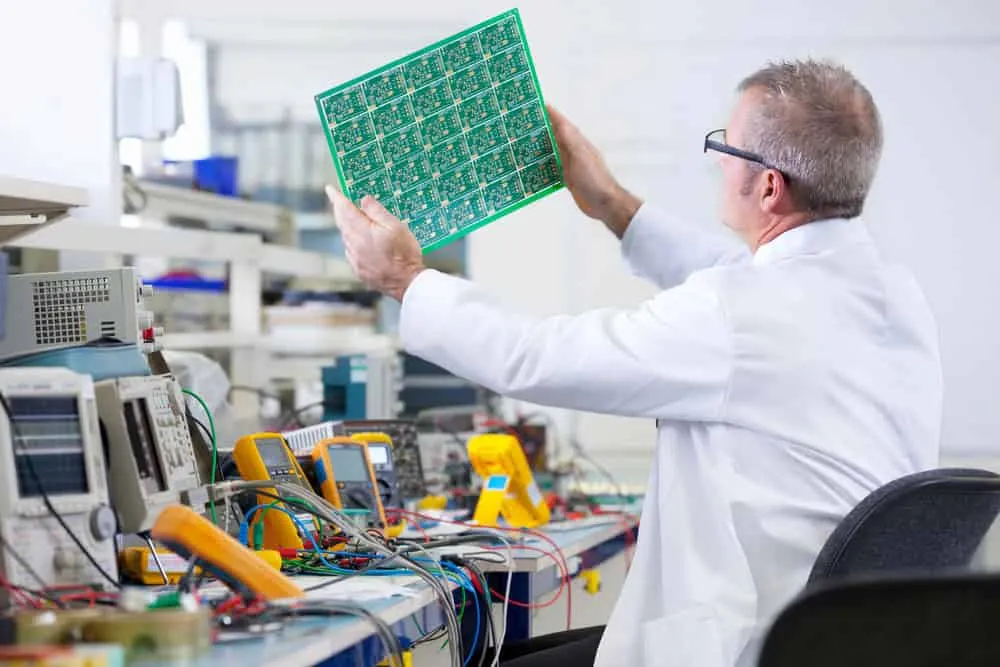
The former disperses in the solder matrix to form preferential cleavage planes that reduce the metal alloy’s mechanical strength.
And if the gold does not react completely when the solder is in liquid form, the dissolving will continue in solid form. The atoms of gold and Tin will cross-migrate, resulting in the same brittle intermetallic.
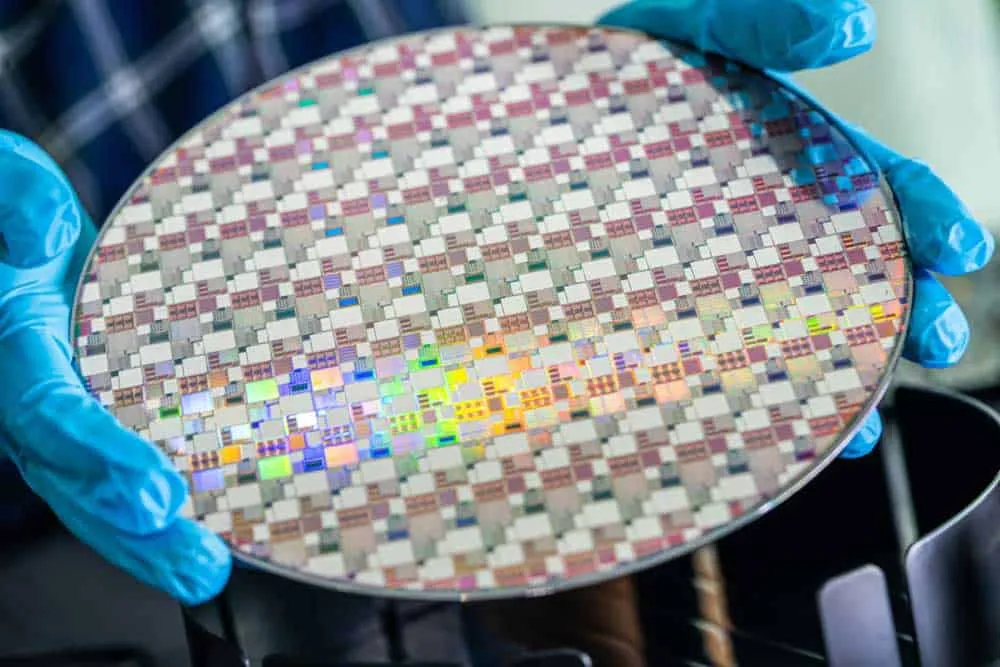
And if the solder gets to the nickel plating, it won’t bond due to the phosphorus impurities. Nickel with over 8% phosphorus is non-solderable.
In addition to having poor mechanical strength, intermetallics exhibit poor electrical properties.
And you know the purpose of a solder joint is to provide mechanical strength and conduct electrical current. So the solder will fail on both fronts.
Therefore, we don’t recommend applying gold coats on electronic applications that require soldering.
Gold Plating Advantages
- - Cost-effective protective measure with the same solid gold aesthetic results
- Easy to replate after wear-and-tear or tarnishing (inexpensive process)
Gold Plating Disadvantages
- - Not permanent (tarnishes and wears over time)
- Gold is not easily solderable
Wrap Up
In conclusion, gold plating copper is not a complex process. The vital things you need to understand are factors like controlling gold layer thickness.
This thickness should match the application. And if you intend to solder the electrical contact, a gold coat will give you problems.
So contact us if having doubts about gold plating your copper pads or contact points. We’ll advise on the best way forward. Learn more about our PCB manufacturing services including various surface finish options.
Related Articles
Continue exploring similar topics
How to Identify Diodes
Learn how to identify diodes by type and polarity. Understand markings, use multimeter testing, and recognize common diode types for your electronic projects.
How to Solder Wires to a Circuit Board
Do you know how to solder wires to a circuit board? It is straightforward, but you must perform it correctly to ensure a perfect electrical connection.
How To Mix Ferric Chloride for Etching
Learn how to mix ferric chloride for PCB etching. Get the right ratios, safety tips, and step-by-step instructions for etching copper-clad boards at home.
Ready to bring your PCB design to life?
Get an engineer-reviewed quote for your custom PCB fabrication and assembly needs.
Request a Quote